When purchasing construction equipment, buyers should consider not only the initial purchase price but also how much value the machine may retain over time. The resale value of a mini excavator can influence its total ownership cost and long-term investment potential.
For buyers comparing mini excavators for sale, understanding equipment value, brand reputation, operating hours, and maintenance history can help make better purchasing decisions. Although there is no universal resale price for every machine, several factors can help estimate its future market value.
The resale price of a mini excavator depends on its original purchase price, brand, configuration, age, operating hours, and overall condition. Therefore, buyers should evaluate equipment individually rather than rely on one average figure.
A machine purchased at a higher initial price does not necessarily retain more value. Its future resale price depends on whether buyers recognize its quality, performance, reliability, and market demand.
When evaluating mini excavators for sale, consider the original equipment specifications, manufacturing quality, and availability of replacement components.
Different machine sizes serve different applications and customer groups. Compact machines may attract landscaping contractors and residential construction businesses, while larger machines may appeal to agricultural and general construction operators.
These differences influence demand and the potential resale price of each equipment category.
A practical estimate should compare the original purchase price with the expected selling price after a specific ownership period.
Buyers can examine comparable equipment specifications, local market demand, machine condition, and historical transaction information.
Because prices vary across countries and equipment configurations, a reliable estimate should use local market evidence rather than an unsupported global average.
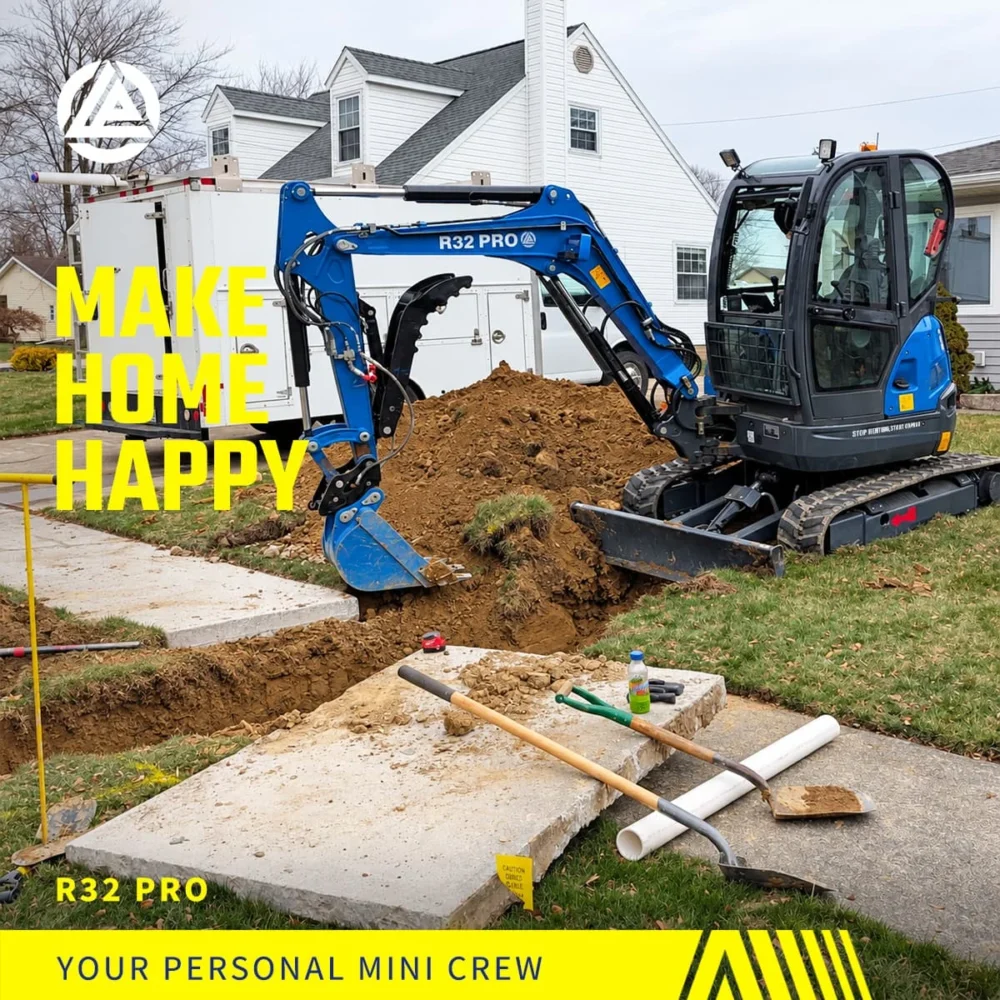
Several factors influence how much value a mini excavator retains. Understanding them before purchasing can help buyers avoid equipment that may be difficult to resell.
Manufacturers with established market recognition may benefit from stronger buyer confidence.
Brand reputation can influence purchasing decisions because customers often consider product consistency, technical support, replacement parts, and manufacturer reliability.
When evaluating a mini excavator for sale, buyers should research the manufacturer’s reputation and its availability in their target market.
Equipment configuration also affects future market appeal.
Important considerations include engine performance, hydraulic systems, operating weight, digging capability, structural quality, and attachment compatibility.
Machines that meet common application requirements may appeal to a broader range of future buyers.
Resale value also depends on local demand.
A machine suitable for residential landscaping in one market may have different commercial appeal in an agricultural region.
Understanding local equipment preferences can help buyers choose configurations with stronger long-term market demand.
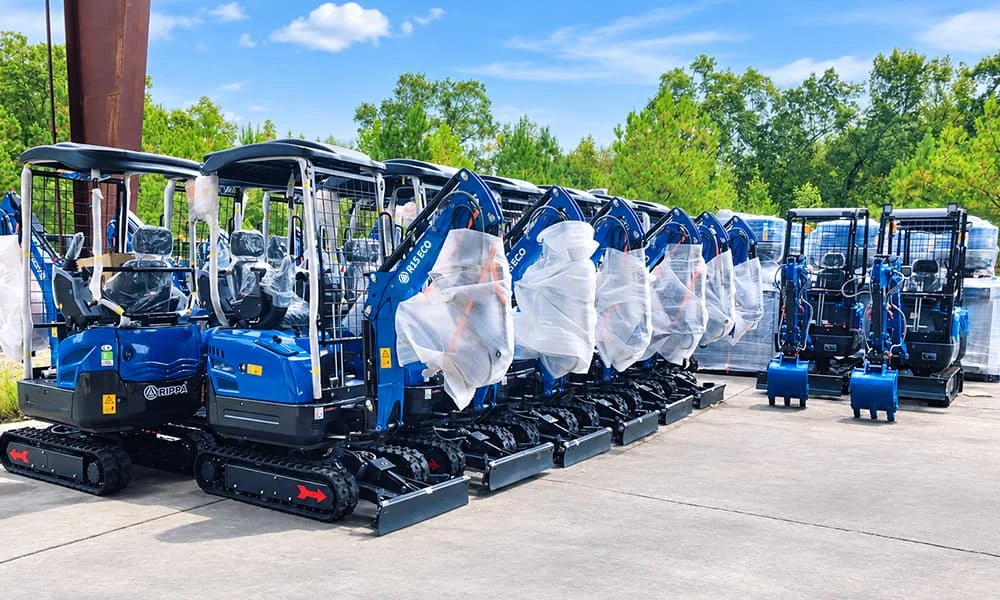
Equipment condition and maintenance history are important indicators of how well a mini excavator has been maintained throughout its working life.
Operating hours provide useful information about machine usage, but they should never be evaluated alone.
Two machines with similar operating hours may have different conditions because of differences in workload, operating environments, and maintenance practices.
Buyers should also inspect the hydraulic system, engine, tracks, undercarriage, and working attachments.
Consistent mini excavator maintenance helps reduce unnecessary wear and supports reliable equipment performance.
Regular lubrication, fluid checks, filter replacement, and hydraulic inspections can help prevent avoidable mechanical problems.
Maintaining accurate service records also gives future buyers greater confidence in the equipment’s maintenance history.
Den mini excavator lifespan depends on manufacturing quality, operating conditions, maintenance practices, and replacement of worn components.
Machines maintained according to manufacturer recommendations may remain useful for longer periods.
Keeping maintenance records and addressing mechanical issues promptly can support equipment reliability and future resale potential.
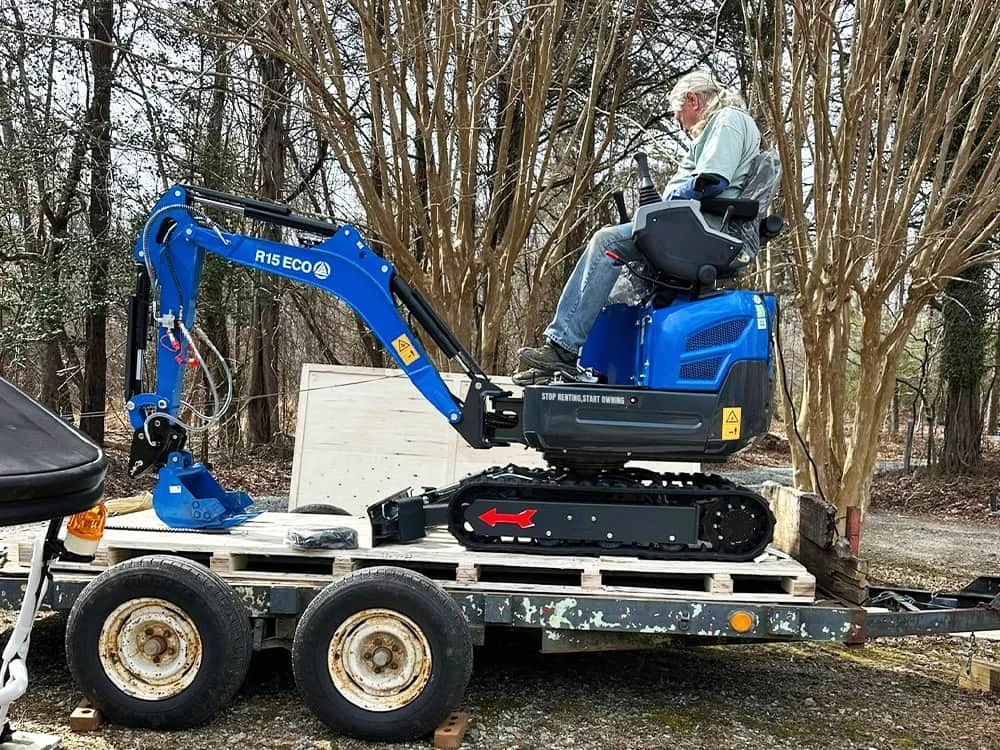
The relationship between purchase price and future resale value helps buyers understand the long-term cost of equipment ownership.
Den mini excavator price can vary according to machine size, configuration, manufacturing quality, attachments, and supplier conditions.
When comparing different equipment options, buyers should evaluate the complete purchase cost rather than focusing exclusively on the lowest quotation.
Value retention refers to how much of the original purchase value remains after a period of ownership.
For example, if a machine is purchased for $15,000 and later sells for $9,000, it retains 60% of its original purchase price.
This is an illustrative calculation, not an industry average or guaranteed resale outcome.
A machine with a competitive purchase price, reliable performance, accessible replacement parts, and manageable maintenance costs may provide better long-term value.
Buyers should evaluate both the initial investment and the potential future resale price when comparing equipment.
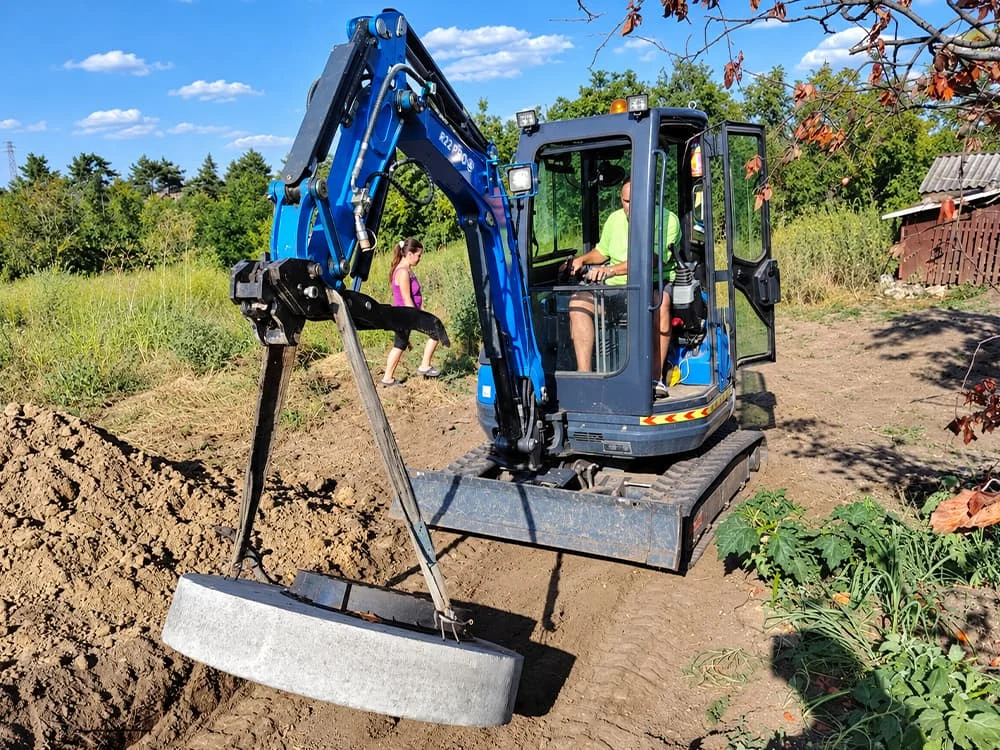
Selecting the right machine from the beginning can influence its future resale potential. Buyers should consider market demand, equipment quality, and long-term support before making a purchase.
When comparing small excavator for sale options, consider the construction and landscaping applications commonly found in your target market.
Equipment that meets local customer requirements may attract more interest when the owner eventually decides to sell.
Different compact excavators for sale options may offer different operating dimensions, digging capabilities, and attachment compatibility.
Buyers should select equipment based on practical applications rather than paying for unnecessary configurations.
Access to reliable mini excavator parts can help maintain equipment performance and reduce downtime.
Buyers should also evaluate manufacturer communication, technical assistance, warranty conditions, and replacement component availability.
RIPPA is a Chinese construction machinery manufacturer focused on mini excavators and related equipment applications.
For buyers and international distributors, product quality, parts availability, and long-term supplier support are important considerations when selecting equipment.
RIPPA welcomes international customers and distribution partners interested in mini excavator sourcing and long-term cooperation. Explore RIPPA distributor opportunities to learn more about equipment supply and potential dealership partnerships.
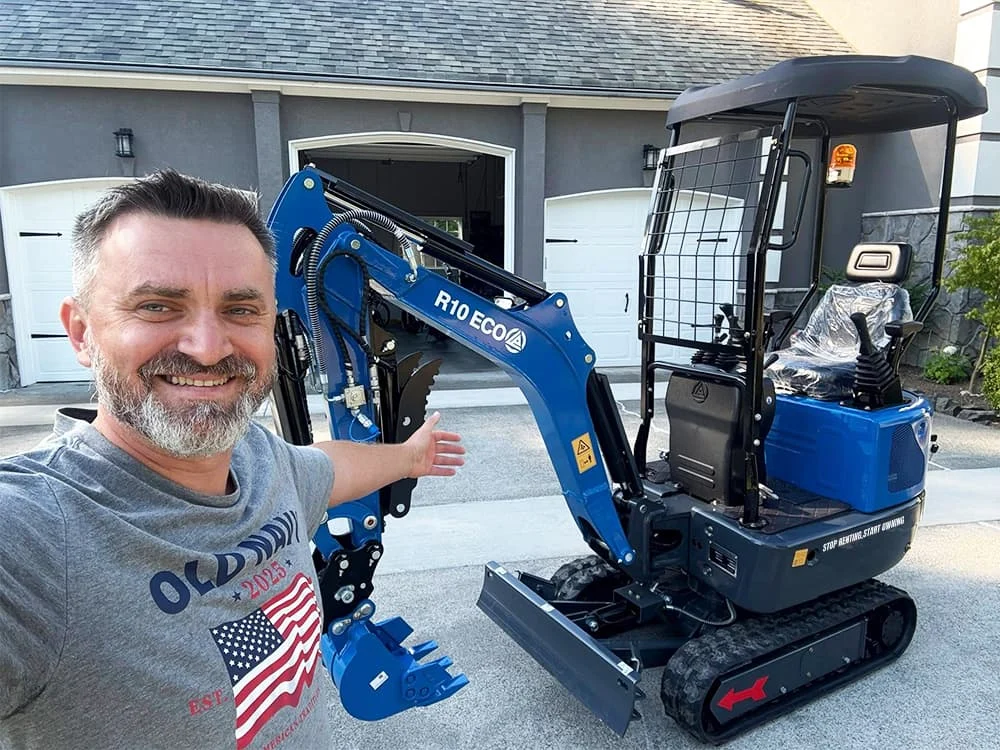
Brand reputation, original purchase price, machine condition, operating hours, maintenance history, and local market demand all influence resale value.
Yes. Regular maintenance helps control equipment wear, maintain performance, and provide service records that support buyer confidence.
Compare manufacturing quality, market demand, equipment configuration, parts availability, and after-sales support before purchasing.
Tfn: +8615628788742
E-post: contact02@rippa.com
WhatsApp: Rippa grävmaskin
Adress: Den sjätte industriparken Den sjätte industriparken,Jining stad,Shandong-provinsen,Kina

 SV
 EN
 ES
 IT
 FR
 RU
 DE
 PT
 TR
 BG
 HR
 RO
 CS
 NN
 SL
 HU
 SK
 DA
 FI
 PL
 PT_BR

