Starting a private label equipment business allows entrepreneurs and machinery dealers to sell products under their own brand names. With growing interest in mini excavators for sale, international buyers may see opportunities to develop equipment brands for local construction, landscaping, and agricultural markets.
However, launching a private label business involves more than adding a logo to a machine. New business owners must identify customer demand, select suitable equipment, find a manufacturing partner, calculate costs, and establish reliable sales and service operations.
A successful approach begins with market research and ends with a business that can deliver equipment and support customers consistently.
The following five steps explain how to start a private label mini excavator business, from choosing your first products to attracting customers.
Before placing your first order, confirm that your target customers need the equipment you plan to sell.
Identify Your Target Customers
Start by identifying potential buyers in your region, including construction contractors, landscaping companies, agricultural businesses, and equipment dealers.
Speak with prospective customers about their applications, preferred equipment features, and purchasing expectations.
Research Local Search Demand
Review online searches for terms such as mini excavator for sale in . small excavator for sale to understand how customers look for equipment.
Examine search trends, competitor product listings, and customer inquiries to identify potential gaps in the local market.
Search interest alone does not prove demand, so compare online findings with actual purchasing inquiries.
Choose Your Initial Product Range
Avoid introducing too many equipment configurations when starting a new brand.
Compare customer requirements for compact excavators for sale, including operating applications, attachment compatibility, transport considerations, and service expectations.
Select a limited product range that addresses the most common customer needs.
Validate Demand Before Ordering
Create preliminary product listings or a simple landing page to collect inquiries from potential buyers.
Evaluate customer interest, expected order quantities, and preferred configurations before committing to your initial inventory.
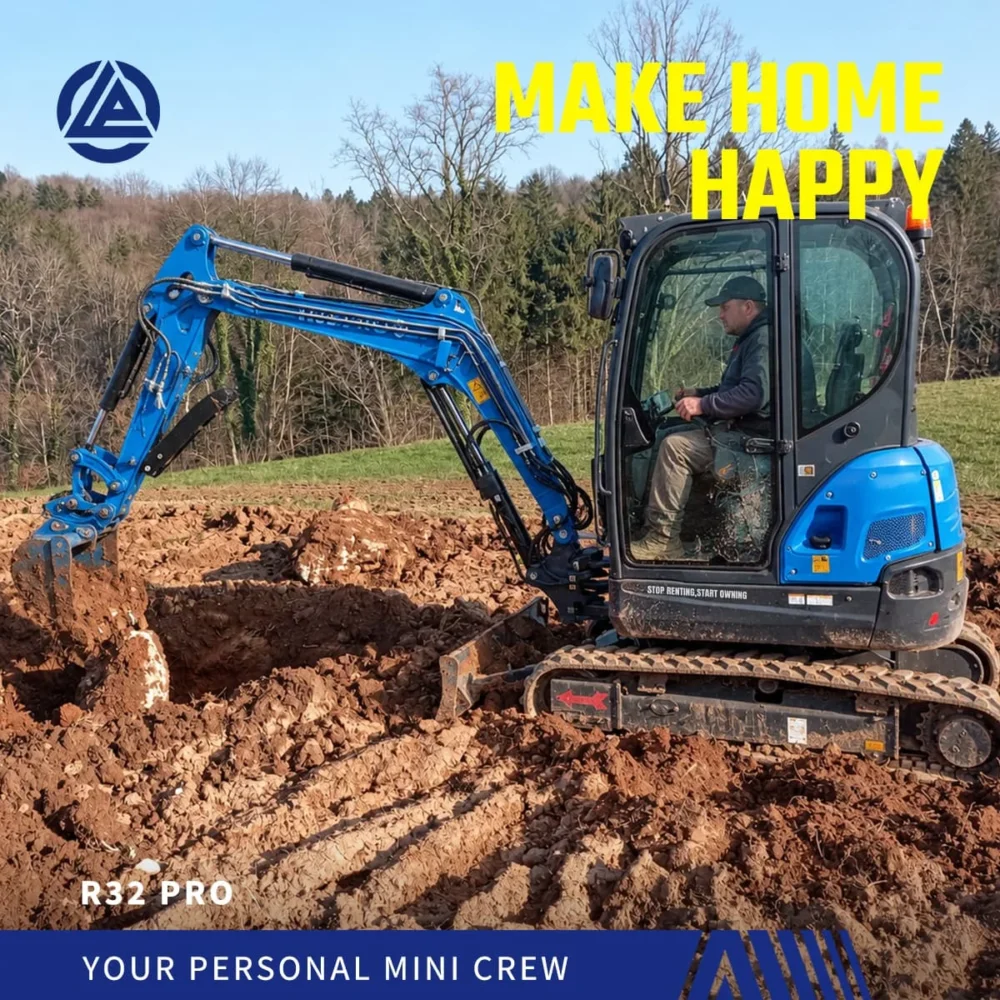
Choosing the right manufacturing partner is essential because product quality and supply reliability directly influence your new brand’s reputation.
Evaluate Manufacturing Capabilities
When contacting a Chinese mini excavator supplier, request information about production capabilities, quality management, product categories, and export experience.
Confirm whether the manufacturer can support the equipment configurations required by your target market.
Discuss Private Label Requirements
Explain your intended branding requirements, including logos, colors, product labels, and packaging.
Ask which customization options are available and whether additional design or production work is necessary.
Verify Product Quality
Request relevant product documentation and discuss inspection procedures.
Where practical, evaluate a sample or arrange an appropriate inspection before placing a larger order.
Check whether the equipment can meet applicable requirements in your destination market.
Confirm Purchasing Conditions
Discuss minimum order quantities, payment arrangements, production schedules, and shipping responsibilities.
Document the agreed conditions and clarify who will approve product specifications and manufacturing changes.
Establish Clear Communication
Choose authorized contacts for technical questions, purchasing decisions, and production updates.
Consistent communication helps reduce misunderstandings during the first manufacturing order.
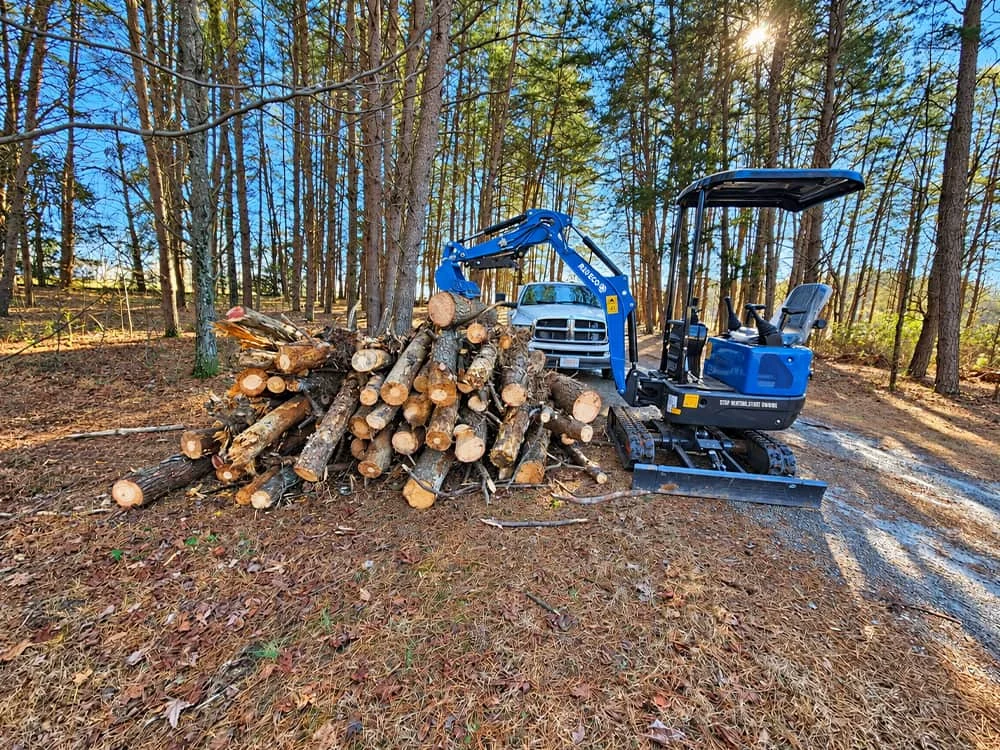
After validating your products and identifying a suitable manufacturer, establish the brand customers will recognize.
Choose a Brand Name
Select a brand name that reflects your intended market position and is easy for customers to remember.
Check whether the name is already used by another equipment business.
Review Trademark Registration
Conduct appropriate trademark searches and consider registration in the markets where you plan to sell.
Seek qualified guidance when necessary to understand local trademark requirements.
Develop Your Brand Identity
Create a consistent logo, color scheme, product presentation style, and marketing message.
For mini excavators for sale under your own label, consistent branding across equipment, packaging, and sales materials helps customers recognize your business.
Confirm Product Branding
Work with your manufacturing partner to confirm approved logos, labels, and other customization details.
Check that all branded materials follow the agreed design and applicable product identification requirements.
Prepare Your Brand Launch
Develop a website with product descriptions, clear equipment images, inquiry forms, and business contact information.
Prepare brochures, product documentation, and promotional materials before introducing your equipment to potential customers.
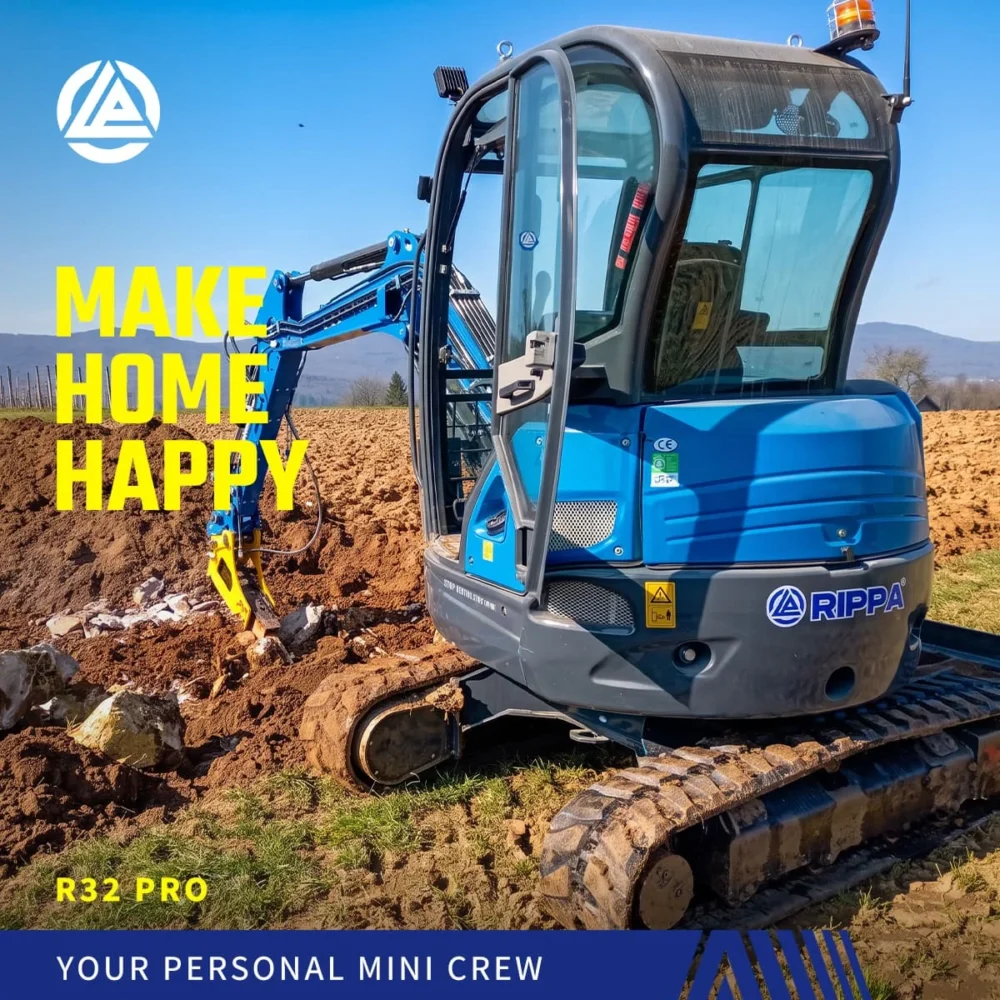
A private label business needs a realistic financial plan before inventory is purchased.
Calculate Equipment Purchasing Costs
Request quotations for your selected equipment configurations.
When reviewing mini excavator price information, consider order quantities, customization requirements, and agreed purchasing conditions.
Estimate Import and Logistics Expenses
A mini excavator importer should account for international shipping, customs-related charges, applicable import duties, and local transportation.
Include expenses required to prepare equipment for sale in the destination market.
Budget for Business Operations
Estimate website development, marketing, storage, insurance, staffing, and after-sales support costs.
Set aside working capital for operating expenses while waiting for customer payments.
Calculate Profit Margins
First, calculate the landed cost of each machine, including purchasing and relevant import expenses.
Then estimate directly attributable selling and service costs.
Gross profit per machine can be calculated as:
Selling Price − Landed Cost − Direct Selling and Service Costs
Use these figures to establish realistic selling prices and assess whether the planned sales volume can support your business.
Start with a Controlled Budget
Consider a manageable initial inventory based on validated demand and the supplier’s agreed purchasing conditions.
Review actual customer inquiries and sales results before expanding your product range.
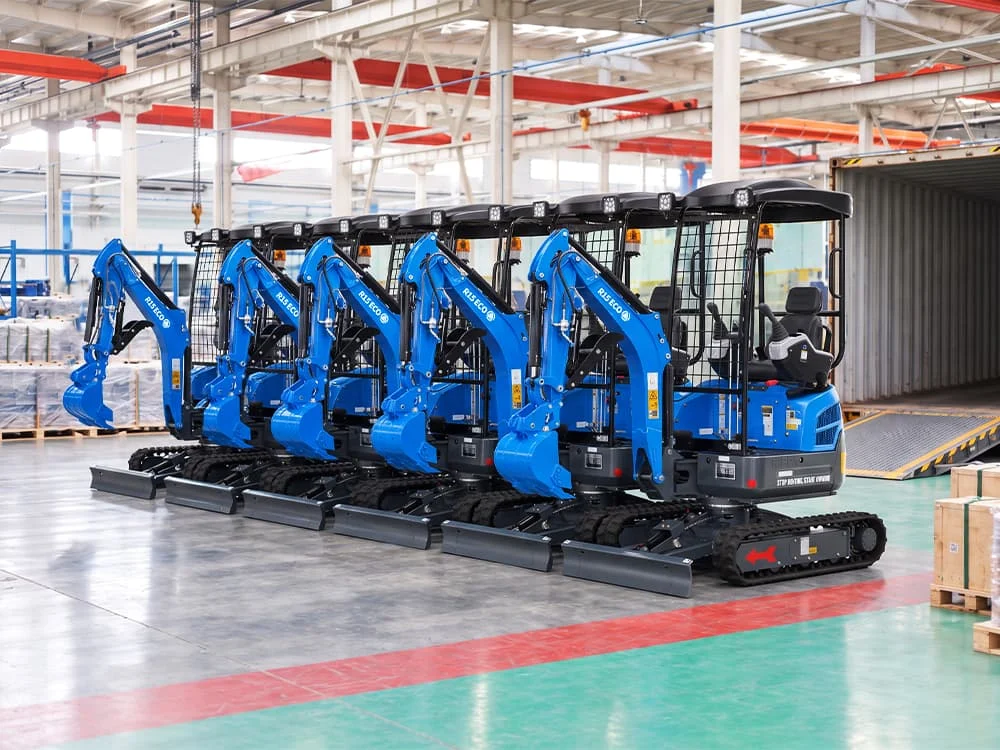
Once your brand and products are ready, focus on generating inquiries and delivering dependable customer support.
Build Your Online Sales Presence
Create dedicated product pages with equipment applications, photographs, specifications, and inquiry options.
Use relevant search terms naturally in your website content to reach customers researching compact construction equipment.
Develop B2B Customer Relationships
Contact construction equipment dealers, agricultural machinery businesses, landscaping equipment distributors, and other potential commercial buyers.
Introduce your product range and explain the business value your equipment may provide.
Use Multiple Marketing Channels
Combine search engine optimization, targeted advertising, trade exhibitions, and direct business outreach.
Monitor inquiries and prioritize prospects with clear purchasing requirements.
Establish Maintenance Support
Prepare customer service procedures for mini excavator maintenance, routine inspections, and common service questions.
Discuss spare parts availability, technical documentation, and support responsibilities with your manufacturing partner.
Build Customer Confidence
Provide accurate product information, clear purchasing terms, and responsive communication.
Collect customer feedback to improve future inventory decisions and service processes.
Explore RIPPA Distribution Opportunities
International equipment dealers looking to expand their machinery business can also explore established manufacturer relationships.
RIPPA is a construction machinery manufacturer offering equipment sourcing and potential distribution cooperation opportunities.
If you are interested in supplying mini excavators to your market, visit RIPPA distributor opportunities to discuss equipment availability, purchasing requirements, and potential dealership partnerships.
Private label manufacturing and authorized brand distribution are different business arrangements, so confirm the available cooperation model directly.
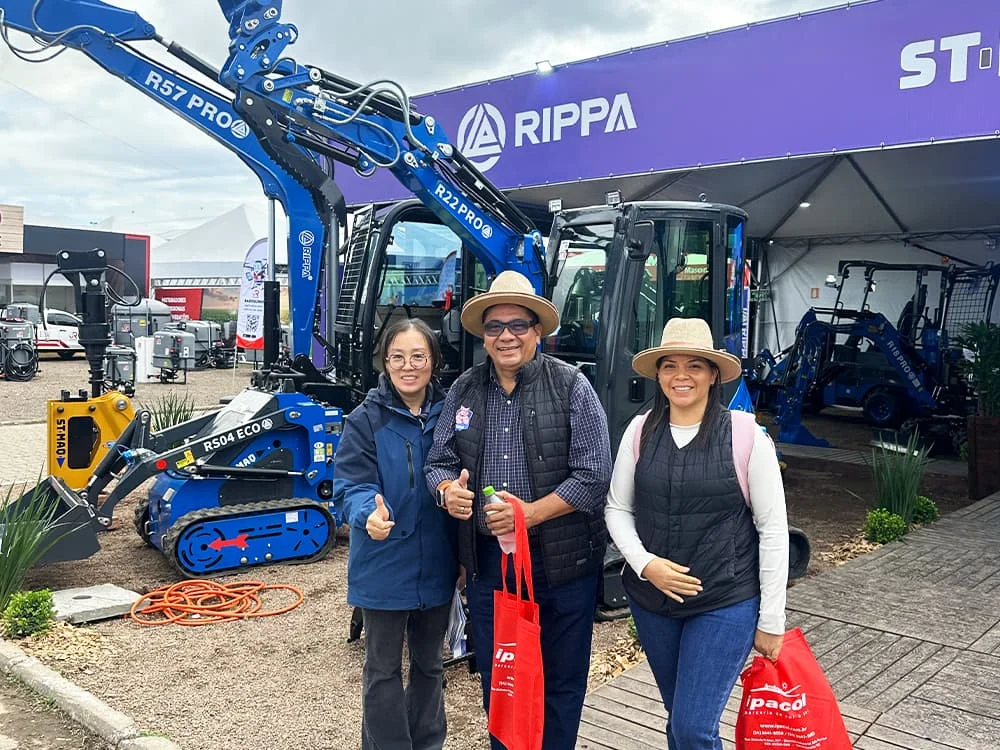
Research customer demand, choose suitable products, find a manufacturing partner, establish your brand, calculate costs, and develop sales channels.
Yes, if your manufacturing arrangements permit it and you satisfy applicable branding, trademark, and product compliance requirements.
Startup capital depends on equipment quantities, manufacturing conditions, import expenses, inventory requirements, and marketing costs.
Tel: +8615628788742
Elektronska pošta: contact02@rippa.com
WhatsApp: Rippa bager
Naslov: Šesti industrijski park, mesto Jining, provinca Shandong, Kitajska

 SL
 EN
 ES
 IT
 FR
 RU
 DE
 PT
 TR
 BG
 HR
 RO
 CS
 NN
 SV
 HU
 SK
 DA
 FI
 PL
 PT_BR

