When comparing mini excavators for sale, hydraulic performance is one of the most important factors to consider. The hydraulic system powers the movements that allow an excavator to dig, lift, swing, and operate compatible attachments.
A reliable hydraulic system helps maintain consistent machine performance, while poor hydraulic efficiency can reduce productivity and increase downtime. Understanding how the system works also makes it easier to identify potential problems and evaluate equipment before purchasing.
For contractors and equipment distributors, hydraulic knowledge supports better purchasing decisions, equipment selection, and customer service. This guide explains the main hydraulic components, essential maintenance practices, common problems, and key factors to check when choosing a mini excavator.
A mini excavator hydraulic system transfers power from the engine to the machine’s working components through pressurized hydraulic fluid.
The engine drives a hydraulic pump, which creates fluid flow. Control valves direct that flow to hydraulic cylinders and motors, allowing the operator to control different movements.
The main components include:
The hydraulic pump supplies the oil flow required to operate the machine’s hydraulic functions. Its performance affects how effectively the system responds to operator commands.
Control valves regulate the direction and amount of hydraulic fluid flowing to different actuators. They help operators control the boom, arm, bucket, and other functions.
Hydraulic cylinders convert fluid pressure into linear movement. They extend and retract to move the excavator’s boom, arm, and bucket.
Hydraulic motors convert hydraulic energy into rotational movement. Depending on the machine design, they drive functions such as track travel and upper-structure rotation.
The tank stores hydraulic fluid, filters help remove contaminants, and hoses or pipes carry fluid throughout the system.
When evaluating mini excavators for sale, understanding these mini excavator parts helps buyers assess the machine’s hydraulic design and potential servicing requirements.
The system’s overall performance depends on how well these components work together, not simply on hydraulic pressure alone.
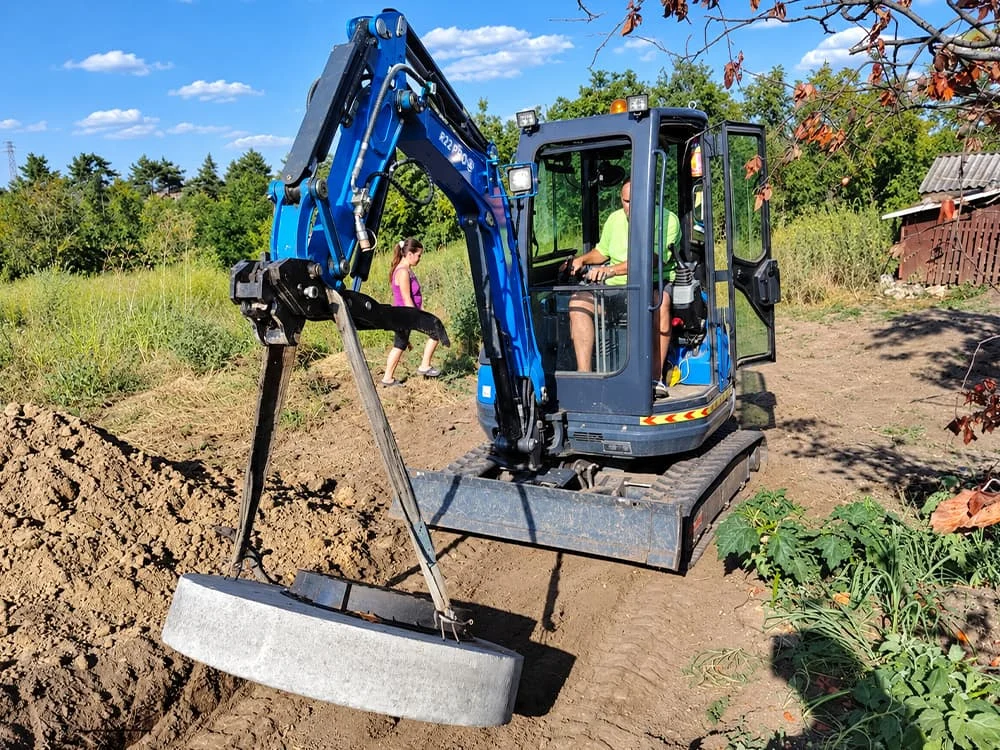
Proper mini excavator maintenance helps protect hydraulic components from unnecessary wear and supports reliable operation.
Hydraulic fluid transfers energy, lubricates components, and helps manage heat within the system. Incorrect fluid levels or contamination can affect performance and damage internal components.
Routine checks should focus on the following areas:
Hydraulic Fluid Level
Check the hydraulic oil level according to the manufacturer’s instructions. The machine must be positioned and prepared as specified in its operating manual.
Fluid Condition
Look for unusual discoloration, foaming, water contamination, or other visible signs of deterioration. Changes in fluid condition may indicate a problem requiring further inspection.
Filters and Connections
Inspect hydraulic filters and check accessible hoses, fittings, and connections for leakage or damage.
Recommended Service Intervals
Use the specified hydraulic fluid grade and follow the manufacturer’s maintenance schedule for fluid and filter replacement.
Hydraulic systems operate under high pressure. Never inspect suspected leaks with bare hands or disconnect pressurized components. Hydraulic fluid injection injuries require immediate medical attention.
For equipment distributors, explaining these maintenance requirements helps customers understand how to keep their machines operating reliably.
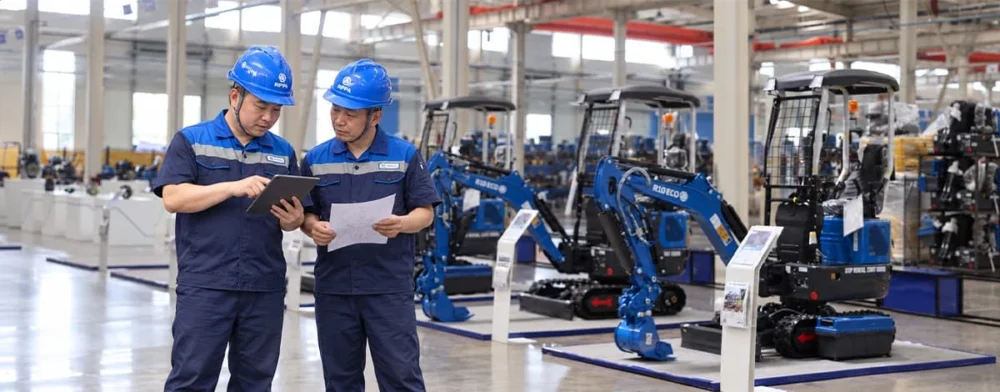
Hydraulic problems can affect digging performance, travel response, and attachment operation. Recognizing common symptoms helps operators know when professional inspection is needed.
Slow boom, arm, or bucket movement may be associated with low fluid levels, restricted flow, worn components, or other system faults.
Excessive heat may result from restricted cooling, contaminated oil, prolonged heavy operation, or problems affecting system efficiency.
Abnormal whining or other noises may indicate aeration, cavitation, or component wear. A qualified technician should identify the cause.
Damaged hoses, fittings, or seals can lead to fluid loss and reduced performance. Leaks should be addressed before they create more serious problems.
Irregular movement may indicate issues involving valves, actuators, controls, or hydraulic supply.
Effective mini excavator maintenance includes identifying abnormal symptoms early and arranging appropriate inspections. Replacing mini excavator parts without confirming the underlying cause may not resolve the problem.
Hydraulic diagnosis and repairs should be performed by qualified personnel using the manufacturer’s procedures.
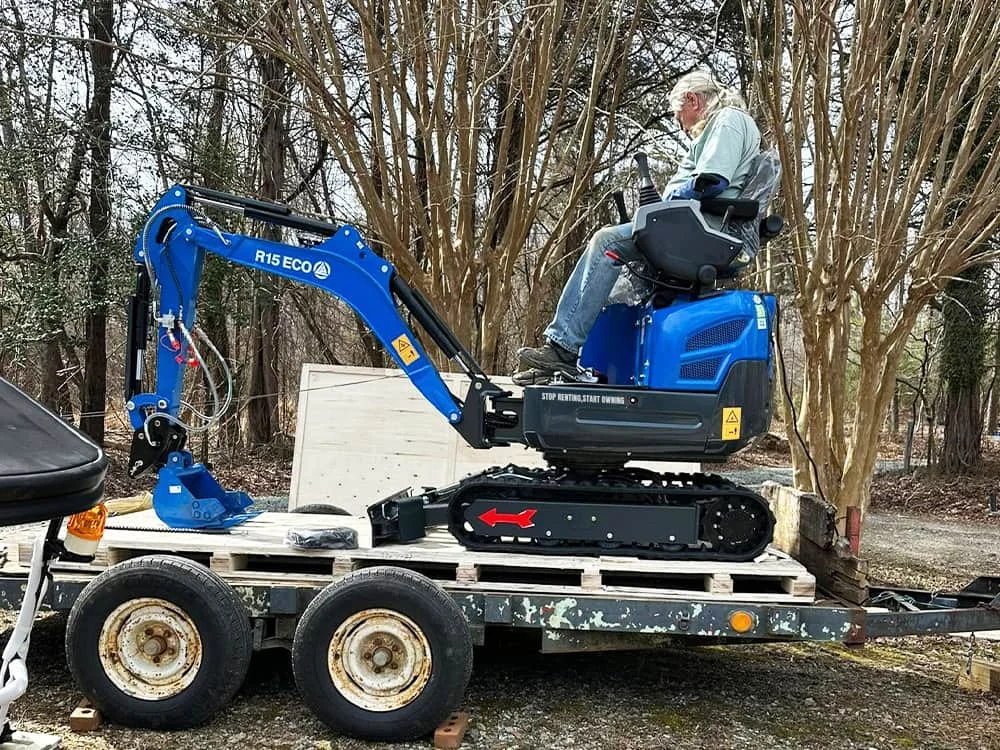
When considering a mini excavator for sale, buyers should evaluate hydraulic performance alongside engine power, machine size, operating requirements, and after-sales support.
A suitable hydraulic system should provide controlled movement and adequate performance for the intended application.
Important evaluation factors include:
Businesses comparing compact excavators for sale should also consider their customers’ working environments and attachment requirements.
Although mini excavator price matters, hydraulic reliability, appropriate specifications, serviceability, and long-term operating needs are equally important purchasing considerations.
For dealers, understanding these factors helps match equipment with customer applications rather than relying only on price comparisons.
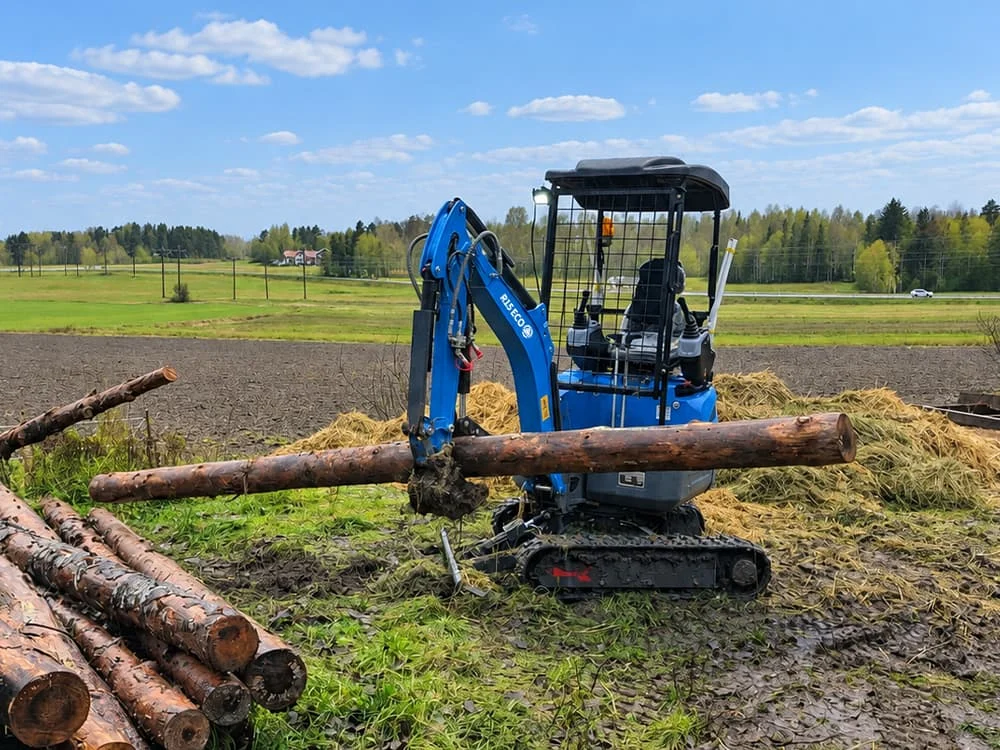
RIPPA is a construction machinery manufacturer offering mini excavators for a range of working applications.
For buyers evaluating hydraulic performance, the most useful approach is to compare the specifications of individual machines with their intended tasks. Hydraulic flow requirements, operating conditions, maintenance access, and attachment compatibility should all be considered before selecting equipment.
Businesses exploring mini excavators for sale can contact RIPPA to discuss machine configurations, technical information, and purchasing requirements.
For potential distributors, hydraulic system knowledge is particularly valuable. It helps sales teams explain equipment capabilities, address technical questions, and guide customers toward suitable machines.
Dealers should also clarify spare parts availability, service arrangements, and technical documentation when assessing a manufacturing partner.
RIPPA welcomes inquiries from businesses interested in developing construction equipment distribution opportunities. Visit the RIPPA distributor recruitment page to learn more about potential dealership cooperation and discuss your market requirements.
The main components include the hydraulic pump, control valves, cylinders, motors, tank, filters, and hoses.
Follow the manufacturer’s inspection and maintenance schedule, including any daily or pre-operation checks specified in the manual.
Possible causes include low hydraulic fluid, restricted flow, worn components, overheating, or control-system faults. Professional diagnosis is recommended.
Tel: +8615628788742
Elektronska pošta: contact02@rippa.com
WhatsApp: Rippa bager
Naslov: Šesti industrijski park, mesto Jining, provinca Shandong, Kitajska

 SL
SL  EN
EN  ES
ES  IT
IT  FR
FR  RU
RU  DE
DE  PT
PT  TR
TR  BG
BG  HR
HR  RO
RO  CS
CS  NN
NN  SV
SV  HU
HU  SK
SK  DA
DA  FI
FI  PL
PL  PT_BR
PT_BR 
