Choosing the right equipment is essential for businesses entering the construction machinery market. For importers, wholesalers, and equipment dealers searching for mini excavators for sale, wholesale purchasing involves more than finding competitive prices. Buyers must consider customer requirements, equipment configurations, worksite applications, operating costs, and supplier reliability.
A suitable product selection helps dealers serve different customer groups, reduce inventory risks, and build a competitive equipment business. Whether you supply construction contractors or develop a regional distribution network, understanding how to evaluate mini excavators can improve purchasing decisions.
This guide explains five important considerations for selecting mini excavators for wholesale and finding suitable manufacturing partners.
Before selecting equipment, wholesalers should understand their target market and identify what local customers actually need.
Research Your Target Market
Start by studying the construction machinery market in your target country or region. Identify industries that regularly use mini excavators, including construction, landscaping, agriculture, and property development.
Review local purchasing preferences, common working environments, and competing equipment categories. This information helps determine which types of mini excavators for sale may have stronger market potential.
Understand Your Customer Groups
Different buyers have different purchasing priorities. Construction contractors may focus on working performance and equipment suitability, while equipment dealers may prioritize product variety and resale opportunities.
Importers should also consider local regulations, customer preferences, and the availability of after-sales support.
Identify Market Opportunities
Look for customer groups whose equipment requirements are not fully served by existing suppliers.
For example, businesses serving landscaping contractors may need equipment suitable for restricted working spaces, while construction customers may prioritize different operating capabilities.
Set Clear Selection Criteria
Before contacting manufacturers, establish basic purchasing requirements, including target applications, preferred equipment categories, expected quantities, and budget ranges.
A clear selection strategy makes wholesale purchasing more efficient.
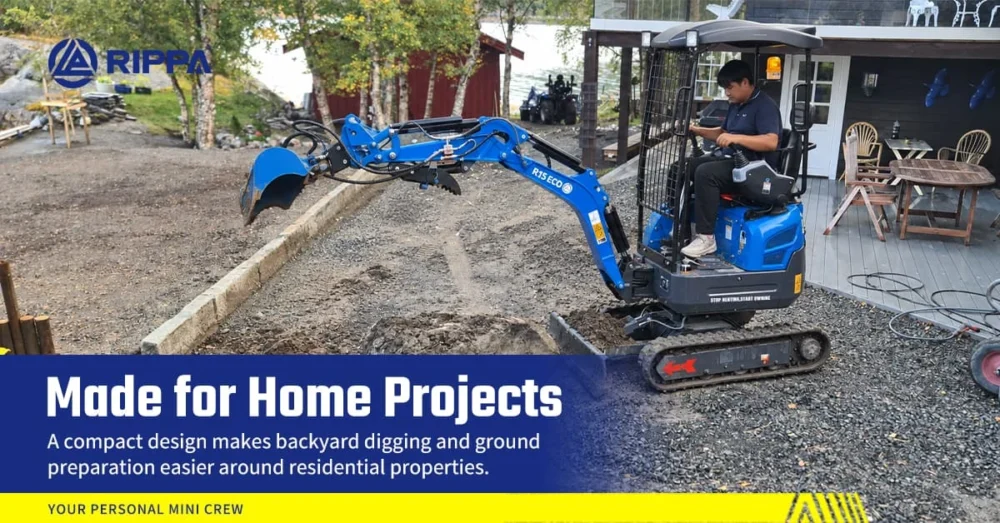
Equipment size and configuration should match the needs of the customers who will eventually purchase or operate the machines.
Understand Contractor Requirements
When evaluating a mini excavator for sale, consider the contractor’s working environment, project requirements, transportation conditions, and expected workload.
Customers working in restricted spaces may prioritize compact dimensions and maneuverability. Businesses handling different construction projects may require more versatile equipment configurations.
Match Equipment to Dealer Customers
Equipment dealers should consider which products are most suitable for their local customer base.
A small excavator for sale may attract landscaping businesses, small construction contractors, agricultural customers, and companies working on residential projects.
Review customer inquiries and purchasing preferences before deciding which equipment categories to stock.
Compare Available Configurations
Check relevant equipment information, including operating capabilities, attachment compatibility, hydraulic functions, and available technical documentation.
Make sure the selected configuration matches the intended applications rather than choosing equipment based only on advertised specifications.
Consider Future Market Demand
Wholesale buyers should also consider whether their selected equipment categories can serve different customer groups over time.
A balanced selection strategy can help dealers expand their product offerings without purchasing unnecessary inventory.
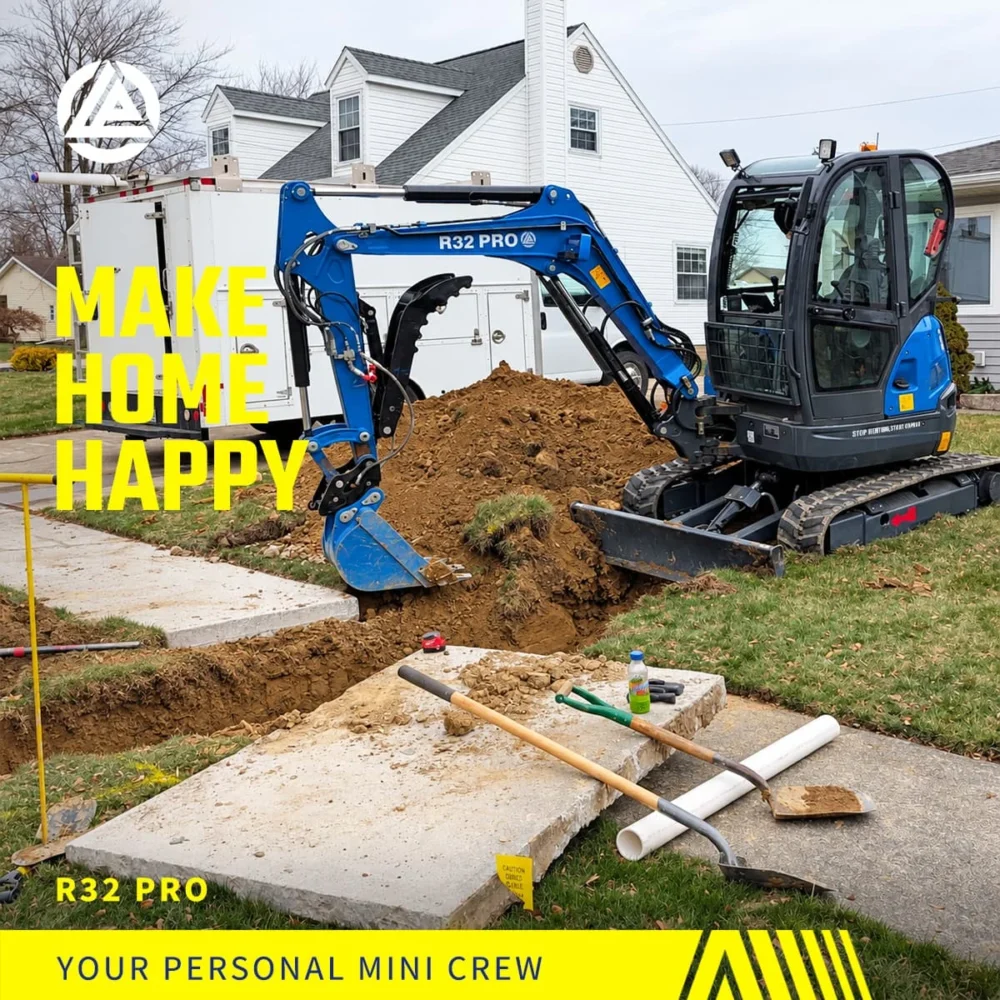
Different work environments require different equipment characteristics. Understanding these differences helps wholesalers select machines that better match local customer requirements.
Construction Applications
Construction contractors may use mini excavators for foundation preparation, trenching, landscaping construction, and general earthmoving.
When comparing a small excavator for sale, consider the working area, excavation requirements, transportation conditions, and compatible attachments.
Landscaping Projects
Landscaping businesses often work in gardens, residential properties, and other restricted spaces.
When evaluating compact excavators for sale, consider machine dimensions, maneuverability, working flexibility, and access to narrow areas.
Agricultural Applications
Agricultural customers may require equipment for drainage work, land preparation, irrigation projects, and property maintenance.
Dealers should understand the working environment and recommend equipment configurations suited to these tasks.
Urban Construction and Maintenance
Urban projects may involve limited access, narrow work areas, and transportation restrictions.
Buyers should evaluate equipment dimensions and site accessibility before selecting products for this customer segment.
Match Equipment with Local Applications
Avoid assuming that one equipment category will meet every customer’s needs. Compare actual working conditions and application requirements before finalizing wholesale product selections.
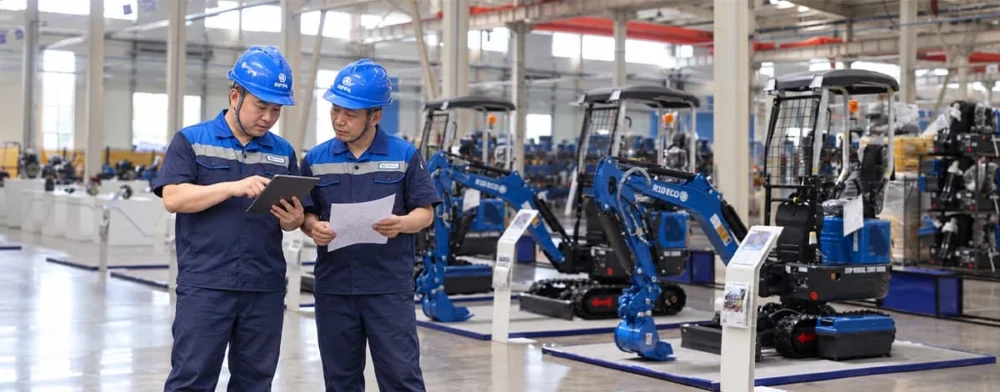
Wholesale buyers should evaluate the total value of equipment rather than choosing products based only on their initial purchase prices.
Compare Mini Excavator Prices
When reviewing mini excavator price, compare quotations based on similar configurations, purchasing quantities, included attachments, and commercial terms.
Check whether packaging, transportation, and other charges are included or quoted separately.
This makes supplier comparisons more accurate.
Evaluate Equipment Performance
Review available technical documentation and compare equipment capabilities against the requirements of your target customers.
Consider operating suitability, attachment compatibility, and the types of work the equipment is designed to handle.
Assess Long-Term Maintenance Costs
Initial purchasing costs are only one part of equipment ownership.
When evaluating mini excavator maintenance, consider recommended servicing requirements, spare parts availability, maintenance documentation, and technical support.
Dealers should understand whether they can provide customers with the necessary maintenance information and parts support.
Look for Overall Product Value
Businesses searching for the best chinese mini excavator for the money should compare equipment suitability, manufacturing information, product documentation, supply arrangements, and after-sales support.
The most suitable purchasing option is not necessarily the cheapest machine. It is the equipment that offers the right balance between purchasing cost, customer demand, and long-term business value.
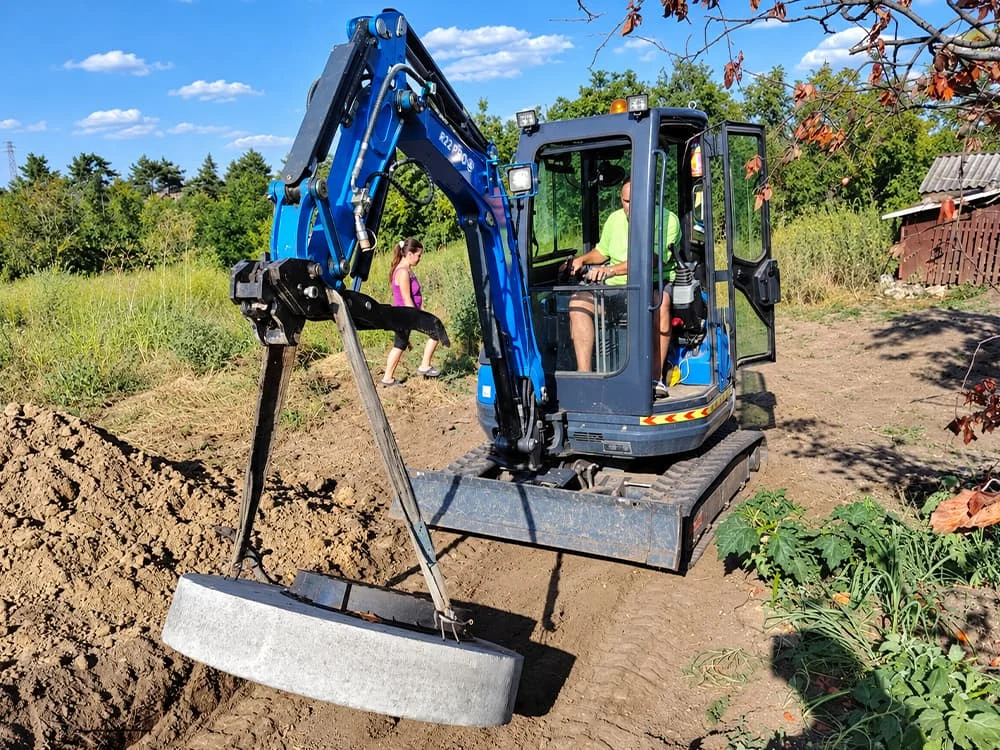
Choosing a reliable Chinese mini excavator supplier is an important step in developing a sustainable wholesale and dealership business.
Verify Manufacturer Information
Review the company’s business background, manufacturing information, official website, product documentation, and available business references.
Where possible, arrange a factory visit or online meeting to learn more about its manufacturing operations.
Review Product Documentation
Request relevant product specifications, equipment photographs, operating videos, manuals, and applicable certification documents.
Check that the information provided corresponds to the equipment being considered for purchase.
Evaluate Supply and Communication Capabilities
Discuss purchasing requirements, order quantities, production arrangements, delivery schedules, and communication procedures.
A suitable manufacturing partner should be able to explain its actual supply arrangements clearly.
Understand After-Sales Support
Ask about warranty conditions, spare parts availability, maintenance documentation, and technical assistance.
These factors are particularly important for dealers who need to support local customers after equipment sales.
Explore Wholesale and Dealer Cooperation with RIPPA
For importers, wholesalers, and equipment dealers looking to expand their product offerings, choosing an appropriate manufacturing partner can create opportunities for long-term business development.
RIPPA is a construction machinery manufacturer serving international equipment buyers and potential distribution partners.
Businesses interested in wholesale equipment sourcing or becoming RIPPA dealers can visit RIPPA distributor opportunities to discuss product selection, purchasing requirements, and potential dealership cooperation.
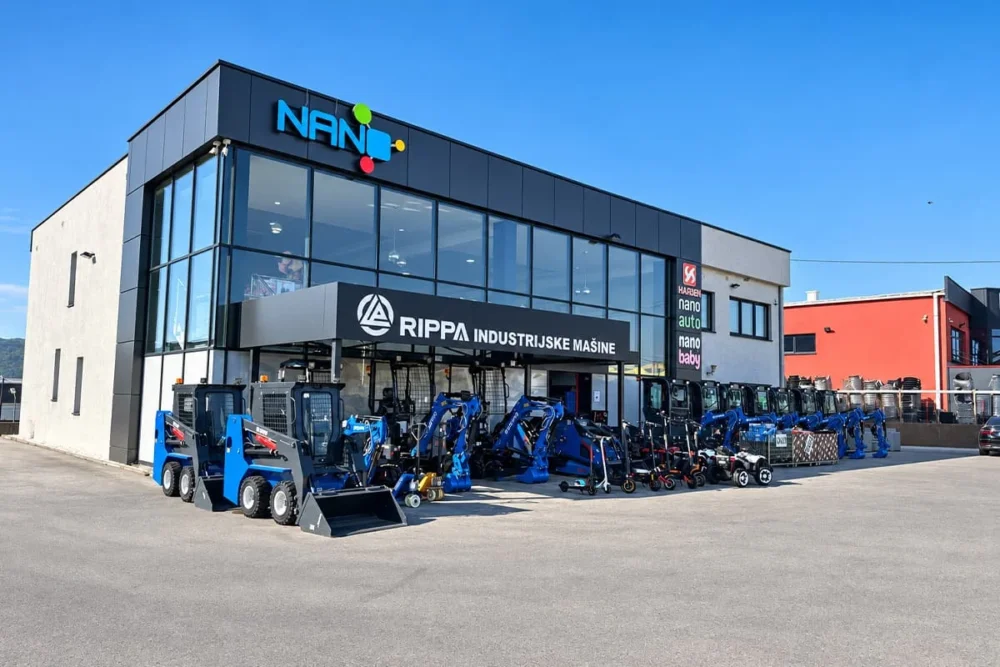
Evaluate customer applications, working environments, equipment requirements, and purchasing budgets before selecting suitable machine categories.
Compare equipment configurations, included attachments, transportation costs, maintenance requirements, and supplier support rather than focusing only on unit prices.
Reliable after-sales support helps dealers manage spare parts requirements, assist equipment owners, and maintain long-term customer relationships.
Tel: +8615628788742
Correio eletrónico: contact02@rippa.com
WhatsApp: Escavadora Rippa
Endereço: O sexto parque industrial, cidade de Jining, província de Shandong, China

 PT
 EN
 ES
 IT
 FR
 RU
 DE
 TR
 BG
 HR
 RO
 CS
 NN
 SL
 SV
 HU
 SK
 DA
 FI
 PL
 PT_BR

