Owning a mini excavator can be a profitable investment for contractors, landscaping businesses, farmers, and property owners who regularly need excavation work. However, profitability depends on equipment utilization, project income, purchase costs, and ongoing maintenance expenses.
For buyers researching mini excavators for sale, the important question is not simply how much a machine costs, but how much value it can generate over its working life. Understanding income opportunities, operating expenses, and investment recovery can help buyers make better purchasing decisions.
Owning a mini excavator can be profitable when the machine generates sufficient income or reduces project expenses enough to cover its total ownership costs.
Machine utilization is one of the most important factors affecting profitability. Equipment used regularly for construction, landscaping, agricultural work, or property improvements has more opportunities to generate value than a machine that remains idle.
Local demand also affects whether purchasing equipment makes financial sense. Contractors working on frequent excavation projects may benefit from owning equipment rather than repeatedly paying external equipment providers.
Profitability also depends on controlling fuel, labor, transportation, maintenance, and repair expenses. Even a competitively priced machine may become expensive to own if operating costs are consistently high.
Before purchasing mini excavators for sale, buyers should estimate their expected working hours, project frequency, and potential earnings.
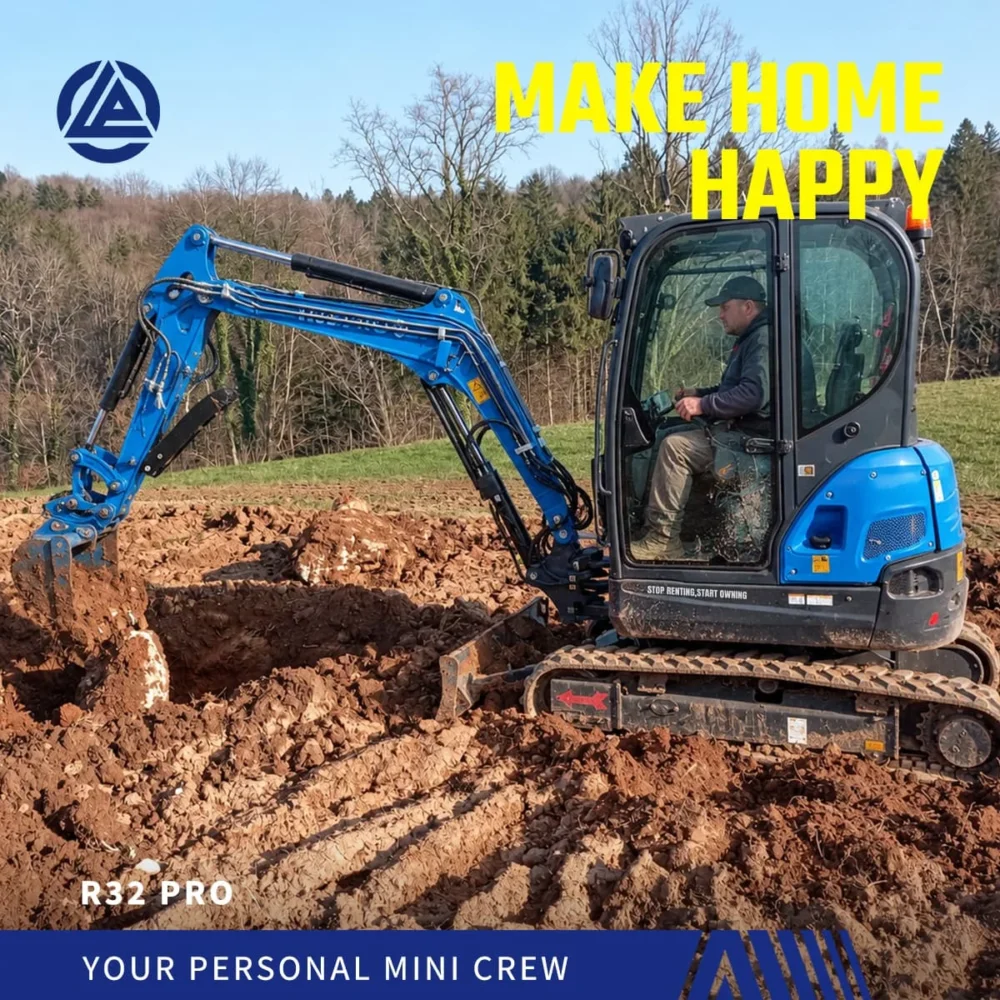
A mini excavator for sale can create financial value through direct project income and savings on equipment expenses.
Owners can use their machines to complete excavation projects for customers, including:
Contractors can charge customers according to project scope, working hours, transportation requirements, and local market rates.
Businesses that frequently require excavation may reduce their dependence on external equipment providers by owning a machine.
This can improve scheduling flexibility and reduce waiting time when equipment is needed for multiple projects.
A mini excavator can perform different tasks when equipped with compatible attachments. This flexibility allows owners to serve more customer requirements without purchasing entirely different machines for every application.
The actual financial benefit depends on local demand, available projects, equipment utilization, and the owner’s ability to manage operating expenses.

The initial mini excavator price directly affects the investment required to start using the equipment. However, the purchase price is only one part of the total ownership cost.
Buyers should consider:
Comparing different mini excavators for sale requires evaluating the complete delivered cost rather than relying only on the manufacturer’s initial quotation.
Regular operating expenses may include fuel, operator wages, lubrication, cleaning, and routine servicing.
These costs should be calculated according to expected working hours and local operating conditions.
Equipment gradually loses value through use, age, and wear. Owners should also account for unexpected repairs, replacement components, and periods when the machine cannot operate.
Understanding these expenses provides a more realistic picture of the financial commitment involved in owning a mini excavator.
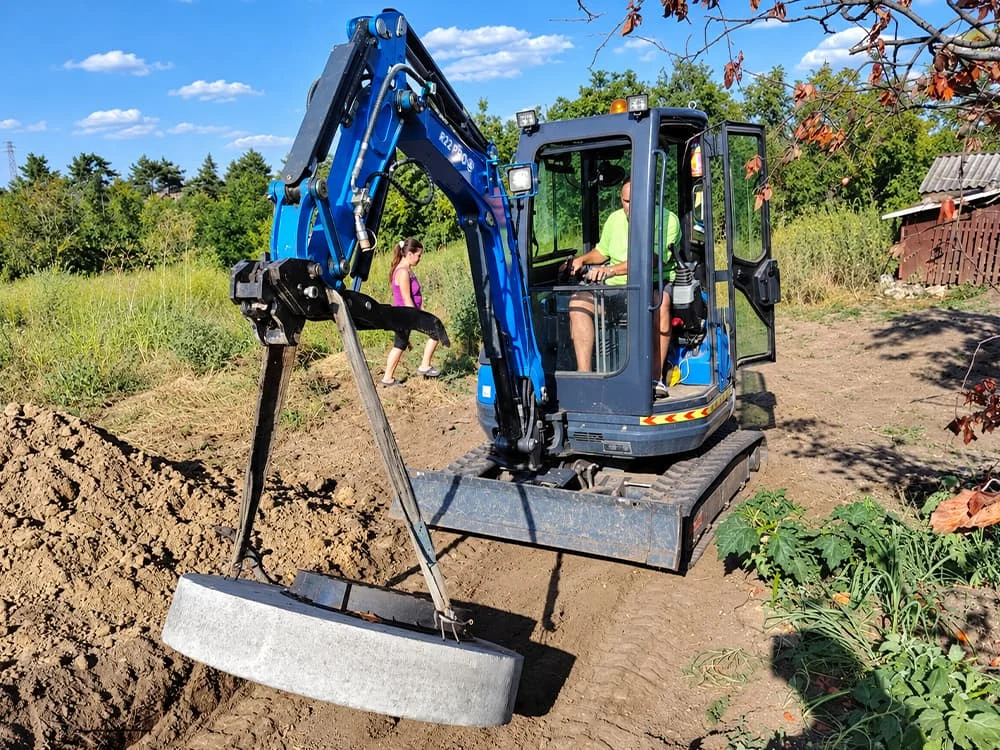
Calculating return on investment helps buyers determine whether purchasing a machine makes financial sense.
First, estimate the income generated by the machine and deduct its operating expenses.
Net Operating Income = Equipment Revenue − Operating Expenses
For businesses using equipment internally, savings from avoiding external equipment costs can also be included in the financial evaluation.
The basic ROI formula is:
ROI = Net Profit ÷ Initial Investment × 100%
For example, assume a machine requires an initial investment of $15,000 and generates $5,000 in annual net profit.
Its annual return on the initial investment would be approximately 33.3%, before considering future changes in equipment value and other financial factors.
This is an illustrative calculation, not a guaranteed return.
The simple payback formula is:
Payback Period = Initial Investment ÷ Average Monthly Net Profit
If the initial investment is $15,000 and monthly net profit is $1,000, the estimated payback period is 15 months.
Actual results depend on working hours, project availability, operating costs, seasonal demand, and unexpected repairs.
When comparing a small excavator for sale, buyers should use realistic local income and expense estimates rather than relying on optimistic sales projections.
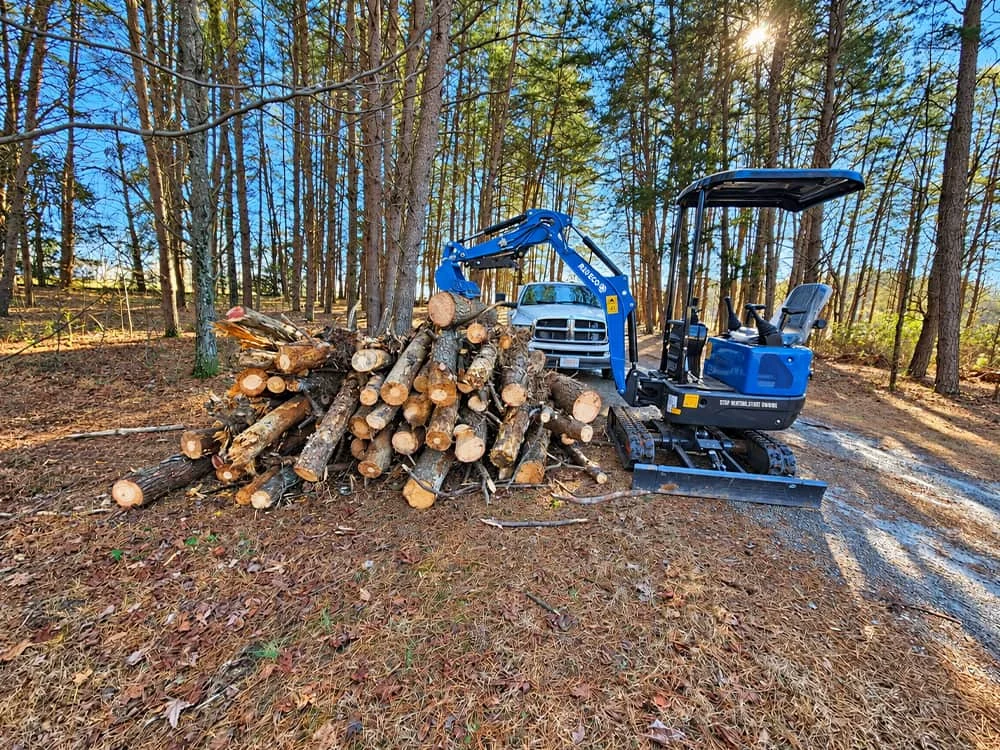
Equipment selection and maintenance directly influence long-term ownership costs. A machine that remains reliable and available for work can provide better financial value over its operating life.
When comparing compact excavators for sale, consider working dimensions, digging capability, operating weight, attachment compatibility, and the types of projects you expect to undertake.
Choosing equipment that is too large or unnecessarily expensive may increase investment costs without generating additional income.
Access to suitable mini excavator parts helps reduce maintenance delays and unexpected downtime.
Common replacement components may include filters, hydraulic hoses, bucket teeth, tracks, and other wear parts. Buyers should consider parts availability and supplier support before purchasing.
Proper mini excavator maintenance helps reduce unexpected breakdowns and maintain equipment performance.
Regular inspections, lubrication, fluid checks, and timely replacement of worn components can help control long-term operating expenses.
For buyers comparing the best chinese mini excavator for the money, the decision should include product quality, purchasing conditions, parts availability, and after-sales support.
A dependable Chinese mini excavator supplier can help buyers establish a more predictable equipment purchasing and maintenance process.
RIPPA welcomes international customers and distribution partners interested in mini excavator sourcing and long-term cooperation. Explore RIPPA distributor opportunities to discuss equipment supply and potential dealership partnerships.
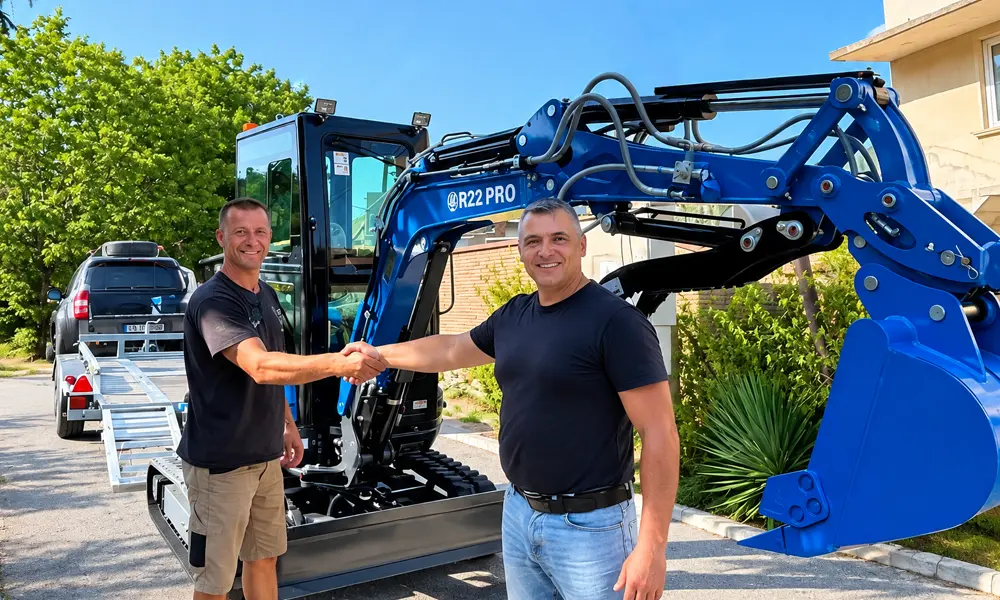
Yes, if the machine is used regularly and generates enough income or project savings to cover its purchase and operating costs.
The payback period depends on initial investment, working hours, project income, and operating expenses. Each buyer should calculate it using local figures.
Equipment utilization, purchase price, fuel expenses, maintenance, parts availability, and local project demand all influence profitability.
Tel: +8615628788742
Correio eletrónico: contact02@rippa.com
WhatsApp: Escavadora Rippa
Endereço: O sexto parque industrial, cidade de Jining, província de Shandong, China

 PT
 EN
 ES
 IT
 FR
 RU
 DE
 TR
 BG
 HR
 RO
 CS
 NN
 SL
 SV
 HU
 SK
 DA
 FI
 PL
 PT_BR

