When exploring mini excavators for sale, safety features are an important consideration for contractors, equipment buyers, and distributors. Mini excavators often work in confined spaces, uneven terrain, and busy construction sites, where tipping, unexpected movements, and limited visibility can create safety risks.
Modern mini excavators may include protective structures, seat belts, hydraulic safety locks, warning systems, and visibility equipment. These features help protect operators and nearby workers during daily operations.
For equipment dealers, understanding these safety systems helps explain machine capabilities, evaluate equipment specifications, and support customer purchasing decisions.
This guide explains the essential mini excavator safety features, how they work, and what buyers should inspect before purchasing.
Mini excavators use several safety features designed to reduce common operating hazards. Each system provides a different type of protection.
Protective Structures
ROPS, TOPS, and falling-object protection systems are designed to protect operators under specified accident conditions. Their availability and certification depend on the machine.
Seat Belts
Seat belts help keep operators within the designated seating area, particularly when used together with suitable protective structures.
Hydraulic Safety Locks
Hydraulic control locks help prevent unintended operation of designated machine controls when entering or leaving the operator’s position.
Warning Systems
Travel alarms and horns help alert nearby workers to potential equipment movements.
Visibility Equipment
Work lights, mirrors, and cameras improve awareness of surrounding obstacles and personnel.
When comparing mini excavators for sale, buyers should check which features are standard, which are optional, and whether relevant safety documentation is available.
These systems improve safety but do not replace proper training or responsible machine operation.
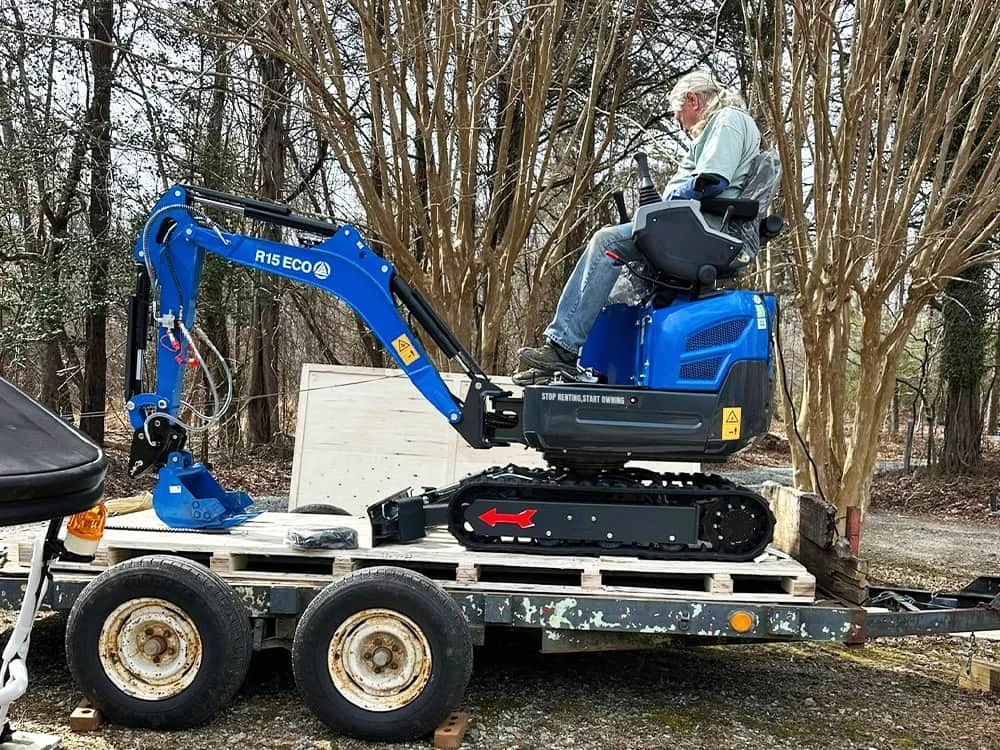
Protective structures play an important role in reducing injury risks during certain tipping, rollover, and falling-object incidents.
When evaluating a mini excavator for sale, buyers should understand the differences between these protection systems.
ROPS – Roll-Over Protective Structure
ROPS helps maintain protective space around the operator during specified rollover conditions. Its purpose is to reduce the risk of crushing injuries, not to prevent the machine from rolling over.
TOPS – Tip-Over Protective Structure
TOPS provides operator protection during specified tipping events. This type of protection is particularly relevant to certain compact excavators working on uneven ground.
FOPS – Falling Object Protective Structure
FOPS protects against specified falling-object hazards. Depending on the applicable standard, excavators may use certified top guards or other protective arrangements.
These three systems address different hazards and their certifications are not interchangeable.
A machine equipped with a cab or canopy does not automatically meet all protective structure standards. Buyers should review applicable test documents and manufacturer specifications.
Protective structures also work best when operators correctly use the required restraint systems.
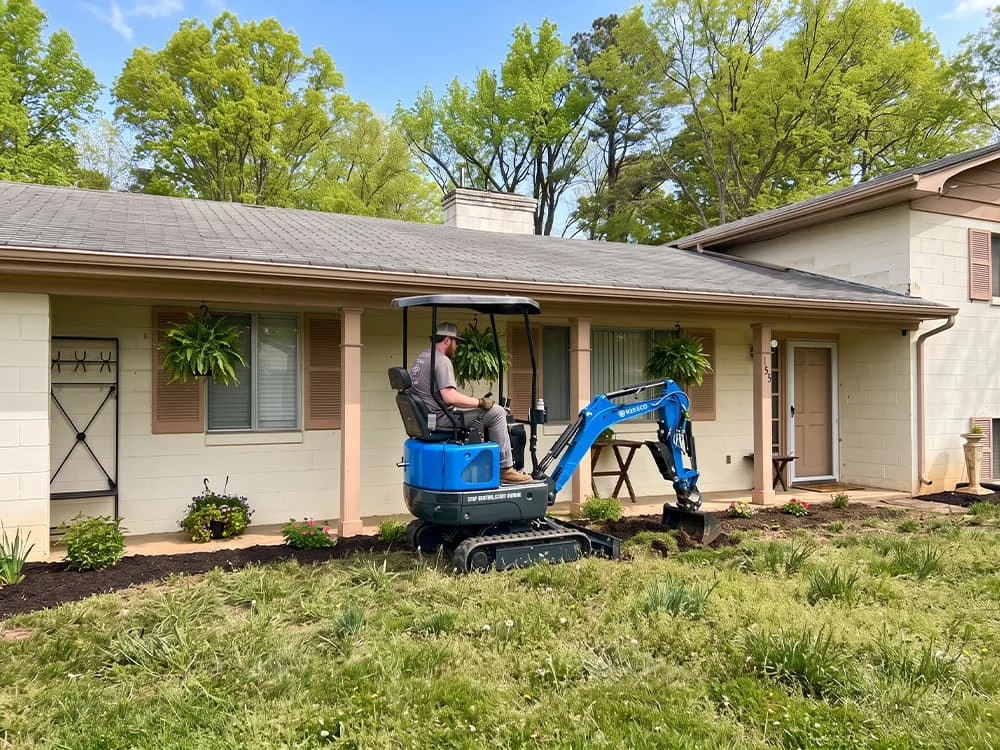
Seat belts and hydraulic safety locks help reduce risks associated with operator movement and unintended equipment activation.
Seat Belt Protection
Seat belts help maintain the operator’s position inside the designated protective area. During certain tipping or rollover incidents, this restraint is especially important.
Operators should regularly inspect seat belt webbing, buckles, and mounting points. Damaged restraint components should be addressed before equipment operation.
Hydraulic Safety Lock Systems
Hydraulic safety locks disable specified hydraulic controls when activated. They help reduce the possibility of accidental boom, arm, bucket, or swing movements.
For example, an operator entering or leaving the machine could accidentally contact a control lever. An appropriately engaged hydraulic safety lock reduces the risk of unintended activation.
However, the exact functions disabled vary between machines. Operators must follow the manufacturer’s instructions rather than assuming the lock isolates every possible movement.
When considering a small excavator for sale, dealers should demonstrate these safety features and explain their correct use to customers.
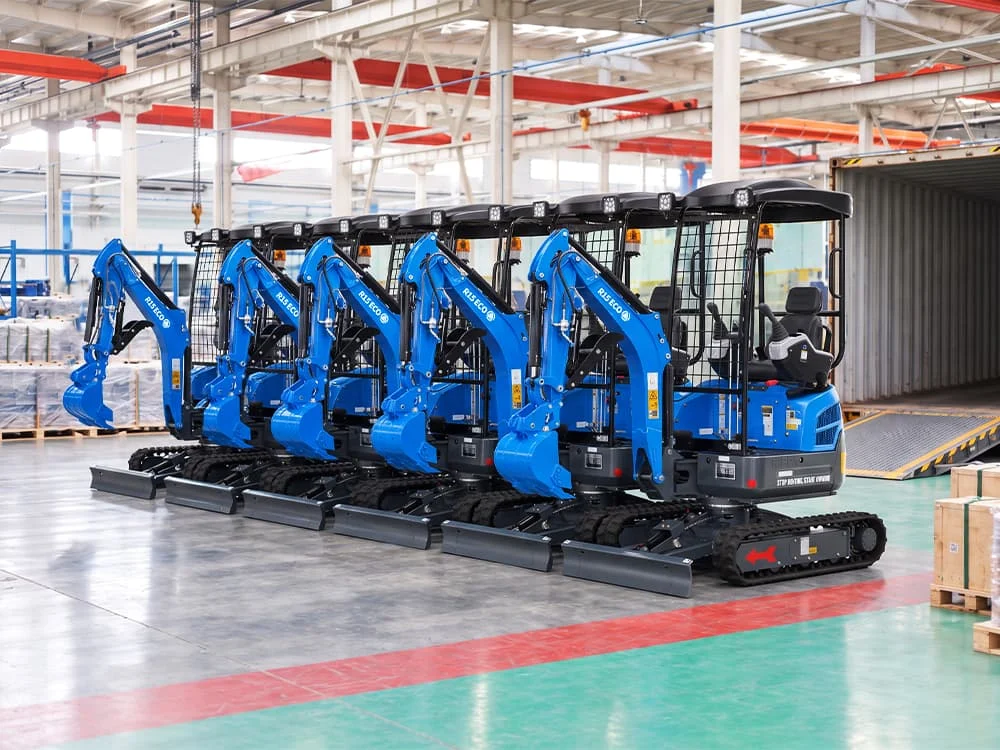
Mini excavators frequently operate near construction workers, vehicles, materials, and other equipment. Warning and visibility systems improve awareness of potential hazards.
Travel Alarms
Travel alarms provide audible warnings when the excavator moves, where fitted. They help nearby workers recognize equipment movement, particularly in busy environments.
Work Lights
Work lights improve visibility during early morning, evening, or other low-light operations. Adequate lighting helps operators identify obstacles and observe the working area.
Mirrors
Rearview and side mirrors provide additional views of areas that may be difficult to observe directly from the operator’s seat.
Camera Systems
Rearview cameras or other visibility systems may help operators monitor restricted areas around the excavator.
However, cameras cannot eliminate every blind spot. Operators must still check their surroundings and follow established worksite safety procedures.
Regular mini excavator maintenance should include checking warning devices, cleaning camera lenses, inspecting mirrors, and confirming that work lights operate correctly.
Damaged or malfunctioning safety equipment should be repaired according to the manufacturer’s instructions.
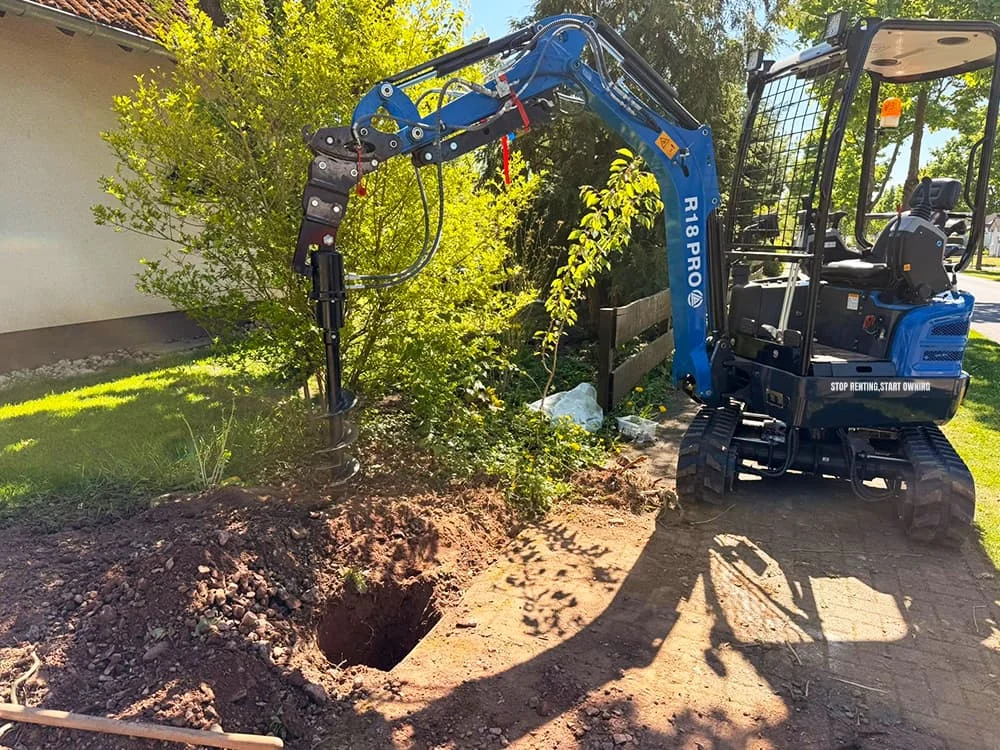
Before purchasing equipment, buyers should verify the installed safety systems and review relevant technical documentation.
A practical mini excavator inspection checklist should cover the following areas.
Inspect the cab or canopy for cracks, deformation, damage, or unauthorized modifications. Confirm applicable ROPS, TOPS, or falling-object protection documentation.
Check the seat belt, buckle, and attachment points. Verify that the restraint operates correctly.
Confirm that the safety lock functions according to the operator’s manual. Never bypass safety mechanisms during inspection.
Test fitted horns, travel alarms, and warning indicators to confirm their proper operation.
Inspect work lights, mirrors, and cameras for damage, obstruction, or malfunction.
Review the operator’s manual, equipment specifications, safety labels, and available conformity documents.
When comparing compact excavators for sale, dealers should also identify which safety systems are standard features and which require additional equipment.
Local regulations and customer applications may influence which safety configurations are appropriate.
RIPPA is a construction machinery manufacturer serving buyers and equipment distribution partners. Businesses exploring mini excavators for sale can contact RIPPA to confirm available safety configurations, relevant technical documentation, and suitability for their target markets.
Companies interested in expanding their construction equipment business can explore RIPPA distributor opportunities to discuss product cooperation, equipment requirements, and potential dealer partnerships.
No. Protective structures and certifications vary by machine and market. Always verify the relevant technical documentation.
It helps reduce accidental activation of designated hydraulic controls, improving safety during appropriate operating procedures.
Operators should perform required pre-use checks and follow the manufacturer’s scheduled inspection and maintenance instructions.
Tel: +8615628788742
E-mail: contact02@rippa.com
WhatsApp: Escavatore Rippa
Indirizzo: Il sesto parco industriale, città di Jining, provincia di Shandong, Cina

 IT
 EN
 ES
 FR
 RU
 DE
 PT
 TR
 BG
 HR
 RO
 CS
 NN
 SL
 SV
 HU
 SK
 DA
 FI
 PL
 PT_BR

