Building an OEM business around mini excavators for sale offers opportunities for importers, equipment dealers, and private-label brands. However, establishing a recognizable brand requires more than placing a logo on construction equipment.
Unauthorized trademark use, inconsistent product quality, counterfeit machinery, and unreliable after-sales services can damage customer trust and weaken brand value.
To protect an OEM mini excavator brand, businesses should establish clear ownership rights, control manufacturer permissions, maintain consistent quality standards, monitor distribution channels, and provide dependable customer support.
The following five strategies explain how overseas equipment businesses can protect their brands while developing long-term manufacturing and distribution relationships.
Trademark ownership is the foundation of OEM brand protection. Without clear rights, businesses may struggle to prevent unauthorized branding or misleading product listings.
Register Trademarks in Relevant Markets
Before launching a private-label mini excavator business, evaluate trademark registration in your target sales markets and relevant manufacturing jurisdictions.
Check whether your proposed brand name, logo, or related marks conflict with existing registrations.
A business advertising a mini excavator for sale under its own brand should understand which trademarks it owns and where those rights apply.
Document Brand Ownership
Maintain clear records of trademark registrations, logo designs, brand guidelines, and ownership agreements.
If external designers or manufacturers develop branding materials, clarify who owns the resulting intellectual property.
Protect Your Brand Identity
Create written guidelines governing equipment logos, packaging, product labels, promotional materials, and approved brand colors.
These guidelines help prevent inconsistent branding across different products and sales channels.
Monitor Potential Trademark Misuse
Regularly review online marketplaces, search results, and distributor websites for suspicious use of your brand.
When possible, retain dated screenshots, website addresses, and other evidence before requesting removal or seeking legal assistance.
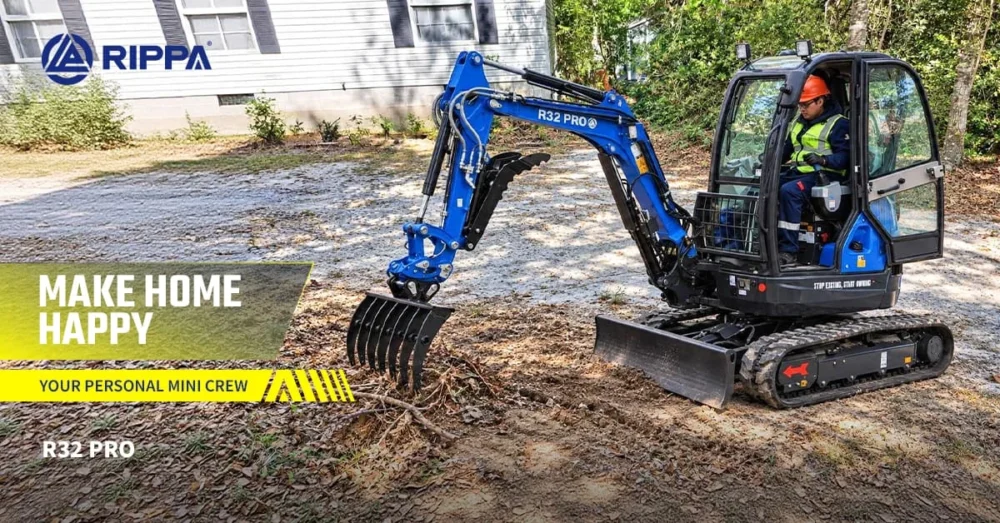
Working with a Chinese mini excavator supplier requires clear boundaries regarding how your brand may be used during manufacturing and distribution.
Define Authorized Brand Usage
Provide written authorization specifying which products may display your trademarks and how the branding materials may be used.
Manufacturing permission should not automatically include permission to sell branded equipment independently or use your trademarks in unrelated advertising.
Approve Branding Materials Before Production
Review proposed logos, equipment decals, labels, manuals, and packaging designs before manufacturing begins.
Maintain approved artwork files so unauthorized changes can be identified.
Control Access to Sensitive Brand Assets
Limit access to confidential designs, marketing files, customer information, and other proprietary materials.
Use appropriate confidentiality and intellectual property agreements when sharing commercially sensitive information.
Monitor Manufacturing and Distribution Activities
Request agreed production records, branding samples, or inspection evidence when appropriate.
Establish a process for reporting unauthorized brand usage and resolving issues before products enter the market.
Clarify Permissions After Cooperation Ends
Written agreements should explain whether the manufacturer may continue using brand materials after the business relationship ends.
Clear termination procedures help prevent future confusion about branding rights.
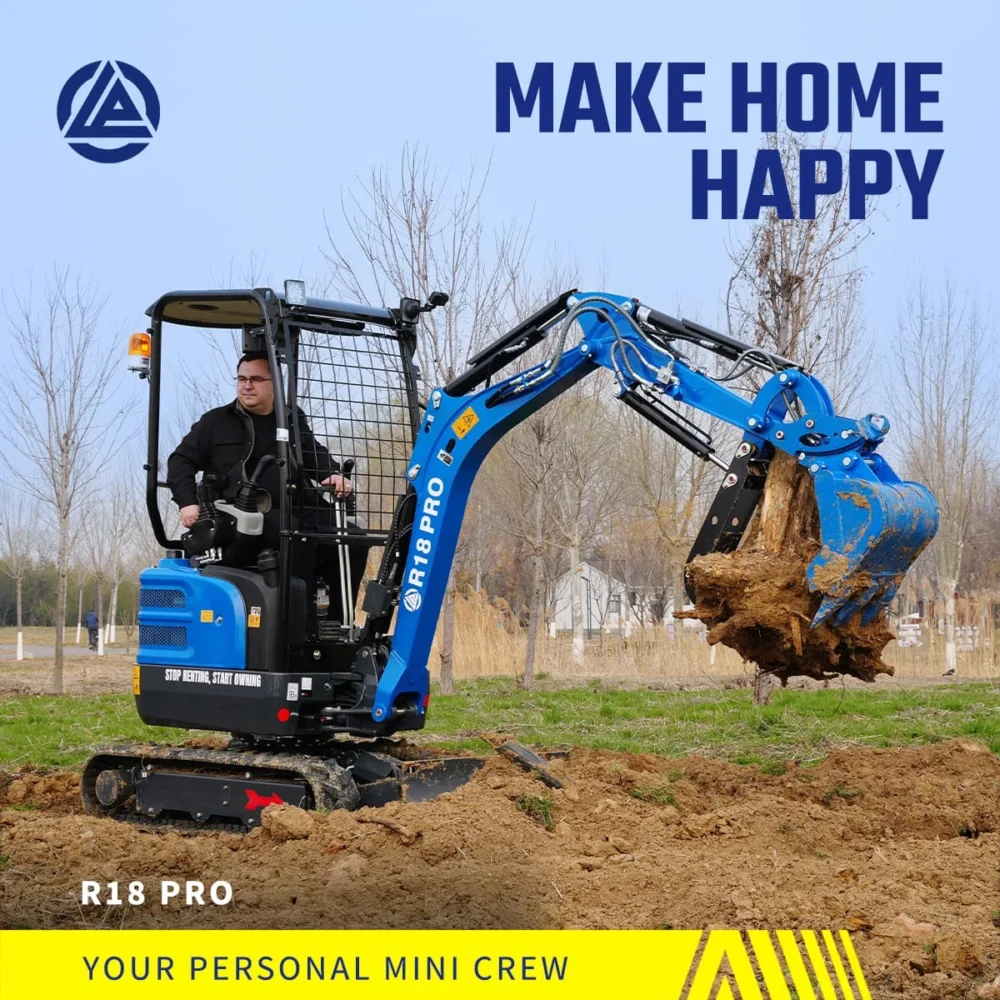
Consistent product quality is essential because customers associate equipment reliability directly with the brand displayed on the machine.
Establish Approved Product Standards
When developing a small excavator for sale under an OEM brand, document the agreed equipment configuration, intended application, and relevant quality requirements.
For businesses marketing compact excavators for sale, consistent specifications across production batches help maintain customer expectations.
Approve Samples and Product Configurations
Review agreed samples, equipment appearance, decals, and packaging before full production.
Any subsequent changes should follow a documented approval process.
Implement Quality Inspection Procedures
Establish inspection requirements covering equipment functions, assembly quality, safety-related components, and approved branding details.
Maintain inspection records that can support quality investigations and corrective actions.
Use Product Identification and Traceability
Where practical, maintain product identification records linking individual machines to production batches and approved specifications.
Traceability helps dealers investigate customer complaints and identify affected equipment when problems arise.
Maintain Consistent Brand Presentation
Use approved logos, product photographs, labels, and promotional descriptions across websites, dealer catalogs, and marketing materials.
Consistent presentation makes genuine equipment easier for customers to recognize.
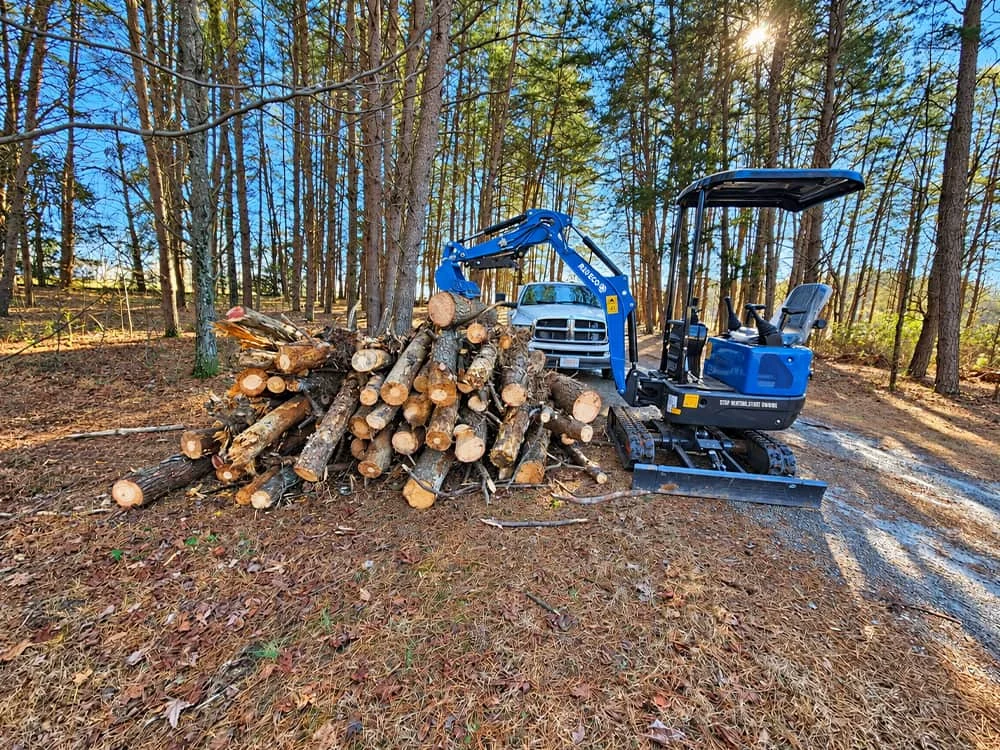
Counterfeit listings and misleading dealer claims can damage brand credibility and create confusion among potential buyers.
Create an Authorized Dealer System
Maintain an accurate list of approved dealers and their authorized sales territories where applicable.
Provide customers with a reliable method to verify whether a seller represents your brand.
Monitor Online Sales Channels
Regularly review search engines, marketplaces, social media pages, and equipment advertising websites.
Look for copied brand images, unauthorized logos, misleading dealership claims, and suspicious product listings.
Investigate Misleading Price Advertisements
An unusually low mini excavator price advertised under your brand may require verification, especially when the seller cannot establish a legitimate supply relationship.
However, price differences alone do not prove counterfeiting or unauthorized activity.
Verify seller identity, product details, and available ownership or authorization evidence before taking action.
Establish a Brand Reporting Process
Provide a contact channel where customers and dealers can report suspected counterfeits or impersonation.
Keep organized records of suspicious listings, communications, and reported incidents.
Use Appropriate Enforcement Measures
Where supported by evidence and applicable law, consider marketplace complaints, trademark enforcement procedures, and professional legal assistance.
Dealer territory and resale policies should also comply with relevant competition and distribution laws.
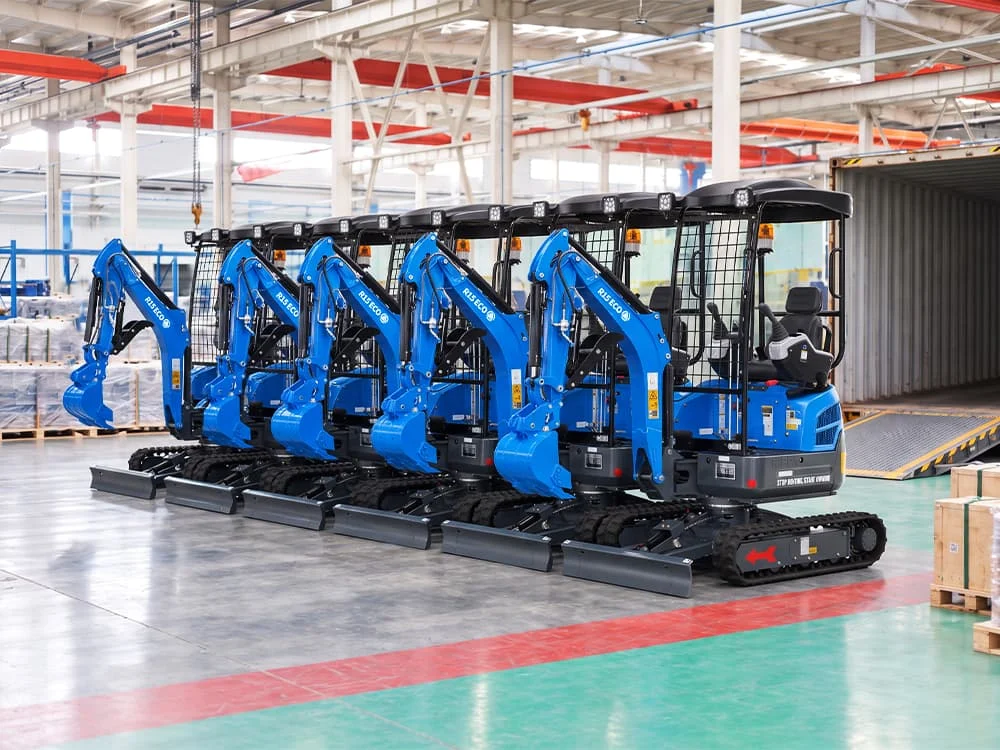
Brand protection continues after the equipment is sold. Customers judge a machinery brand through its reliability, maintenance experience, and response to product issues.
Establish Spare Parts Support Procedures
Access to suitable mini excavator parts helps equipment dealers respond to customer service requests.
Define parts identification methods, ordering procedures, and responsibilities for warranty-related replacements with your manufacturing partner.
Provide Clear Maintenance Information
Accurate mini excavator maintenance instructions help customers understand routine inspections, servicing requirements, and appropriate equipment care.
Dealers should confirm what manuals and technical information will be available for the equipment they distribute.
Develop Consistent Customer Service Standards
Create practical procedures for receiving customer complaints, identifying equipment problems, and communicating service updates.
Clear responsibilities reduce confusion between manufacturers, importers, and local dealers.
Track Quality and Service Feedback
Record recurring maintenance issues, parts requests, and customer feedback.
Review this information with the manufacturer to identify improvement opportunities and reduce repeated problems.
Build Trusted Manufacturing and Distribution Relationships
Long-term brand credibility depends on clear branding rules, agreed quality expectations, and dependable after-sales planning.
RIPPA is a construction machinery manufacturer working with international equipment buyers and potential distribution partners.
Businesses interested in equipment supply and dealership cooperation can explore RIPPA distributor opportunities to discuss purchasing requirements, distribution opportunities, and potential long-term cooperation.
Define authorized trademark usage in writing, maintain ownership records, monitor brand use, and seek appropriate legal remedies when necessary.
Check seller authorization, product identification records, branding consistency, and suspicious listings. Report suspected counterfeits with supporting evidence.
Reliable parts support, clear maintenance guidance, and responsive customer service help maintain trust and protect long-term brand reputation.
Tel: +8615628788742
E-mail: contact02@rippa.com
WhatsApp: Escavatore Rippa
Indirizzo: Il sesto parco industriale, città di Jining, provincia di Shandong, Cina

 IT
 EN
 ES
 FR
 RU
 DE
 PT
 TR
 BG
 HR
 RO
 CS
 NN
 SL
 SV
 HU
 SK
 DA
 FI
 PL
 PT_BR

