Operating a mini excavator requires more than basic machine control. Incorrect digging techniques, poor positioning, and skipped inspections can reduce productivity, damage equipment, and create serious safety risks.
For contractors evaluating mini excavators for sale, understanding common operator mistakes is essential for safe and efficient equipment use. These mistakes can occur before starting the engine, during excavation, while traveling, or when shutting down the machine.
Recognizing incorrect operating habits also helps machinery dealers provide practical guidance and improve customer support.
Many operating problems begin before the machine starts. Skipping basic inspections or ignoring worksite conditions can create avoidable risks.
One common mistake is starting work without checking the machine’s condition.
A mini excavator inspection checklist should cover hydraulic hoses, fluid levels, track condition, bucket teeth, attachment connections, and visible damage.
Operators should also check for leaks or unusual wear. Ignoring these problems may result in equipment failure during excavation.
Operators sometimes begin digging without identifying underground utilities, unstable ground, or nearby obstacles.
Before excavation, confirm the location of underground cables, pipes, and other buried infrastructure through appropriate site procedures.
Check the surrounding area for workers, structures, and overhead hazards.
Another mistake is operating without understanding the machine’s controls, working modes, and attachment requirements.
When evaluating a mini excavator for sale, buyers should ensure operators receive appropriate training and understand the manufacturer’s operating instructions.

Digging mistakes often result from improper bucket positioning, excessive loads, or attempting tasks beyond machine capabilities.
Operators may try to increase productivity by filling the bucket beyond the machine’s rated capacity.
Excessive loads can reduce stability and place unnecessary stress on hydraulic and structural components.
A properly selected bucket and manageable digging loads support more consistent excavation performance.
Forcing the bucket into extremely hard material or using inappropriate digging angles can increase resistance and equipment stress.
Operators should position the machine correctly, use controlled bucket movements, and select suitable digging techniques for the soil conditions.
When using a small excavator for sale, it is particularly important to understand the machine’s digging force and operating limitations.
Digging too close to unstable trench edges can increase the risk of ground collapse or machine instability.
Operators must evaluate ground conditions, maintain safe positioning, and follow applicable excavation protection requirements.
Careful excavation planning helps reduce unnecessary movements and improve working efficiency.
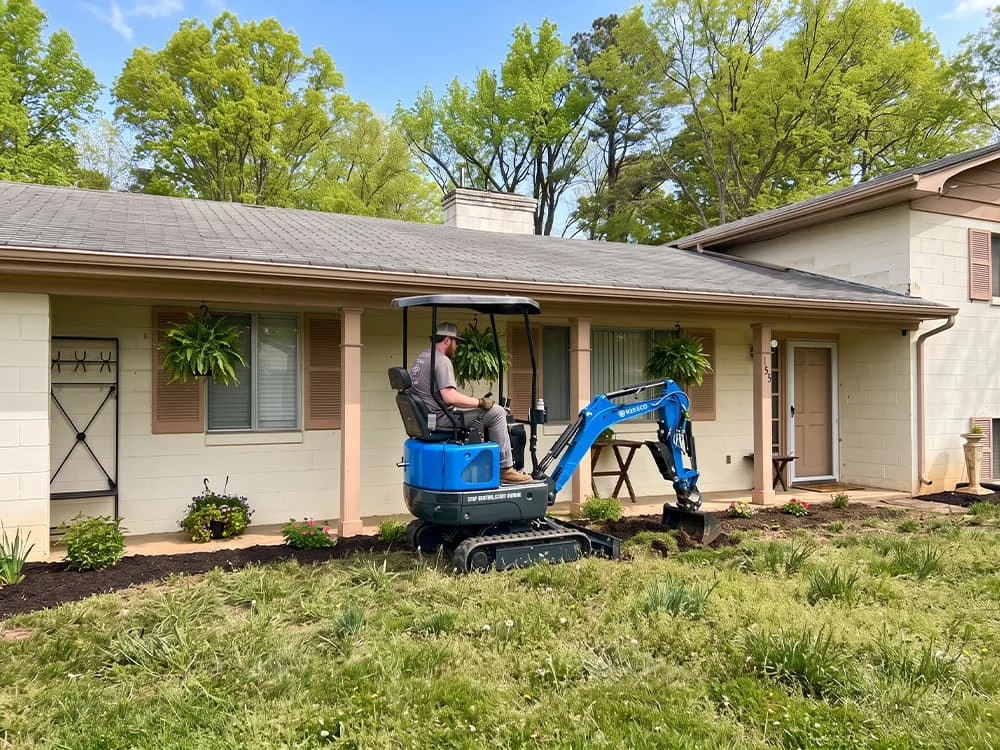
Slopes and uneven ground introduce additional stability challenges. Incorrect machine positioning can increase the likelihood of sliding or overturning.
A common mistake is assuming that compact equipment can operate safely on any slope.
Actual operating limits depend on machine configuration, ground conditions, attachments, and manufacturer instructions.
Operators should never exceed the machine’s specified slope limitations.
Sudden turning or unnecessary movement on loose, wet, or uneven surfaces can reduce track traction.
Before moving, assess the ground’s ability to support the machine and select a stable travel route.
Improper attachment positioning can affect machine balance, particularly on uneven terrain.
Operators should follow manufacturer guidance for boom position, travel configuration, and working orientation.
Buyers comparing compact excavators for sale should consider stability characteristics and the operating requirements of their intended worksites.
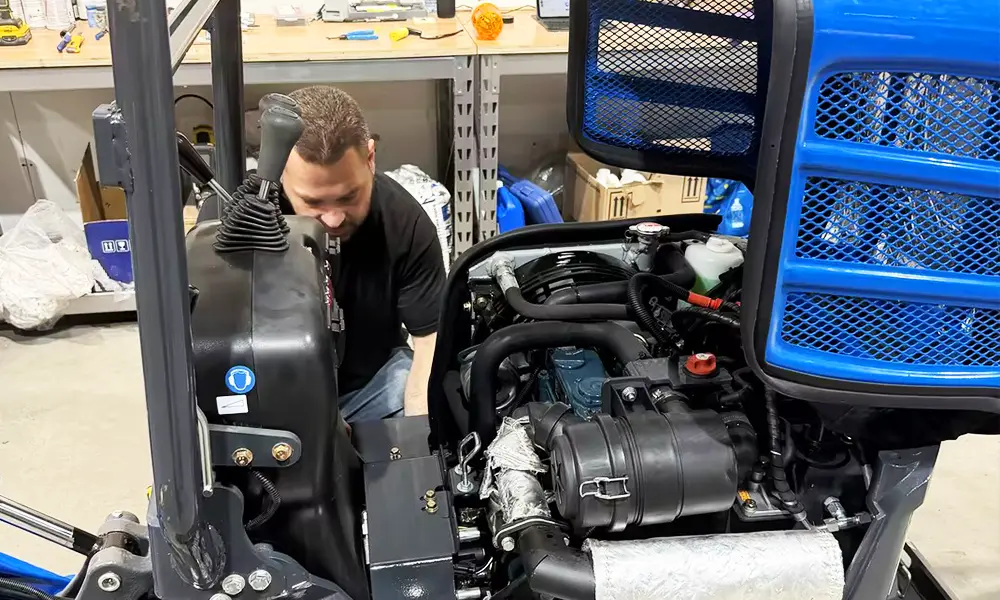
Traveling and turning errors can cause unnecessary track wear, poor maneuverability, and dangerous contact with nearby objects.
Rapid or aggressive turns may increase track wear and create unnecessary stress on undercarriage components.
Operators should adjust travel speed to ground conditions and avoid sudden directional changes.
Depending on undercarriage orientation, the travel controls may produce movement opposite to what an inexperienced operator expects.
Before traveling, confirm track direction, machine orientation, and the intended movement.
This is particularly important when working near obstacles or within confined areas.
Operators sometimes move equipment without checking blind spots, nearby workers, or overhead obstacles.
Maintain clear visibility, use an appropriate spotter when necessary, and stop if the travel path cannot be confirmed safe.
Incorrect travel practices may accelerate wear on mini excavator parts, especially tracks, rollers, and related undercarriage components.
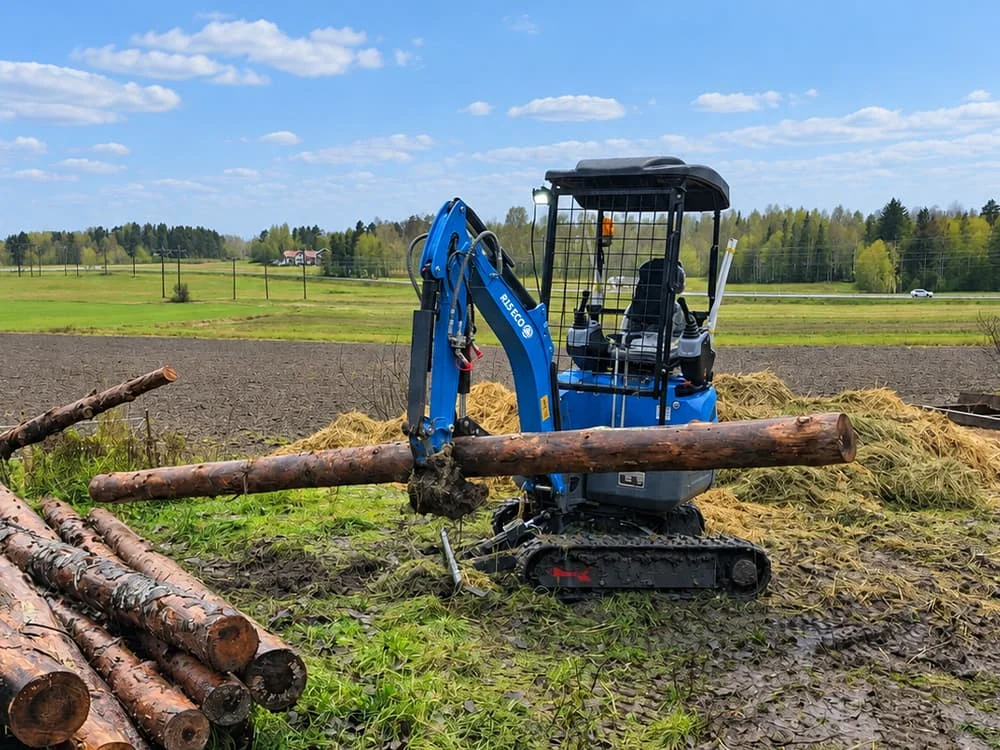
Operating mistakes also occur when equipment is parked, inspected, or prepared for the next working day.
Skipping routine mini excavator maintenance can allow minor problems to develop into more serious failures.
Operators should follow the manufacturer’s mini excavator maintenance schedule, including required fluid checks, filter servicing, lubrication, and undercarriage inspections.
Maintenance requirements may vary according to working conditions and equipment usage.
Ignoring mini excavator operating hours can cause scheduled servicing to be overlooked.
Accurate records help equipment owners plan maintenance activities, monitor machine usage, and identify unusual operating patterns.
Some operators leave attachments raised, park on unsuitable ground, or shut down equipment without following the required procedure.
Before leaving the machine, follow the manufacturer’s parking and shutdown instructions, lower attachments safely, and secure the equipment.
Equipment dealers should help customers understand operating limitations, inspection requirements, and appropriate servicing procedures.
For international dealers, reliable technical documentation and customer guidance are important parts of equipment distribution.
RIPPA is a construction machinery manufacturer serving international buyers and potential distribution partners.
Interested in supplying mini excavators and supporting customers in your market? Explore RIPPA distributor opportunities to discuss equipment sourcing, operator guidance, and potential dealership cooperation.
Skipping pre-operation inspections and ignoring machine limits are common mistakes that can increase equipment damage and safety risks.
Yes. Excessive loading, aggressive turning, and improper attachment use can accelerate wear or damage machine components.
Complete appropriate training, follow manufacturer instructions, inspect equipment before use, and operate within rated limits.
Tel: +8615628788742
E-mail: contact02@rippa.com
WhatsApp: Rippa kotrógép
Cím: Jining város, Shandong tartomány, Kína

 HU
 EN
 ES
 IT
 FR
 RU
 DE
 PT
 TR
 BG
 HR
 RO
 CS
 NN
 SL
 SV
 SK
 DA
 FI
 PL
 PT_BR

