Fuel consumption is an important consideration for contractors, equipment dealers, and machinery importers. When evaluating mini excavators for sale, buyers need to understand how much fuel a machine consumes and how efficiently it completes excavation tasks.
Fuel efficiency depends on engine performance, hydraulic demand, operating conditions, and operator behavior. Two excavators may consume different amounts of fuel while completing the same job.
Understanding these differences helps contractors manage fuel usage and allows dealers to recommend suitable equipment based on customer requirements.
Mini excavator fuel consumption is commonly measured in liters per hour (L/h) or gallons per hour (gal/h). Actual consumption varies according to machine size, engine load, and working conditions.
Smaller excavators generally have lower total fuel demand than larger machines, although fuel consumption depends on engine efficiency and workload.
Light grading, moderate digging, and heavy excavation place different demands on the engine and hydraulic system. Therefore, a single fuel consumption figure cannot represent every operating condition.
Contractors can calculate average fuel consumption using a simple method:
Hourly Fuel Consumption = Fuel Used ÷ Operating Hours
For example, if an excavator consumes 12 liters during 6 operating hours, its average consumption is 2 L/h.
This is an illustrative calculation, not a specification for any particular machine.
Recording mini excavator operating hours alongside fuel usage provides more reliable information about actual equipment performance.
Manufacturer test conditions may differ from real construction environments. Soil resistance, attachment selection, idle time, and operator experience can all change fuel usage.
For accurate comparisons, record fuel consumption during similar working conditions.

Several operating and environmental factors influence how much fuel a mini excavator uses.
Higher engine loads generally require more fuel. Heavy digging, repeated lifting, and demanding hydraulic operations can increase fuel consumption.
Operating at unnecessarily high engine speeds may also waste fuel when the task requires limited power.
Soft soil usually requires less digging effort than heavily compacted clay or rocky material.
Hard ground increases bucket resistance and hydraulic demand, potentially raising fuel consumption and extending excavation time.
Operators should select suitable digging methods and attachments according to soil conditions.
Excessive idling consumes fuel without producing useful excavation work.
Unnecessary machine movements, repeated bucket repositioning, and inefficient digging sequences can further reduce fuel efficiency.
Planning excavation routes and reducing avoidable movements helps improve productivity.
Different attachments create different hydraulic loads. Oversized buckets or incompatible hydraulic tools may reduce efficiency and place unnecessary strain on the machine.
Always confirm attachment compatibility and operating limits.
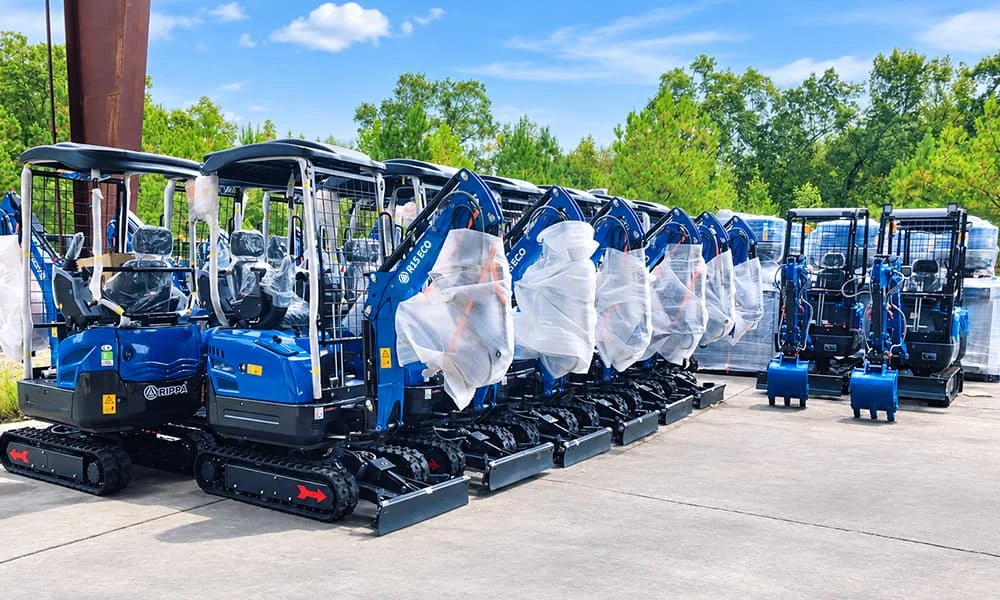
Fuel efficiency should be measured by considering both fuel consumption and the amount of productive work completed.
Hourly fuel consumption shows how much fuel a machine uses during operation.
However, lower hourly consumption does not automatically mean better efficiency if the machine completes significantly less work.
For earthmoving projects, contractors can compare fuel consumption with the volume of material excavated.
Fuel Efficiency Measurement = Fuel Used ÷ Excavated Volume
For example, an excavator using 10 liters to move 20 cubic meters of material consumes 0.5 L/m³.
This calculation helps compare machines performing similar excavation tasks.
Trenching, grading, and bulk soil removal require different operating patterns.
Trenching may involve repeated precision movements, while bulk excavation often requires continuous digging and material handling.
To evaluate efficiency accurately, compare machines performing similar tasks under comparable soil conditions.
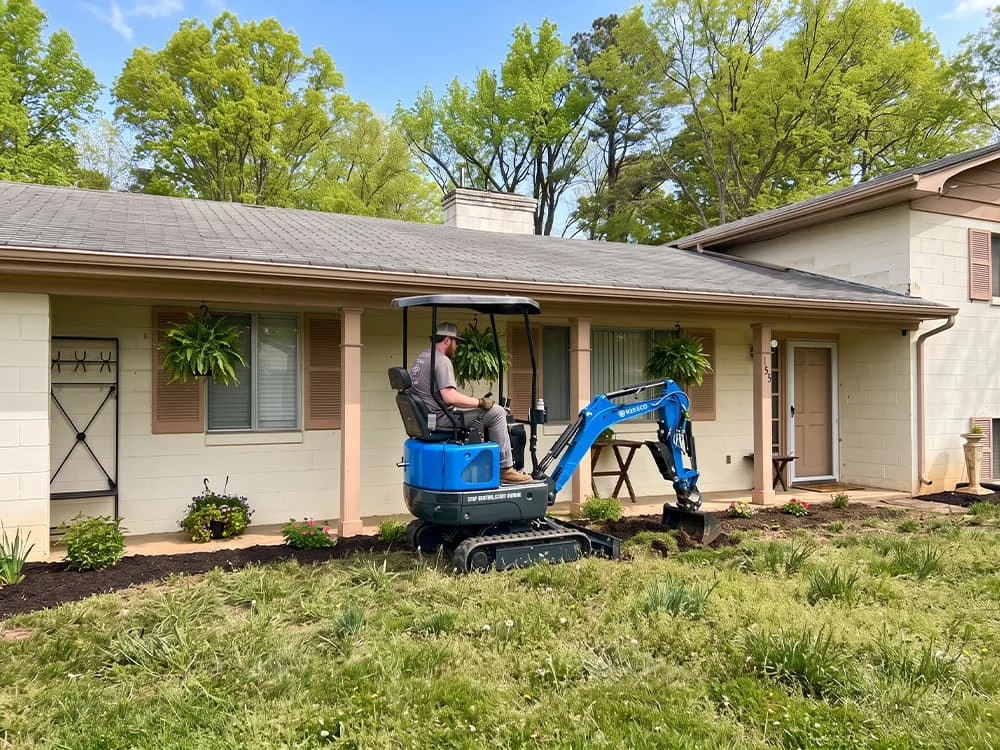
Reducing fuel consumption requires efficient operating habits, suitable equipment configuration, and regular servicing.
Avoid extended idle periods when the machine is not performing useful work.
Follow manufacturer instructions when shutting down or restarting equipment, particularly after demanding operations.
Plan excavation sequences before starting work. Use appropriate bucket loads, minimize unnecessary travel, and avoid repeatedly repositioning the machine.
Matching engine speed to the required workload can improve fuel efficiency without sacrificing productivity.
Regular mini excavator maintenance helps equipment operate as intended.
Inspect air filters, engine components, hydraulic connections, and fluid levels according to manufacturer recommendations.
Restricted airflow, hydraulic leaks, and poorly maintained components may contribute to inefficient operation.
A consistent mini excavator maintenance schedule should include routine inspections, fluid servicing, filter replacement, and undercarriage checks.
Maintenance intervals must follow the manufacturer’s instructions and reflect actual operating conditions.
Keeping accurate service records helps identify changes in fuel consumption and equipment performance.

Equipment buyers should compare fuel performance under similar working conditions rather than relying only on advertised figures.
When considering a mini excavator for sale, review engine specifications, operating weight, hydraulic capabilities, and intended applications.
A small excavator for sale may consume less fuel overall, but a machine with greater productivity could be more efficient for demanding projects.
Buyers comparing compact excavators for sale should consider fuel consumption alongside digging performance and completed work.
The mini excavator price is only one factor in equipment purchasing decisions.
Fuel consumption, machine productivity, servicing requirements, and parts availability also influence long-term value.
Dealers should help customers compare equipment under realistic working conditions.
Reliable technical information is important when comparing equipment performance.
For international dealers seeking a Chinese mini excavator supplier, useful considerations include verified machine specifications, operating guidance, replacement parts, and technical support.
RIPPA is a construction machinery manufacturer serving international buyers and potential distribution partners.
Interested in supplying mini excavators to contractors in your market? Explore RIPPA distributor opportunities to discuss equipment specifications, purchasing requirements, and potential dealership cooperation.
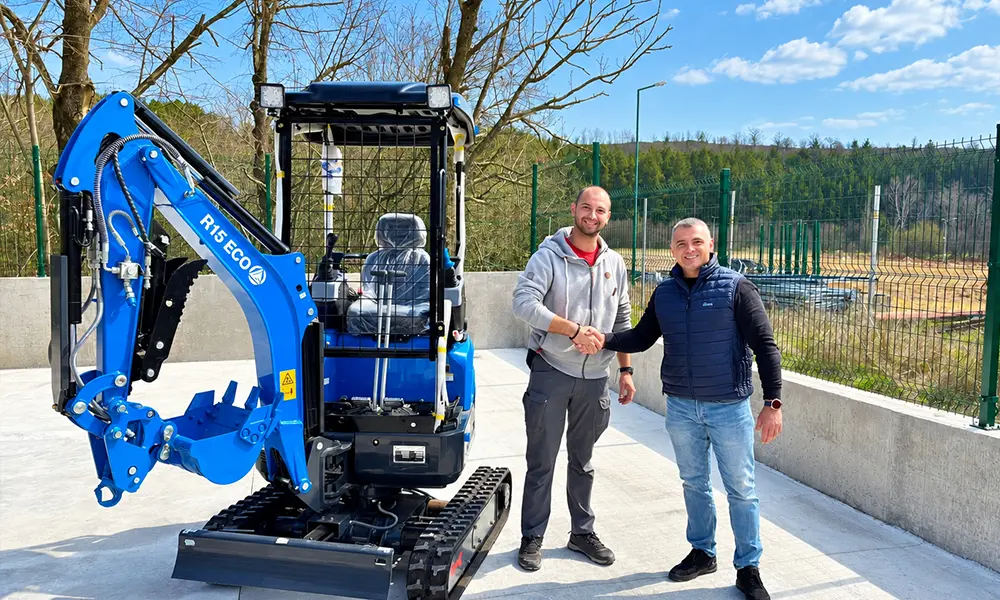
Consumption varies by machine size, engine load, and working conditions. Actual hourly usage should be measured during operation.
Yes. Idling consumes fuel without completing productive excavation work, reducing overall efficiency.
Reduce unnecessary idling, use suitable attachments, plan efficient digging movements, and follow recommended maintenance procedures.
Tel: +8615628788742
E-mail: contact02@rippa.com
WhatsApp: Rippa kotrógép
Cím: Jining város, Shandong tartomány, Kína

 HU
 EN
 ES
 IT
 FR
 RU
 DE
 PT
 TR
 BG
 HR
 RO
 CS
 NN
 SL
 SV
 SK
 DA
 FI
 PL
 PT_BR

