Is 5,000 hours a lot for a mini excavator? Yes, it represents substantial operating time, but it does not automatically mean the machine has reached the end of its service life. Maintenance history, operating conditions, workload, and component wear all influence whether an excavator can continue working reliably.
For equipment dealers and machinery distributors, understanding operating hours is essential when evaluating equipment condition, advising customers, and managing inventory. A practical approach to mini excavator maintenance helps buyers assess long-term value instead of judging a machine by its hour meter alone.
A mini excavator with 5,000 operating hours has seen considerable use. However, there is no universal hour limit that determines when a machine becomes unsuitable for work. Two excavators with identical operating hours may have very different conditions because of differences in maintenance, operator habits, and jobsite environments.
For example, a machine that receives regular servicing and operates under suitable conditions may remain productive after 5,000 hours. Another machine exposed to heavy workloads, poor maintenance, or repeated overheating may develop problems much earlier.
When evaluating a mini excavator for sale, dealers should review service records, inspect major components, and check for signs of leakage, abnormal noise, structural damage, or excessive wear. Operating hours provide useful context, but a thorough assessment offers a more reliable picture of the machine’s condition.
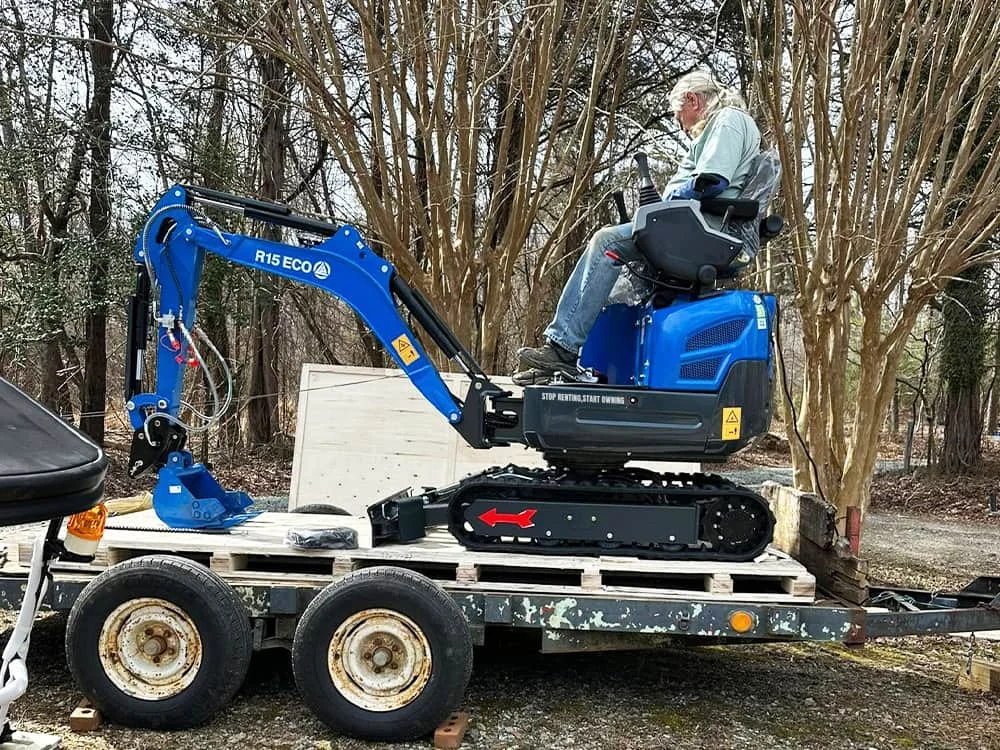
Several factors influence whether a mini excavator can continue operating beyond 5,000 hours. Maintenance quality is important, but it is only one part of the overall picture.
Consistent servicing helps identify wear before it develops into more serious mechanical problems. Engine oil, filters, hydraulic fluids, and other service items should be maintained according to the manufacturer’s recommendations. Repair records can also reveal whether recurring problems have been addressed properly.
Experienced operators who follow operating guidelines can help reduce unnecessary strain on machine components. Working on abrasive ground, handling demanding workloads, or operating in dusty environments may increase wear and maintenance requirements.
The condition of the engine, hydraulic system, tracks, undercarriage, and structural components affects continued operation. Access to appropriate replacement parts and qualified technical support can also influence how quickly a machine can return to work after repairs.
For dealers comparing compact excavators for sale, evaluating these factors consistently helps reduce purchasing risks and improves the quality of recommendations made to customers.
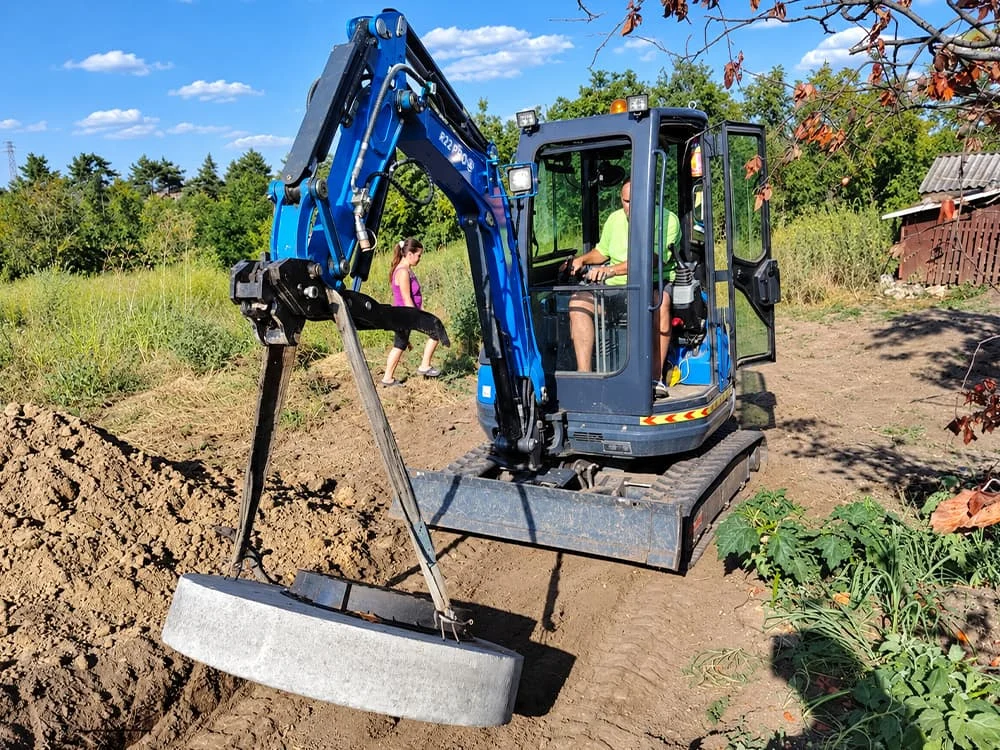
Mini excavator maintenance around 5,000 hours should be based on the manufacturer’s service schedule, the machine’s operating history, and the results of a detailed inspection. This milestone is a useful opportunity to review major systems and identify maintenance that may be overdue.
A practical mini excavator inspection checklist should include the following areas:
Not every machine requires the same repairs at 5,000 hours. Inspection results should determine the next steps rather than an arbitrary replacement schedule. Keeping clear service documentation also helps dealers explain maintenance needs and expected ownership costs to customers.
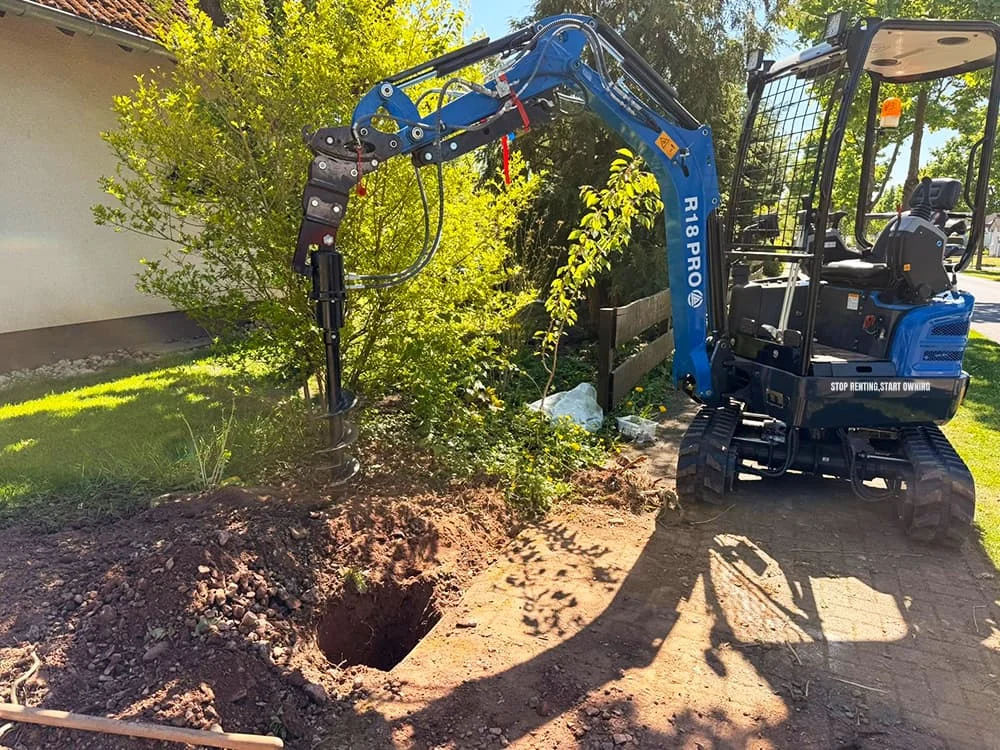
A mini excavator with 5,000 hours may still be suitable for work, but the decision should depend on its condition, repair needs, and intended application. Buyers should avoid making purchasing decisions based solely on the hour meter or advertised price.
When evaluating a small excavator for sale, review its maintenance history, inspect major components, and estimate any immediate repair costs. If records are incomplete or significant wear is suspected, an independent mechanical inspection may help identify potential risks before purchase.
Mini excavator price should also be considered alongside transportation, maintenance, replacement parts, and possible downtime. For equipment dealers, profitability depends on more than the acquisition cost. Local demand, inventory turnover, expected sales margins, and the ability to provide ongoing customer support all matter.
Dealers sourcing new mini excavators for sale may also want to evaluate manufacturers based on product range, parts availability, technical communication, and distribution support. A reliable supply relationship can help businesses serve customers consistently and develop repeat sales.
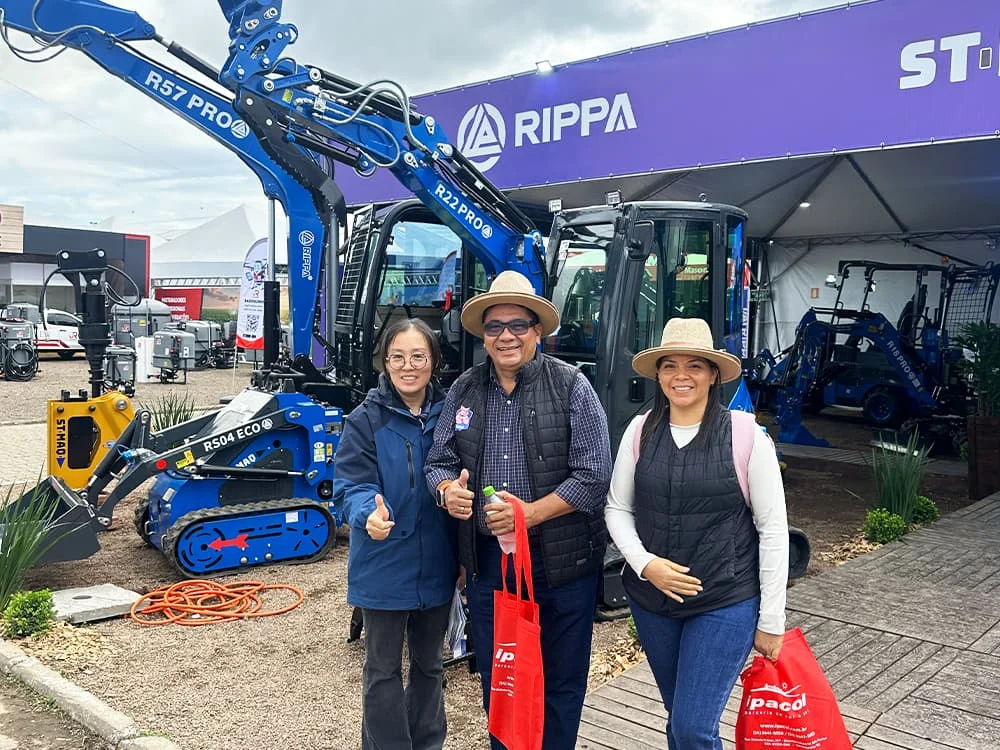
RIPPA Group manufactures compact construction equipment for international markets. Dealers interested in adding new machines to their product range can explore RIPPA mini excavator models and review RIPPA dealer opportunities to learn more about potential cooperation.
Yes, it is substantial use. However, maintenance records, working conditions, and current component condition determine whether the machine remains suitable for work.
Yes. Some machines continue operating beyond 5,000 hours with appropriate maintenance and repairs. Actual service life varies by machine and workload.
Not necessarily. Review its service history, inspect major components, and compare the price with its condition and likely repair costs before
Tel: +8615628788742
E-pošta: contact02@rippa.com
WhatsApp: Rippa Excavator
Adresa: Šesti industrijski park, grad Jining, pokrajina Shandong, Kina

 HR
HR  EN
EN  ES
ES  IT
IT  FR
FR  RU
RU  DE
DE  PT
PT  TR
TR  BG
BG  RO
RO  CS
CS  NN
NN  SL
SL  SV
SV  HU
HU  SK
SK  DA
DA  FI
FI  PL
PL  PT_BR
PT_BR 
