Becoming a mini excavator dealer starts with researching your local market, choosing a reliable equipment manufacturer, developing a business plan, and establishing a sales and service process. New dealers should also evaluate startup costs, parts availability, delivery arrangements, and the level of support offered by potential suppliers before committing to a dealership.
For entrepreneurs, equipment distributors, and established machinery businesses, the mini excavator market can provide an opportunity to serve landscaping contractors, construction companies, agricultural businesses, and property development professionals.
Before contacting manufacturers, identify the customers most likely to purchase mini excavators in your region. Different customer groups have different equipment requirements, purchasing habits, and expectations for after-sales support.
Potential customer segments include:
Study local competitors, equipment dealerships, customer reviews, and the product categories available in your area. Look for underserved customer groups rather than assuming every market needs another general equipment supplier.
You should also determine whether customers prefer purchasing from a nearby dealer, ordering directly from a manufacturer, or working with a distributor that maintains local inventory.
Your manufacturer is one of the most important business partners you will have. Product quality, production consistency, communication, parts supply, and technical documentation all influence your ability to serve customers.
When evaluating a mini excavator manufacturer, consider the following factors:
Request written information instead of relying entirely on verbal promises. Before making a substantial order, review product documentation and clarify all commercial terms.
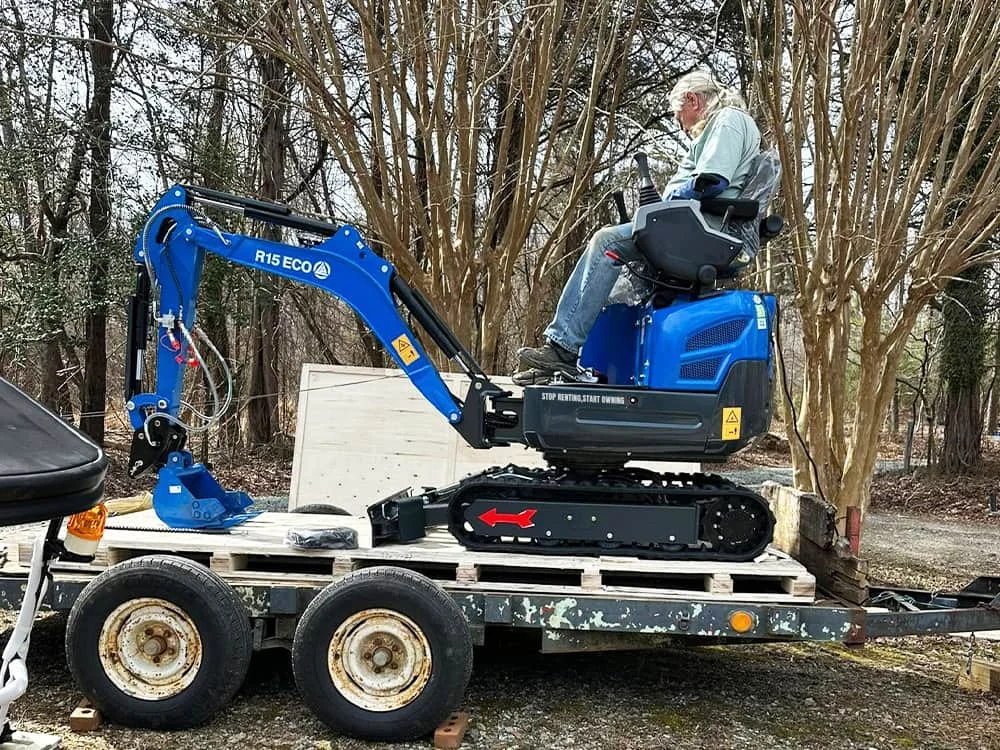
A dealership business plan should explain how you will acquire customers, manage inventory, generate revenue, and provide support after each sale.
Start by estimating your initial investment. Depending on your business model, expenses may include:
Create several financial scenarios based on different sales volumes and operating expenses. Do not assume that the difference between the factory price and retail price represents your net profit. Freight, financing, preparation, marketing, warranty obligations, and overhead can substantially affect actual returns.
Business and equipment requirements vary by state and country. Before accepting orders, confirm the registrations, permits, taxes, import procedures, and product compliance obligations that apply to your operation.
For imported equipment, check applicable customs classifications, duties, documentation, emissions rules, safety requirements, and other relevant standards. Requirements may differ according to machine configuration, engine, intended application, and destination.
Consult qualified customs professionals and relevant authorities when necessary. Ask your supplier to provide accurate technical and shipping documentation, but independently verify that the equipment can legally be imported and sold in your target market.
A new dealership does not necessarily need to begin with a large inventory. Your purchasing strategy should reflect customer demand, available capital, delivery times, and the supplier’s fulfillment capabilities.
Three common approaches are:
Stock-based sales: Purchase machines in advance and maintain inventory for customers who need faster delivery.
Order-based sales: Confirm customer requirements before placing an order with the manufacturer. This can reduce inventory exposure but requires clear delivery expectations.
Hybrid distribution: Maintain selected popular products while ordering less common configurations according to demand.
Compare the financial implications of each model. Also confirm where machines will be stored, who is responsible for unloading and inspection, and how damaged shipments or delivery delays will be handled.
A successful mini excavator dealership needs a consistent way to attract qualified buyers. A professional website can help customers compare products, understand purchasing options, and submit inquiries.
Useful marketing activities include:
Focus on qualified business inquiries rather than website traffic alone. Track lead quality, quotation requests, sales conversion, and the sources that generate actual customers.
After-sales service is an essential part of equipment distribution. Buyers want to know what happens if a machine needs maintenance, replacement parts, or technical assistance after delivery.
Before opening your dealership, establish a process for handling customer questions, parts orders, maintenance guidance, and warranty requests. Determine which services your team can provide locally and which issues require manufacturer assistance.
Keep accurate records of machine serial numbers, sales dates, parts orders, and customer communications. Reliable follow-up can help build repeat business and long-term customer relationships.
Once your business plan and target market are clear, contact manufacturers or their international sales teams.
Prepare a dealership application package containing:
Ask the manufacturer about dealer pricing, payment terms, minimum orders, territory rights, training, marketing resources, and service responsibilities.
Review the proposed agreement carefully before signing. Confirm how exclusivity works, whether sales targets apply, and what conditions could terminate the partnership.
There is no universal startup figure. Investment depends on inventory size, freight, premises, staffing, marketing, service capabilities, and payment terms. Prepare a detailed budget using actual supplier quotations and local operating costs.
Not always. Some dealers maintain physical inventory, while others operate through an order-based model. Your approach should reflect customer expectations, delivery arrangements, and the manufacturer’s capabilities.
Research manufacturers with relevant product ranges, documented quality procedures, international sales experience, parts support, and clear dealer application processes. Compare multiple suppliers before making a commitment.
Review pricing, payment terms, territory rights, minimum orders, delivery responsibilities, warranty procedures, marketing permissions, and termination conditions. Seek qualified legal advice when appropriate.
Becoming a mini excavator dealer requires more than finding equipment at a competitive price. Long-term performance depends on choosing a suitable manufacturer, understanding local demand, managing working capital, and providing dependable customer support.
Prepare your business plan, compare supplier proposals, and define your sales territory before placing your first order. A structured approach gives your dealership a stronger foundation for sustainable growth.
Tel: +8615628788742
E-pošta: contact02@rippa.com
WhatsApp: Rippa Excavator
Adresa: Šesti industrijski park, grad Jining, pokrajina Shandong, Kina

 HR
HR  EN
EN  ES
ES  IT
IT  FR
FR  RU
RU  DE
DE  PT
PT  TR
TR  BG
BG  RO
RO  CS
CS  NN
NN  SL
SL  SV
SV  HU
HU  SK
SK  DA
DA  FI
FI  PL
PL  PT_BR
PT_BR 
