OEM manufacturing allows equipment businesses to develop and sell mini-pelles under their own brands through an established manufacturing partner. This approach can support product customization, equipment sourcing, and brand development without requiring a company to build its own factory.
For distributors exploring mini excavators for sale, understanding OEM manufacturing is important before starting a private-label equipment project.
The process involves technical specifications, design responsibilities, component selection, production, quality inspection, and delivery arrangements.
This guide explains how mini excavator OEM manufacturing works, how it differs from ODM, what can be customized, and how equipment quality is evaluated.
OEM stands for Original Equipment Manufacturer. In equipment manufacturing, it generally describes an arrangement in which a manufacturer produces machinery according to agreed specifications for another company’s brand.
How OEM Cooperation Works
The brand owner and manufacturing partner establish product requirements, technical responsibilities, branding details, and production conditions.
Depending on the agreement, the brand owner may provide designs or select an existing machine platform for approved modifications.
The manufacturer then produces equipment according to the agreed technical specifications and quality requirements.
Responsibilities of Both Parties
The manufacturing partner typically handles production operations, component sourcing, assembly, and factory inspections.
The brand owner usually manages product positioning, customer relationships, sales channels, and branding. Exact responsibilities depend on the contract.
Why Businesses Use OEM Manufacturing
OEM cooperation can help businesses expand their product offerings while avoiding the investment required to establish an independent manufacturing facility.
For distributors researching mini excavators for sale, OEM manufacturing offers a possible route to developing branded equipment for specific markets.
However, successful projects require clear specifications, documented responsibilities, and consistent quality expectations.
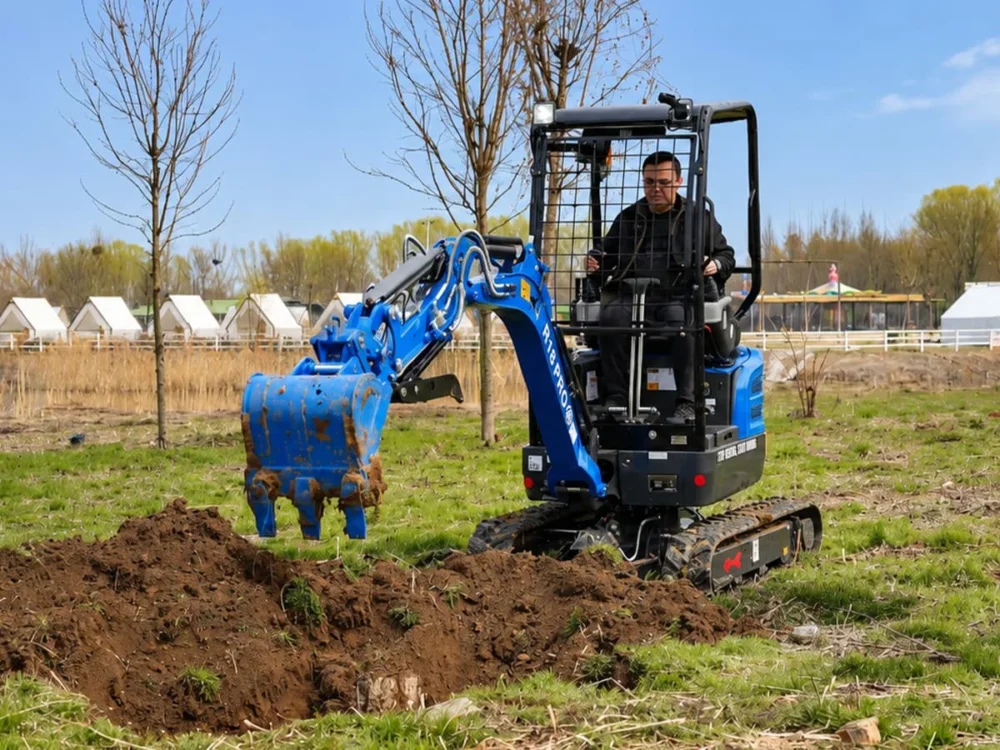
OEM and ODM are related manufacturing models, but they differ mainly in design responsibility and product development.
OEM Manufacturing
In a typical OEM arrangement, the customer provides or defines key product specifications, while the manufacturer produces equipment according to the agreed requirements.
The level of design ownership and customization depends on the cooperation agreement.
ODM Manufacturing
ODM stands for Original Design Manufacturer.
Under this model, the manufacturer generally provides an existing product design or platform that the customer can select and adapt for its brand.
ODM may reduce the amount of development work required from the buyer.
Key Differences
A business planning to offer a branded mini excavator for sale should understand these differences before selecting its manufacturing arrangement.
Neither model automatically guarantees better quality or greater customization.
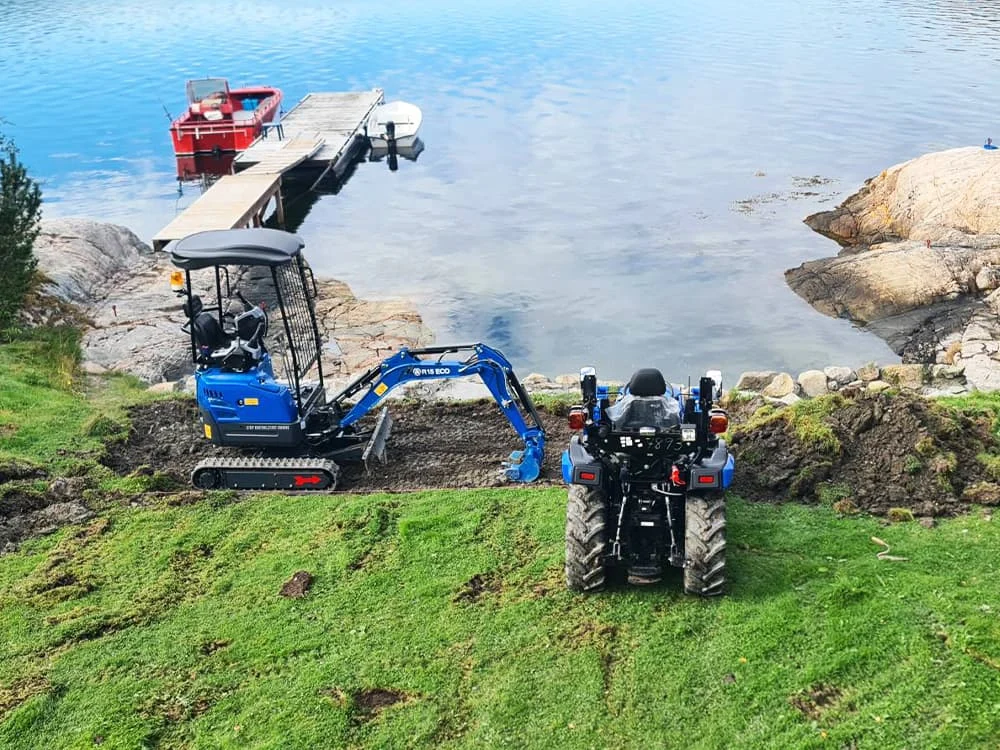
A typical OEM project follows several stages from initial requirements to finished equipment.
The buyer identifies intended applications, target markets, equipment dimensions, operating performance, and required configurations.
For a small excavator for sale, these requirements may include compact dimensions, digging capability, and attachment compatibility.
The buyer and manufacturer review drawings, technical documents, component specifications, and feasible customization options.
A Chinese mini excavator supplier involved in OEM production should clarify which requirements can be supported by its manufacturing capabilities.
Depending on the project, a sample machine or prototype may be inspected to verify design details and requested modifications.
Any required changes should be documented before production approval.
The manufacturer arranges suitable materials and components according to the approved specifications.
Important parts may include engines, hydraulic systems, structural components, tracks, and electrical equipment.
Production includes component assembly, installation, functional checks, and inspection procedures.
After approved inspections, the machines are prepared for packaging, shipping documentation, and transportation.
Production schedules depend on component availability, order requirements, and manufacturing arrangements.
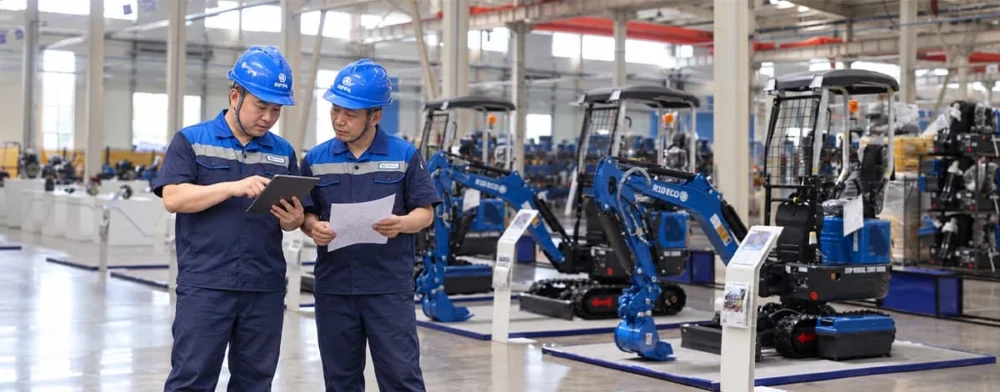
Customization allows businesses to adapt equipment appearance, configuration, and branding to their target markets.
Brand Identity
Common branding options may include company logos, equipment decals, color schemes, and product identification materials.
These changes help distributors present equipment consistently under their own brands.
Equipment Configuration
Depending on technical feasibility, buyers may discuss engine options, hydraulic configurations, operator stations, track types, and other equipment features.
Changes affecting safety or performance require appropriate technical review.
Attachments and Accessories
OEM projects may include compatible buckets, auxiliary hydraulic arrangements, or other attachments for specific applications.
For businesses marketing compact excavators for sale, suitable attachments can help address different customer requirements.
Spare Parts Support
Dealers should discuss the availability and identification of mini excavator parts, including filters, hoses, seals, pins, and other service components.
Accurate parts documentation can support future maintenance and customer service.
Packaging and Documentation
Some projects may also allow customized packaging, operator information, and branding materials.
All customization options should be confirmed before production. Not every modification is available for every machine or market.
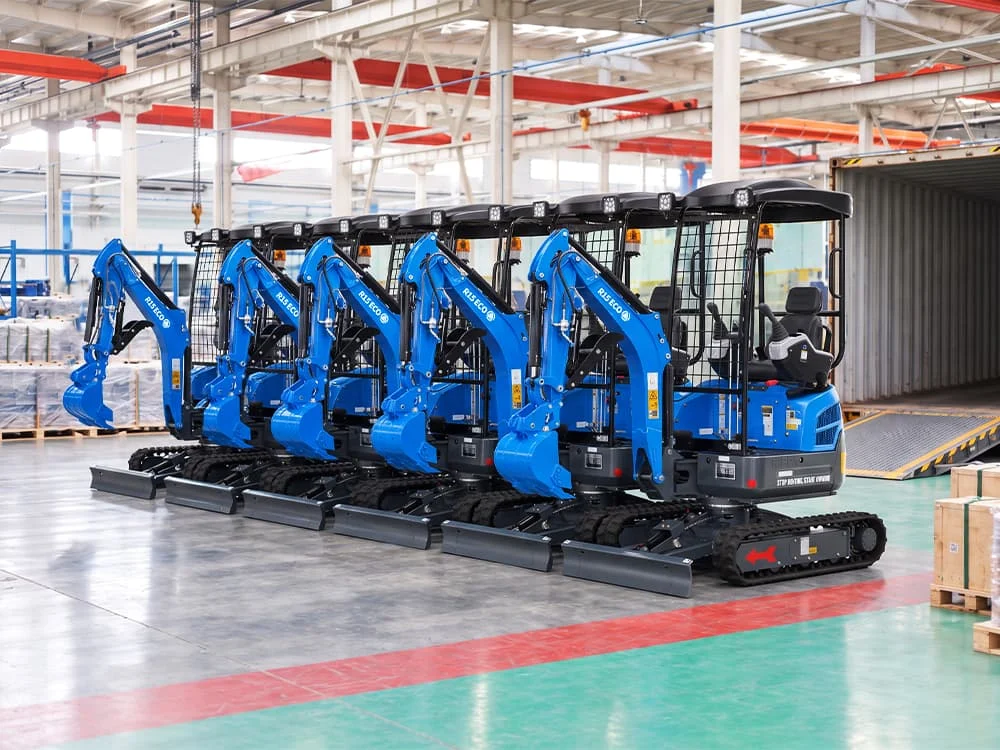
Quality control should cover components, manufacturing processes, finished equipment, and relevant market requirements.
Incoming Component Inspection
Manufacturers may inspect important materials and components before assembly to verify specifications and identify visible defects.
Production Quality Checks
During manufacturing, inspection procedures can cover welding, assembly quality, hydraulic connections, electrical systems, and structural components.
Functional Testing
Finished equipment may undergo checks involving engine operation, hydraulic movement, travel functions, safety systems, and other applicable features.
Testing procedures should follow documented specifications and appropriate safety standards.
Pre-Delivery Inspection
Before shipment, inspections should verify equipment configuration, visible condition, documentation, and any agreed acceptance requirements.
Import and Compliance Requirements
OEM buyers must also understand mini excavator import requirements in their destination markets.
Depending on the country, requirements may involve emissions standards, product conformity, safety documentation, customs classification, and other regulations.
A factory inspection alone does not establish compliance with every destination market.
For distributors, understanding manufacturing and testing processes helps clarify product expectations before establishing supply arrangements.
RIPPA is a construction machinery manufacturer serving international equipment buyers and distribution partners. Businesses interested in mini excavator distribution can explore RIPPA distributor opportunities to discuss product supply, available configurations, and potential cooperation.
Yes. Depending on the manufacturer and project, customization may include branding, colors, configurations, and compatible attachments.
Production time varies according to customization requirements, component availability, order quantity, and factory scheduling.
Common checks include component inspection, assembly verification, functional testing, and pre-delivery inspection.
Tél : +8615628788742
Courriel : contact02@rippa.com
WhatsApp : Rippa Excavator
Adresse : Sixième parc industriel, ville de Jining, province de Shandong, Chine

 FR
 EN
 ES
 IT
 RU
 DE
 PT
 TR
 BG
 HR
 RO
 CS
 NN
 SL
 SV
 HU
 SK
 DA
 FI
 PL
 PT_BR

