International certification requirements are important for businesses importing and distributing construction machinery. Before entering a new market, dealers must understand applicable safety rules, emission standards, conformity markings, and supporting documents.
For businesses exploring mini excavators for sale, regulatory compliance is essential for avoiding import delays and problems with market access.
However, certification requirements vary by country, equipment configuration, and applicable legislation. A machine accepted in one market may not automatically meet another market’s requirements.
This guide explains the main certification considerations for Europe, the United States, and other international markets, along with practical steps for verifying compliance before selling equipment.
Mini excavators may be subject to several regulatory requirements before they can be placed on international markets.
Machinery Safety Requirements
Many countries regulate machinery safety, including equipment design, protective systems, warning information, and operating instructions.
Manufacturers and importers must identify the applicable rules for their destination market.
Engine Emission Standards
Diesel-powered excavators may need to comply with nonroad engine emission regulations.
Applicable requirements depend on factors such as engine category, production year, and destination country.
Conformity Markings
Some markets require specific conformity markings to demonstrate compliance with relevant product regulations.
However, a marking alone does not replace the necessary conformity assessment and supporting documentation.
Technical Documentation
Depending on applicable rules, documents may include declarations of conformity, technical records, operating instructions, and emission compliance evidence.
For dealers researching mini excavators for sale, identifying these requirements before ordering equipment helps reduce regulatory risks.
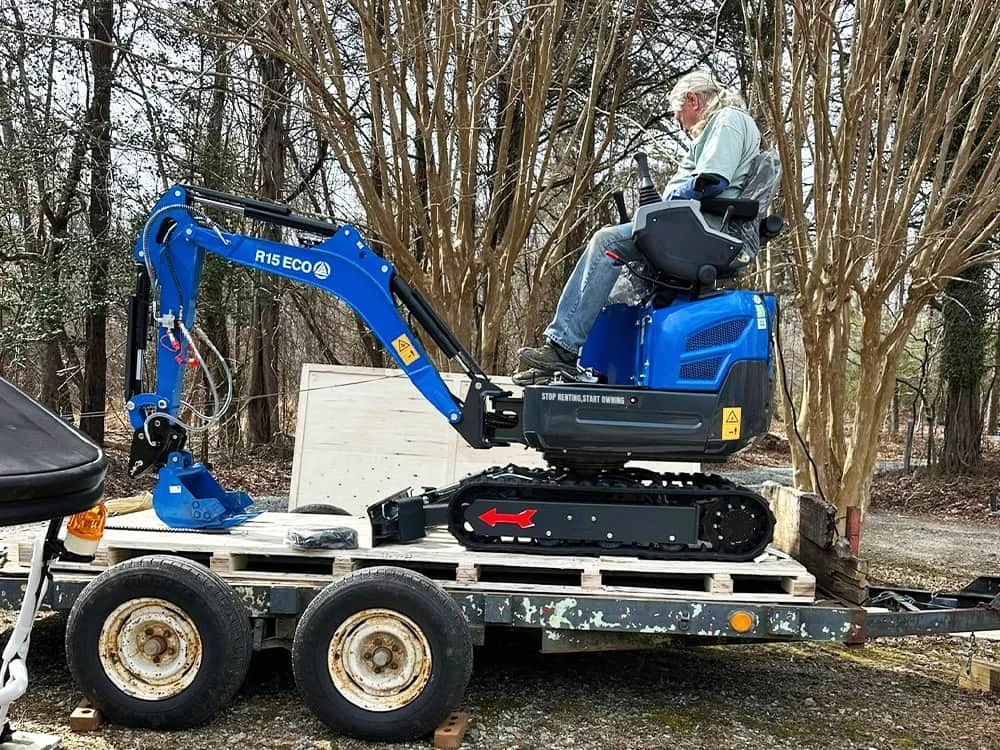
CE marking is an important requirement for machinery placed on the European Union market when covered by applicable EU legislation.
Understand CE Marking
CE marking indicates that the manufacturer declares the equipment meets relevant EU requirements.
It should not automatically be described as a certificate issued by an independent testing organization.
Apply the Relevant Machinery Rules
As of October 2026, the EU Machinery Directive 2006/42/EC remains the principal machinery legislation for equipment placed on the market.
The new Machinery Regulation (EU) 2023/1230 becomes generally applicable on January 20, 2027.
Dealers must confirm which requirements apply when equipment is placed on the market.
Review Conformity Documentation
Relevant documentation generally includes:
Check Other Applicable Rules
Engine emissions and other product-specific requirements may also apply.
When evaluating a mini excavator for sale for the European market, buyers should verify the applicable conformity assessment and documentation rather than relying on the CE symbol alone.
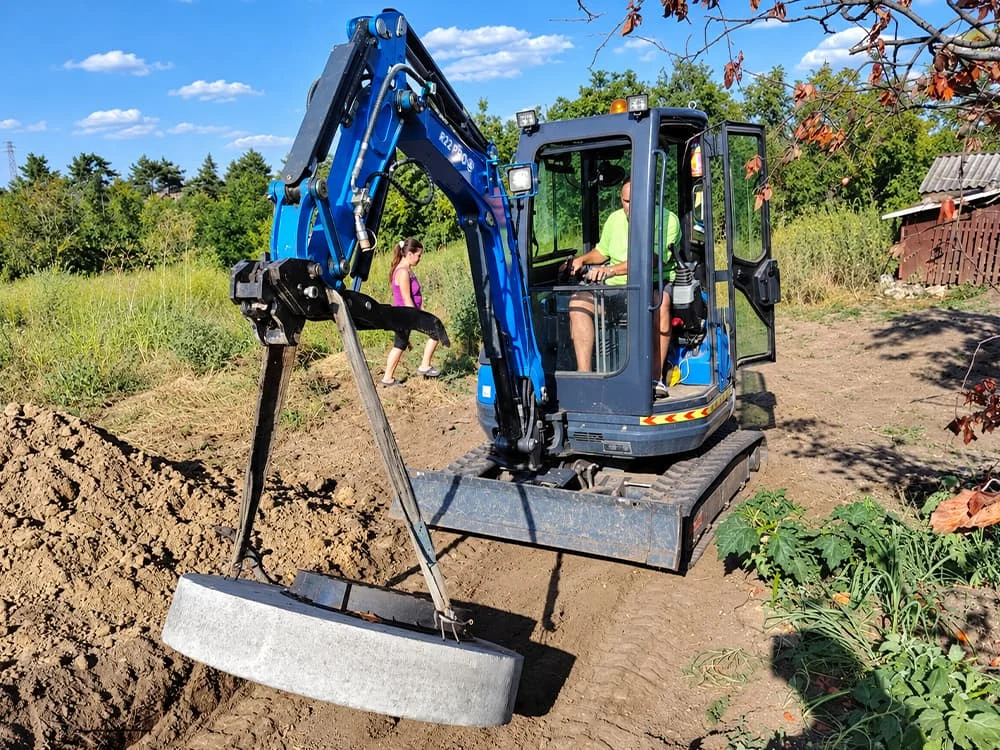
The United States Environmental Protection Agency regulates emissions from applicable nonroad engines used in construction equipment.
Understand EPA Regulations
Nonroad diesel engines are generally subject to emission requirements under regulations including 40 CFR Part 1039.
The applicable requirements depend on the engine category, model year, and other regulatory factors.
Verify Engine Certification
EPA certification generally covers an engine family rather than providing a separate certification for every complete excavator.
Dealers should confirm that the engine is covered by the appropriate Certificate of Conformity or another legally applicable compliance provision.
Check Emission Labels
Applicable engines require appropriate emission-control identification and labeling.
The engine family information and production year help identify relevant certification records.
Review Import Requirements
Importers may need supporting certification information and applicable EPA import declarations.
Documentation requirements vary according to the shipment and available regulatory exemptions or provisions.
For businesses importing a small excavator for sale, confirming engine compliance before shipment helps avoid expensive import complications.
EPA engine certification also does not eliminate other applicable equipment safety or commercial requirements.
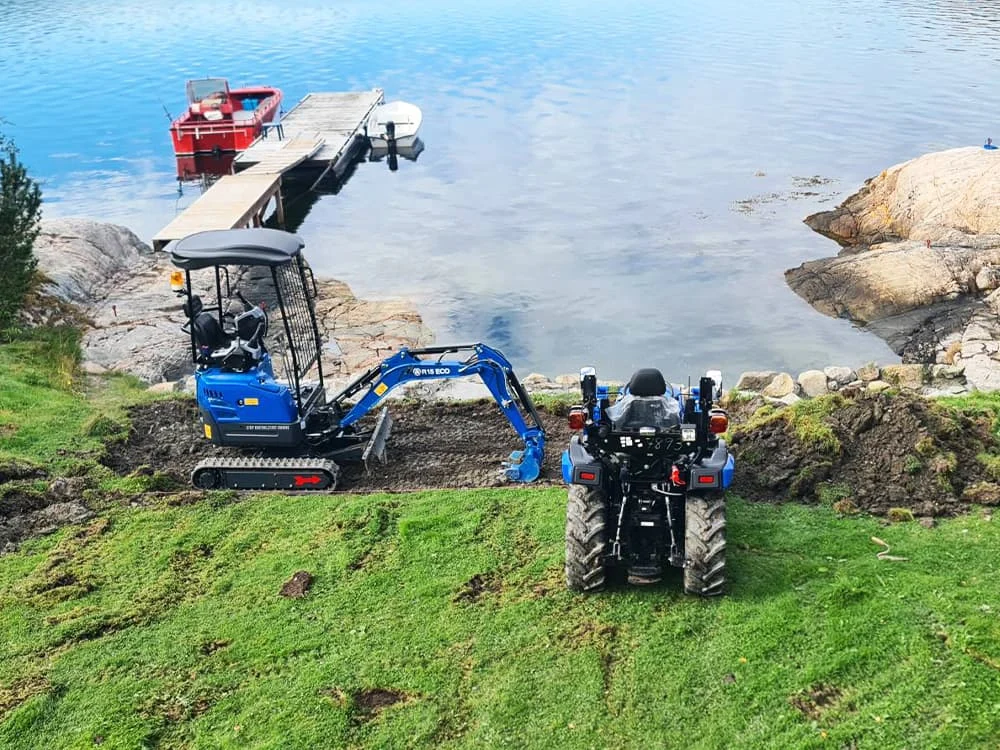
Certification and compliance requirements extend beyond Europe and the United States.
Dealers should verify each destination’s rules before importing machinery.
United Kingdom
Great Britain recognizes CE marking for machinery covered by relevant product regulations, alongside the applicable UKCA framework.
Northern Ireland follows different market-access arrangements. Dealers should not assume the same rules apply throughout the United Kingdom.
Canada
Canada regulates emissions from applicable off-road diesel engines.
Canadian requirements are closely aligned with US emission standards, but importers must still meet relevant Canadian documentation, labeling, and reporting obligations.
Australia and Other Markets
Australia and other destinations may have their own machinery safety, emissions, workplace, and import requirements.
Applicable rules should be checked against official local guidance rather than assuming that CE or EPA compliance is universally accepted.
Market-Specific Verification
For distributors offering compact excavators for sale, reviewing local mini excavator import regulations helps determine which documents and approvals are necessary.
Regulatory requirements can change, making periodic compliance reviews important for international equipment businesses.
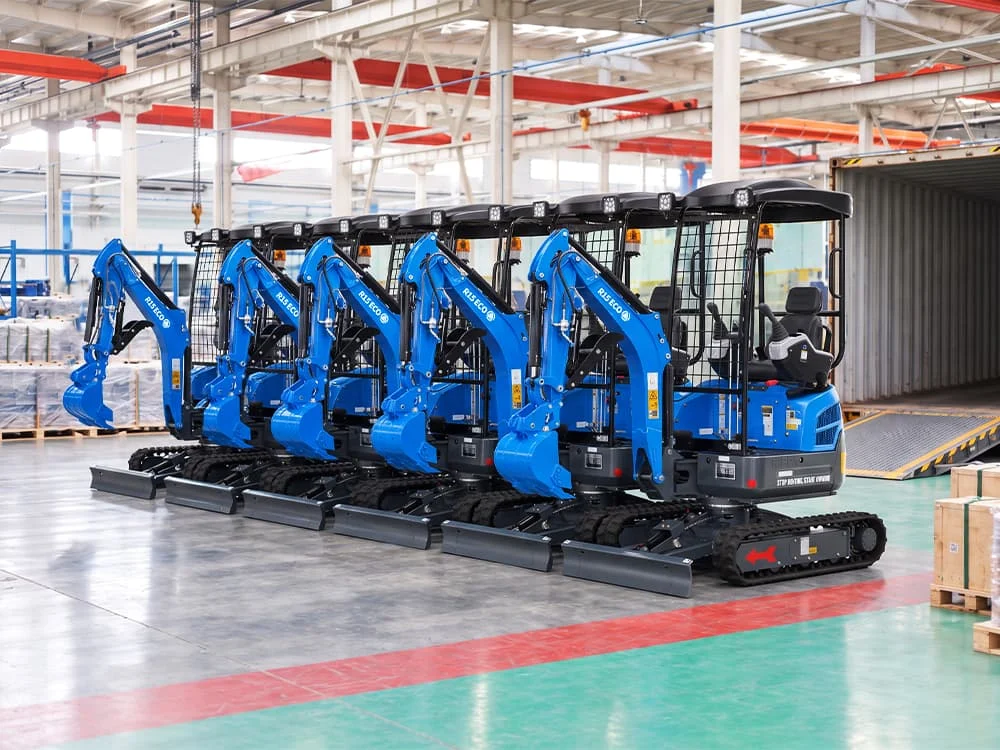
Dealers should establish a clear verification process before purchasing or distributing equipment internationally.
Determine where the machinery will be imported, marketed, and used.
Review applicable mini excavator import requirements for that particular jurisdiction.
Ask the manufacturer for relevant conformity declarations, emission certification information, technical records, and operating documentation.
The exact documents required depend on the equipment and applicable regulations.
Check the manufacturer’s identity, equipment identification, relevant engine information, document validity, and regulatory scope.
Information should correspond to the equipment being supplied.
Determine whether the supporting records address the required machinery safety and emission provisions.
A certificate or declaration intended for one market does not automatically establish compliance elsewhere.
If documentation is incomplete or unclear, request clarification before shipment.
Qualified compliance specialists or local authorities can help evaluate uncertain requirements.
Keep verified documents, correspondence, and relevant inspection records for future reference.
A systematic approach to mini excavator import compliance helps dealers prepare for international sales and communicate more effectively with suppliers.
RIPPA is a construction machinery manufacturer serving international equipment buyers and distribution partners. Businesses interested in mini excavator distribution can explore RIPPA distributor opportunities to discuss equipment supply, destination-market requirements, and potential cooperation.
Mini excavators covered by applicable EU machinery legislation generally require CE marking and supporting conformity documentation before being placed on the EU market.
Applicable nonroad engines generally require EPA emission compliance, often demonstrated through engine-family certification. Specific import provisions should be verified.
Not automatically. Each destination market has its own requirements, and dealers must confirm whether existing documentation is legally recognized.
Tél : +8615628788742
Courriel : contact02@rippa.com
WhatsApp : Rippa Excavator
Adresse : Sixième parc industriel, ville de Jining, province de Shandong, Chine

 FR
 EN
 ES
 IT
 RU
 DE
 PT
 TR
 BG
 HR
 RO
 CS
 NN
 SL
 SV
 HU
 SK
 DA
 FI
 PL
 PT_BR

