Selling mini excavators involves more than supplying machines. Dealers also need spare parts to support routine maintenance, repairs, and customer service. Poor inventory planning can cause equipment downtime, delayed repairs, and unnecessary storage costs.
For businesses offering mini excavators for sale, an effective spare parts stocking plan helps balance parts availability with inventory investment. Dealers should identify frequently used components, estimate demand, establish reorder points, and monitor stock regularly.
This guide explains how mini excavator dealers can plan spare parts inventory, calculate stock levels, organize replenishment, and prevent shortages or overstocking.
A spare parts inventory plan should reflect the number of machines supported, their applications, maintenance needs, and supplier delivery times.
Start by identifying how many mini excavators your dealership has sold or currently supports. Record machine configurations, operating environments, and estimated usage.
Dealers serving landscaping contractors may experience different parts demand from those supporting construction or agricultural equipment.
Check manufacturer maintenance schedules to identify components that require periodic replacement. Filters, fluids, and other service items create relatively predictable demand.
Review previous sales, repair records, and customer requests. Identify frequently ordered items and components with long replacement lead times.
Separate essential maintenance stock from expensive, rarely requested components. Prioritize availability without tying up excessive working capital.
Imported components may require additional time for production, shipping, customs processing, and local delivery.
For dealers offering mini excavators for sale, reviewing these factors helps create a practical inventory plan based on actual service demand rather than guesswork.

Dealers should prioritize mini excavator parts based on replacement frequency, equipment downtime risk, and availability from suppliers.
Routine Maintenance Parts
Common maintenance items may include:
These parts support scheduled mini excavator maintenance and are generally easier to forecast using service intervals and operating hours.
Common Repair Parts
Frequently needed repair components may include hydraulic hoses, seals, O-rings, belts, and selected electrical components.
Actual demand depends on machine specifications and operating conditions.
Wear Components
Bucket teeth, cutting edges, pins, bushings, and applicable track components may require replacement as equipment accumulates working hours.
Critical Components
Travel motors, hydraulic pumps, and other expensive assemblies can cause extended downtime when unavailable. However, their lower demand and higher inventory value may make regional stocking or supplier-backed availability more practical than keeping every component locally.
Dealers should classify parts by frequency and importance, then confirm compatibility using equipment serial numbers and manufacturer parts documentation.
A smaller inventory of correctly matched components is often more useful than a large collection of unsuitable parts.
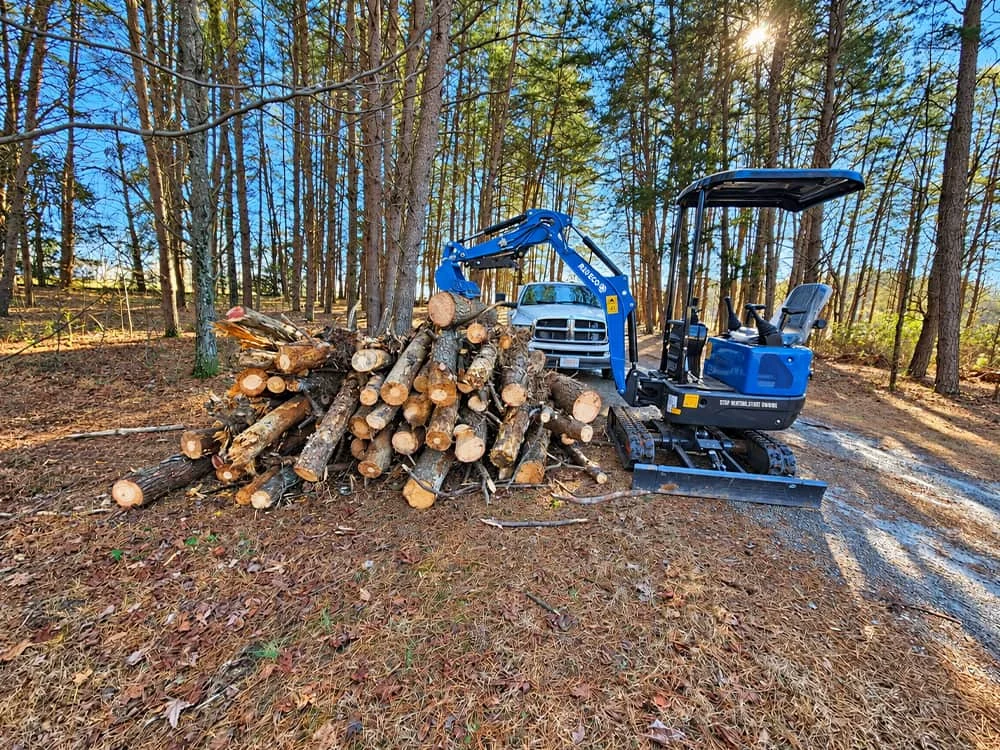
Determining stock levels requires balancing expected demand against supplier lead times and the risk of running out.
For businesses managing excavator parts for sale, two useful measures are safety stock and the reorder point.
Divide the number of parts used during a selected period by the number of days in that period.
For example, if a dealership uses 60 oil filters over 30 days:
Average daily demand = 60 ÷ 30 = 2 filters.
Identify the expected number of days between placing an order and receiving the parts.
Suppose the average delivery lead time is 10 days.
Safety stock provides a buffer against unexpected demand or delivery delays.
For illustration, assume the dealership chooses 10 additional filters as its safety stock.
Use the formula:
Reorder Point = Average Daily Demand × Lead Time + Safety Stock
Example:
2 filters × 10 days + 10 filters = 30 filters
The dealership should normally place a replenishment order when its inventory position reaches 30 filters, considering stock on order and outstanding customer commitments.
Adjust these estimates using actual consumption, demand variability, seasonal activity, and delivery performance.
The example is illustrative; appropriate safety stock requires analysis of the dealership’s own demand and supplier reliability.
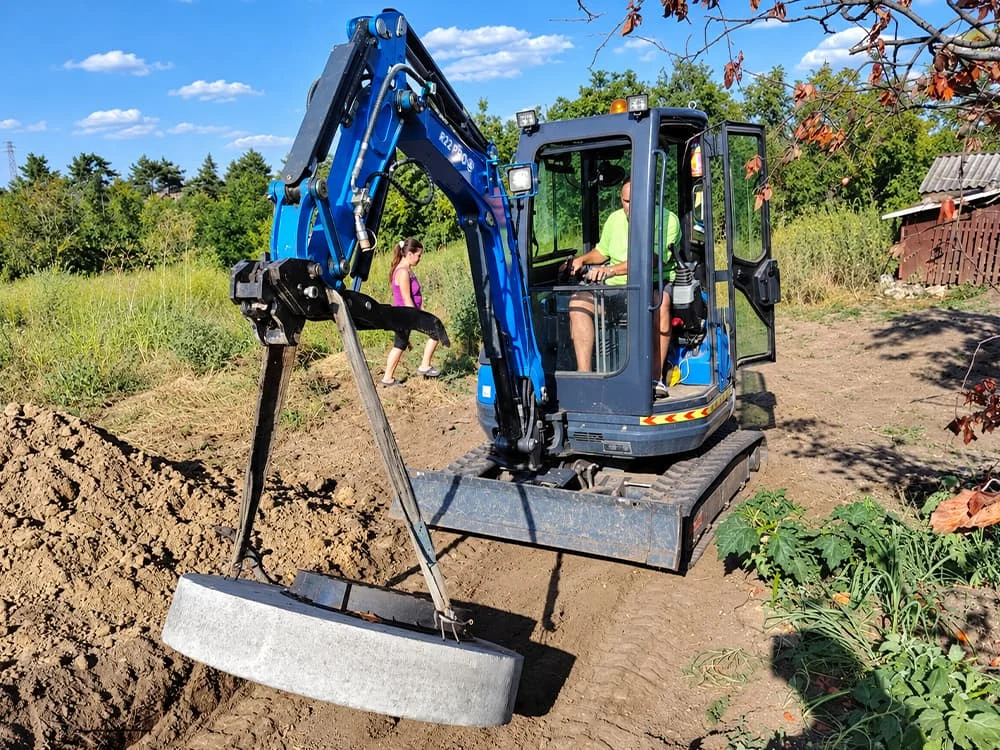
Effective inventory management helps dealers maintain accurate records and replenish components before shortages affect customers.
Organize Parts by SKU
Assign each component a unique stock-keeping unit. Record part numbers, compatible machines, suppliers, storage locations, and available quantities.
Track Inventory Movements
Record parts received, sold, returned, or used during repairs. Accurate records help identify discrepancies and forecast future demand.
Set Reorder Alerts
Use inventory software or a spreadsheet to flag parts approaching their reorder points. Review these alerts regularly and confirm pending supplier deliveries.
Apply First-In, First-Out Where Appropriate
Rotate suitable consumables according to their specifications, storage requirements, and shelf life. Check expiry dates where relevant.
Coordinate Purchasing and Service Teams
Sales and maintenance teams should share information about upcoming deliveries, scheduled servicing, and customer repair needs.
When a customer purchases a mini excavator for sale or a small excavator for sale, the dealer can estimate the likely maintenance demand associated with the equipment.
This information helps align spare parts purchasing with future service requirements.
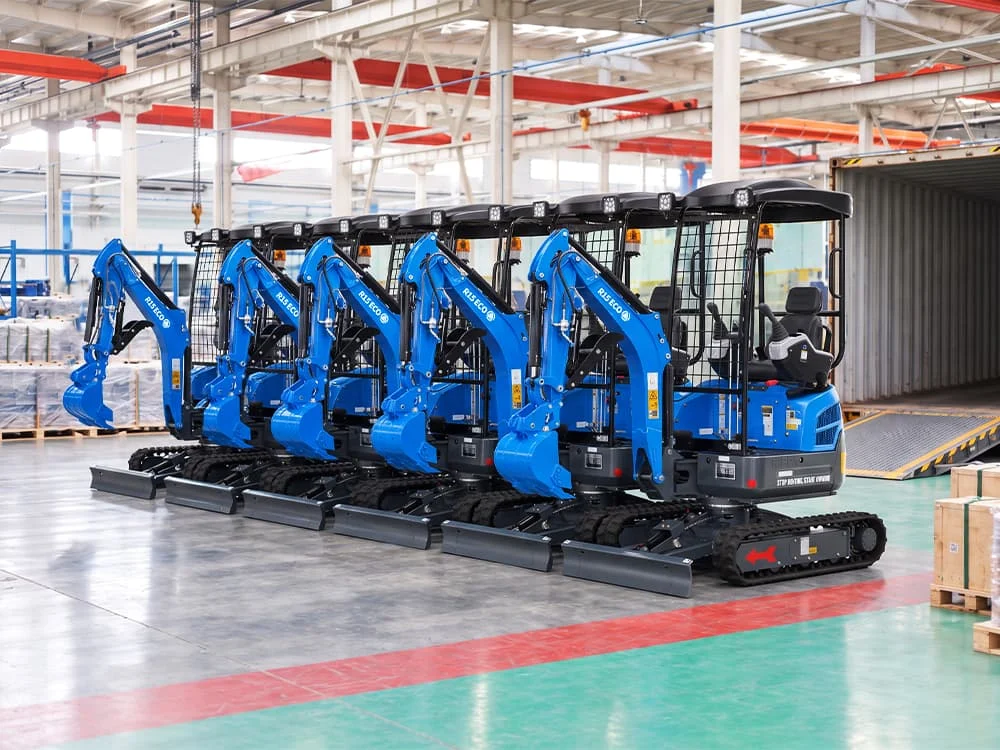
Preventing shortages and excess inventory requires continuous monitoring rather than occasional bulk purchasing.
Use ABC Inventory Classification
Group parts according to inventory value and business importance. High-value components may require close financial control, while frequently used maintenance items need reliable replenishment.
Identify Slow-Moving Parts
Review components with limited sales or service usage. Avoid repeatedly ordering slow-moving stock without evidence of future demand.
Monitor Stockout Risks
Track parts that regularly reach zero inventory. Investigate inaccurate forecasts, unexpected consumption, or supplier delays.
Conduct Regular Stock Counts
Compare physical quantities with inventory records. Investigate damaged, missing, or incorrectly labeled components.
Coordinate with Suppliers
Confirm lead times, replacement part availability, ordering requirements, and possible alternatives before shortages occur.
For dealers supplying compact excavators for sale, accurate parts planning helps support customer equipment availability while controlling unnecessary inventory costs.
RIPPA is a construction machinery manufacturer serving equipment buyers and distribution partners. Businesses planning to become mini excavator dealers can explore RIPPA distributor opportunities to discuss equipment supply, spare parts arrangements, after-sales cooperation, and potential dealership partnerships.

Routine maintenance items, such as filters and selected consumables, often require regular replenishment. Actual demand depends on equipment usage and service schedules.
Safety stock should reflect demand variability, supplier lead times, service requirements, and acceptable stockout risk.
Fast-moving parts should be monitored frequently, while the complete inventory should undergo regular reviews and physical stock checks.
Puh: +8615628788742
Sähköposti: contact02@rippa.com
WhatsApp: Rippa kaivinkone
Osoite: Kuudes teollisuuspuisto, Jiningin kaupunki, Shandongin maakunta, Kiina.

 FI
 EN
 ES
 IT
 FR
 RU
 DE
 PT
 TR
 BG
 HR
 RO
 CS
 NN
 SL
 SV
 HU
 SK
 DA
 PL
 PT_BR

