The hydraulic system is essential to mini excavator performance. It controls important functions such as boom lifting, arm movement, bucket operation, and auxiliary attachments. When hydraulic components develop problems, machine productivity and operating efficiency can decline.
For contractors comparing mini excavators for sale, understanding common hydraulic failures is important when evaluating equipment condition and long-term reliability. Hydraulic leaks, slow movements, overheating, and reduced digging force are among the problems operators may encounter.
Knowing how to identify symptoms, investigate possible causes, and arrange appropriate repairs also helps equipment dealers and importers provide better after-sales support.
Hydraulic problems can affect different machine functions and may become more serious if they are ignored.
Oil leakage can occur around hydraulic hoses, fittings, cylinders, seals, and connection points. Visible oil stains or wet surfaces may indicate a damaged hose or deteriorated seal.
Operators should identify the source of leakage and stop operating the machine if the problem could affect safe operation.
A mini excavator may experience slow boom lifting, weak bucket movement, or reduced digging force.
These symptoms can be associated with insufficient hydraulic oil, restricted filters, pump problems, or other hydraulic system faults.
Excessive hydraulic oil temperature can affect system performance and accelerate component wear.
Possible contributing factors include restricted oil flow, contaminated hydraulic oil, excessive operating loads, and cooling system problems.
Abnormal whining, knocking, or vibrating sounds may indicate hydraulic pump problems, restricted oil supply, air entering the system, or other mechanical issues.
Unusual noises should be investigated before they develop into more serious failures.

Recognizing abnormal machine behavior helps operators identify potential hydraulic failures before they cause additional damage.
If the boom or arm responds more slowly than usual, hydraulic pressure, oil flow, or control components may require inspection.
Compare machine behavior with normal operating performance and check whether multiple hydraulic functions are affected.
A bucket that struggles to penetrate soil or lift material may indicate insufficient hydraulic power.
However, soil conditions, attachment selection, and machine loading should also be considered before identifying a hydraulic fault.
Irregular movements may be associated with air contamination, restricted oil flow, damaged control components, or other hydraulic problems.
Operators should stop unnecessary movements and arrange an appropriate inspection.
Unusually high hydraulic temperatures, foaming, discoloration, or visible contamination can indicate problems requiring attention.
Never rely on one symptom alone. Several observations and appropriate diagnostic tests may be needed to identify the actual fault.
Hydraulic failures can result from component wear, contamination, improper maintenance, or operating conditions.
Insufficient hydraulic oil can affect system operation and lubrication. Dirt, water, and other contaminants may damage pumps, valves, and cylinders.
Use the hydraulic oil specified by the manufacturer and follow recommended checking procedures.
Hydraulic hoses can deteriorate due to age, abrasion, vibration, or excessive pressure.
Worn seals may allow internal or external leakage, reducing system performance.
A worn hydraulic pump may fail to provide the required pressure or flow.
Control valve problems can also affect the movement and responsiveness of the boom, arm, bucket, and other hydraulic functions.
Irregular mini excavator maintenance can allow contamination, component wear, and minor leaks to develop into larger problems.
Excessive loads, incorrect operating practices, and unsuitable hydraulic attachments may also increase stress on the system.
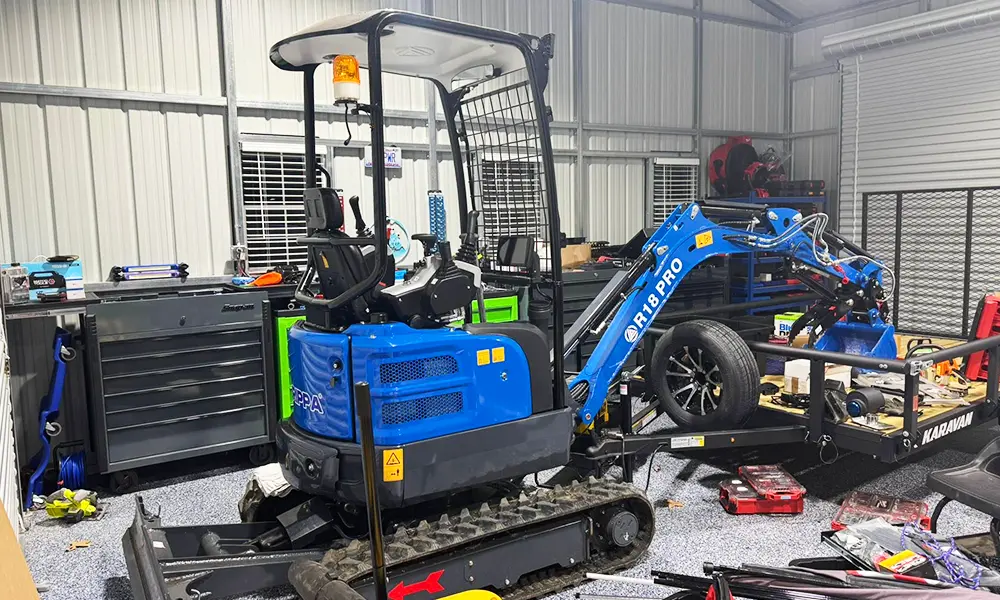
A systematic inspection helps narrow down possible causes before replacing components.
Follow the manufacturer’s instructions to check hydraulic oil levels and inspect its appearance.
Look for contamination, foaming, discoloration, and unusual odors. Use the specified hydraulic oil and avoid mixing incompatible fluids.
A mini excavator inspection checklist should include:
Check accessible components without touching suspected high-pressure leaks.
If basic inspections do not identify the problem, qualified technicians may need to perform hydraulic pressure and flow tests using suitable instruments.
Compare test results with the manufacturer’s technical specifications to determine whether the pump, valves, or other components require attention.
Avoid replacing multiple components based only on symptoms.
A slow boom, for example, may result from several different issues. Accurate diagnosis helps reduce unnecessary repair expenses and prevents incorrect replacement parts from being installed.
Once the fault has been identified, repairs should follow the manufacturer’s procedures and use compatible replacement components.
Damaged hoses, loose fittings, and deteriorated seals may require repair or replacement.
Before maintenance, shut down the machine, lower attachments safely, and release stored hydraulic pressure according to manufacturer instructions.
Never use your hands to locate a high-pressure oil leak.
Depending on the diagnosis, repairs may involve hydraulic hoses, seals, filters, pumps, valves, or cylinder components.
When sourcing mini excavator parts, verify the part number, dimensions, specifications, and compatibility with the machine.
Buyers searching for excavator parts for sale should also consider parts quality, availability, and supplier support.
After replacement, qualified technicians should follow the manufacturer’s procedures for refilling, bleeding where required, checking connections, and testing hydraulic functions.
Check for leaks, abnormal noises, and inconsistent movements before returning the machine to normal operation.
Regular mini excavator servicing helps identify wear and prevent recurring hydraulic problems.
For dealers comparing a mini excavator for sale, small excavator for sale, or compact excavators for sale, reliable technical documentation and replacement parts are important considerations.
RIPPA is a construction machinery manufacturer serving international equipment buyers and potential distribution partners.
For machinery dealers and importers, reliable parts supply and technical assistance can strengthen after-sales service and customer relationships. Explore RIPPA distributor opportunities to discuss equipment sourcing, replacement parts support, and potential long-term dealership cooperation.
Possible causes include low hydraulic oil, clogged filters, pump wear, internal leakage, or control valve problems. Proper diagnosis is necessary to identify the actual cause.
Common causes include damaged hoses, loose fittings, worn seals, and deteriorated hydraulic connections.
Follow the manufacturer’s recommended maintenance intervals and adjust servicing according to operating conditions and oil inspection results.
Tel: +8615628788742
Correo electrónico: contact02@rippa.com
WhatsApp: Excavadora Rippa
Dirección: Sexto parque industrial, ciudad de Jining, provincia de Shandong, China

 ES
 EN
 IT
 FR
 RU
 DE
 PT
 TR
 BG
 HR
 RO
 CS
 NN
 SL
 SV
 HU
 SK
 DA
 FI
 PL
 PT_BR

