Mini excavator maintenance helps equipment owners maintain reliable operation, identify potential problems early, and reduce unnecessary downtime. For construction contractors and equipment dealers, understanding routine servicing is also important when selecting machinery and supporting customers after a purchase.
A consistent maintenance routine includes engine checks, hydraulic inspections, track care, and scheduled servicing. Although requirements vary by model and working conditions, following the manufacturer’s operating manual is essential for safe and effective maintenance.
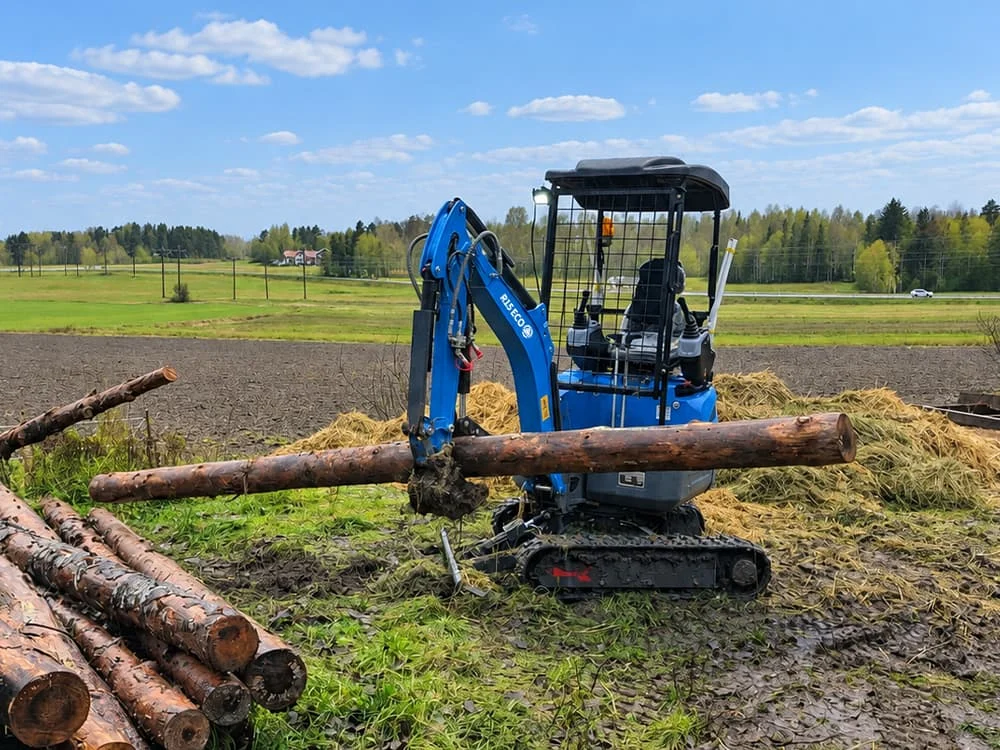
The engine is a critical component of a mini excavator. Regular inspection helps operators identify visible leaks, loose connections, and signs of overheating before they develop into more serious problems.
As part of mini excavator routine maintenance, check the engine oil level and inspect accessible hoses and connections. Air filters should be checked and cleaned or replaced according to the manufacturer’s instructions, especially when working in dusty environments.
Pay attention to unusual noises, warning indicators, and changes in engine performance. If a problem occurs, stop the machine safely and arrange an inspection before continuing operation.
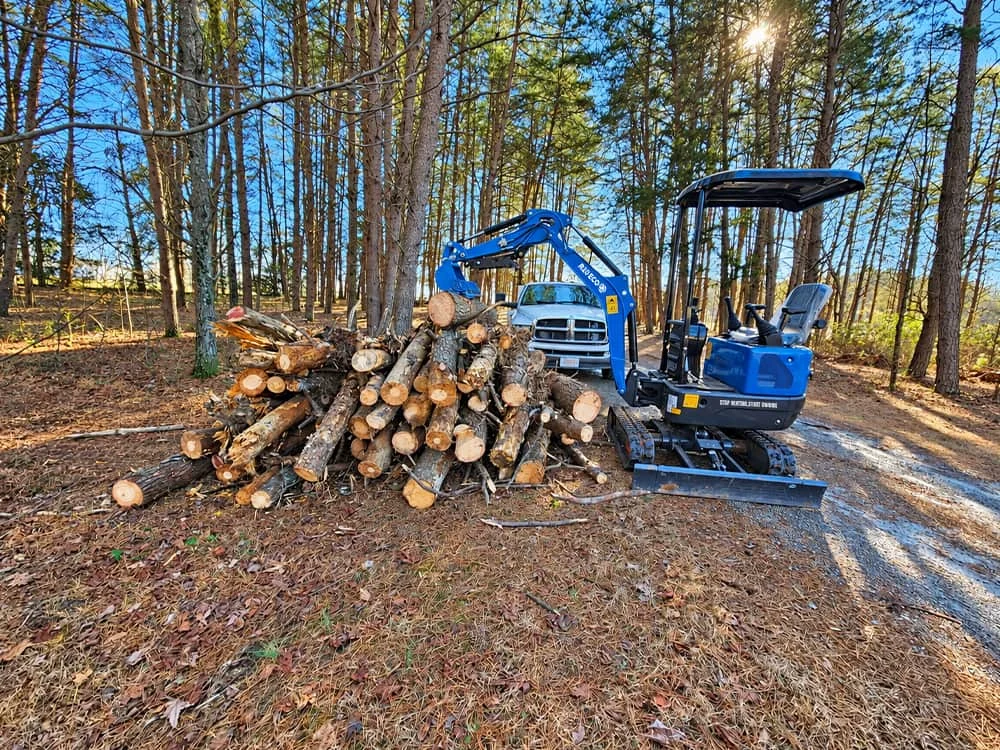
The hydraulic system controls important functions such as boom movement, arm operation, and bucket movement. Proper hydraulic system maintenance is therefore essential to mini excavator maintenance.
Inspect accessible hoses, fittings, and cylinders for visible leaks, abrasion, or damage. Check hydraulic fluid levels according to the operating manual, and investigate unusual movements or changes in performance.
Never use your hands to locate a suspected hydraulic leak. High-pressure fluid can penetrate the skin and cause serious injury. Hydraulic repairs should be performed by qualified personnel using appropriate safety procedures.
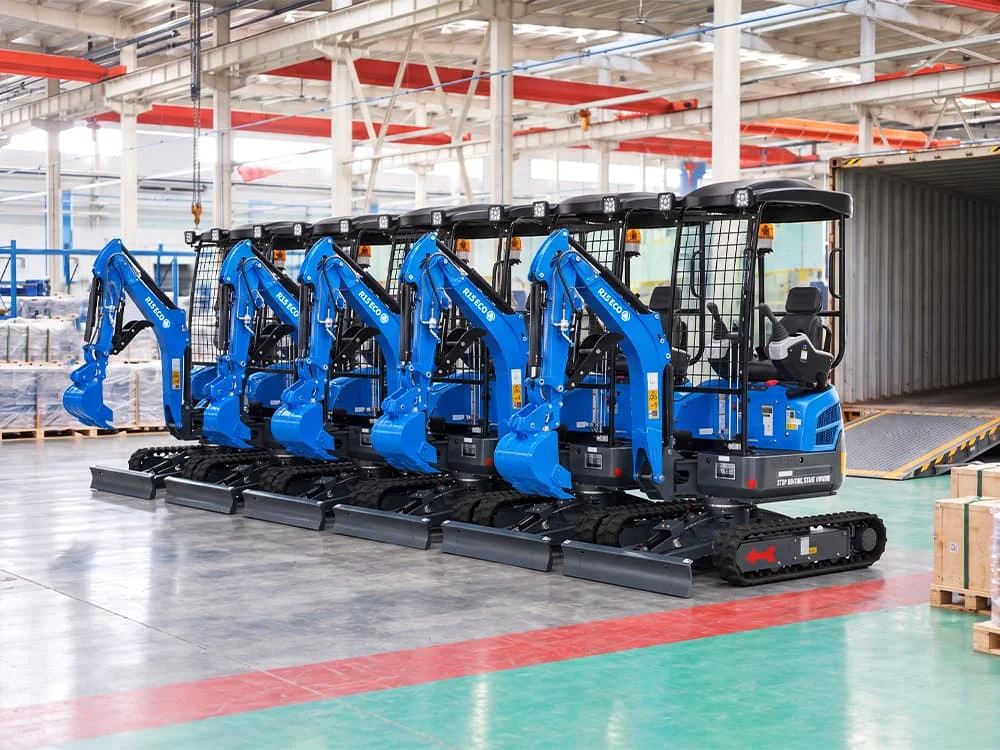
The undercarriage supports machine movement and stability across different jobsites. Mud, stones, and debris can accumulate around the tracks, so regular cleaning and inspection are important.
A mini excavator inspection checklist should include checking rubber tracks for visible cuts, unusual wear, and damage. Inspect accessible undercarriage components and remove accumulated debris when appropriate.
Track tension should be checked and adjusted according to the manufacturer’s instructions. Incorrect tension may contribute to unnecessary wear, so avoid applying the same adjustment to every machine.
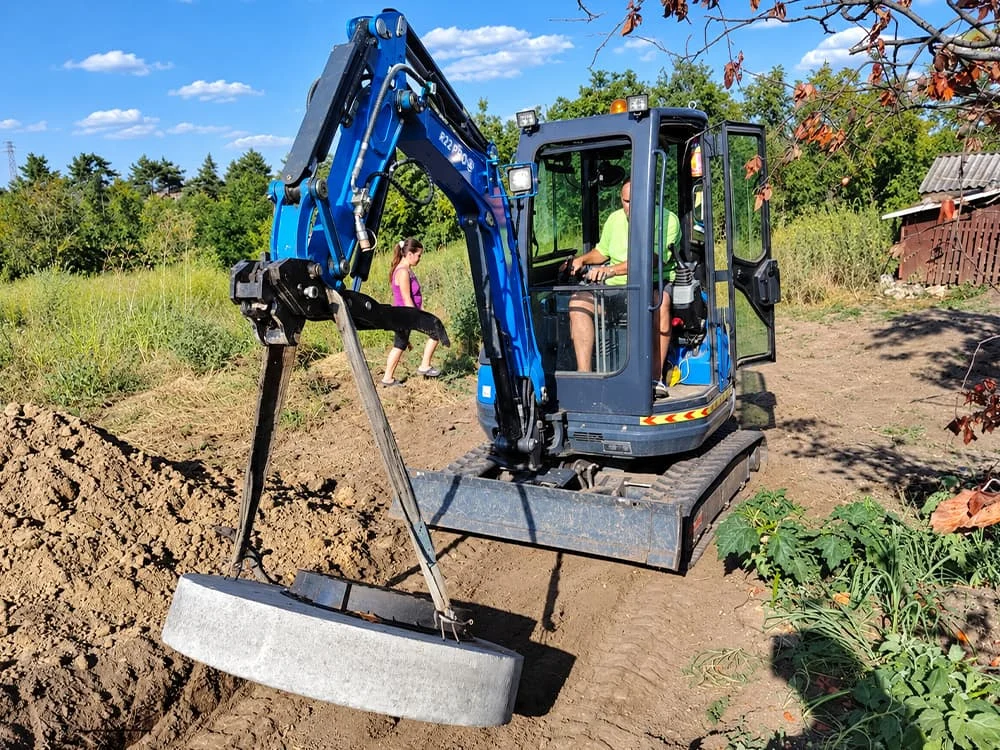
Fuel system maintenance helps support consistent engine operation. Contaminated fuel, clogged filters, and leaking connections can affect performance and create avoidable maintenance problems.
Inspect accessible fuel lines and connections for visible damage or leakage. Follow the manufacturer’s instructions for checking fuel filters, draining water separators where fitted, and using the recommended fuel type.
Keep dirt and moisture away from fuel system components during servicing. For equipment dealers, explaining fuel quality and routine inspection requirements helps customers understand the responsibilities involved in equipment ownership.

The electrical system supports starting, lighting, warning indicators, and other machine functions. Starting difficulties, warning lights, or malfunctioning controls may indicate an electrical issue.
During routine inspections, check accessible wiring for visible damage, loose connections, or corrosion. Inspect the battery and terminals according to the manufacturer’s safety instructions.
Always follow the correct shutdown and electrical isolation procedures before maintenance. Complex electrical faults should be assessed by a qualified technician.
Including electrical checks in a compact excavator maintenance routine helps operators assess the machine beyond its engine and hydraulic systems.

The exterior and body can reveal signs of damage that should not be ignored. Inspect the machine for loose panels, damaged access steps, cracks, and excessive dirt buildup.
Clean the machine using methods suitable for its components. Avoid directing high-pressure water at sensitive electrical parts, seals, or other areas where water intrusion could cause problems.
Operators should also check the operator station, seat belt, access points, and visible safety labels. Address damaged safety equipment before returning the machine to service.
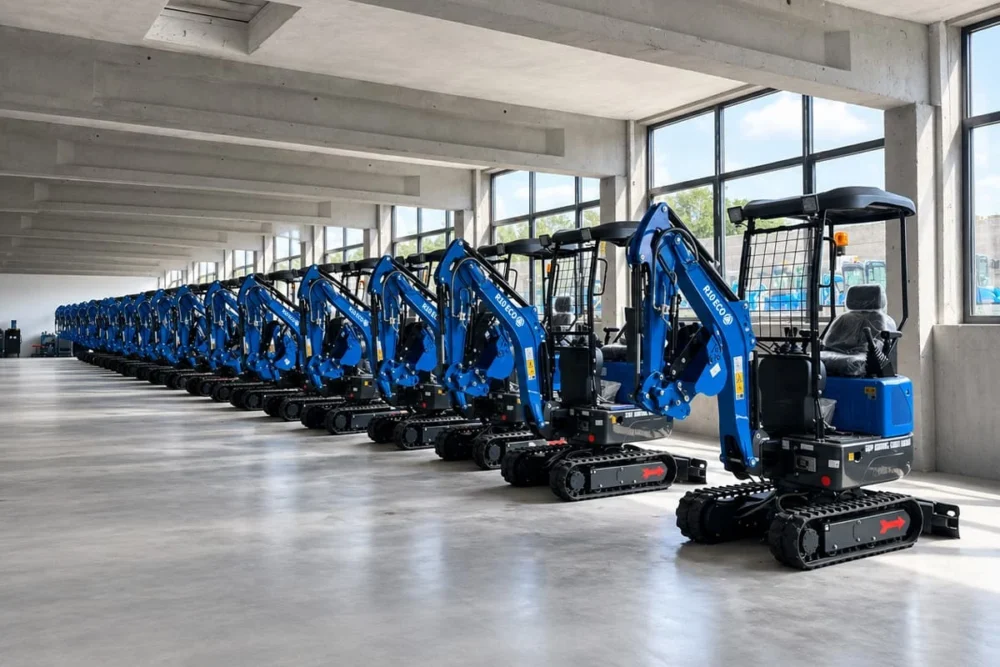
A mini excavator maintenance schedule helps owners plan servicing according to operating hours, calendar intervals, and working conditions. The correct intervals depend on the machine model and the manufacturer’s recommendations.
Daily inspections may include fluid levels, visible leaks, track condition, and safety features. Periodic servicing may involve lubrication, filter replacement, fluid changes, and more detailed component inspections.
Keep records of operating hours, service dates, completed work, and identified problems. These records help owners plan future maintenance and provide useful information when contacting a dealer or technician.
For equipment distributors, understanding servicing requirements can improve customer communication. Access to clear manuals and accurate product information is also worth considering when evaluating a manufacturer partnership.
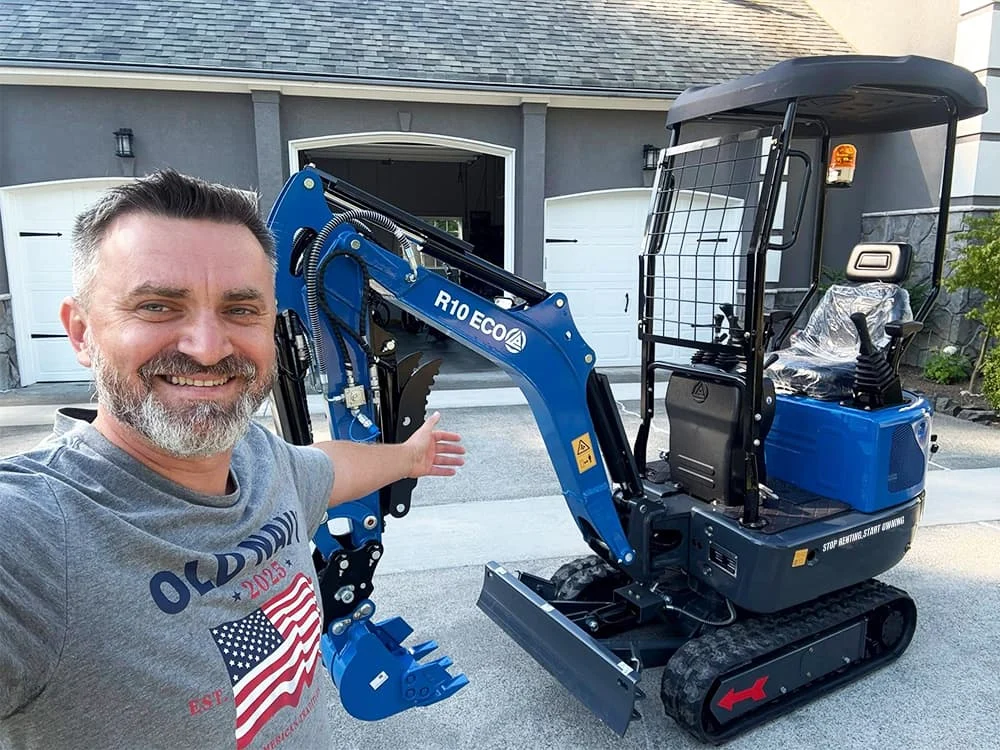
Proper storage is another part of mini excavator routine maintenance. Whenever possible, park the machine on stable, level ground in a secure area away from unnecessary traffic and hazards.
Lower attachments to the ground, shut down the machine correctly, remove the key, and follow the manufacturer’s instructions for securing the equipment. Remove excessive mud and debris, and inspect for visible problems before the next use.
For extended storage, consult the operating manual for model-specific guidance on battery care, fuel, and other preparation requirements.

Complete basic inspections before operation and follow the manufacturer’s recommended service intervals. Demanding working conditions may require additional attention.
Check fluid levels, visible leaks, tracks, hydraulic hoses, electrical components, controls, and safety features according to the operating manual.
Visit RIPPA mini excavator models to explore available equipment, or visit the RIPPA distributor recruitment page to learn about potential dealership cooperation.
Tel: +8615628788742
Correo electrónico: contact02@rippa.com
WhatsApp: Excavadora Rippa
Dirección: Sexto parque industrial, ciudad de Jining, provincia de Shandong, China

 ES
ES  EN
EN  IT
IT  FR
FR  RU
RU  DE
DE  PT
PT  TR
TR  BG
BG  HR
HR  RO
RO  CS
CS  NN
NN  SL
SL  SV
SV  HU
HU  SK
SK  DA
DA  FI
FI  PL
PL  PT_BR
PT_BR 
