Cold weather creates additional challenges for construction equipment. Freezing temperatures can affect engine starting, hydraulic response, track traction, and excavation efficiency. Snow, ice, and frozen soil also require operators to adjust their working methods.
For contractors evaluating mini excavators for sale, understanding winter operating procedures is important for maintaining productivity and reducing equipment damage. Proper preparation, controlled operation, and appropriate maintenance help machines perform reliably in demanding conditions.
Equipment dealers and importers can also use this knowledge to guide customers working in regions with long winters or frequent freezing temperatures.
Winter operation should begin with a careful inspection of the machine and surrounding worksite.
Low temperatures can increase oil viscosity and affect fluid circulation. Before starting, verify engine oil, hydraulic oil, and coolant levels according to manufacturer instructions.
Use only approved fluids suitable for the expected temperature range. Confirm that the coolant provides appropriate freeze protection and inspect accessible components for leaks.
Cold temperatures can reduce battery performance and make engine starting more difficult.
Check battery condition, electrical connections, and visible wiring. Follow the manufacturer’s procedures for checking the charging and starting systems.
A weak battery should be inspected before attempting repeated cold starts.
Snow, ice, and frozen mud may accumulate around tracks, rollers, and attachment connections.
A mini excavator inspection checklist should include track condition, hydraulic hoses, bucket teeth, attachment locks, and visible ice buildup.
Remove obstructions using approved methods and check the worksite for slippery surfaces, hidden obstacles, and unstable ground.
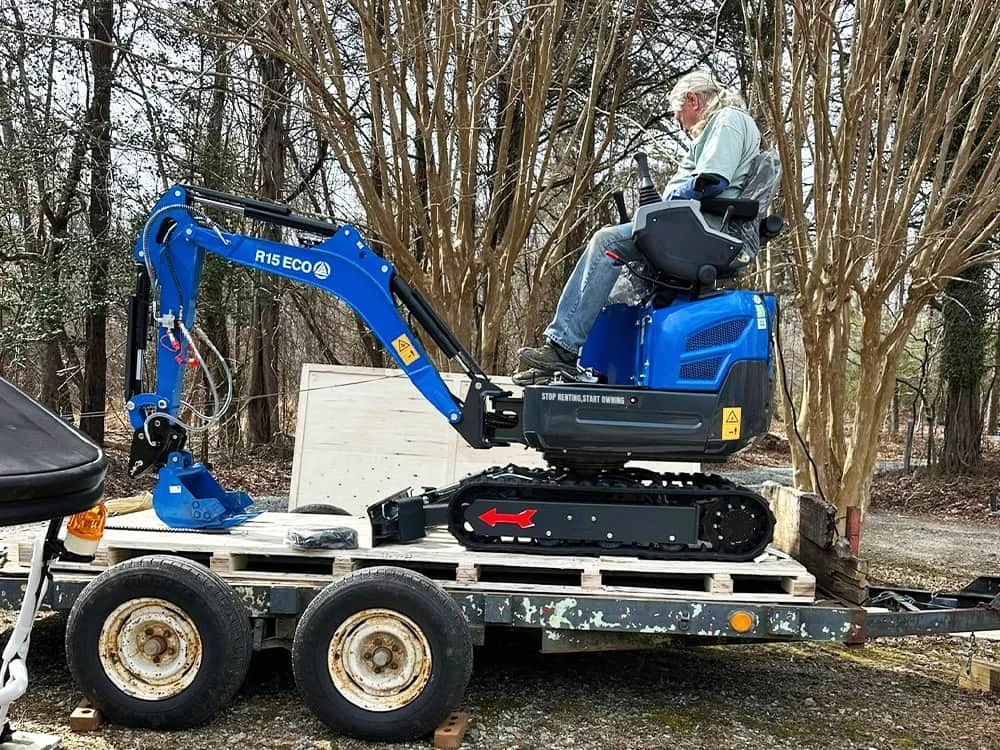
Correct starting and warm-up procedures help protect equipment components and improve hydraulic responsiveness.
Before starting, ensure the controls are in their required positions and the surrounding area is clear.
Use manufacturer-approved cold-start equipment or starting aids when specified. Diesel-powered machines may have different starting requirements depending on their engine systems.
Avoid repeated unsuccessful starting attempts that could discharge or damage the battery. Never use unauthorized starting fluids.
After the engine starts, follow the manufacturer’s recommended warm-up procedure.
Cold hydraulic oil may circulate less easily, making working equipment respond slowly.
Avoid immediately applying heavy loads. When instructed by the manufacturer, gradually operate hydraulic functions at low demand until normal response is established.
Check boom, arm, bucket, travel, and auxiliary functions under safe conditions.
Watch for unusual noises, delayed movements, leaks, and warning indicators.
When evaluating a mini excavator for sale, buyers should understand the machine’s approved operating temperature range and cold-start requirements.
Stop operation if abnormal behavior indicates a possible equipment fault.

Winter construction requires careful control of machine positioning, traction, and movement.
Snow and ice can reduce track traction and make steering or stopping less predictable.
Before traveling, inspect the route for frozen ruts, concealed obstacles, and unstable surfaces.
Use controlled travel speeds and avoid sudden acceleration, sharp turns, or unnecessary movements.
Frozen ground does not always provide reliable support. Snow may conceal soft soil, cavities, or uneven surfaces.
Operators should assess ground stability before positioning equipment near slopes, trenches, or excavation edges.
Follow manufacturer instructions for machine orientation, travel configuration, and attachment positioning.
When using a small excavator for sale in winter construction, consider available working space, surface traction, and excavation requirements.
Buyers comparing compact excavators for sale should also evaluate machine stability, undercarriage configuration, and suitability for their expected winter conditions.
Never assume that compact equipment can operate safely on every icy or sloping surface.
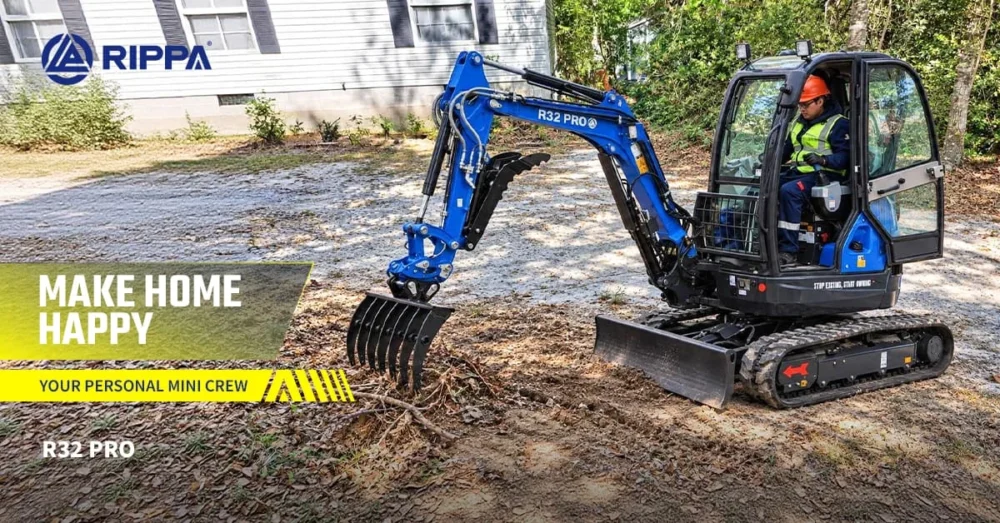
Frozen soil may require significantly greater digging effort than unfrozen material. Excavation methods should reflect soil hardness, frost depth, and equipment limitations.
Before excavation, determine whether the ground contains frozen topsoil, compacted material, stones, or deeper frost layers.
A thin frozen surface may be easier to remove than heavily frozen soil extending below the excavation area.
Inspect the working area for underground utilities and other buried obstacles before digging.
Use controlled bucket movements and manageable digging loads rather than forcing the bucket through extremely hard material.
Where conditions permit, remove accessible material gradually and avoid excessive pressure on the boom, arm, and bucket.
If the frozen ground exceeds the machine’s digging capabilities, another approved excavation method may be required.
Suitable digging buckets or manufacturer-approved hydraulic attachments may assist with demanding ground conditions.
However, attachment selection must consider machine operating limits, hydraulic requirements, and the material being excavated.
Using unsuitable attachments can damage mini excavator parts, including bucket teeth, pins, and hydraulic components.
Never use the bucket as an improvised breaker or exceed the machine’s rated capabilities.
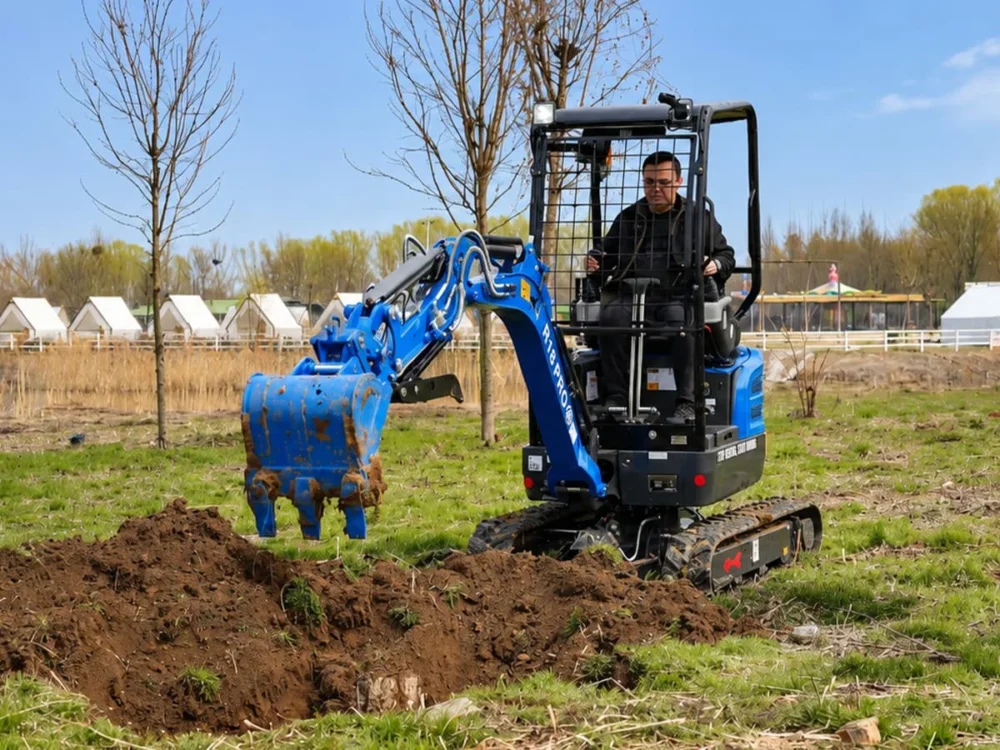
Winter equipment care continues after excavation ends. Proper shutdown and inspection help prevent freezing problems and identify developing wear.
Park the machine on suitable, stable ground and follow the manufacturer’s shutdown instructions.
Lower attachments safely, secure the machine, and complete any required engine cool-down procedure.
Avoid parking where melting snow may refreeze around the tracks or undercarriage.
Clean accumulated snow, ice, and frozen mud from accessible tracks, rollers, buckets, and attachment connections.
Use approved cleaning methods and avoid damaging hoses, seals, or electrical components.
Regular mini excavator maintenance is especially important when equipment operates in freezing temperatures and wet conditions.
Document mini excavator operating hours, inspection findings, fluid conditions, and unusual operating behavior.
Follow the manufacturer’s mini excavator maintenance schedule for oil changes, filter servicing, lubrication, and component inspections.
Winter operating conditions may require additional checks according to manufacturer guidance.
For machinery dealers, helping customers understand cold-weather operation can strengthen equipment support and customer relationships.
RIPPA is a construction machinery manufacturer serving international equipment buyers and potential distribution partners.
Interested in supplying mini excavators to customers operating in cold climates? Explore RIPPA distributor opportunities to discuss equipment sourcing, operating guidance, and potential long-term dealership cooperation.

Yes, if the machine is approved for the conditions and appropriate fluids, starting procedures, and operating precautions are followed.
Warm-up requirements vary by machine and temperature. Follow the manufacturer’s instructions rather than using a fixed time for every excavator.
Yes, when soil conditions and machine capabilities permit. Very hard frozen ground may require specialized equipment or alternative excavation methods.
Tel: +8615628788742
Correo electrónico: contact02@rippa.com
WhatsApp: Excavadora Rippa
Dirección: Sexto parque industrial, ciudad de Jining, provincia de Shandong, China

 ES
 EN
 IT
 FR
 RU
 DE
 PT
 TR
 BG
 HR
 RO
 CS
 NN
 SL
 SV
 HU
 SK
 DA
 FI
 PL
 PT_BR

