Planning a wholesale purchase requires more than selecting equipment and placing an order. For importers, wholesalers, and equipment dealers interested in mini excavators for sale, a successful purchasing plan should consider market demand, product selection, budget allocation, supplier capabilities, and inventory management.
Buying too many machines can increase financial pressure, while purchasing too few may limit sales opportunities. Therefore, dealers need a structured approach to balance purchasing quantities with actual market demand.
This guide explains five practical steps to help businesses plan wholesale mini excavator purchases, manage costs, and develop reliable supply relationships with manufacturers.
Before placing a wholesale order, dealers should understand their target market and estimate potential equipment demand.
Research Local Market Demand
Identify the main industries purchasing mini excavators in your market, including construction, landscaping, agriculture, and property maintenance.
Study local customer requirements, competing equipment categories, and common purchasing preferences. This information helps dealers understand which machines may have stronger sales potential.
Analyze Customer Types
Different customers have different purchasing priorities. Contractors may focus on working performance, while equipment distributors may prioritize product availability and resale opportunities.
Importers should also identify potential business customers before deciding how much equipment to purchase.
Review Historical Sales Data
If your business already sells construction equipment, review previous sales records, customer inquiries, and purchasing patterns.
Identify which equipment categories generate consistent demand and which products require more market testing.
Set Realistic Wholesale Targets
Establish an initial purchasing target based on estimated demand, available capital, and warehouse capacity.
For businesses entering the mini excavators for sale market, starting with a manageable order can help reduce inventory risks while testing local demand.
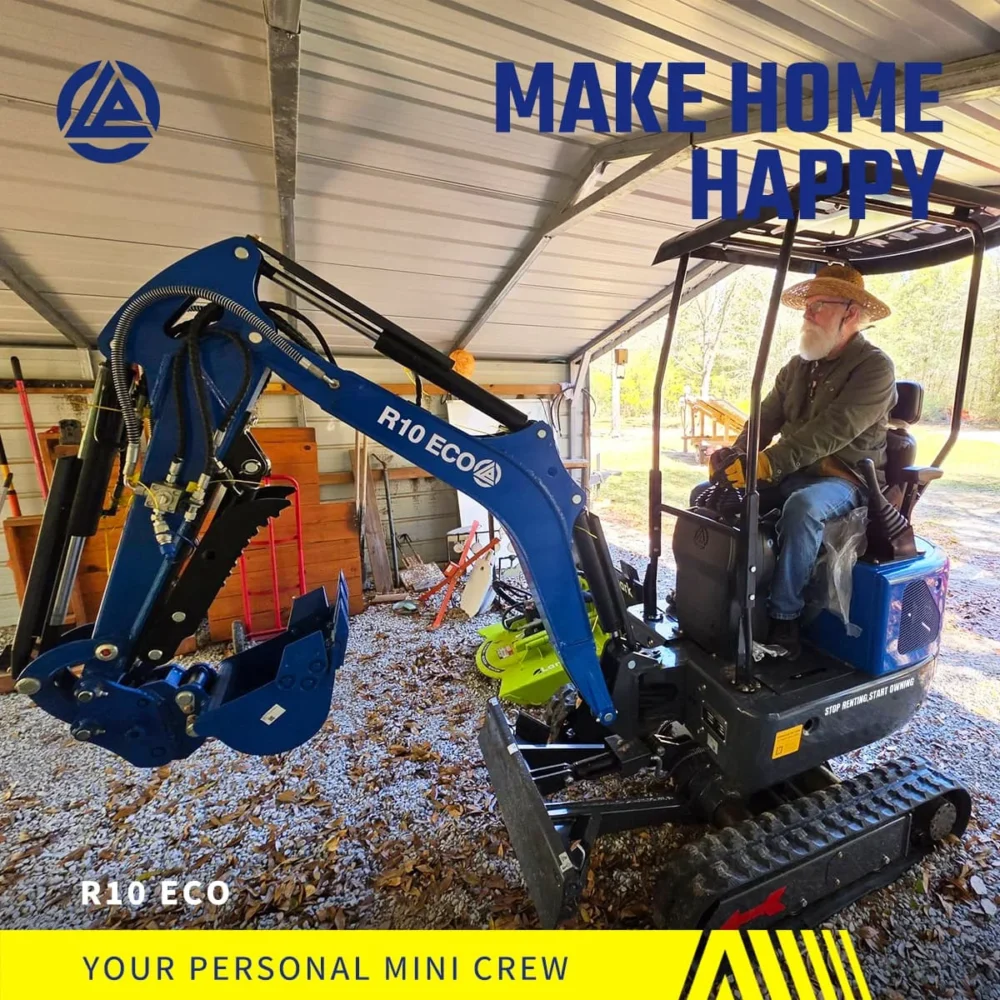
After understanding market demand, dealers need to select suitable equipment categories and determine how many machines to purchase.
Match Equipment to Customer Applications
Identify the main applications your customers expect to handle.
For example, construction businesses may require equipment for general excavation, while landscaping companies may prioritize maneuverability and work in restricted spaces.
When selecting a mini excavator for sale, consider the working environment, intended applications, customer preferences, and available configurations.
Compare Equipment Requirements
Review relevant equipment information, including operating capabilities, configurations, attachments, and available documentation.
Avoid selecting equipment based only on advertised specifications. Consider whether the machine matches the actual requirements of your target customers.
Determine Initial Order Quantities
Calculate purchasing quantities according to expected demand, available capital, and inventory capacity.
Dealers should distinguish between confirmed customer orders, expected sales, and speculative inventory.
This makes it easier to avoid purchasing more equipment than the market can absorb.
Plan Future Purchasing Adjustments
Review sales performance after the first purchasing cycle.
Increase orders for equipment categories with stronger demand and adjust purchasing quantities when customer preferences change.
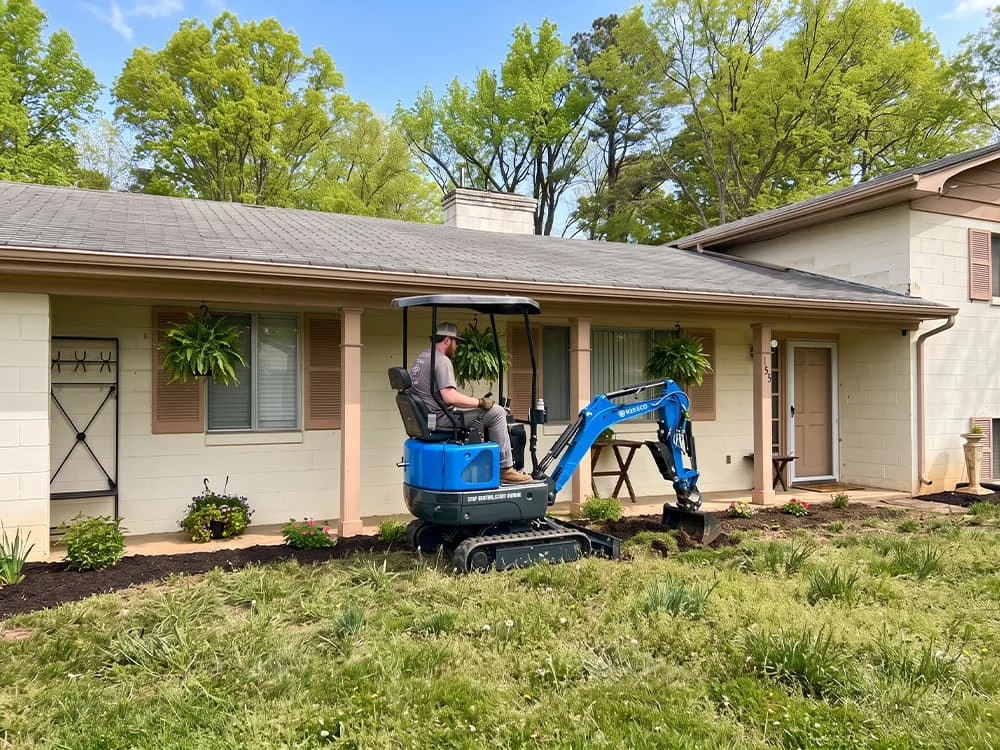
A balanced product mix helps dealers serve different customer groups without concentrating too much inventory in one equipment category.
Identify Different Customer Segments
Businesses searching for a small excavator for sale may include construction contractors, landscaping companies, agricultural businesses, and equipment resellers.
Each group may have different requirements regarding equipment applications, configurations, and purchasing budgets.
Build a Suitable Product Combination
Plan your wholesale purchasing mix according to customer demand rather than selecting equipment randomly.
When evaluating compact excavators for sale, consider the intended applications, working environments, and customer preferences.
A diversified product mix can help dealers serve more market segments.
Allocate Purchasing Quantities
Determine how much capital should be allocated to each equipment category.
Give priority to categories supported by stronger customer demand or existing purchasing interest.
Avoid committing too much inventory to equipment that has not been adequately tested in your local market.
Review Product Mix Regularly
Monitor sales performance, customer feedback, and inventory movement.
Adjust future wholesale orders according to actual demand instead of relying entirely on previous purchasing assumptions.
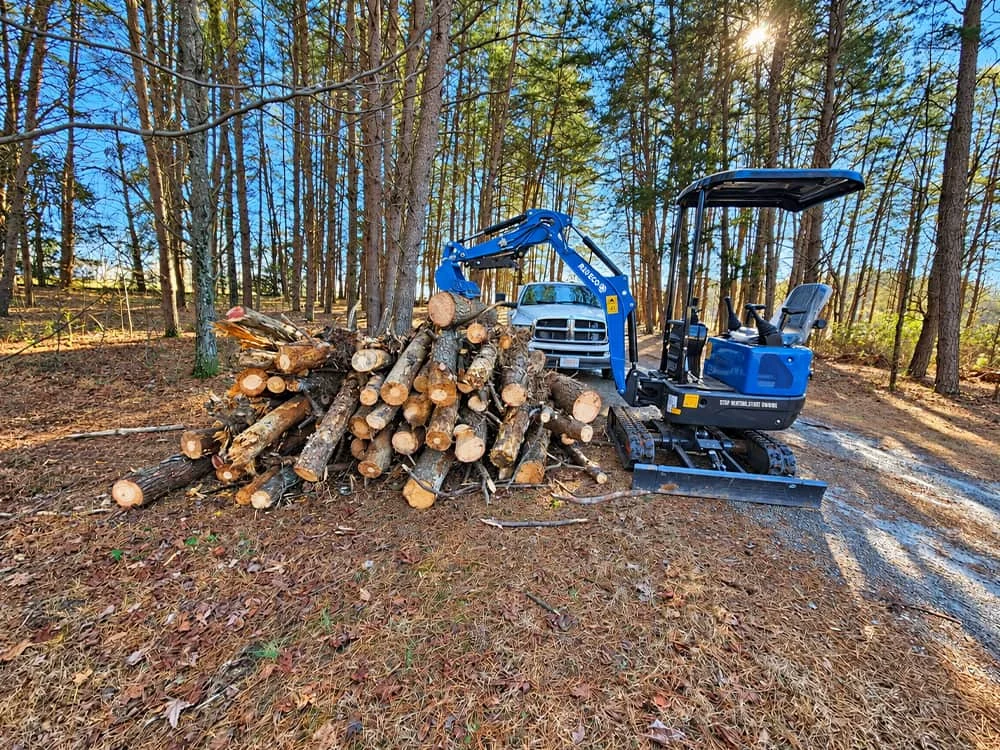
A realistic purchasing budget should include more than the equipment quotation. Dealers need to understand the total investment required to import, store, and distribute machinery.
Calculate Equipment Purchasing Costs
When reviewing mini excavator price, compare unit quotations, purchasing quantities, included attachments, and applicable commercial terms.
Calculate the total equipment cost by multiplying the agreed unit price by the purchasing quantity.
Include Transportation and Import Costs
For international wholesale purchases, consider transportation, export packaging, insurance where applicable, customs clearance, import duties, and other destination-related charges.
Actual costs depend on the destination country, shipping arrangements, and applicable regulations.
Estimate Warehouse and Inventory Expenses
Include warehouse rental, unloading, handling, equipment storage, and inventory management costs.
These expenses should be considered before determining the final purchasing budget.
Reserve Funds for Unexpected Expenses
Set aside a reasonable financial reserve for unexpected transportation costs, currency fluctuations, or changes in purchasing arrangements.
Calculate the Total Investment
Combine equipment costs, logistics, import expenses, warehouse expenses, and other relevant costs.
This gives dealers a clearer understanding of the capital required for wholesale purchasing and helps them establish realistic resale pricing.

Choosing a suitable Chinese mini excavator supplier is important for managing wholesale orders and maintaining a stable equipment supply.
Evaluate Supplier Capabilities
Review the manufacturer’s business background, product documentation, available equipment categories, communication quality, and supply arrangements.
Ask about purchasing requirements, production schedules, and available cooperation options before placing an order.
Plan Order and Delivery Schedules
Discuss purchasing quantities, order confirmation, production arrangements, packaging, and estimated delivery schedules.
For larger orders, consider whether staged purchasing and deliveries would better match your warehouse capacity and sales plans.
Confirm important commercial and delivery conditions in writing.
Establish Inventory Management Procedures
Maintain records of incoming equipment, available inventory, completed sales, and outstanding customer orders.
Set inventory replenishment targets according to sales performance and supplier delivery arrangements.
Avoid excessive stock that ties up capital without sufficient customer demand.
Plan Spare Parts and Maintenance Support
Dealers should also consider spare parts availability and after-sales support when planning wholesale purchases.
Review applicable mini excavator maintenance information, recommended servicing procedures, and maintenance documentation provided by the manufacturer.
Consider which commonly required parts and accessories should be available to support local customers.
Explore Wholesale and Dealer Cooperation with RIPPA
For businesses planning to expand their construction equipment distribution, working with a reliable manufacturer can support long-term purchasing and market development.
RIPPA is a construction machinery manufacturer serving international equipment buyers and potential distribution partners.
Importers, wholesalers, and businesses interested in becoming RIPPA dealers can explore RIPPA distributor opportunities to discuss equipment sourcing, wholesale purchasing requirements, and potential dealership cooperation.
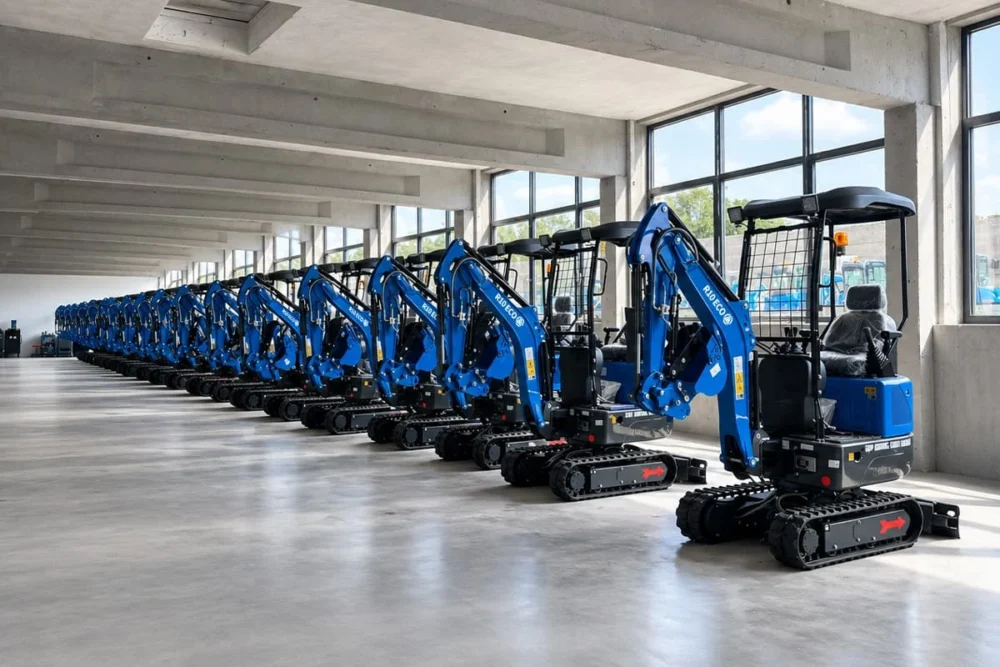
The quantity depends on local demand, available capital, warehouse capacity, and expected sales. Start with a manageable order based on realistic purchasing forecasts.
Bulk purchasing may suit businesses with established demand and sufficient storage, while staged purchasing can help reduce inventory and financial risks.
Use sales data to set purchasing targets, monitor inventory turnover, and adjust replenishment quantities according to actual customer demand.
Tel: +8615628788742
E-posta: contact02@rippa.com
WhatsApp: Rippa Ekskavatör
Adres: Altıncı sanayi parkı, Jining şehri, Shandong Eyaleti, Çin

 TR
 EN
 ES
 IT
 FR
 RU
 DE
 PT
 BG
 HR
 RO
 CS
 NN
 SL
 SV
 HU
 SK
 DA
 FI
 PL
 PT_BR

