When comparing mini excavators for sale, lifting capacity is an important specification for contractors, construction businesses, and equipment dealers. Mini excavators can lift pipes, construction materials, landscaping supplies, and other loads when properly equipped and operated within their rated limits.
However, the weight a mini excavator can safely lift depends on machine size, lifting height, working radius, configuration, and stability. There is no single lifting capacity that applies to every machine.
Understanding these differences helps buyers choose suitable equipment and allows dealers to explain machine capabilities more accurately.
Mini excavators have different lifting capacities because their structures, hydraulic systems, and operating conditions vary.
A smaller machine may lift a load safely when it is close to the excavator, but its rated capacity may decrease as the load moves farther away.
Larger machines often have greater lifting capabilities, although operating weight alone cannot determine the amount they can safely lift.
Lifting performance also changes according to boom position, ground stability, and equipment configuration.
For example, lifting a heavy pipe directly in front of a machine may involve different stability conditions than lifting the same pipe over its side.
Regular mini excavator maintenance helps keep hydraulic components, tracks, and lifting equipment in proper working condition. Nevertheless, maintenance cannot increase the manufacturer’s rated lifting capacity.
Buyers should always consult the lifting chart for the exact machine and configuration before performing lifting operations.
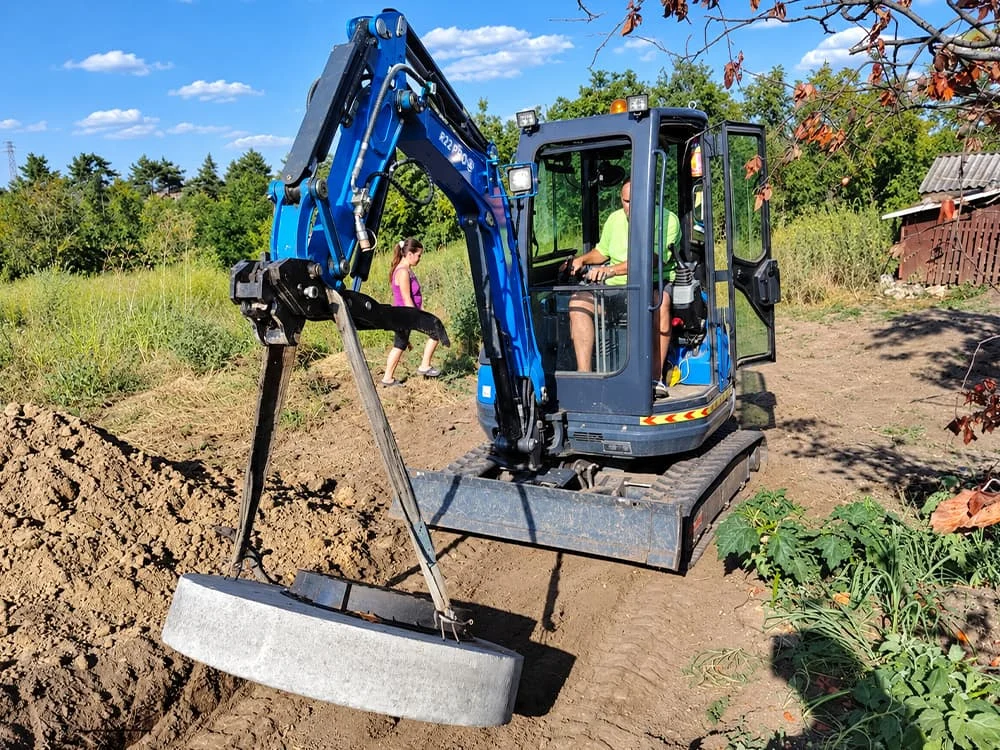
Bu mini excavator lifting capacity generally increases with machine size, but actual rated loads vary considerably between models.
The following table provides a general comparison of machine categories without assigning unsupported lifting weights.
| Excavator Size | Operating Weight Category | General Lifting Characteristics |
| Micro excavator | Below 1 ton | Limited lifting capability for lightweight tasks |
| Small mini excavator | 1–2 tons | Suitable for certain light material-handling tasks |
| Medium mini excavator | 2–3 tons | May offer greater lifting capability and stability |
| Larger mini excavator | 3–5 tons | Often better suited to more demanding lifting applications |
| Compact excavator | 5–6 tons | May provide higher rated lifting capacities |
These categories are illustrative. They do not represent standardized lifting ratings or establish safe load limits.
A machine’s operating weight is not its rated lifting capacity. Actual allowable loads must be determined using the manufacturer’s lifting chart for the specific configuration and lifting position.
When comparing mini excavators for sale, buyers should evaluate lifting capacity alongside working radius, operating weight, and hydraulic performance.
Customers exploring compact excavators for sale may require greater material-handling capability for utility installation or construction projects.
Smaller machines can offer advantages in restricted spaces, but they may have lower lifting limits.
For equipment dealers, understanding these distinctions helps match machine capabilities with customer requirements.
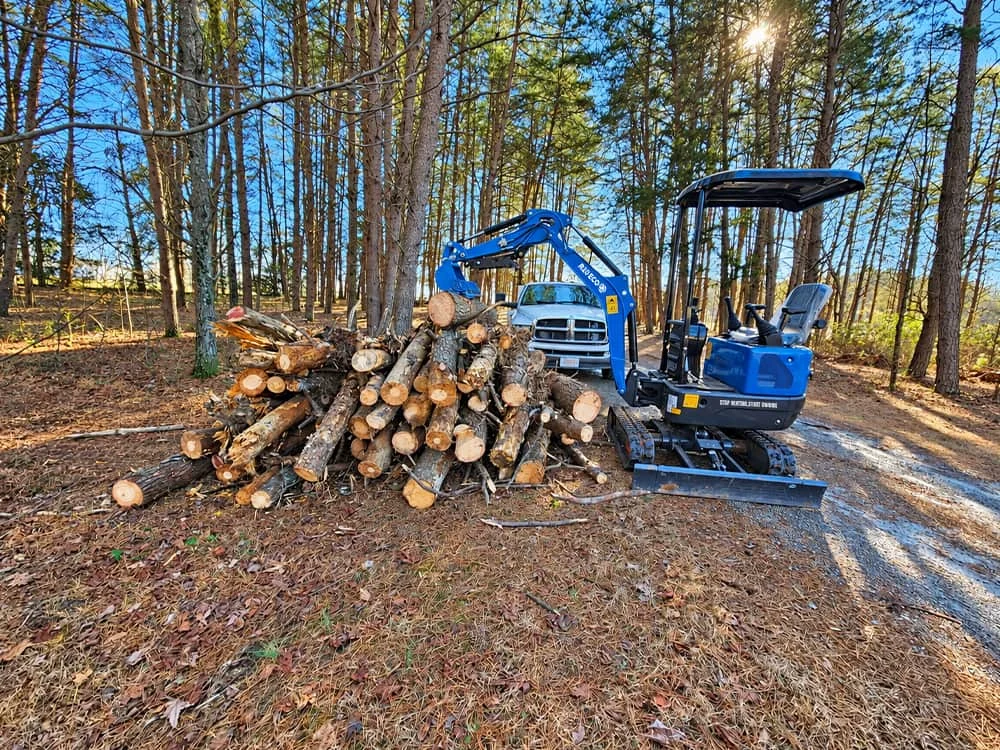
Several technical and operational factors directly influence lifting capacity.
Machine weight, undercarriage dimensions, and counterweight configuration affect stability during lifting.
Lifting radius is the horizontal distance from the machine’s swing center to the load. Rated capacity generally decreases as this distance increases.
The position of the boom and arm affects machine leverage and hydraulic requirements. Capacity changes at different heights and working positions.
Hydraulic components provide the force required to raise and position loads. However, hydraulic power does not eliminate machine stability limits.
Soft, uneven, or unstable ground can increase lifting risks. Machines must be positioned according to the manufacturer’s operating instructions.
Buckets, quick couplers, lifting hooks, and other attachments contribute weight that must be accounted for when determining the allowable payload.
Regular mini excavator maintenance is essential for keeping hydraulic hoses, cylinders, tracks, and lifting components in serviceable condition.
Operators must also use approved lifting points and equipment, follow the manufacturer’s rated lifting chart, and never exceed the permitted load.
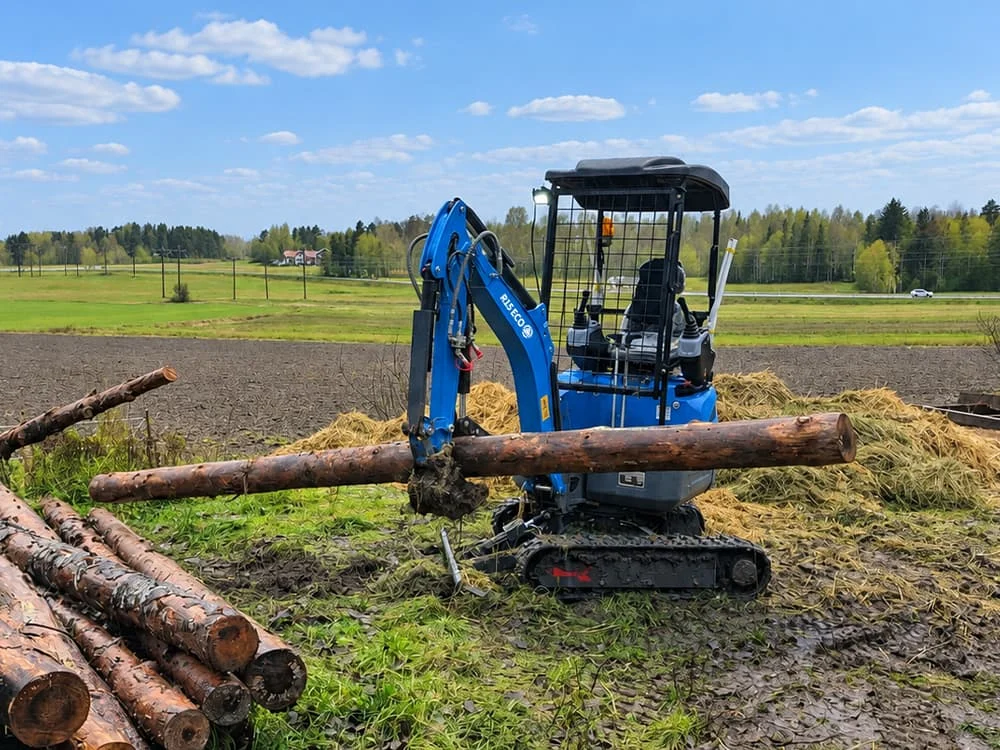
Choosing suitable lifting capacity begins with identifying the materials and operating conditions involved in a project.
Landscaping Projects
Landscaping contractors may need to handle stones, planting materials, and construction supplies. A smaller excavator may be suitable when load weights and working distances remain within its rated limits.
Utility Installation
Utility contractors may need to position pipes and other materials inside trenches. The machine must have sufficient rated capacity at the required lifting radius and height.
Construction Applications
Construction projects may involve handling building materials and supporting excavation activities. Larger machines may offer greater lifting capabilities, depending on their specifications.
When comparing a mini excavator for sale, buyers should examine:
A buyer searching for a small excavator for sale may prioritize maneuverability, while customers needing greater lifting performance may prefer a heavier machine.
Bu mini excavator price should be considered alongside lifting capability, equipment configuration, maintenance requirements, and long-term operating needs.
Buyers should also distinguish lifting capacity from mini excavator digging depth. Digging depth describes how far below ground a machine can excavate, while lifting capacity defines how much weight it can safely raise under specified conditions.
Choosing the right equipment requires evaluating both specifications according to project requirements.
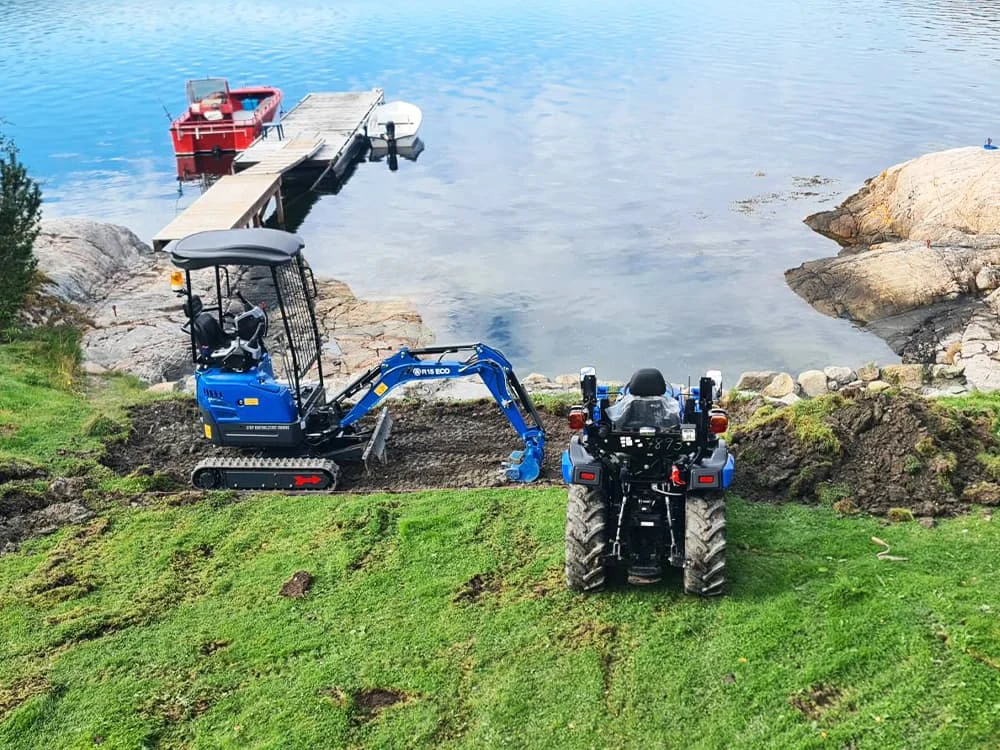
RIPPA is a construction machinery manufacturer offering mini excavators for construction, landscaping, agriculture, and property maintenance applications.
Different equipment sizes and configurations can support different excavation and material-handling requirements.
For customers evaluating lifting performance, important considerations include machine stability, hydraulic capability, working dimensions, attachment compatibility, and manufacturer specifications.
Businesses exploring mini excavators for sale should request the relevant technical documentation and lifting capacity information before selecting equipment.
For potential distributors, understanding local construction requirements can help determine which equipment categories are suitable for their markets.
Dealers serving landscaping contractors, utility businesses, and construction companies may encounter different lifting requirements. Offering an appropriate product range can help address these customer needs.
RIPPA welcomes inquiries from businesses interested in wholesale purchasing and long-term distribution cooperation.
Companies considering a construction equipment dealership can visit the RIPPA distributor recruitment page to explore cooperation opportunities, discuss equipment requirements, and request additional product information.

Lifting capacity varies by model, working radius, lifting height, and configuration. Always use the manufacturer’s rated lifting chart to determine safe limits.
Not always. Larger machines often have greater lifting capacity, but actual ratings depend on machine design, stability, and lifting position.
No. Exceeding rated lifting capacity can cause instability, equipment damage, or serious accidents. Always follow manufacturer limits.
Tel: +8615628788742
E-posta: contact02@rippa.com
WhatsApp: Rippa Ekskavatör
Adres: Altıncı sanayi parkı, Jining şehri, Shandong Eyaleti, Çin

 TR
TR  EN
EN  ES
ES  IT
IT  FR
FR  RU
RU  DE
DE  PT
PT  BG
BG  HR
HR  RO
RO  CS
CS  NN
NN  SL
SL  SV
SV  HU
HU  SK
SK  DA
DA  FI
FI  PL
PL  PT_BR
PT_BR 
