Trenching is an important application for compact construction machinery. From underground utility installation to agricultural irrigation and drainage projects, mini excavators for sale provide practical solutions for contractors working in residential, agricultural, and restricted construction areas.
Their compact design allows operators to work in locations where larger machines may have limited access. However, successful trenching requires more than choosing a small machine. Excavation depth, trench width, soil stability, attachment selection, and operating conditions all influence project efficiency.
For machinery dealers and importers, understanding these applications helps identify customer requirements and recommend suitable equipment for different trenching projects.
Mini excavators are suitable for various trenching applications that require controlled digging, maneuverability, and efficient operation in limited spaces.
Water Pipe Installation
Mini excavators can dig trenches for underground water supply lines, plumbing connections, and residential pipe installations. Their maneuverability is useful around buildings, driveways, and other locations with restricted equipment access.
Electrical and Communication Cable Trenches
Underground electrical and communication networks often require accurately positioned trenches. Using appropriately sized buckets helps operators control trench width and avoid unnecessary excavation.
Drainage System Construction
Mini excavators can support trenching for stormwater pipes, underground drainage systems, and French drains. Proper trench depth and gradient are important for effective drainage performance.
Agricultural Irrigation
Agricultural properties frequently require trenches for irrigation pipelines and water distribution systems. Compact machines can be particularly useful when working between existing structures, planted areas, or narrow access routes.
Landscaping and Foundation Work
Landscape drainage, garden utilities, and certain foundation-related excavations may also benefit from mini excavators. Actual suitability depends on equipment capabilities, engineering specifications, and site conditions.
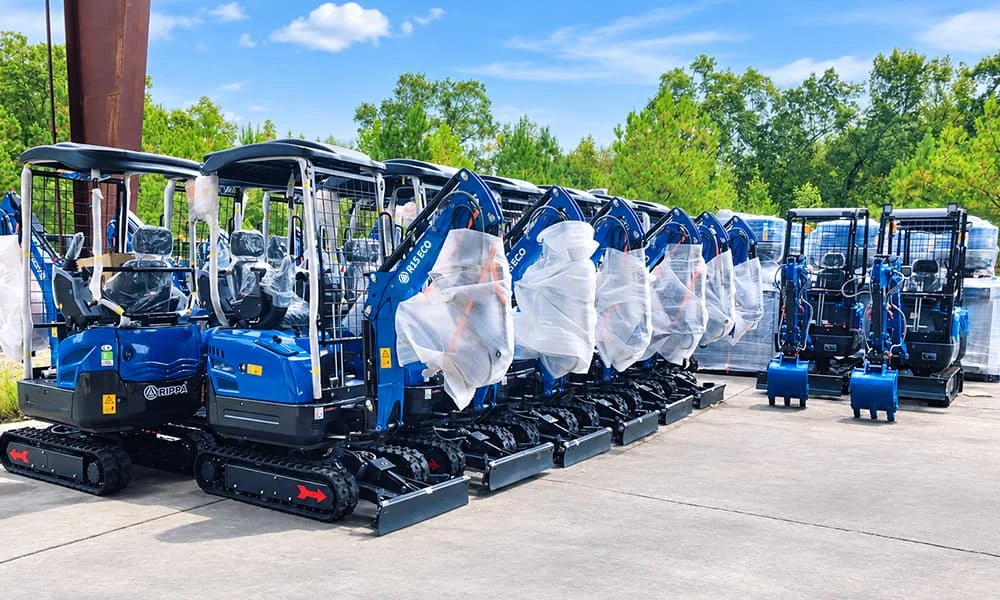
Different trenching applications require specific excavation methods and careful project preparation.
Plan the Excavation Route
Before digging, confirm the trench location, required width, target depth, and equipment access. Existing underground utilities must be located through appropriate local procedures before excavation begins.
Excavate Utility Trenches
For water pipes, electrical cables, and communication lines, operators follow the marked route while controlling digging depth and bucket positioning. When working near existing utilities, follow applicable safety requirements and use non-mechanical excavation methods where necessary.
Maintain Drainage Gradients
Drainage systems often require a consistent slope toward a designated outlet. Operators should verify trench depth and elevation against the approved drainage design throughout the excavation process.
Prepare Irrigation Trenches
Irrigation trenches may extend across uneven agricultural land. Plan machine movement, pipe alignment, and soil placement to reduce unnecessary repositioning and avoid damaging existing agricultural infrastructure.
Manage Excavated Soil Safely
Place excavated material at a safe distance from trench edges according to local requirements. Where necessary, use appropriate protective systems to prevent trench collapse. Workers should never enter an excavation that requires protection without the necessary safeguards.
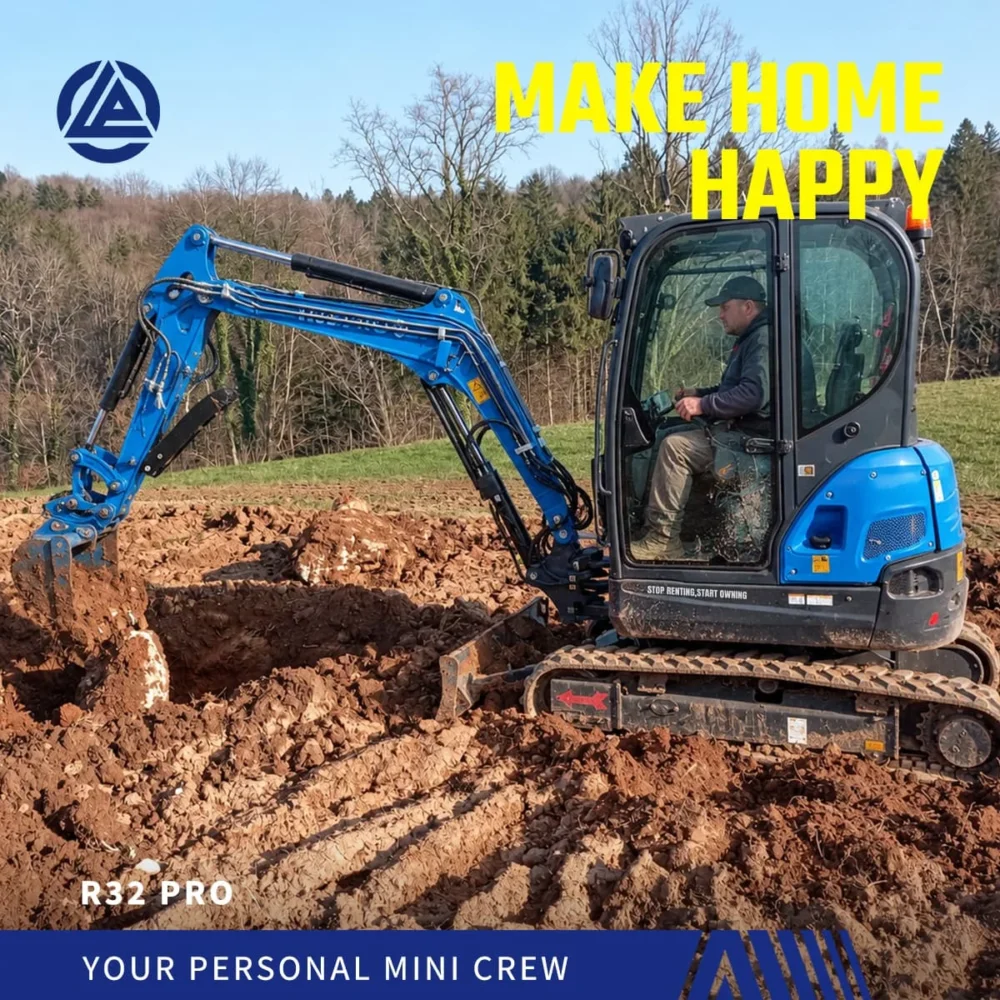
The right machine and attachments depend on trench dimensions, available working space, and excavation conditions.
Match Excavation Depth
Compare the required trench depth with the machine’s rated digging depth. When evaluating a mini excavator for sale, request verified digging specifications rather than selecting equipment based only on its advertised size.
Consider Trench Width and Machine Dimensions
Narrow trenches often require smaller digging buckets, while wider excavations may benefit from standard buckets.
When comparing a small excavator for sale, consider operating weight, machine width, digging reach, and available maneuvering space.
Similarly, buyers exploring compact excavators for sale should evaluate actual site access and safe operating limits.
Select Suitable Attachments
Common mini excavator accessories for trenching include:
Check attachment dimensions, mounting compatibility, hydraulic requirements, and equipment capacity before use.
Evaluate Equipment Purchasing Costs
Beyond the mini excavator price, consider digging performance, attachment availability, maintenance requirements, and technical documentation.
The most suitable machine should meet project requirements without exceeding its rated operating capabilities.
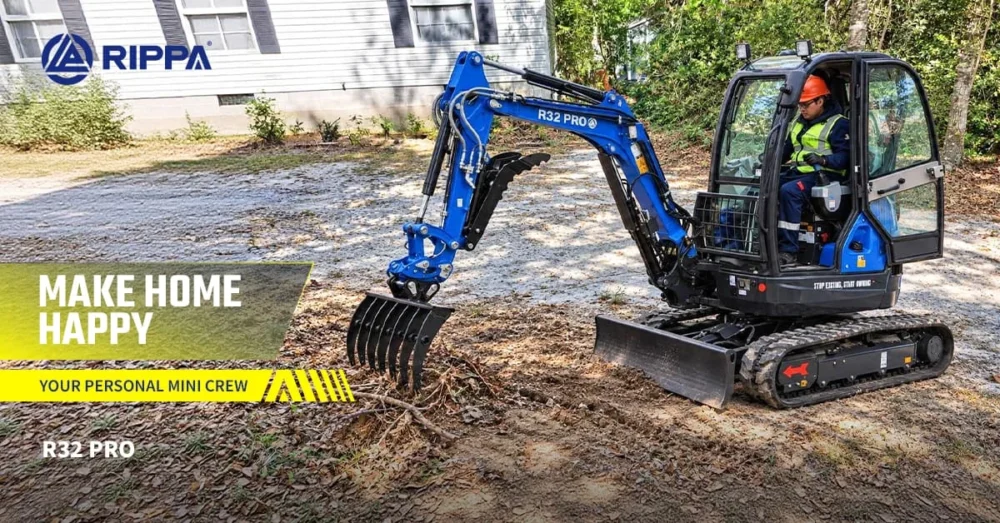
Soil characteristics, ground stability, and restricted access can significantly affect trenching performance.
Adapt Excavation Methods to Different Soil Conditions
Soft or unstable soil may require additional ground-stability precautions.
Clay can increase digging resistance and cause material to stick inside buckets, while rocky ground may require appropriate specialized attachments.
Sandy soil can lose stability quickly, making suitable trench protection essential.
Position the Machine Safely
Operate from firm, suitable ground and maintain an appropriate distance from excavation edges.
Avoid placing machine loads where they could contribute to trench collapse or unstable ground conditions.
Maintain Accurate Trench Alignment
Follow marked excavation lines and check trench depth regularly. Controlled bucket movements help reduce over-excavation, unnecessary soil removal, and rework.
Organize Excavation Sequences
Plan machine movement and material placement to minimize unnecessary repositioning. Keep work areas clear and maintain safe access routes throughout the project.
Work Within Site Restrictions
Compact machines can offer advantages near buildings, fences, and narrow access routes. However, operators must still check machine clearance, overhead hazards, underground utilities, and available working space.
Efficient excavation depends on matching equipment capabilities with site conditions and safe operating practices.
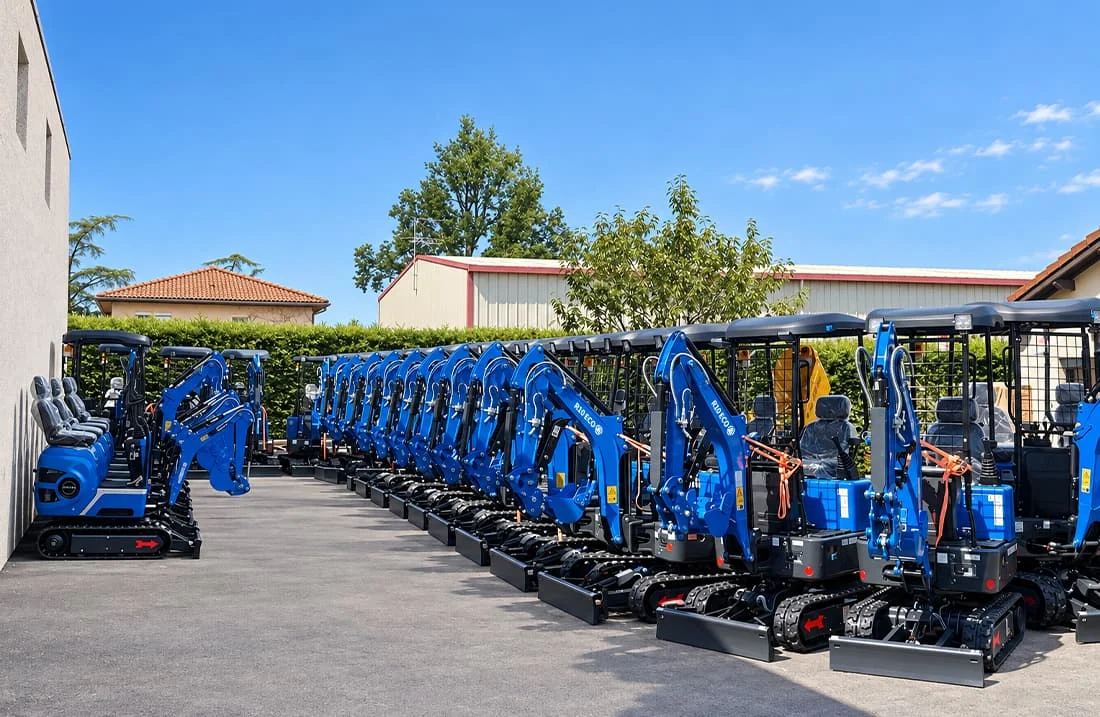
Regular mini excavator maintenance supports reliable operation and helps reduce unexpected downtime during trenching projects.
Complete Pre-Operation Inspections
Use a mini excavator inspection checklist before beginning excavation.
Check hydraulic connections, fluid levels, tracks, bucket teeth, attachment pins, and visible structural components. Address significant defects before operating the equipment.
Maintain Hydraulic Systems
Hydraulic performance is essential for digging and attachment operation. Inspect hoses, fittings, and connections for damage or leaks.
Follow manufacturer recommendations for hydraulic fluid, filters, and servicing intervals.
Inspect Tracks and Undercarriage
Loose soil, mud, and stones can accumulate around tracks and undercarriage components. Remove excessive debris and check for abnormal wear to help prevent avoidable damage.
Follow Scheduled Servicing
Complete maintenance according to operating hours, manufacturer guidance, and actual working conditions.
Keep accurate service records to support future inspections and maintenance planning.
Consider Long-Term Manufacturer Support
For international machinery dealers, reliable trenching equipment also requires access to technical information, suitable replacement parts, and service coordination.
When evaluating a Chinese mini excavator supplier, consider equipment specifications, technical documentation, parts availability, and the supplier’s ability to support distribution requirements.
RIPPA is a construction machinery manufacturer serving international equipment buyers and potential distribution partners.
Dealers and importers interested in expanding their compact machinery business can explore RIPPA distributor opportunities to discuss mini excavator sourcing, trenching applications, equipment requirements, and potential long-term dealership cooperation.
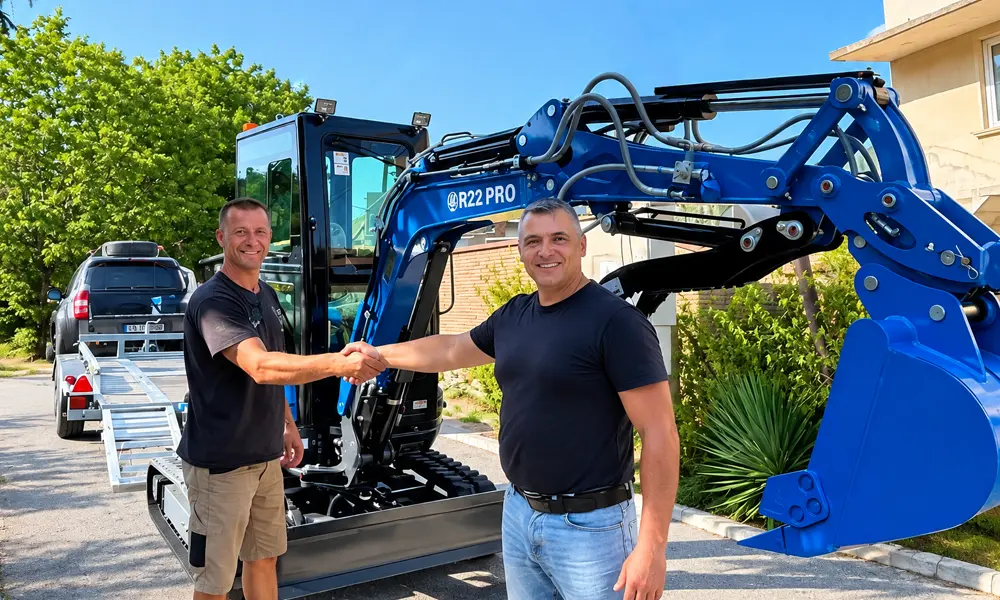
Mini excavators can be used for utility pipes, drainage systems, irrigation lines, landscaping, and other suitable trenching projects, depending on machine capabilities and site requirements.
Compare required digging depth, trench width, machine dimensions, digging capacity, and available working space.
Narrow buckets are often suitable for utility trenches, while standard digging buckets may work better for wider excavations. Always verify attachment compatibility.
Tfn: +8615628788742
E-post: contact02@rippa.com
WhatsApp: Rippa grävmaskin
Adress: Den sjätte industriparken Den sjätte industriparken,Jining stad,Shandong-provinsen,Kina

 SV
 EN
 ES
 IT
 FR
 RU
 DE
 PT
 TR
 BG
 HR
 RO
 CS
 NN
 SL
 HU
 SK
 DA
 FI
 PL
 PT_BR

