Starting an excavator business can be an opportunity for entrepreneurs interested in construction, landscaping, and property improvement. With the growing demand for small-scale excavation services, owning the right equipment can help you serve residential customers, contractors, and agricultural businesses.
Exploring mini excavators for sale is an important first step, but purchasing a machine alone is not enough to build a successful business. You also need to understand your local market, prepare the necessary resources, calculate startup costs, and develop a reliable customer acquisition strategy.
Before starting an excavator business, research local demand and identify the services customers need most. A clear business plan helps you avoid unnecessary investments and focus on profitable opportunities.
Identify your target customers.
Potential customers include residential builders, landscaping contractors, farmers, property developers, plumbers, and utility installation companies. Each group has different excavation requirements and project budgets.
Research local demand.
Look at construction activity, residential development, landscaping projects, and infrastructure improvements in your service area. Identify which excavation services are frequently needed and whether existing providers can meet local demand.
Choose your business direction.
You can specialize in trench digging, drainage installation, garden renovation, land preparation, or small foundation excavation. Starting with a few services that match local demand makes it easier to manage equipment and operating costs.
Study your competitors.
Compare local service providers, their pricing methods, service areas, and customer reviews. Look for opportunities to offer more flexible scheduling, reliable communication, or specialized excavation services.
A practical business plan should define your target market, service categories, expected expenses, pricing strategy, and revenue goals.
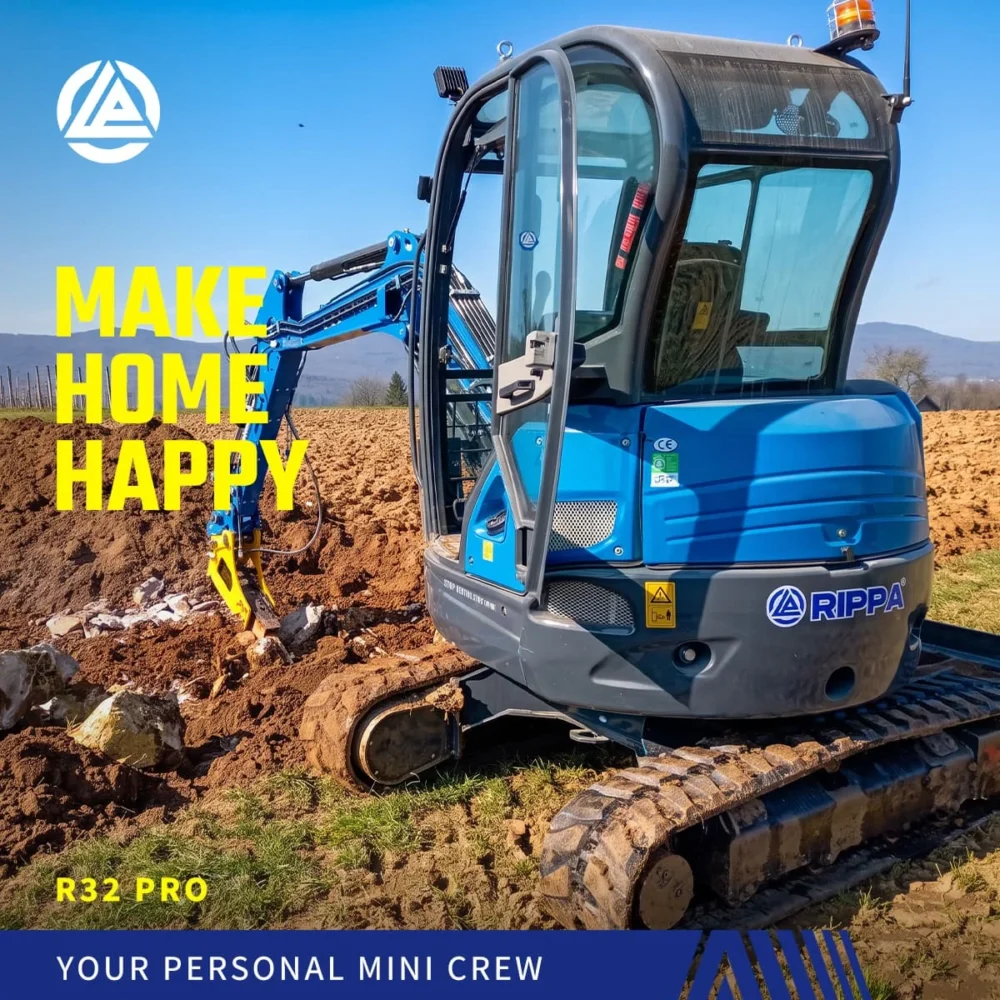
After identifying your business direction, prepare the legal, financial, and operational resources needed to start working.
Business registration and permits
Register your business according to local regulations. Check whether your area requires contractor licenses, excavation permits, environmental approvals, or additional qualifications for specific projects.
Business insurance
Research suitable general liability insurance, equipment coverage, and commercial vehicle insurance. Requirements vary by location and project type, so confirm the necessary coverage before accepting jobs.
Transportation and storage
Plan how to transport your excavator between job sites. You may need a suitable trailer, towing vehicle, loading equipment, and secure storage space.
Operating resources
Prepare basic tools, safety equipment, maintenance supplies, and administrative systems for quotations, invoices, and customer records.
Startup budget
Calculate the funds needed for equipment purchases, registration, insurance, transportation, marketing, and initial operating expenses. Keeping a financial reserve can help cover unexpected costs during the first months.
Preparing these resources before accepting projects helps your business operate more professionally and reduces avoidable delays.
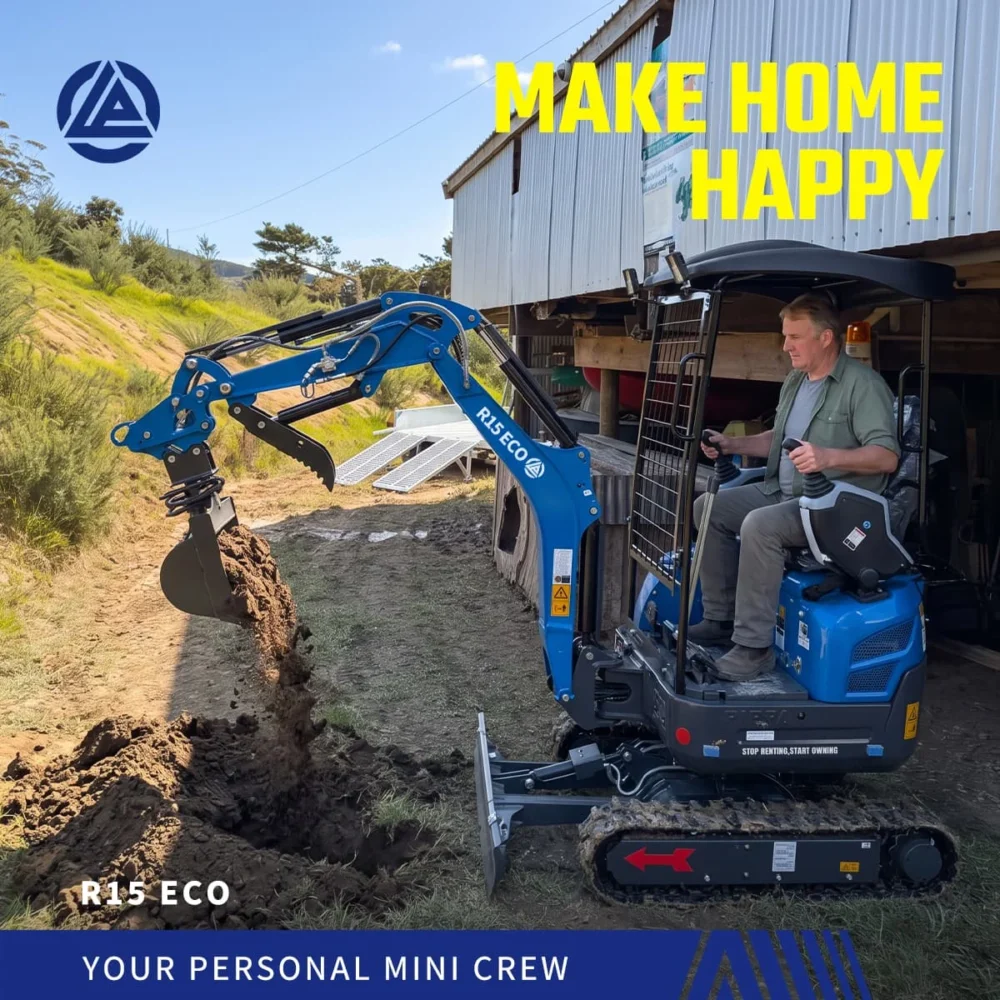
Choosing suitable equipment is one of the most important decisions when starting an excavator business. The machine should match your target services, working environments, and expected project volume.
Evaluate machine size and working capacity.
Consider operating weight, machine width, digging depth, and working reach. A compact machine may be more suitable for residential projects and restricted access areas, while larger equipment may be necessary for more demanding excavation work.
Check engine and hydraulic performance.
Evaluate engine reliability, fuel consumption, hydraulic responsiveness, and overall operating stability. These factors influence productivity and daily operating expenses.
Consider attachment compatibility.
Different projects require different tools. Buckets, augers, hydraulic breakers, and other attachments can expand the services your business offers.
Compare purchasing options.
When comparing a mini excavator for sale with other equipment, review specifications, warranty coverage, parts availability, and delivery arrangements. Buyers looking for a small excavator for sale or compact excavators for sale should compare actual working capabilities rather than focusing only on machine appearance.
Some buyers also use the search phrase “excavator small for sale.” Regardless of the wording, equipment selection should be based on job requirements and operating conditions.
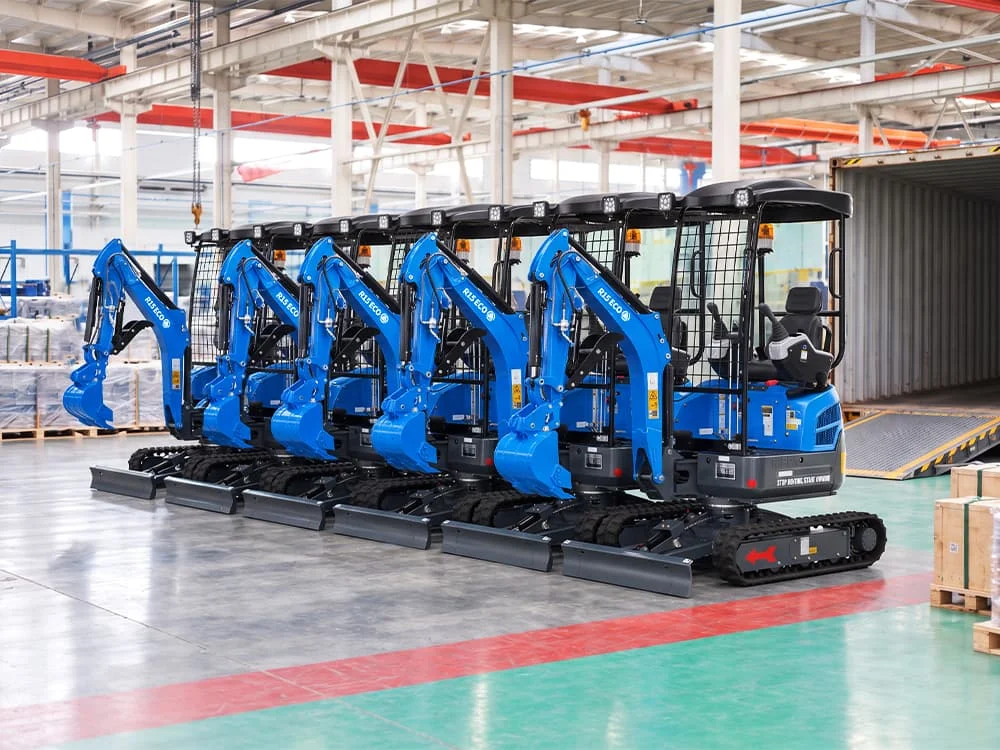
RIPPA is a construction machinery manufacturer offering mini excavators for different working needs. When evaluating RIPPA or other manufacturers, consider production quality, equipment configurations, attachment support, spare parts availability, and after-sales communication.
Selecting a suitable manufacturer and machine can help establish a reliable foundation for your new business.
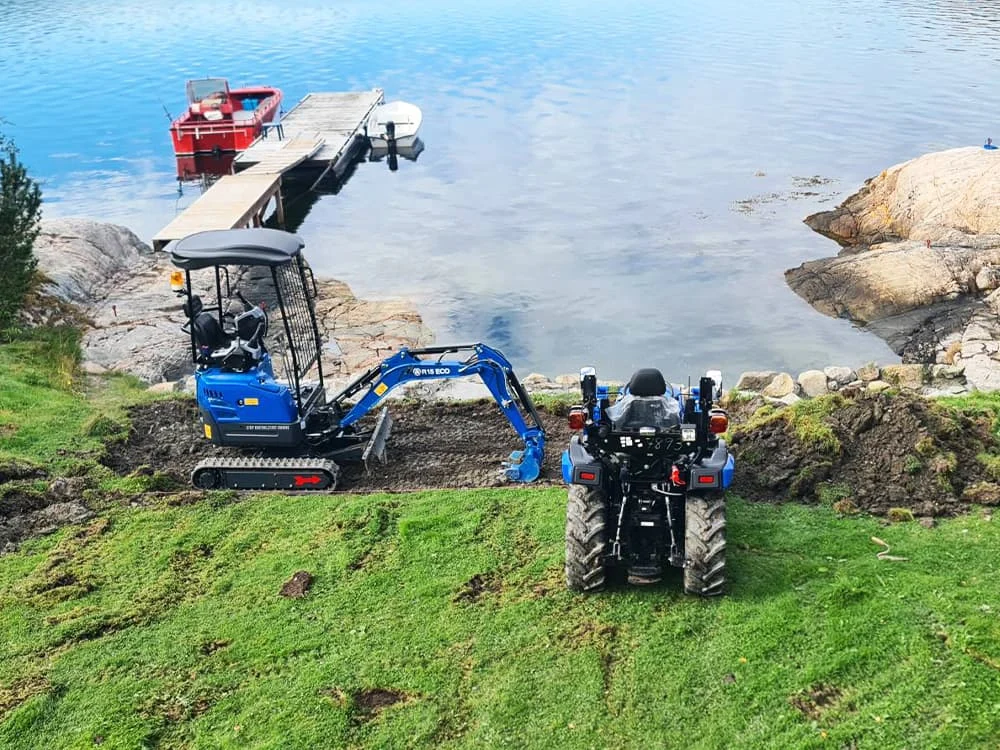
Spletna stran mini excavator price is a major part of your initial investment, but it is not the only expense to consider. A complete startup budget should include both equipment purchases and ongoing business costs.
Important startup expenses include:
| Cost Category | What to Include |
| Equipment | Machine purchase and attachments |
| Transportation | Trailer, towing vehicle, and delivery |
| Insurance | Business and equipment coverage |
| Registration | Business registration and applicable permits |
| Maintenance | Routine servicing and replacement parts |
| Marketing | Website, advertising, and customer development |
| Operations | Fuel, labor, storage, and administrative expenses |
After calculating startup costs, establish service prices that cover operating expenses and generate a reasonable profit.
For example, excavation services can be priced by the hour, project, or completed work scope, depending on local market practices. When preparing quotations, consider transportation, labor, fuel consumption, soil conditions, and equipment operating time.
Avoid setting prices based only on competitors. Your pricing should reflect actual costs, service quality, and the value delivered to customers.
Monitoring monthly revenue and expenses also helps identify whether your business is generating enough income to cover operating costs and support future investment.
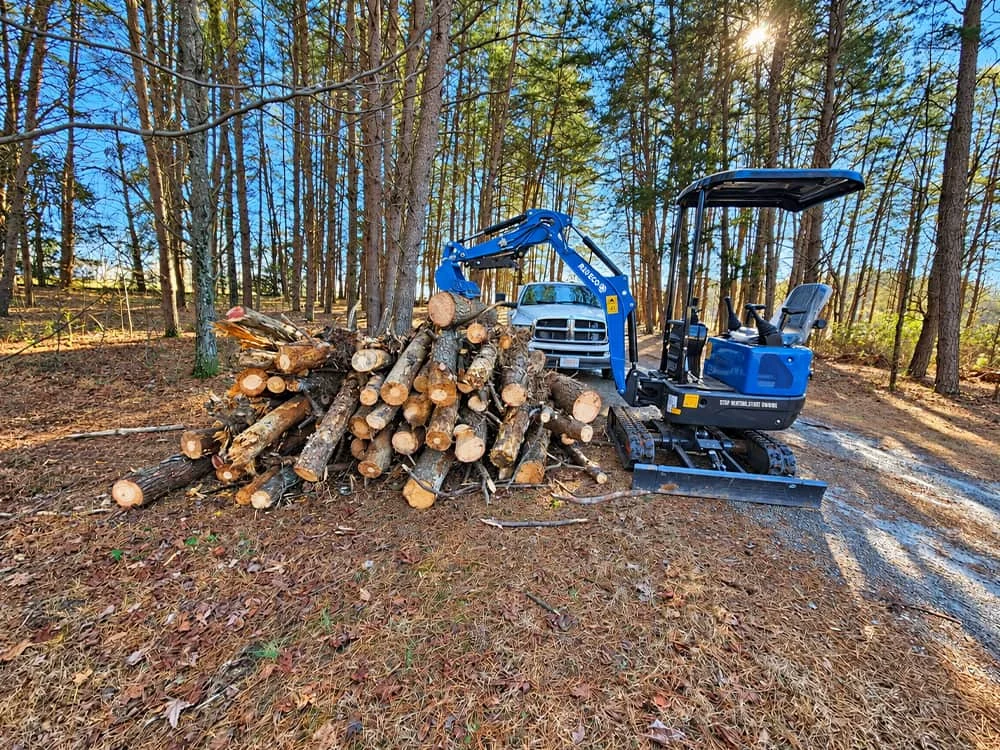
Finding customers is essential for turning equipment ownership into a sustainable business. A consistent marketing and customer development strategy helps generate inquiries and repeat projects.
Build local business relationships.
Contact construction contractors, landscaping companies, plumbers, electricians, farmers, and property improvement businesses. These organizations may regularly need excavation support.
Create an online presence.
Develop a website showing your services, equipment capabilities, completed projects, service areas, and contact information. Include real project photographs to help potential customers understand your work.
Use local marketing channels.
Google Business Profile, local search results, industry directories, and social media can help customers discover your services. Encourage satisfied customers to leave genuine reviews.
Develop repeat business.
Provide accurate quotations, arrive on schedule, communicate clearly, and complete projects professionally. Strong customer relationships can generate referrals and ongoing work.
Expand services gradually.
Once your business has stable demand, consider adding compatible attachments, improving transportation capacity, or expanding into additional excavation services.
Tracking inquiries, completed projects, customer feedback, and monthly revenue helps you identify which services deserve more investment.
It can be profitable when local demand, service pricing, equipment utilization, and operating costs are managed effectively.
Startup costs depend on equipment purchases, transportation, insurance, permits, attachments, and initial operating expenses.
Choose a machine based on your target services, working environment, digging requirements, and available budget.
Start by contacting local contractors, landscaping companies, farmers, and property developers. Build relationships and showcase completed projects.
Tel: +8615628788742
Elektronska pošta: contact02@rippa.com
WhatsApp: Rippa bager
Naslov: Šesti industrijski park, mesto Jining, provinca Shandong, Kitajska

 SL
 EN
 ES
 IT
 FR
 RU
 DE
 PT
 TR
 BG
 HR
 RO
 CS
 NN
 SV
 HU
 SK
 DA
 FI
 PL
 PT_BR

