Setting up a mini excavator dealer showroom is an important step for businesses entering the construction equipment market. A well-organized showroom allows customers to inspect machinery, compare equipment options, and discuss their purchasing needs directly with sales representatives.
For businesses exploring mini excavators for sale, a professional showroom can improve customer confidence and support local equipment sales.
However, successful showroom development requires careful planning. Dealers must choose a suitable location, establish a realistic budget, organize equipment displays, prepare daily operations, and create a customer follow-up process.
This guide explains five practical steps for building a mini excavator showroom that supports business growth.
Choosing the right location is the first step in establishing an equipment showroom.
Identify Your Target Customers
Research areas with construction contractors, landscaping businesses, agricultural companies, and other potential equipment buyers.
A showroom near major transport routes or commercial areas may be more convenient for customers visiting to inspect machinery.
Evaluate Site Accessibility
Consider road access, parking availability, delivery routes, and space for equipment transportation.
The property should accommodate machinery movement without creating unnecessary safety risks.
Check Local Requirements
Before selecting a property, verify applicable zoning rules, business permits, equipment storage restrictions, and site safety requirements.
Create a Showroom Budget
Include the following expenses in your initial plan:
Dealers promoting mini excavators for sale should compare projected showroom expenses with expected customer demand.
A practical budget helps avoid unnecessary investment during the early stages of business development.
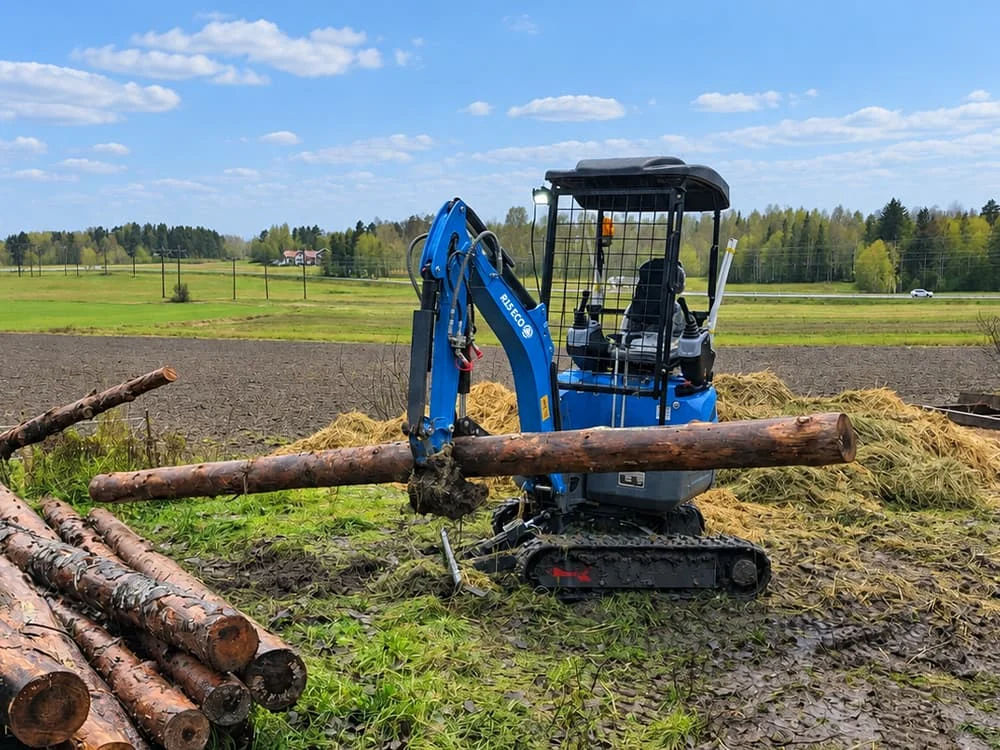
An effective showroom layout should make equipment easy to inspect while keeping customer movement safe and convenient.
Create an Equipment Display Area
Arrange machines with sufficient space between them for customer inspection and staff access.
Avoid overcrowding the showroom with equipment that restricts visibility or movement.
Set Up a Customer Reception Area
Provide a dedicated space for customer consultations, product information, and purchasing discussions.
Customers searching for a small excavator for sale may want to compare different equipment options before making a decision.
Plan Safe Walking Routes
Separate customer walking areas from equipment movement routes whenever practical.
Use clear signs and designated access points to guide visitors through the showroom.
Prepare Storage and Demonstration Areas
Keep machines awaiting delivery or preparation in appropriate storage locations.
If the property allows equipment demonstrations, establish a designated area with suitable supervision and safety procedures.
Finalize the Layout
Prepare a simple floor plan showing equipment positions, reception facilities, storage areas, and access routes before installing displays.
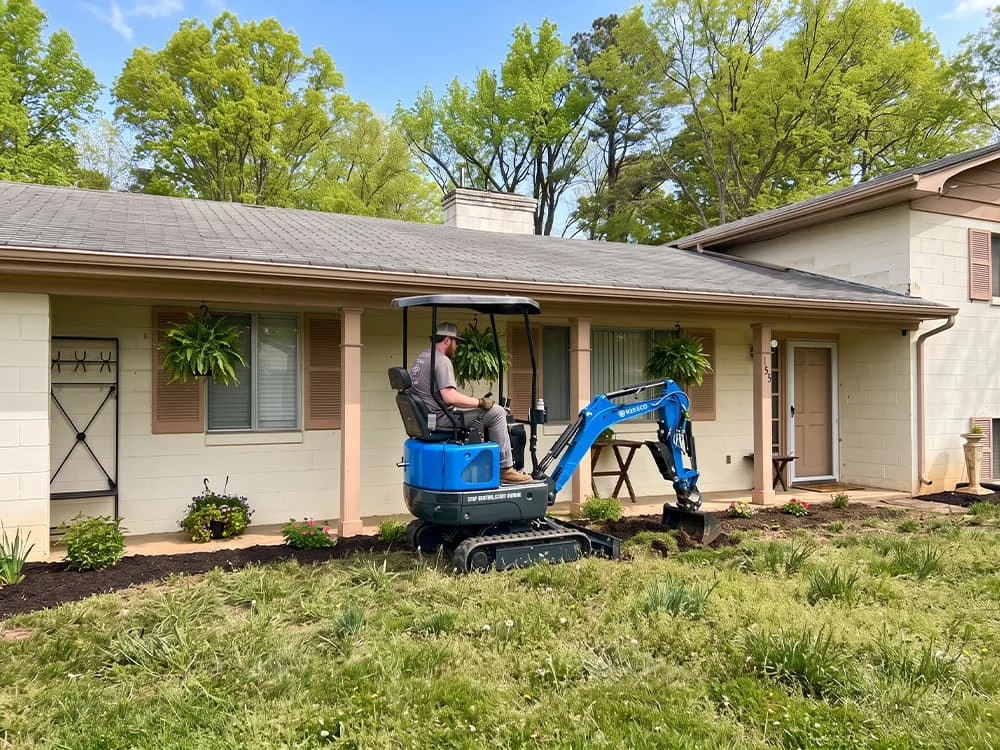
Selecting suitable display equipment helps dealers communicate product value and meet local customer expectations.
Choose Equipment Based on Market Demand
Review customer applications in construction, landscaping, agriculture, and property maintenance.
Dealers should select display categories that reflect the needs of their target markets rather than presenting equipment without a clear sales purpose.
Arrange Equipment for Easy Comparison
Position machines so visitors can inspect their appearance, access points, working components, and general design.
Businesses offering compact excavators for sale can organize displays by equipment category or intended application.
Provide Clear Product Information
Display accurate product descriptions, available documentation, and relevant purchasing information.
A customer interested in a mini excavator for sale should be able to understand the equipment’s intended applications and ask specific questions.
Maintain Professional Displays
Keep machines clean, organized, and accessible for scheduled customer visits.
Use consistent signage and product identification to create a professional presentation.
Prepare Sales Representatives
Sales staff should understand the available equipment categories and explain general applications without making unsupported performance claims.
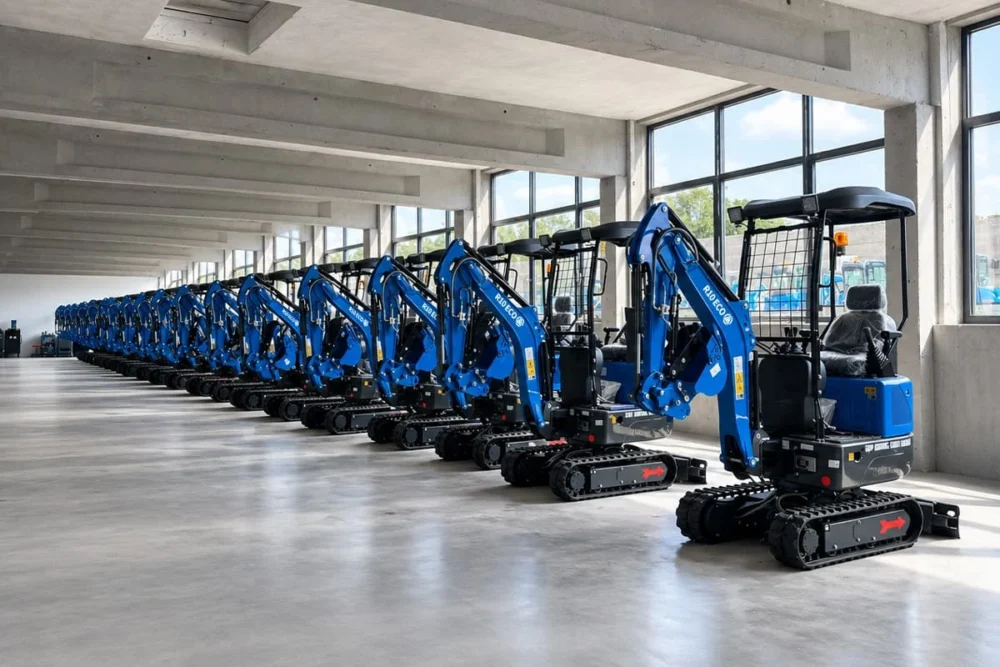
Before opening the showroom, dealers need clear procedures for equipment safety, routine maintenance, and customer support.
Establish Equipment Safety Rules
Inspect display areas for potential hazards and keep visitors away from equipment movement zones.
Only authorized personnel should operate machinery, following applicable safety instructions.
Create a Maintenance Schedule
A basic mini excavator maintenance plan should include routine visual inspections, fluid checks, cleanliness, and manufacturer-recommended servicing.
Record completed inspections and address identified problems before equipment demonstrations.
Organize Spare Parts Support
Dealers should understand how to identify and order appropriate mini excavator parts for their equipment.
Parts availability and technical support arrangements should be discussed with the manufacturer.
Assign Staff Responsibilities
Identify employees responsible for customer reception, display preparation, equipment checks, demonstrations, and sales inquiries.
Complete Pre-Opening Checks
Before welcoming visitors, confirm that equipment displays, customer facilities, safety arrangements, operating documents, and contact procedures are ready.
A showroom checklist helps staff maintain consistent daily operations.

Once the showroom is ready, dealers should focus on attracting qualified customers and turning visits into genuine purchasing opportunities.
Promote the Showroom Locally
Introduce the showroom through business websites, search engines, local industry networks, and construction equipment events.
Create clear location information so potential buyers can arrange visits conveniently.
Organize Customer Visits
Offer scheduled consultations and supervised equipment demonstrations where suitable facilities are available.
Visitors researching mini excavators for sale may want to compare equipment categories, discuss delivery arrangements, and understand available support.
Identify Customer Purchasing Needs
Ask customers about their intended applications, preferred equipment categories, purchasing timelines, and business requirements.
This information helps sales representatives provide relevant recommendations.
Collect Contact Information
With customer consent, record business names, contact details, equipment interests, and preferred communication methods.
Qualified inquiries should be entered into a customer management system for follow-up.
Follow Up After Showroom Visits
Send relevant product information, discuss quotations, and answer outstanding questions.
Track customer visits, qualified inquiries, quotations, and completed orders to evaluate showroom performance.
Explore Manufacturer Partnerships
Working with a reliable Chinese mini excavator supplier can be an important consideration when planning showroom equipment supply and future distribution activities.
RIPPA is a construction machinery manufacturer serving international equipment buyers and potential distribution partners. Businesses interested in opening a mini excavator showroom can explore RIPPA distributor opportunities to discuss equipment supply, target markets, and potential dealership cooperation.

Costs depend on property location, facility size, equipment inventory, site preparation, and staffing. Dealers should prepare a budget using actual local quotations.
The number depends on available space, customer demand, and investment capacity. Start with a manageable selection that reflects local purchasing needs.
Check site permissions, equipment condition, safety arrangements, display organization, staff readiness, and customer inquiry procedures.
Tel: +8615628788742
Elektronska pošta: contact02@rippa.com
WhatsApp: Rippa bager
Naslov: Šesti industrijski park, mesto Jining, provinca Shandong, Kitajska

 SL
 EN
 ES
 IT
 FR
 RU
 DE
 PT
 TR
 BG
 HR
 RO
 CS
 NN
 SV
 HU
 SK
 DA
 FI
 PL
 PT_BR

