Bucket capacity directly affects how much material a mini excavator can move during each digging cycle. Choosing the right bucket helps improve productivity, reduce unnecessary machine stress, and match equipment performance to different construction tasks.
For contractors and dealers comparing mini excavators for sale, understanding bucket capacity is important when selecting equipment for landscaping, trenching, earthmoving, and material handling. Buyers should consider bucket dimensions, soil conditions, machine specifications, and the type of work involved.
Bucket capacity refers to the volume of material a bucket can hold. It is commonly measured in cubic meters (m³) or cubic yards (yd³).
There are two common ways to measure bucket capacity:
Heaped capacity is generally higher than struck capacity. When comparing mini excavators for sale, always check which measurement the manufacturer uses.
For a simplified rectangular shape, volume can be estimated using:
Volume = Length × Width × Height
Actual buckets have curved interiors and irregular shapes, so manufacturers use standardized measurement methods to determine rated capacity.
Understanding these measurements helps buyers compare equipment accurately and avoid choosing a bucket based only on its external dimensions.
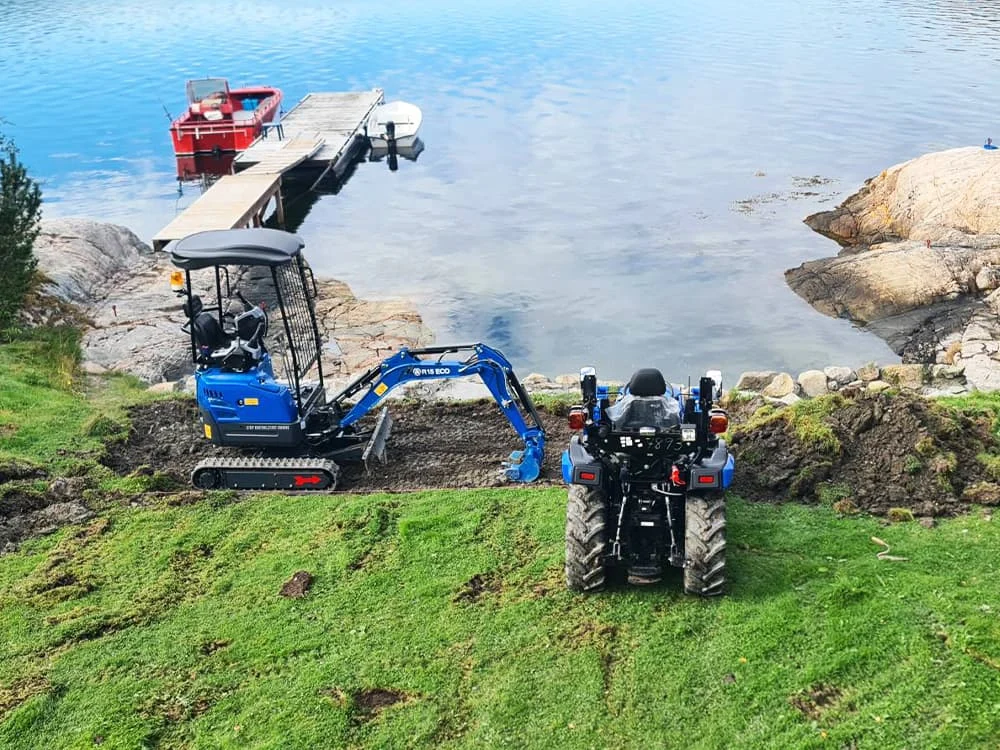
Mini excavators can use different bucket widths and capacities depending on their configuration and intended applications.
Narrow buckets are suitable for utility trenches, drainage work, and excavation in restricted spaces. Their smaller width allows more precise digging and reduces unnecessary soil removal.
General-purpose buckets are commonly used for landscaping, soil excavation, and everyday construction work.
Customers considering a mini excavator for sale should evaluate whether the standard bucket capacity matches their regular projects.
Wider buckets are useful for surface preparation, spreading loose materials, and certain grading tasks.
However, wider buckets do not automatically provide better productivity. Machine capacity, material density, and working conditions must also be considered.
Bucket width, depth, and internal shape all influence total capacity.
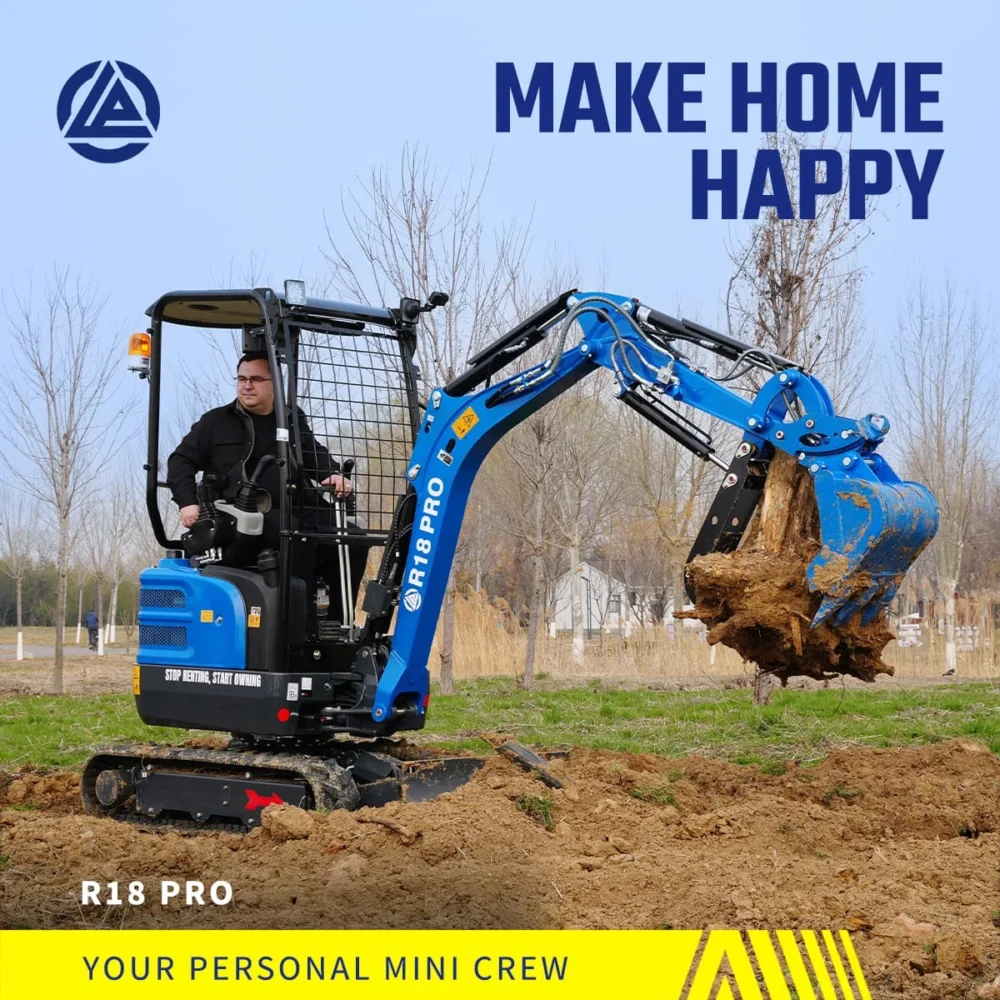
The right bucket capacity depends on soil density, excavation resistance, and the amount of material that needs to be moved.
Different materials create different digging and loading conditions.
Contractors evaluating a small excavator for sale should consider the materials they handle most frequently.
Trenching usually requires narrower buckets, while landscaping and general earthmoving may benefit from wider configurations.
When comparing compact excavators for sale, buyers should consider excavation depth, working space, soil conditions, and the required material volume.
Bucket capacity measures volume, not weight.
The same bucket volume of loose soil and wet clay can have significantly different weights. Operators must consider material density and remain within the machine’s approved operating limits.
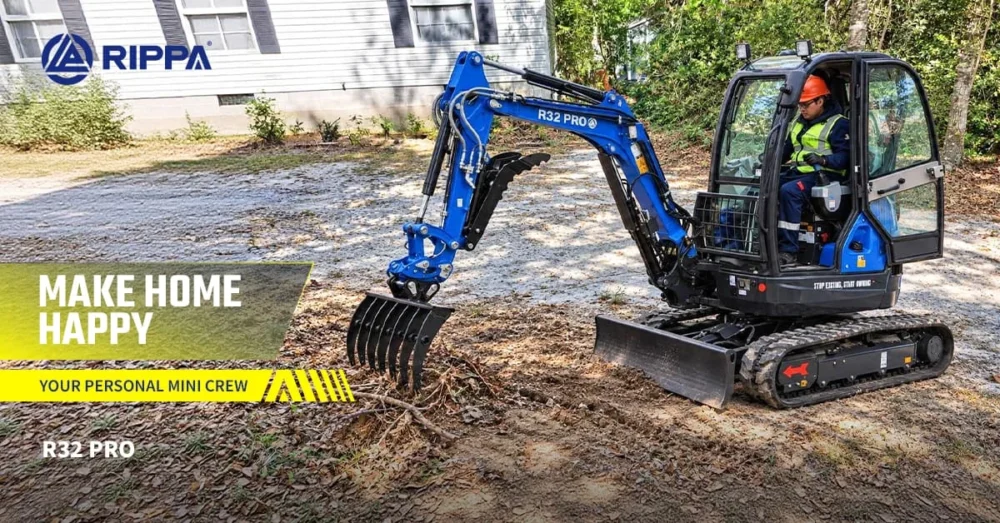
Bucket capacity influences the amount of material moved during each digging cycle. However, a larger bucket does not always mean higher productivity.
A properly matched bucket can move more material per cycle while maintaining efficient digging movements.
This may reduce the number of cycles required and improve overall working efficiency.
An oversized bucket may increase digging resistance, hydraulic demand, and machine loading.
An undersized bucket may require more cycles to complete the same excavation volume.
Both situations can reduce productivity and increase operating time.
When comparing mini excavator price, buyers should also consider bucket compatibility, replacement costs, fuel consumption, and expected productivity.
Selecting an appropriate bucket helps balance working efficiency and equipment performance.
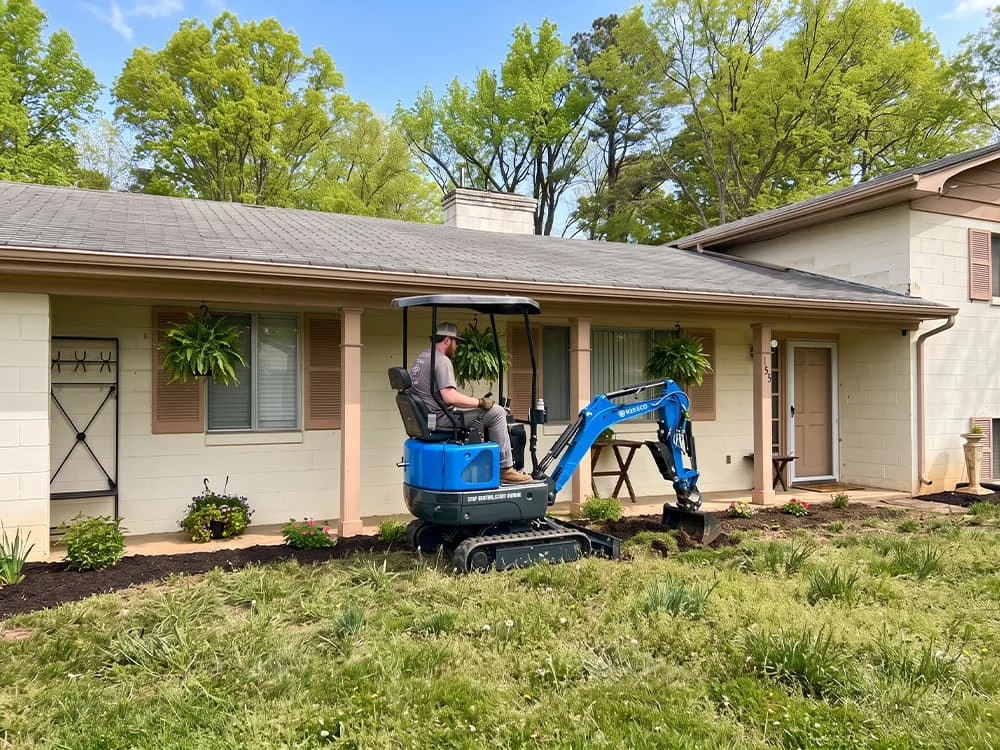
Bucket selection should always consider machine capabilities and attachment compatibility rather than capacity alone.
Operating weight, digging force, lifting capacity, and hydraulic performance all influence suitable bucket selection.
A bucket that is too large or heavy may affect machine stability and place unnecessary stress on components.
Always check manufacturer specifications before selecting additional or replacement buckets.
When choosing mini excavator accessories, check mounting dimensions, pin spacing, connection types, and hydraulic requirements where applicable.
Buckets and other attachments must match the machine’s approved configuration.
Regular mini excavator maintenance helps maintain bucket performance and reduce replacement costs.
A mini excavator inspection checklist should include:
Damaged mini excavator parts should be inspected and replaced according to manufacturer recommendations.
For international machinery dealers, understanding bucket capacity and attachment compatibility helps customers select suitable equipment for different applications.
RIPPA welcomes international distribution partners interested in construction machinery sourcing and long-term cooperation.
Explore RIPPA distributor opportunities to discuss equipment supply, attachment compatibility, parts support, and potential dealership partnerships.

Bucket capacity is measured in cubic meters or cubic yards using struck or heaped capacity standards.
No. An oversized bucket may increase machine load and reduce efficiency if it exceeds suitable operating conditions.
Yes, provided the buckets match the machine’s mounting system, weight limits, and operating specifications.
Tel: +8615628788742
E-mail: contact02@rippa.com
WhatsApp: Rypadlo Rippa
Adresa: Šiesty priemyselný park, mesto Jining, provincia Shandong, Čína

 SK
 EN
 ES
 IT
 FR
 RU
 DE
 PT
 TR
 BG
 HR
 RO
 CS
 NN
 SL
 SV
 HU
 DA
 FI
 PL
 PT_BR

