A 4 ton mini excavator can be a practical option for contractors who need more working capability than smaller compact machines while still requiring equipment that can operate on relatively restricted jobsites. It is commonly considered for landscaping, property development, utility work and general construction.
However, machine size alone does not determine whether an excavator is suitable. Contractors should consider the type of work, available operating space, ground conditions, transportation arrangements and expected workload before choosing equipment.
This guide explains where a 4 ton mini excavator may be useful and what buyers should evaluate when matching a machine to their projects.
A 4 ton mini excavator can support a range of excavation and material-handling tasks. Its suitability depends on the machine’s actual configuration and the conditions at the jobsite.
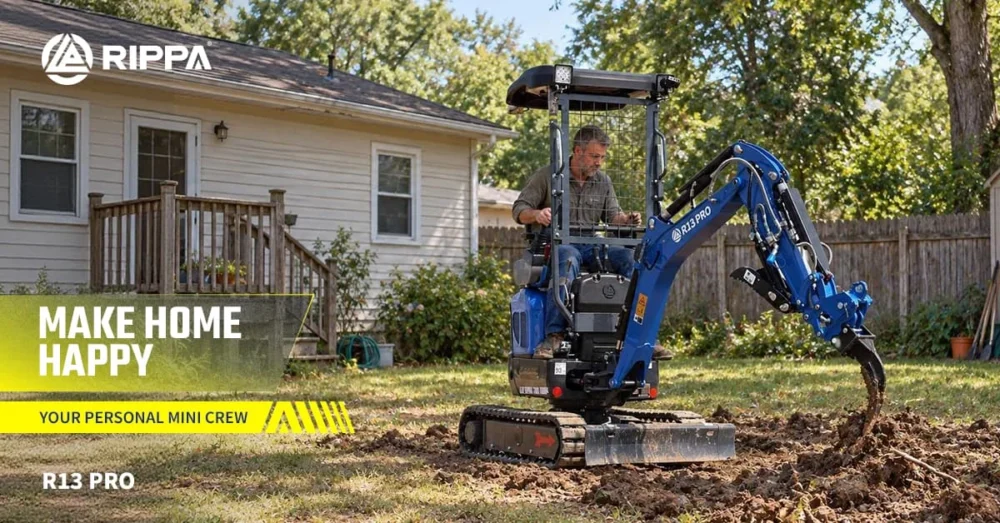
Landscaping contractors often work on projects that require controlled excavation without bringing large construction equipment onto the property.
Typical tasks include:
For residential projects, contractors should measure access points and check whether the excavator can reach the intended work area without damaging existing structures or landscaping.
Small construction companies may use a compact excavator for foundation preparation, trench excavation and other groundworks.
A 4 ton excavator may be considered when the project requires a balance between working capacity and access flexibility. Before selecting a machine, contractors should compare the required excavation depth, soil conditions and working clearance with the machine’s documented capabilities.
Utility contractors frequently need to excavate narrow areas for water lines, drainage systems and other underground installations.
A compact excavator can help with excavation in locations where larger machines may be difficult to position. Operators should confirm the required trench dimensions, attachment compatibility and underground utility locations before work begins.
Farm and rural property owners may need excavation equipment for drainage maintenance, land preparation, small construction projects and general property improvements.
The machine should be selected according to the frequency and type of work rather than occasional tasks alone. Contractors handling different projects may also need to consider attachment options and transportation requirements.
A machine that performs well on an open construction site may not be suitable for a narrow residential property. Before purchasing a 4 ton mini excavator, review the working environment.
Access and operating space
Measure gate openings, pathways and the available space around the excavation area. Check the machine’s overall dimensions and turning requirements against the actual site layout.
Ground conditions
Soft soil, uneven surfaces, gravel and muddy areas can affect machine operation. Consider the ground conditions commonly encountered in your projects and review the manufacturer’s operating recommendations.
Excavation requirements
List the typical digging tasks, including trenching, foundation work and soil removal. Compare the required digging depth and reach with verified product information instead of relying on the machine’s weight category alone.
Transportation
Consider how the excavator will be moved between jobsites. Confirm its transport dimensions and operating weight, then check whether your trailer and towing vehicle are suitable for the complete transport arrangement.
Not every 4 ton mini excavator is configured in the same way. Buyers should evaluate several factors rather than comparing machines only by their advertised operating weight.
| Evaluation factor | What to check |
|---|---|
| Working capability | Digging depth, reach and lifting requirements |
| Machine dimensions | Width, height and access clearance |
| Hydraulic system | Compatibility with intended attachments |
| Operator environment | Visibility, controls and operating comfort |
| Maintenance | Access to routine service points and parts |
| Supplier support | Documentation, parts communication and technical assistance |
For fleet buyers and equipment dealers, supplier reliability is also important. Ask for product documentation, available configuration details, parts information and clear communication procedures before placing an order.
The right choice depends on the work rather than a universal ranking of machine sizes.
A smaller mini excavator may be more appropriate for narrow access areas, light landscaping and projects with limited working space. A 4 ton mini excavator may be worth considering when projects involve more demanding excavation tasks and the site can accommodate a larger machine.
Buyers should compare the actual dimensions, working range and capabilities of specific models. Two machines in similar weight categories may still have different configurations and operating characteristics.
For businesses handling several types of projects, it may be useful to compare a range of compact excavator options before deciding which machine best fits the expected workload.
Before purchasing from a manufacturer or supplier, prepare a list of questions that can help avoid misunderstandings.
For overseas buyers, clear answers to these questions help establish whether a supplier can support both the initial purchase and ongoing business requirements.
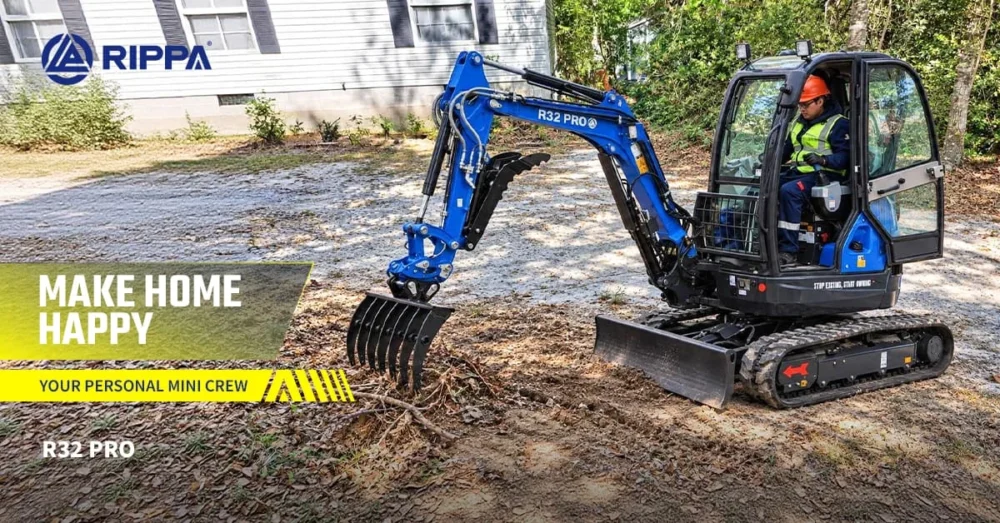
Depending on its configuration, a 4 ton mini excavator may be used for landscaping, trenching, drainage work, foundation preparation and general construction. Buyers should verify the machine’s capabilities against their specific job requirements.
It can be suitable for some residential projects, but access width, ground conditions, working clearance and transportation must be evaluated first. A smaller machine may be more practical where space is extremely limited.
Compare verified working specifications, machine dimensions, attachment compatibility, maintenance requirements, parts availability and supplier support. The best option is the one that matches the actual work environment.
Dealers should evaluate local demand, customer applications, product configurations, parts support and supplier communication. Understanding the needs of local contractors can help determine whether this equipment category fits the dealer’s product range.
Choosing a 4 ton mini excavator starts with understanding the work it needs to perform. Jobsite access, excavation requirements, transportation and long-term maintenance all influence whether a machine is suitable.
RIPPA provides compact excavator options for overseas equipment buyers and business partners. Contact the RIPPA team to discuss available models, product documentation and purchasing requirements for your market.
Tel: +8615628788742
E-mail: contact02@rippa.com
WhatsApp: Rypadlo Rippa
Adresa: Šiesty priemyselný park, mesto Jining, provincia Shandong, Čína

 SK
 EN
 ES
 IT
 FR
 RU
 DE
 PT
 TR
 BG
 HR
 RO
 CS
 NN
 SL
 SV
 HU
 DA
 FI
 PL
 PT_BR

