For businesses offering mini excavators for sale, building a reliable dealer service team is essential for supporting customers and developing long-term equipment sales. A dealership needs more than sales representatives. It also requires trained employees who can manage equipment inspections, maintenance requests, spare parts, and technical support.
Without an organized service team, dealers may struggle with delayed responses, unclear responsibilities, and inconsistent customer experiences. These problems can damage customer confidence and affect future business opportunities.
Setting up an effective team requires careful planning, suitable recruitment, clear operating procedures, and practical performance testing.
This guide explains five steps for building a mini excavator dealer service team, from planning staff requirements to launching daily service operations.
The first step is determining the service capacity your dealership needs.
Estimate Service Demand
Review expected equipment sales, customer locations, service coverage, and anticipated maintenance requests.
Dealers promoting mini excavators for sale should estimate how many customers may require technical assistance after delivery.
Start with realistic service demand rather than hiring a large team before establishing a customer base.
Define Essential Roles
A basic service team may include:
Smaller dealerships may combine certain responsibilities, provided employees have appropriate training.
Set a Practical Budget
Include salaries, training expenses, workshop facilities, essential tools, transportation, safety equipment, and service management software.
Create a Staffing Plan
Document each position, its responsibilities, reporting structure, and expected workload.
This plan becomes the foundation for recruitment and future team expansion.
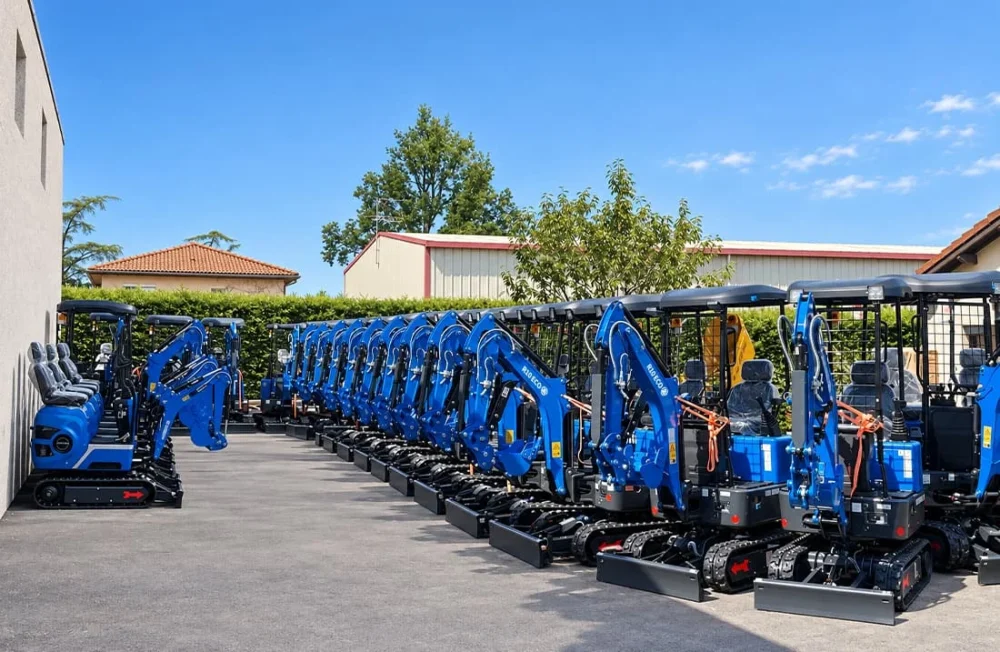
After defining the team structure, dealers need employees with suitable technical skills and customer service abilities.
Establish Recruitment Standards
Look for candidates with relevant mechanical experience, equipment inspection skills, problem-solving abilities, and an understanding of workplace safety.
Experience with hydraulic systems, engines, and construction equipment may be valuable for technical positions.
Conduct Practical Assessments
Evaluate candidates through equipment inspection exercises, basic troubleshooting scenarios, and communication tasks.
A practical assessment helps identify employees who can apply technical knowledge in real service situations.
Develop a Training Program
Training should cover equipment familiarization, safe working practices, customer communication, service documentation, and mini excavator servicing procedures.
Use applicable manufacturer instructions rather than relying entirely on general mechanical experience.
Assign Training Responsibilities
Identify who provides technical instruction, who supervises practical exercises, and who approves employees for assigned tasks.
Verify Employee Readiness
Before allowing technicians to work independently, assess their ability to follow safety instructions, document findings, and explain service results clearly.
Keep training records and update employee skills when equipment or service requirements change.
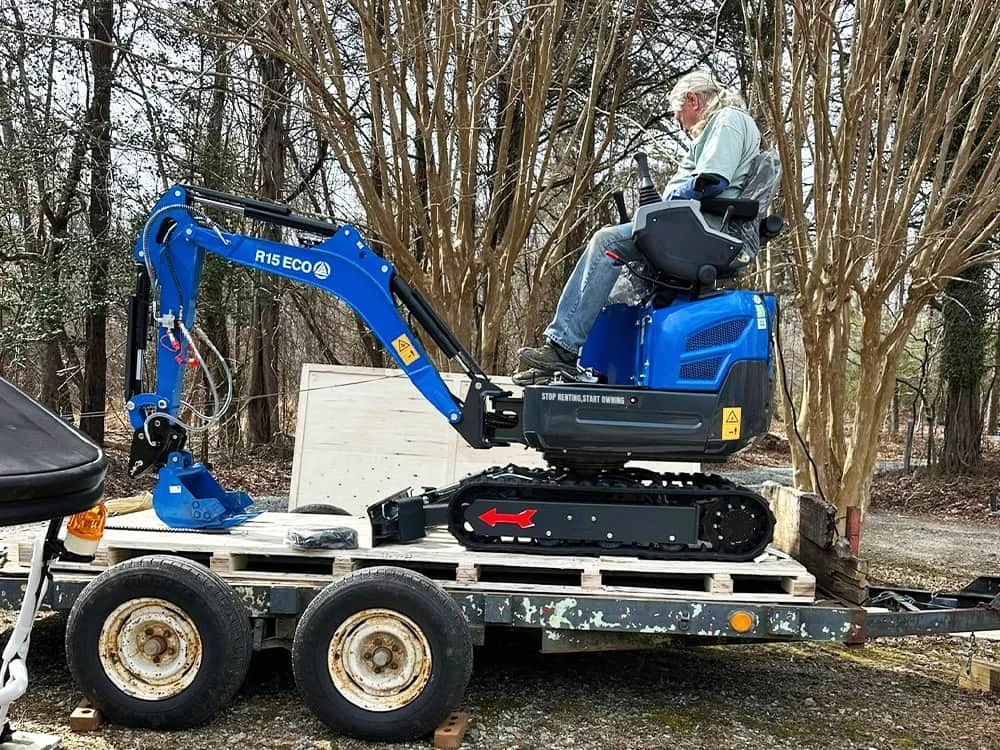
A qualified team also needs standardized procedures that define how service work is assigned and completed.
Assign Maintenance Responsibilities
Designate employees responsible for receiving maintenance requests, arranging inspections, performing approved tasks, and reviewing completed work.
Each service request should have a clearly identified owner.
Create an Inspection Checklist
A mini excavator inspection checklist can help technicians record visible damage, fluid conditions, hoses, tracks, warning indicators, and other applicable inspection items.
The checklist should follow the relevant manufacturer’s guidance and equipment configuration.
Establish Maintenance Scheduling
Develop a mini excavator maintenance schedule based on operating hours, usage conditions, and manufacturer recommendations.
Assign staff to track upcoming service requirements and communicate appropriate reminders to customers.
Standardize Service Records
Every mini excavator maintenance job should record the customer, equipment identification, reported issue, inspection findings, work completed, and follow-up requirements.
Review Work Quality
A supervisor should verify that required checks have been completed before closing a service case.
These procedures reduce confusion and make technical responsibilities easier to manage.
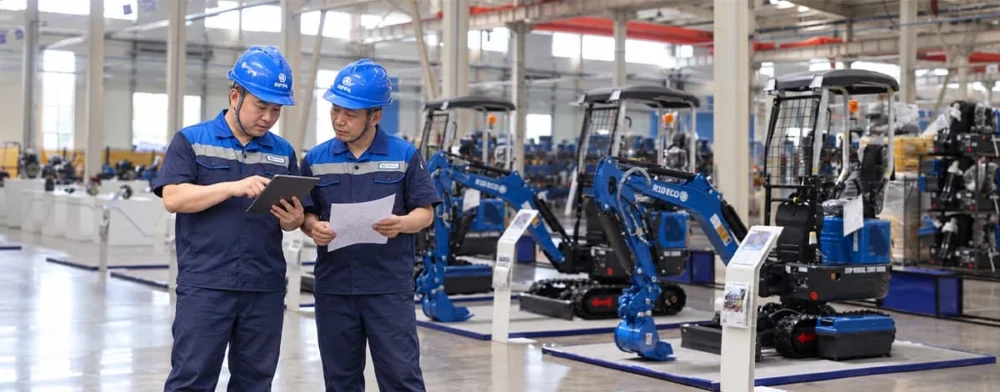
A service team must coordinate people, parts, and customer requests to operate effectively.
Assign Parts Management Responsibilities
Select an employee to manage mini excavator parts inquiries, confirm component compatibility, monitor stock, and coordinate orders.
Keep accurate records of available components and pending requests.
Create a Service Request Process
Customer requests should follow a clear sequence:
Coordinate Service and Parts Staff
Technicians should communicate component requirements to the parts coordinator using accurate equipment identification and service records.
Parts employees should provide realistic availability updates.
Maintain Customer Communication
Assign responsibility for informing customers about appointment arrangements, repair progress, and unresolved issues.
Avoid allowing customers to contact multiple employees without receiving a clear response.
Prepare Daily Work Plans
Review scheduled inspections, open service requests, employee availability, and parts requirements at the beginning of each working day.
An organized workflow helps the team deliver consistent support.
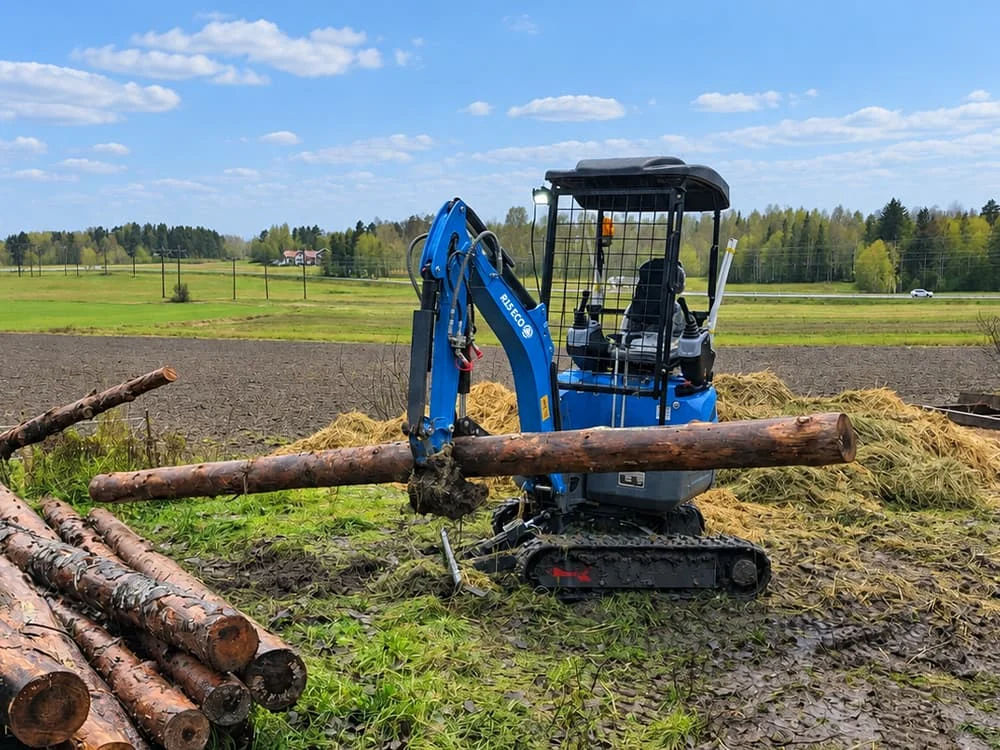
Before offering full service operations, dealers should confirm that their team can handle customer requests effectively.
Conduct a Service Simulation
Create a realistic customer scenario involving an equipment problem.
Ask employees to register the request, assign a technician, investigate the issue, coordinate necessary parts, and update the customer.
Check the Complete Workflow
Evaluate whether each employee understands their responsibilities and whether the service request can be completed without unnecessary delays or communication gaps.
Identify problems before launching the service operation.
Start with Controlled Operations
Begin by handling a manageable number of customer requests.
Monitor employee workload, service quality, and customer feedback before expanding service capacity.
Measure Team Performance
Useful indicators include service response time, unresolved case volume, completed work orders, repeat service issues, and customer satisfaction.
Review these results regularly and adjust staffing or procedures when necessary.
Coordinate with the Manufacturer
Dealers working with a Chinese mini excavator supplier should clarify technical documentation, spare parts ordering, warranty communication, and support responsibilities before serving customers.
For businesses planning to offer mini excavators for sale, developing a capable service team can strengthen customer confidence and support long-term dealership operations.
RIPPA is a construction machinery manufacturer serving international equipment buyers and potential distribution partners. Businesses interested in building a mini excavator dealership can explore RIPPA distributor opportunities to discuss equipment distribution, service team requirements, and potential cooperation.

Staffing depends on customer numbers, equipment sales, and service coverage. Start with essential responsibilities and expand as workload increases.
Technicians should receive equipment familiarization, safety, inspection, maintenance, troubleshooting, and customer communication training relevant to their duties.
Run a simulated service request and verify that employees can document problems, coordinate parts, communicate with customers, and complete the process correctly.
Тел: +8615628788742
Электронная почта: contact02@rippa.com
WhatsApp: Экскаватор Rippa
Адрес: Шестой промышленный парк, город Цзинин, провинция Шаньдун, Китай

 RU
 EN
 ES
 IT
 FR
 DE
 PT
 TR
 BG
 HR
 RO
 CS
 NN
 SL
 SV
 HU
 SK
 DA
 FI
 PL
 PT_BR

