Working in confined construction areas requires equipment that can deliver reliable performance without occupying excessive space. From residential backyards to narrow passages between buildings, mini excavators for sale provide practical solutions for contractors handling excavation projects with limited access.
Compared with larger machinery, mini excavators offer compact dimensions, maneuverability, and flexible attachment options. However, successful confined-space operations require more than choosing a smaller machine. Contractors must consider access width, machine dimensions, working radius, attachment compatibility, ground conditions, and site safety.
Understanding these factors helps equipment dealers recommend suitable machinery and support customers working in restricted construction environments.
Mini excavators are suitable for construction projects where larger machines may struggle with access, positioning, or maneuverability.
Residential properties often have narrow gates, fences, landscaping features, and limited working areas. Mini excavators can support garden excavation, drainage installation, landscaping improvements, and small foundation projects.
Their compact design allows contractors to work around existing structures while reducing unnecessary disturbance to surrounding areas.
Construction sites between buildings may have restricted access and limited space for equipment movement. Mini excavators can perform selected excavation, foundation preparation, and utility installation tasks when sufficient clearance is available.
Water pipes, electrical cables, and communication lines often require excavation in narrow areas. Mini excavators equipped with suitable buckets can help contractors complete controlled trenching and underground utility preparation.
Before digging, existing underground services must be identified to avoid damaging pipes, cables, or other infrastructure.
Landscaping projects frequently involve working around trees, fences, pathways, and existing garden structures. Compact equipment can help with soil removal, ground preparation, and drainage installation.
Some indoor renovation projects may also require compact excavation equipment. However, diesel-powered machinery should only be used indoors when ventilation, exhaust emissions, carbon monoxide exposure, and applicable safety requirements have been properly assessed.
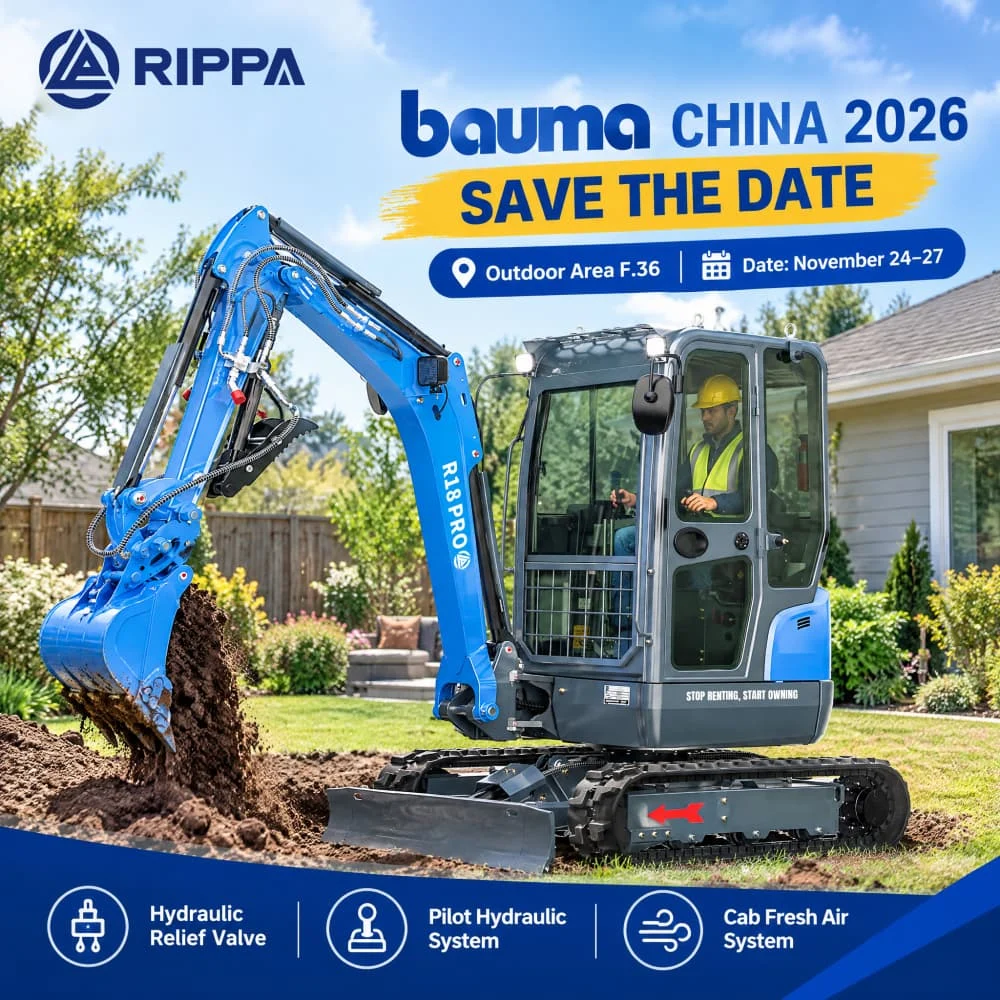
Selecting the correct machine starts with measuring the available working space and comparing it with the equipment specifications.
Before purchasing a mini excavator for sale, measure the narrowest entrance, gate, passage, and overhead clearance along the intended travel route.
The machine must fit through the entire access route, not just the entrance. Consider attachments, protruding components, and transportation requirements when checking clearance.
When evaluating a small excavator for sale, check overall width, machine height, operating weight, and track configuration.
Buyers comparing compact excavators for sale should also consider whether the equipment can enter, turn, and operate within the available space.
A machine that fits through a narrow entrance may still lack sufficient clearance for safe excavation. Always compare actual equipment dimensions with site measurements.
The working radius determines how far the excavator can reach without repositioning. Tail swing is equally important because the rear of the machine may contact nearby walls, fences, vehicles, or other obstacles during rotation.
Compare the machine’s operating dimensions with the available working area before purchasing.
Check whether the ground can support the machine and its working loads. Soft soil, underground structures, and existing paving may limit equipment positioning.
When comparing the mini excavator price, consider more than the initial equipment cost. Transportation, attachment requirements, maintenance, and technical support can all affect long-term operating expenses.
The best equipment choice should balance machine dimensions, working capability, purchasing costs, and the requirements of the intended projects.
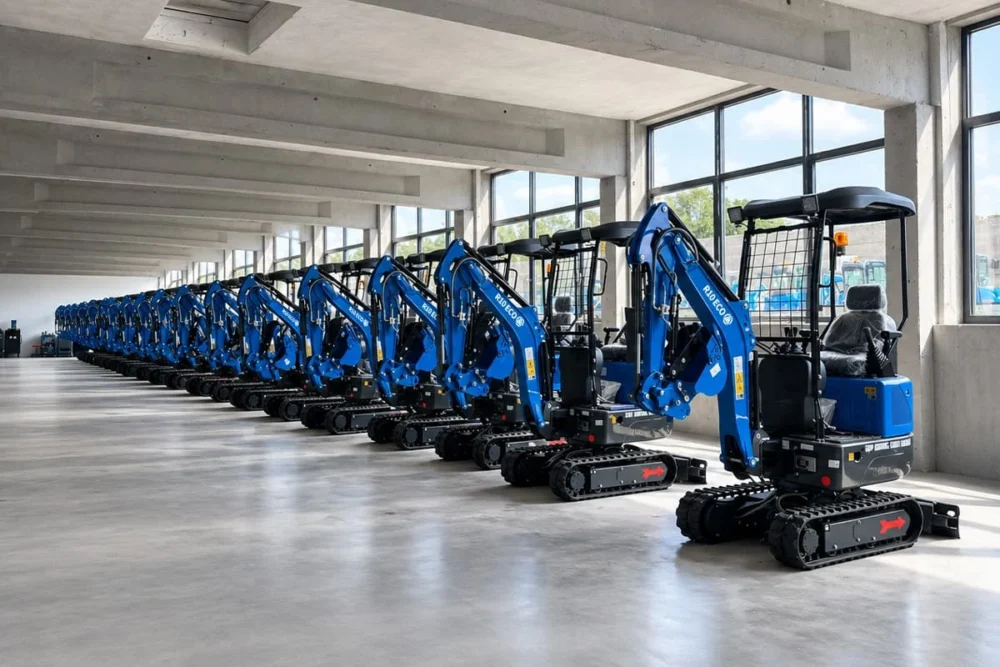
After confirming that the machine can enter the work area, operators must plan how to move, position, and operate it without unnecessary movement or collisions.
Identify the safest route before bringing equipment onto the site. Remove unnecessary obstacles and confirm that the access path can support the machine’s weight.
Plan an exit route as well, especially when working in areas where turning space is limited. Check for overhead cables, low doorways, uneven surfaces, and other potential obstacles.
Choose a stable working position that provides sufficient clearance for the boom, arm, bucket, and upper structure.
Avoid positioning the excavator too close to walls, unsupported edges, underground utilities, or other obstacles.
A properly planned position can reduce unnecessary repositioning and help operators complete more work within a limited area.
Operate at a controlled speed and avoid sudden turns or unnecessary rotation.
In particularly narrow areas, use a trained spotter when visibility is restricted. Establish clear communication signals and keep other workers outside the machine’s operating radius.
Plan excavation activities in manageable sections. Complete accessible areas first and reposition the machine only when necessary.
This approach reduces unnecessary movement, improves working efficiency, and helps maintain an organized construction area.

Choosing suitable attachments and organizing material movement are essential for completing excavation work in limited spaces.
Common mini excavator accessories for confined-space projects include:
Each attachment should match the machine’s mounting interface, hydraulic requirements, and operating capacity.
Before purchasing attachments, verify their dimensions and compatibility with the specific excavator.
Follow the project drawings and confirm the required excavation depth before starting.
Use controlled bucket movements to avoid damaging nearby foundations, existing pipes, cables, and other underground structures.
When working close to walls or existing infrastructure, operators should maintain adequate clearance and avoid unnecessary attachment movements.
In confined spaces, material placement can become a major challenge. Plan where excavated soil will be temporarily stored and how it will be removed from the site.
Avoid blocking access routes, emergency exits, or other working areas with excavated material.
Organize excavation sections according to the machine’s working radius. This can reduce repeated movement and improve productivity without exceeding the equipment’s operating limits.
Efficient material handling is particularly important when trucks or other support equipment cannot approach the excavation area directly.
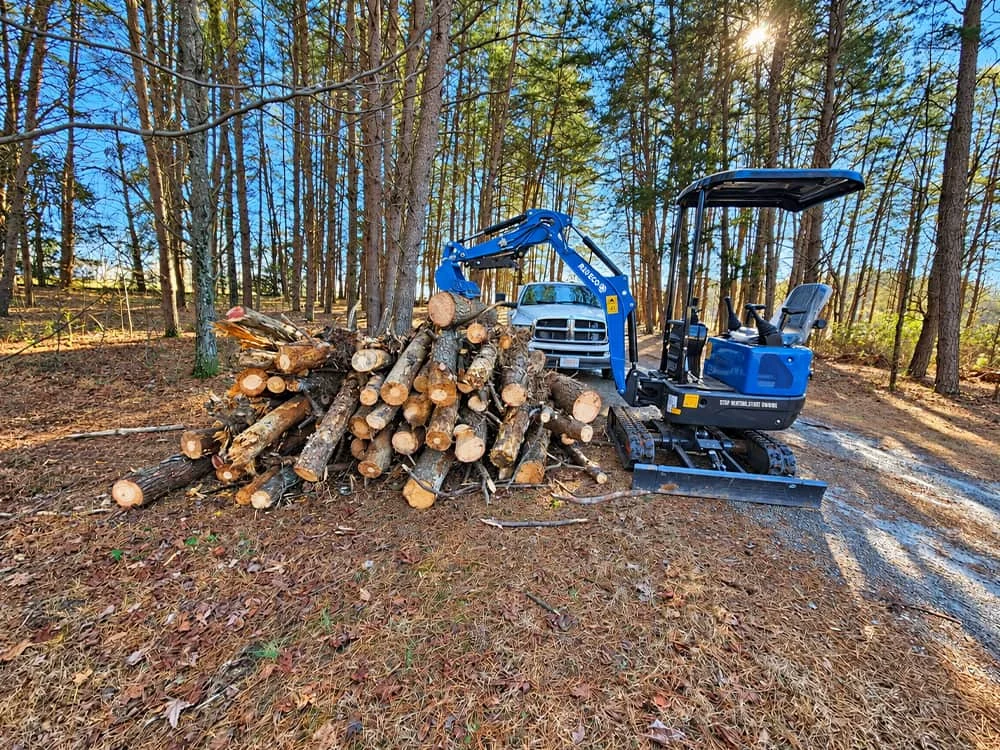
Safety management is essential when equipment operates near buildings, underground utilities, workers, and existing infrastructure. Proper preparation and consistent inspections help reduce operational risks.
A mini excavator inspection checklist should include:
Complete necessary inspections before beginning work. Any defect that could affect safe operation should be addressed before the machine enters the restricted area.
Locate existing water pipes, electrical cables, gas lines, and communication infrastructure before excavation.
Follow applicable local utility-location procedures and maintain appropriate clearance from identified services.
Restricted working areas can create blind spots. Use trained spotters when necessary and establish clear communication between operators and ground personnel.
Never allow workers to enter the machine’s operating radius without appropriate precautions.
Indoor or genuinely enclosed work areas require additional risk assessment. Diesel exhaust can create dangerous exposure to carbon monoxide and other harmful emissions.
Provide suitable ventilation and use equipment only when site conditions and applicable safety requirements permit.
Regular mini excavator maintenance helps reduce unexpected downtime and supports reliable operation.
Check hydraulic systems, tracks, attachment connections, and other critical components according to manufacturer recommendations. Keep maintenance records and address equipment problems before they affect confined-space operations.
When evaluating a Chinese mini excavator supplier, consider equipment specifications, technical documentation, parts availability, and after-sales support.
For international machinery dealers, reliable equipment supply and technical assistance are important for supporting customers working in restricted construction environments.
RIPPA is a construction machinery manufacturer serving international equipment buyers and potential distribution partners.
Dealers and importers interested in expanding their compact machinery business can explore RIPPA distributor opportunities to discuss equipment sourcing, product requirements, technical support, and potential long-term dealership cooperation.
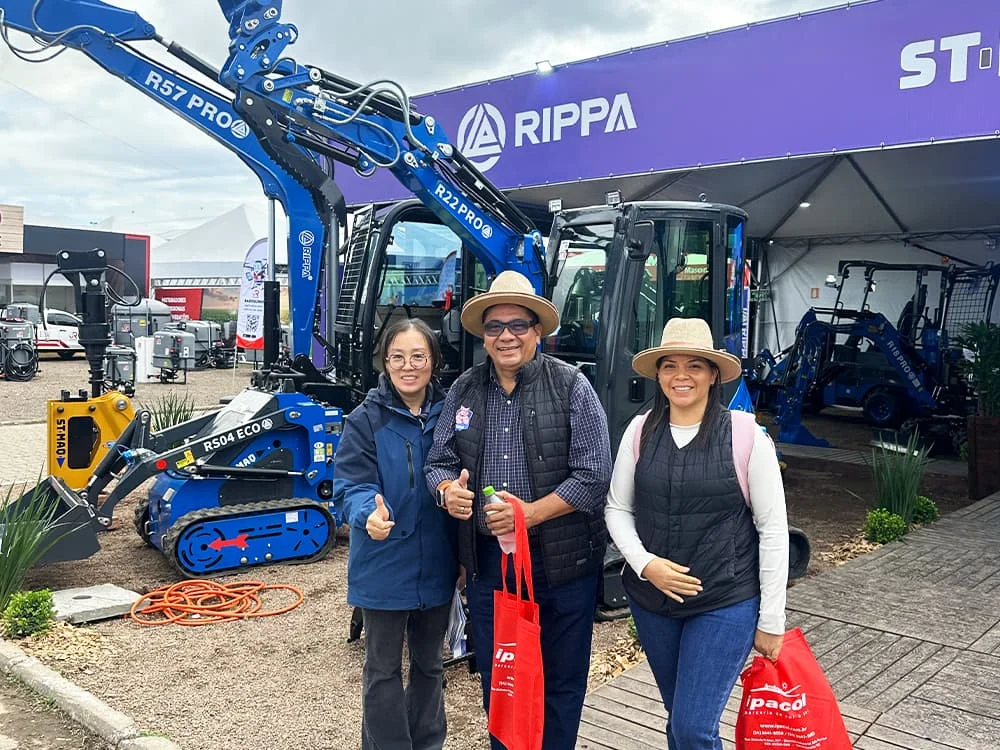
Yes. Mini excavators can handle suitable excavation and landscaping projects between buildings and in narrow backyards when machine dimensions and site conditions allow safe operation.
Check overall width, height, operating weight, tail swing radius, working radius, and the clearance required for attachments and machine movement.
Some indoor projects may permit compact excavation equipment, but ventilation, exhaust emissions, carbon monoxide exposure, and emergency access must be assessed before operation.
Тел: +8615628788742
Электронная почта: contact02@rippa.com
WhatsApp: Экскаватор Rippa
Адрес: Шестой промышленный парк, город Цзинин, провинция Шаньдун, Китай

 RU
 EN
 ES
 IT
 FR
 DE
 PT
 TR
 BG
 HR
 RO
 CS
 NN
 SL
 SV
 HU
 SK
 DA
 FI
 PL
 PT_BR

