A mini excavator lifespan depends on operating hours, maintenance quality, workload, jobsite conditions, and operator habits. For contractors and equipment dealers, understanding these factors helps estimate long-term equipment value, plan maintenance, and make informed purchasing decisions. A well-maintained mini excavator can remain productive for many years, but no single service-life figure applies to every machine.
For equipment dealers, knowing how to evaluate mini excavator life expectancy also helps answer customer questions, recommend suitable machines, and build long-term relationships with buyers.
How long do mini excavators last? Their service life varies according to how frequently they work and how well they are maintained. Rather than relying on a fixed number of years, buyers should consider total operating hours, maintenance history, machine condition, and the type of work performed.
A mini excavator used for occasional landscaping may experience different wear patterns from one operating daily on demanding construction sites. Regular inspections and timely servicing can help reduce premature component wear and keep the machine productive.
When evaluating mini excavator lifespan, operating hours are an important reference point, but they should never be the only measure of equipment condition. Two machines with similar hours can have very different remaining service lives because of differences in maintenance and working environments.
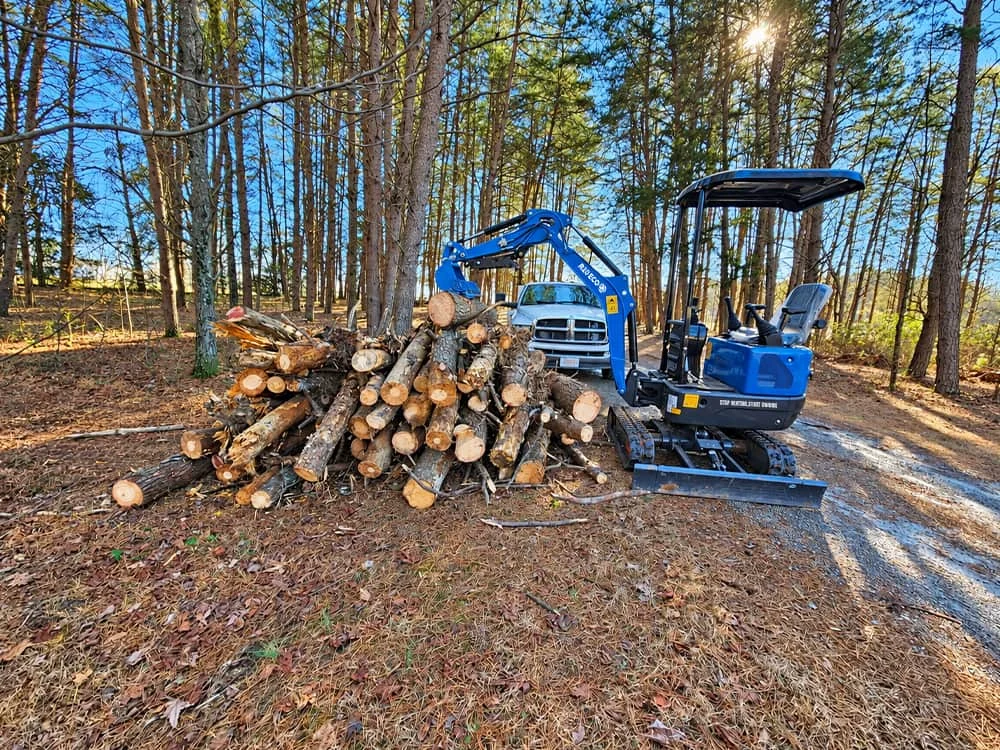
Several factors influence mini excavator life expectancy, and understanding them helps dealers guide customers toward suitable equipment.
Workload and jobsite conditions: Frequent heavy digging, abrasive soil, rocky terrain, and continuous operation can increase wear on undercarriage components, hydraulic systems, and working attachments. Matching the machine to its intended application helps avoid unnecessary strain.
Operator habits: Smooth control inputs, correct operating techniques, and attention to machine limits can reduce avoidable stress. Poor operating practices may accelerate wear and increase maintenance requirements.
Maintenance quality: Delayed servicing, contaminated fluids, neglected filters, and unresolved leaks can contribute to equipment problems. Consistent mini excavator maintenance helps identify issues before they develop into more costly repairs.
Parts availability and service support: Access to suitable replacement parts and technical assistance can influence downtime and long-term operating costs. For equipment dealers, supplier support is an important consideration when building a dependable product offering.
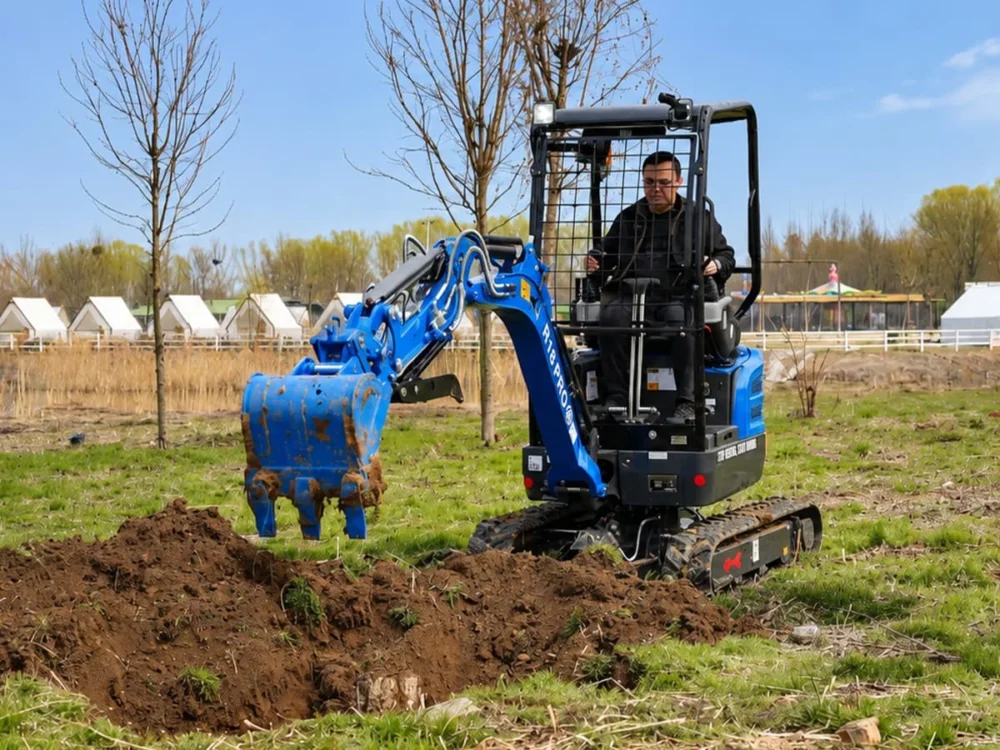
Regular mini excavator maintenance helps protect critical components, identify developing problems, and support consistent machine performance. Maintenance cannot eliminate all wear, but it can help prevent avoidable damage and improve equipment reliability.
Operators should follow the manufacturer’s instructions rather than relying on a generic maintenance interval. Daily checks, scheduled servicing, and prompt repairs work together to keep the machine in suitable operating condition.
For dealers, explaining maintenance requirements is also part of responsible customer support. Clear guidance helps customers understand ownership responsibilities and make more realistic plans for equipment use.
A practical mini excavator maintenance schedule should follow the manufacturer’s recommendations and account for operating conditions.
A consistent schedule helps operators recognize developing issues and gives dealers a clearer basis for discussing maintenance with customers.
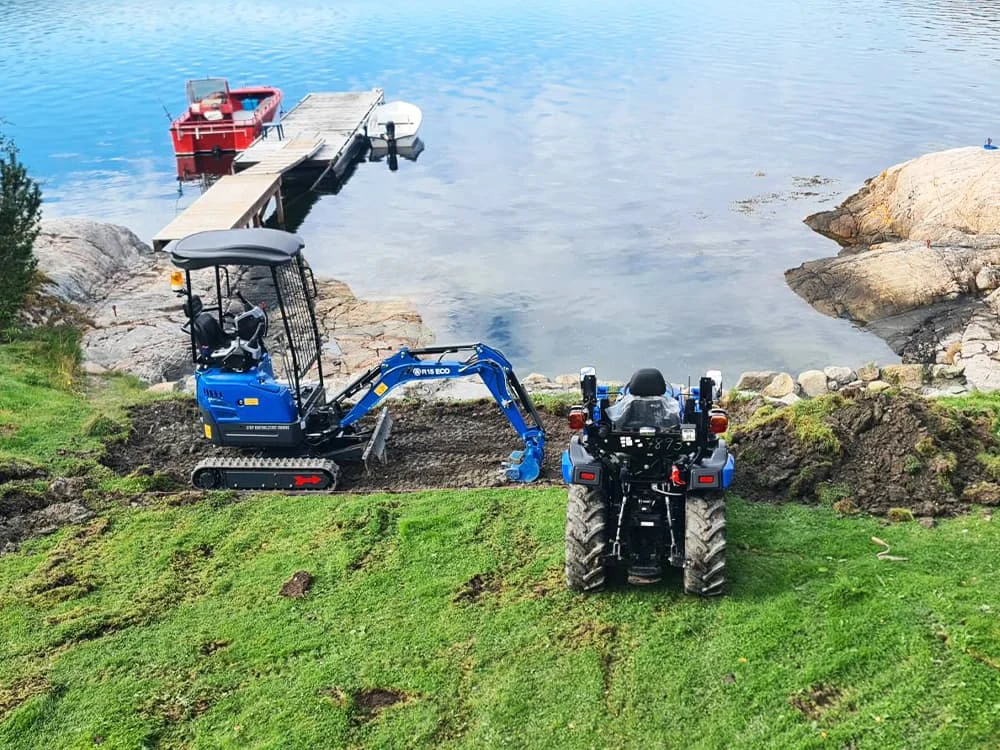
Estimating remaining service life requires more than checking the hour meter. Buyers should assess the machine’s operating history, maintenance documentation, visible condition, and performance under appropriate working conditions.
A machine with higher operating hours and complete maintenance records may be a more predictable investment than one with fewer hours but an unknown history. However, documentation alone cannot guarantee the condition of internal components. A professional inspection may be necessary when significant wear or mechanical concerns are suspected.
A mini excavator inspection checklist should cover the main systems that affect safety, performance, and reliability.
Engine: Look for leaks, unusual noises, excessive smoke, and signs of overheating.
Inspection findings should be considered alongside maintenance history and operating conditions when estimating remaining service life.
Mini excavator operating hours indicate how much a machine has been used, but they do not reveal the full story. Hours should be evaluated alongside workload, operating conditions, servicing intervals, and component condition.
Maintenance records help establish whether routine servicing was completed and whether recurring problems have been addressed. For dealers, helping customers review these factors supports more transparent equipment evaluations and realistic ownership expectations.
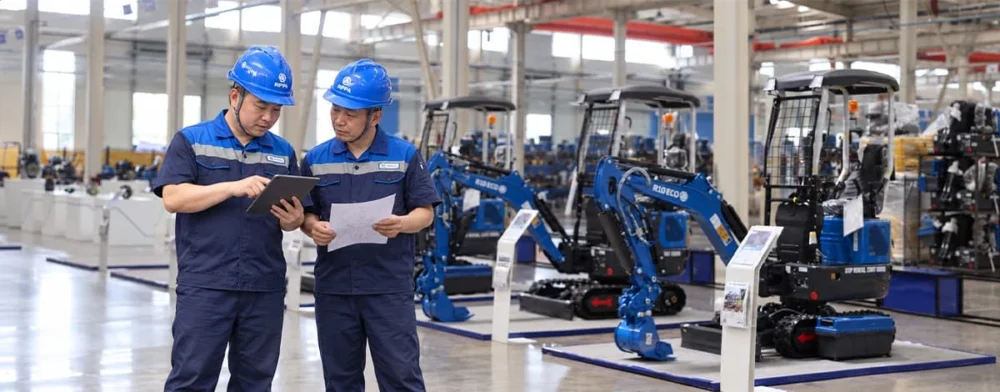
Mini excavator lifespan can influence how buyers assess long-term value. However, mini excavator price should not be judged by purchase cost alone. Expected maintenance expenses, parts availability, machine suitability, and supplier support also affect the total cost of ownership.
For business buyers, a suitable new machine backed by dependable technical support may offer greater predictability than an option selected solely for its initial price. Dealers should help customers compare machines according to their applications, expected utilization, and service requirements.
When comparing mini excavators for sale, buyers should evaluate the intended application, machine configuration, attachment compatibility, maintenance requirements, parts supply, and after-sales support. They should also confirm that the machine is appropriate for local working conditions and transportation arrangements.
For prospective dealers, these considerations are equally important when choosing a manufacturer. Consistent product information, responsive communication, parts support, and a clear distribution relationship can help build customer confidence beyond the initial sale.
RIPPA Group works with equipment dealers and business buyers seeking compact excavator solutions for different working environments. Prospective partners can explore RIPPA mini excavator models and review the RIPPA distributor program to learn more about available products and dealership opportunities. Contact the team to discuss your target market, product requirements, and potential cooperation.
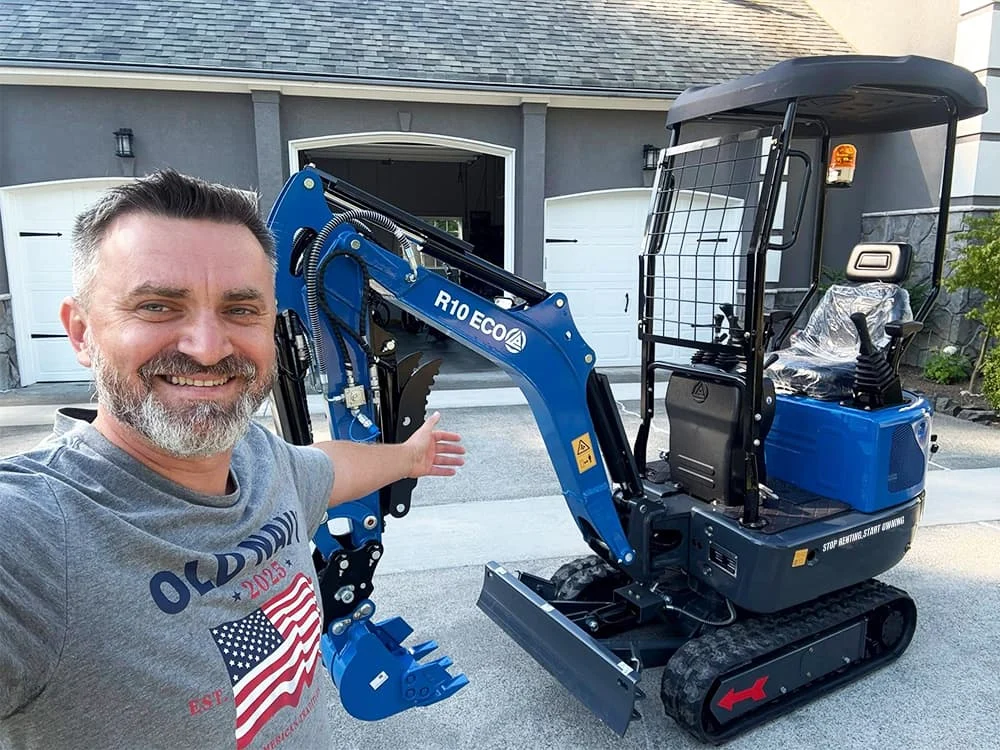
Service life varies with operating hours, workload, maintenance quality, and jobsite conditions. Regular servicing and timely repairs can help extend productive use.
There is no universal cutoff. Evaluate operating hours alongside maintenance records, component wear, and actual machine performance.
Yes. Following the manufacturer’s maintenance schedule and addressing problems promptly can reduce avoidable wear and help maintain reliability.
Тел: +8615628788742
Электронная почта: contact02@rippa.com
WhatsApp: Экскаватор Rippa
Адрес: Шестой промышленный парк, город Цзинин, провинция Шаньдун, Китай

 RU
RU  EN
EN  ES
ES  IT
IT  FR
FR  DE
DE  PT
PT  TR
TR  BG
BG  HR
HR  RO
RO  CS
CS  NN
NN  SL
SL  SV
SV  HU
HU  SK
SK  DA
DA  FI
FI  PL
PL  PT_BR
PT_BR 
