For dealers offering mini excavators for sale, customer retention is essential for building a sustainable business. Selling equipment is only the beginning of a customer relationship. Dealers must continue providing reliable communication, technical support, and solutions that match changing business needs.
Retaining existing customers can strengthen long-term relationships and create opportunities for additional equipment purchases.
However, customer loyalty does not develop automatically. Dealers need a clear strategy to prevent customer loss, maintain contact after delivery, support equipment ownership, and identify future purchasing opportunities.
This guide explains five practical ways mini excavator dealers can improve customer retention and build lasting business relationships.
Understanding why customers leave is the first step toward improving retention.
Identify Common Customer Problems
Customers may become dissatisfied because of delayed service responses, unclear communication, unavailable spare parts, or unresolved equipment issues.
A business that previously purchased a mini excavator for sale may choose another supplier if its concerns remain unanswered.
Monitor Early Warning Signs
Dealers should watch for repeated complaints, unresolved service requests, declining communication, and negative customer feedback.
However, a long gap between equipment purchases does not automatically indicate customer loss because construction machinery often has a lengthy replacement cycle.
Create a Customer Risk List
Maintain customer records showing outstanding problems, recent interactions, and service needs.
Mark accounts requiring additional attention and assign employees to investigate specific concerns.
Respond Before Problems Escalate
Contact dissatisfied customers, clarify their concerns, and establish realistic follow-up actions.
For companies promoting mini excavators for sale, preventing customer loss requires resolving problems consistently rather than relying on additional sales promotions.
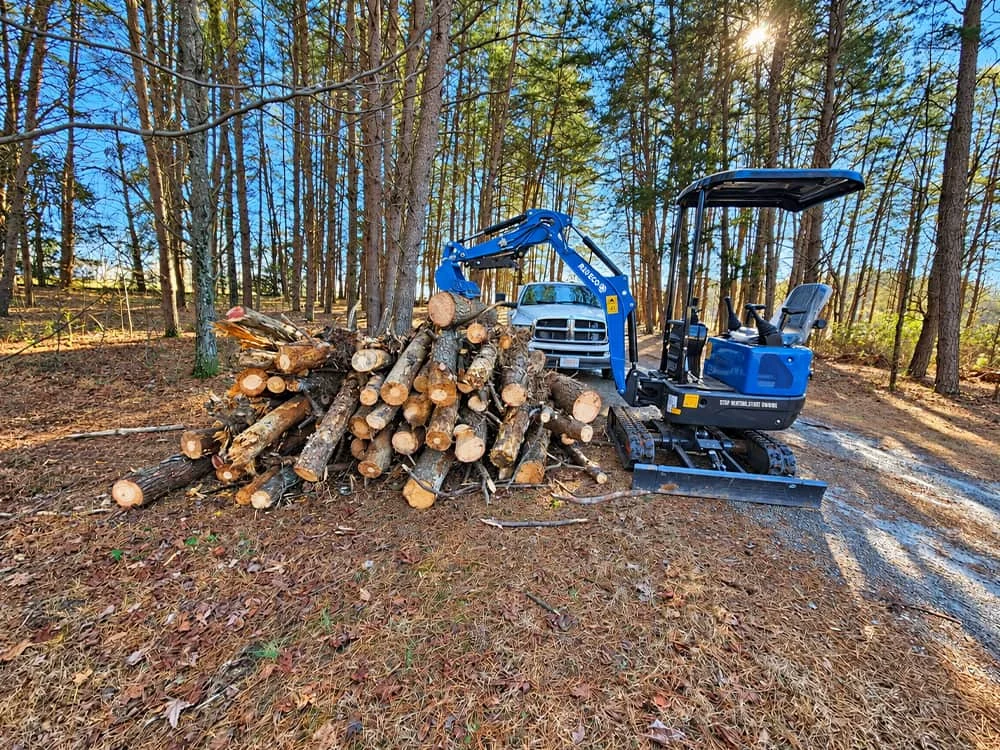
Strong customer relationships begin immediately after equipment delivery.
Establish a Customer Database
Record customer contact details, equipment purchase history, business activities, delivery dates, and service requests.
A structured database helps sales and service employees provide consistent support.
Schedule Post-Sale Follow-Ups
Contact customers after delivery to confirm that they received the necessary documentation and understand available support channels.
Follow-up schedules should reflect customer preferences and equipment usage rather than unnecessary communication.
Understand Changing Customer Needs
Construction contractors, landscaping businesses, and agricultural companies may require different equipment as their operations develop.
For example, a customer who previously purchased a small excavator for sale may later need additional equipment for expanding projects.
Provide Useful Information
Share relevant operating guidance, service contacts, and maintenance reminders when appropriate.
Avoid contacting customers only when promoting another purchase.
Maintain Consistent Communication
Assign account responsibilities and document important conversations.
A reliable relationship encourages customers to contact the same dealer when future equipment requirements arise.
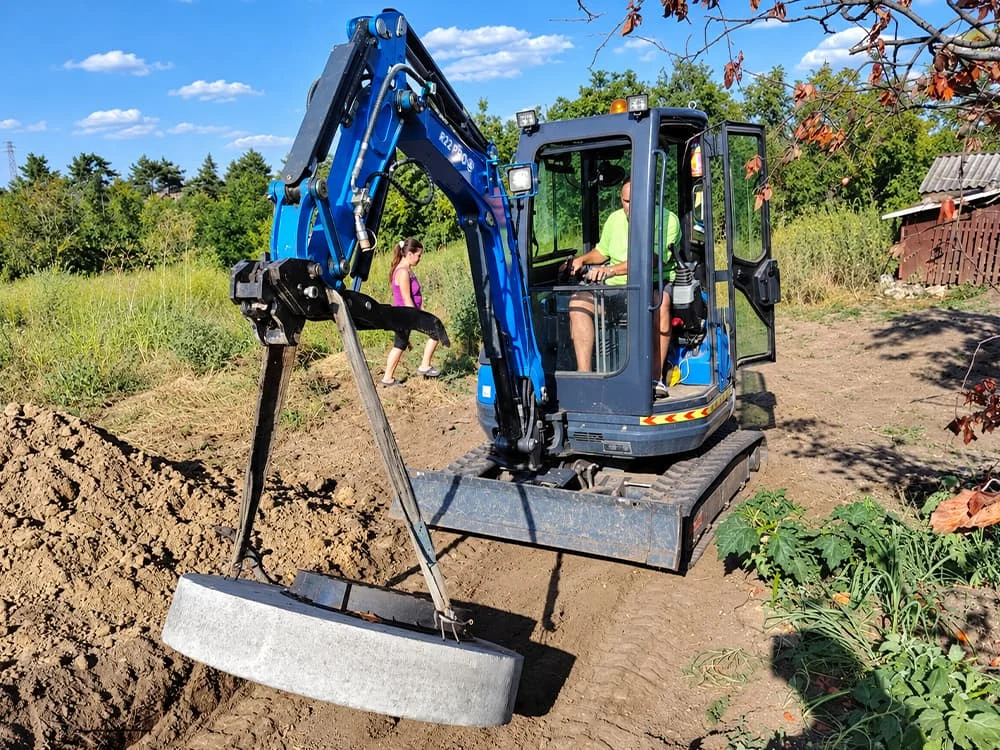
Reliable technical support helps customers maintain equipment availability and confidence in their dealer.
Provide Maintenance Guidance
A practical mini excavator maintenance support process may include routine service reminders, equipment inspection guidance, and access to manufacturer-approved maintenance information.
Customers should understand where to obtain assistance when operating problems occur.
Improve Service Response
Establish a system for receiving technical questions, recording reported problems, assigning responsibilities, and tracking progress.
Keep customers informed when additional investigation or replacement components are required.
Support Spare Parts Availability
Access to appropriate mini excavator parts is important for servicing equipment.
Dealers should track commonly requested components, confirm compatibility, and communicate expected ordering or delivery arrangements accurately.
Follow Up After Service
After resolving a problem, contact the customer to confirm whether the issue has been addressed.
Record recurring concerns to identify opportunities for improving service quality.
Coordinate with Manufacturing Partners
Clarify technical support responsibilities, parts ordering procedures, and warranty communication with the manufacturer.
Reliable support improves the ownership experience and gives customers stronger reasons to maintain their dealer relationship.
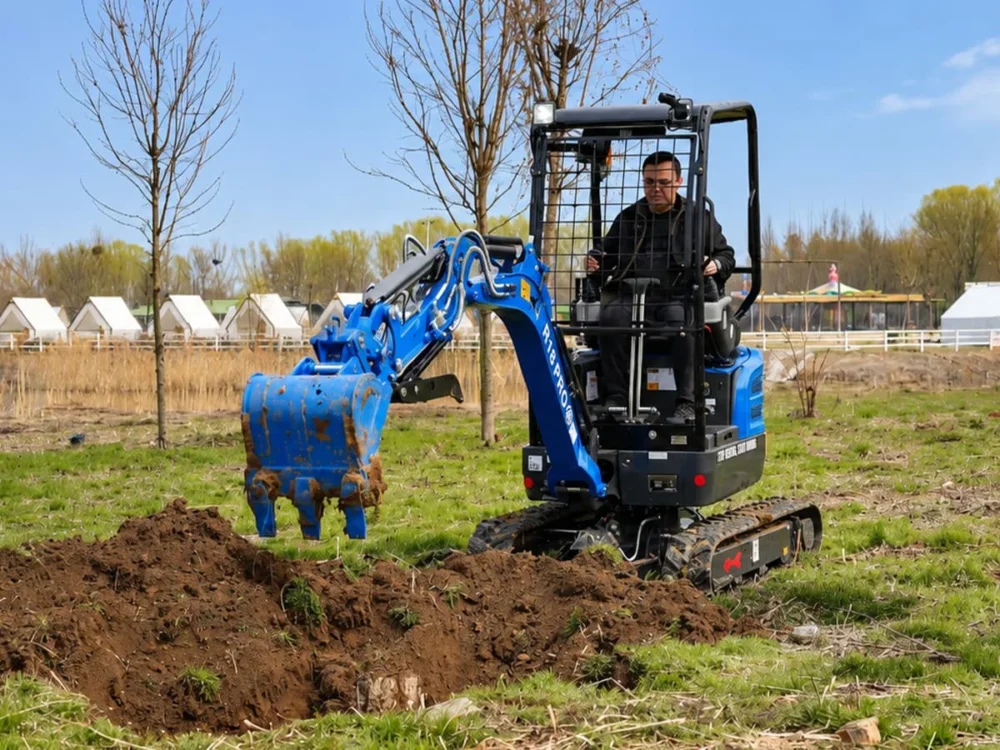
Repeat purchases depend on understanding customers’ future equipment requirements rather than simply offering more products.
Identify Business Expansion Opportunities
Monitor whether existing customers are taking on additional construction projects, expanding their service areas, or increasing equipment demand.
These developments may create opportunities for additional purchases.
Review Customer Purchase History
Use previous orders and customer conversations to understand equipment preferences and business needs.
A contractor researching compact excavators for sale may be considering a different equipment category for a new application.
Provide Relevant Recommendations
Recommend suitable equipment categories based on the customer’s actual work requirements.
Avoid promoting machines that do not match intended applications.
Develop Personalized Follow-Up Plans
Segment existing customers according to their industries, equipment ownership, purchasing intentions, and expected project timelines.
Contact customers when there is a relevant business reason, rather than sending the same promotional message to every account.
Strengthen Customer Trust
Provide accurate information about product availability, delivery arrangements, and service responsibilities.
Consistent communication and reliable support can encourage customers to consider the same dealership for future purchases.
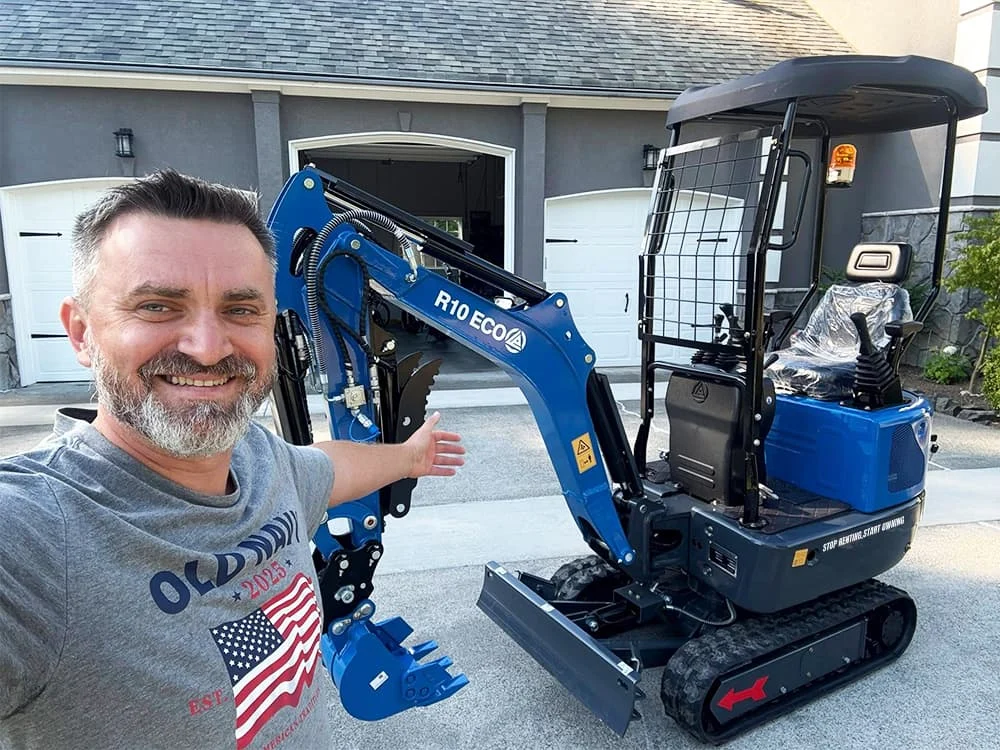
Customer retention strategies should be evaluated using clearly defined indicators and consistent reporting periods.
Define Active Customers
Because mini excavators are durable equipment, customers may remain loyal without purchasing another machine every year.
Dealers can define active relationships using meaningful interactions such as service requests, parts purchases, confirmed future equipment needs, or other agreed engagement criteria.
Calculate Customer Retention Rate
For a chosen reporting period:
Customer Retention Rate = (Customers From the Starting Group Still Active at Period End ÷ Customers at Period Start) × 100%
For example, if 100 customers existed at the beginning of a period and 85 remained active at the end, the retention rate would be 85%.
Newly acquired customers should not be included in the starting group.
Track Additional Indicators
Useful measurements include:
Improve Based on Results
Review customer records monthly or quarterly, identify recurring service problems, and adjust communication or support procedures.
When working with a Chinese mini excavator supplier, dealers should also clarify manufacturing support, parts coordination, and communication responsibilities.
RIPPA is a construction machinery manufacturer serving international equipment buyers and potential distributors. Businesses interested in developing long-term dealership operations for mini excavators for sale can explore RIPPA distributor opportunities to discuss equipment distribution, customer service expectations, and potential cooperation.
Follow up after delivery and at intervals appropriate to equipment usage and customer preferences. Prioritize meaningful service communication over frequent promotional messages.
Understand customers’ expanding business needs, provide reliable after-sales support, and recommend appropriate equipment when genuine purchasing opportunities arise.
Divide the number of starting customers who remain active at the end of a period by the total number of starting customers, then multiply by 100%.
Тел: +8615628788742
Электронная почта: contact02@rippa.com
WhatsApp: Экскаватор Rippa
Адрес: Шестой промышленный парк, город Цзинин, провинция Шаньдун, Китай

 RU
 EN
 ES
 IT
 FR
 DE
 PT
 TR
 BG
 HR
 RO
 CS
 NN
 SL
 SV
 HU
 SK
 DA
 FI
 PL
 PT_BR

