For dealers offering mini excavators for sale, spare parts inventory is an important part of daily business operations. Keeping essential components available helps reduce equipment downtime, support customers, and maintain reliable after-sales service.
However, stocking too many parts can tie up working capital, increase storage costs, and create obsolete inventory. Dealers need a practical stocking strategy that balances customer demand, equipment compatibility, supplier lead times, and purchasing costs.
Dealers should prioritize parts that are frequently replaced, essential for equipment operation, or difficult to obtain quickly. The right inventory can help customers return their machines to work without unnecessary delays.
Common maintenance components should form the foundation of a dealer’s spare parts inventory. These may include:
These items are regularly needed during scheduled maintenance and should be stocked according to actual service demand.
Some components can directly affect machine operation when damaged. Dealers should evaluate demand for hydraulic hoses, track components, bucket teeth, electrical parts, and other frequently requested replacement items.
A mini excavator inspection checklist can help identify components that require regular attention and guide stocking decisions.
Review previous repair orders, warranty claims, and customer inquiries to identify frequently requested parts.
Instead of purchasing components based on assumptions, dealers should use actual demand data to determine which items deserve priority.
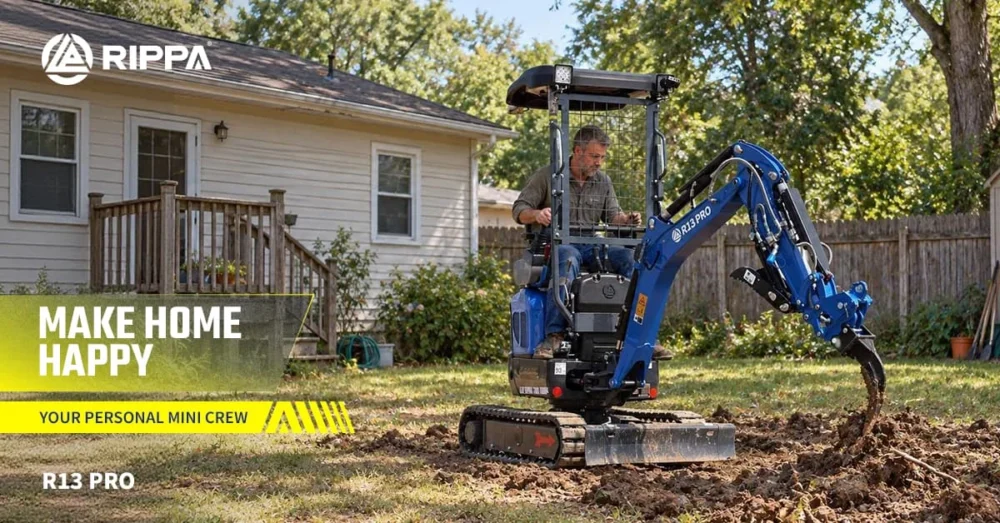
Organizing Chinese mini excavator parts by model series helps dealers improve compatibility management, simplify purchasing, and maintain more consistent inventory.
Different machine configurations may require different components. Dealers should organize their parts catalogs according to model series, equipment configuration, and part numbers.
A structured catalog helps sales and service teams identify compatible components more accurately.
Rather than relying entirely on one-time orders, dealers can establish recurring purchasing plans based on historical demand and expected maintenance requirements.
For example, commonly used filters and service components may require more frequent replenishment, while specialized components can be purchased according to confirmed requirements.
A reliable Chinese mini excavator supplier should provide accurate parts information, compatibility guidance, clear quotations, and predictable supply arrangements.
RIPPA is a Chinese construction machinery manufacturer focused on mini excavators and related equipment applications. International dealers can explore equipment and spare parts supply cooperation according to their business requirements.
Visit RIPPA Distributor Opportunities to learn more about potential long-term cooperation.
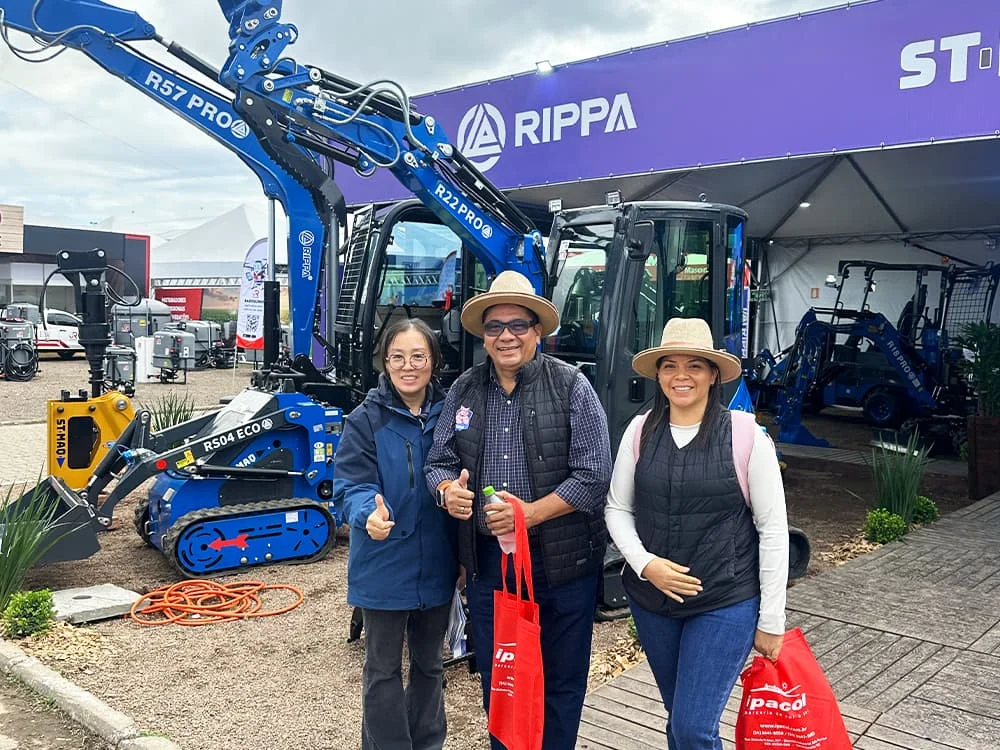
Parts and attachments should be selected according to equipment compatibility and customer applications. Incorrect matching can lead to installation problems, reduced performance, and unnecessary purchasing costs.
Before purchasing replacement parts or attachments, dealers should confirm the applicable machine series, connection dimensions, hydraulic requirements, and manufacturer specifications.
Compatibility should always be verified rather than assumed based on appearance or general equipment size.
Different customers require different equipment configurations.
For example, landscaping contractors may need grading buckets or other suitable working attachments, while agricultural customers may have different excavation and material-handling requirements.
Dealers should evaluate demand for mini excavator accessories based on local applications instead of stocking every available attachment.
Maintain clear records of attachment compatibility, replacement part numbers, purchasing history, and customer requirements.
This helps sales teams recommend suitable products and reduces errors during order processing.
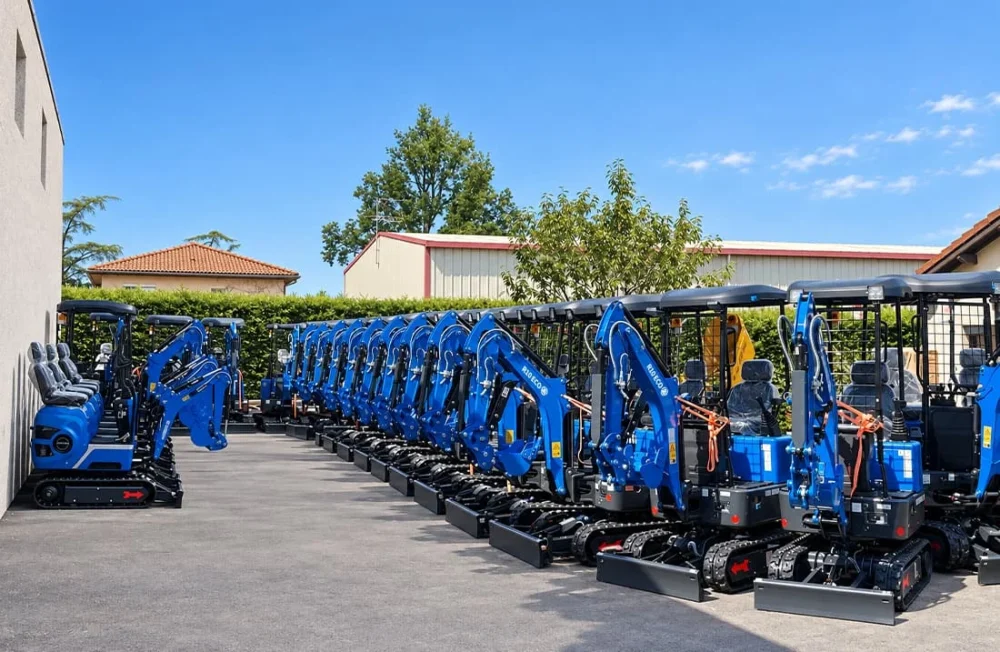
Not every component needs to be stored locally. Dealers should divide spare parts into stocking categories according to demand frequency, delivery time, cost, and operational importance.
Common filters, seals, hoses, and regularly requested maintenance components are suitable candidates for local storage.
Having these excavator parts for sale readily available can improve service response and reduce customer waiting time.
Expensive or low-demand components may be better purchased after receiving a confirmed customer requirement.
This approach reduces unnecessary capital investment and prevents slow-moving inventory from occupying valuable storage space.
When deciding whether to stock or order on demand, dealers should consider:
A component with low demand but a long delivery time may still justify a small safety stock if it is essential for equipment operation.
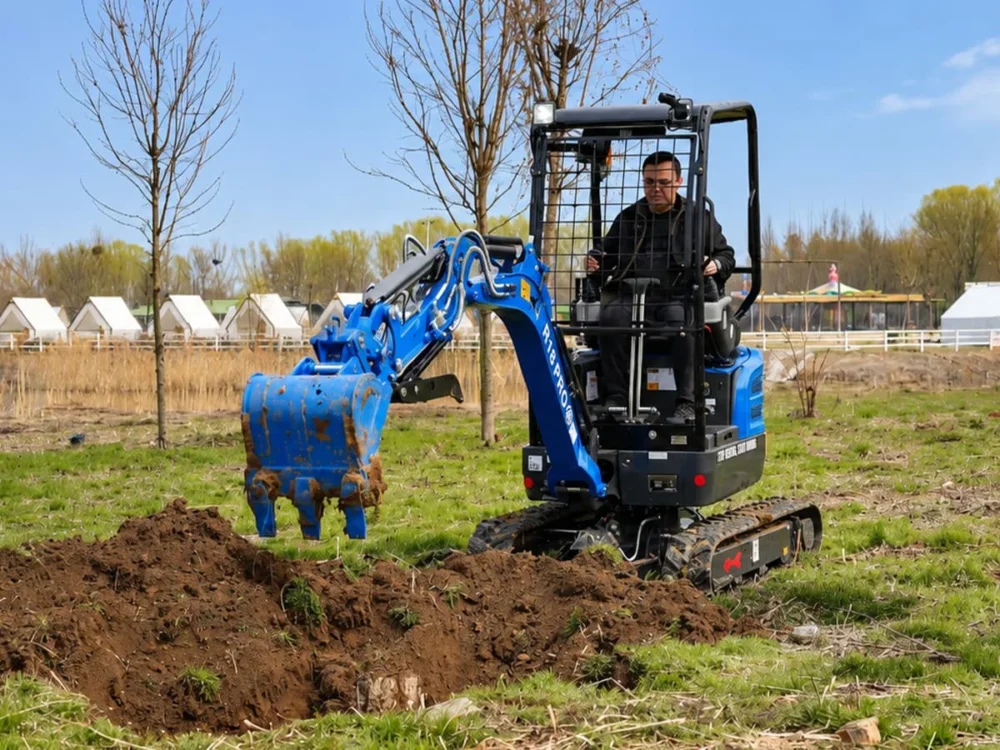
Spare parts management should support more than equipment repairs. It can also strengthen customer relationships, improve service quality, and create additional business opportunities.
Regular mini excavator maintenance helps customers maintain equipment performance and reduce avoidable repairs.
Dealers can provide maintenance recommendations covering lubrication, filter replacement, hydraulic inspections, track checks, and other routine service requirements.
When customers purchase equipment, dealers can introduce compatible replacement parts, maintenance components, and suitable accessories.
Offering relevant parts information helps customers understand ongoing ownership requirements and provides opportunities for repeat purchases.
Review service records and parts consumption regularly to identify recurring demand.
If certain components are frequently required, dealers can adjust purchasing quantities and replenishment schedules accordingly.
Combining maintenance records with sales data helps dealers build a more accurate spare parts stocking strategy.
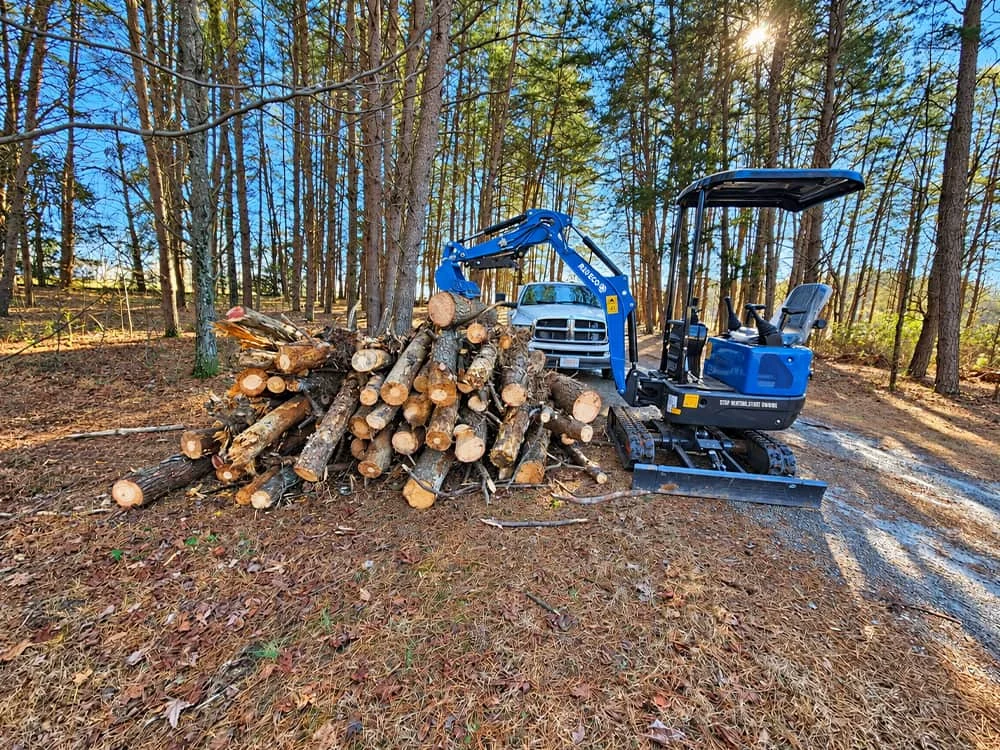
Dealers should prioritize frequently replaced filters, seals, hoses, hydraulic components, and other parts based on actual local demand.
Inventory levels should reflect monthly demand, supplier lead times, purchasing costs, and the importance of each component.
Use historical sales data, establish minimum stock levels, monitor replenishment times, and maintain communication with reliable suppliers.
Tel: +8615628788742
E-mail: contact02@rippa.com
WhatsApp: Escavadeira Rippa
Endereço: O sexto parque industrial, cidade de Jining, província de Shandong, China

 PT_BR
 EN
 ES
 IT
 FR
 RU
 DE
 PT
 TR
 BG
 HR
 RO
 CS
 NN
 SL
 SV
 HU
 SK
 DA
 FI
 PL

