When comparing mini excavators for sale, buyers often encounter two terms: compact excavators e miniescavadeiras. These terms are frequently used interchangeably, but machines may differ in size, digging capacity, maneuverability, and applications.
For contractors and equipment dealers, understanding these differences helps identify suitable machines for construction, landscaping, and agricultural projects. RIPPA offers mini excavator models for different working requirements, helping dealers match equipment with customer needs.
Choosing the right excavator affects productivity, transportation, and jobsite efficiency.
When evaluating mini excavators for sale, buyers should consider machine dimensions, operating weight, digging depth, and available working space.
Smaller machines are generally suitable for narrow areas, while heavier compact models may provide greater digging and lifting capabilities.
However, compact and mini excavators are not universally separate equipment categories. Manufacturers frequently use both terms for similar machines.
For dealers, understanding actual equipment specifications is more useful than relying on product names alone.
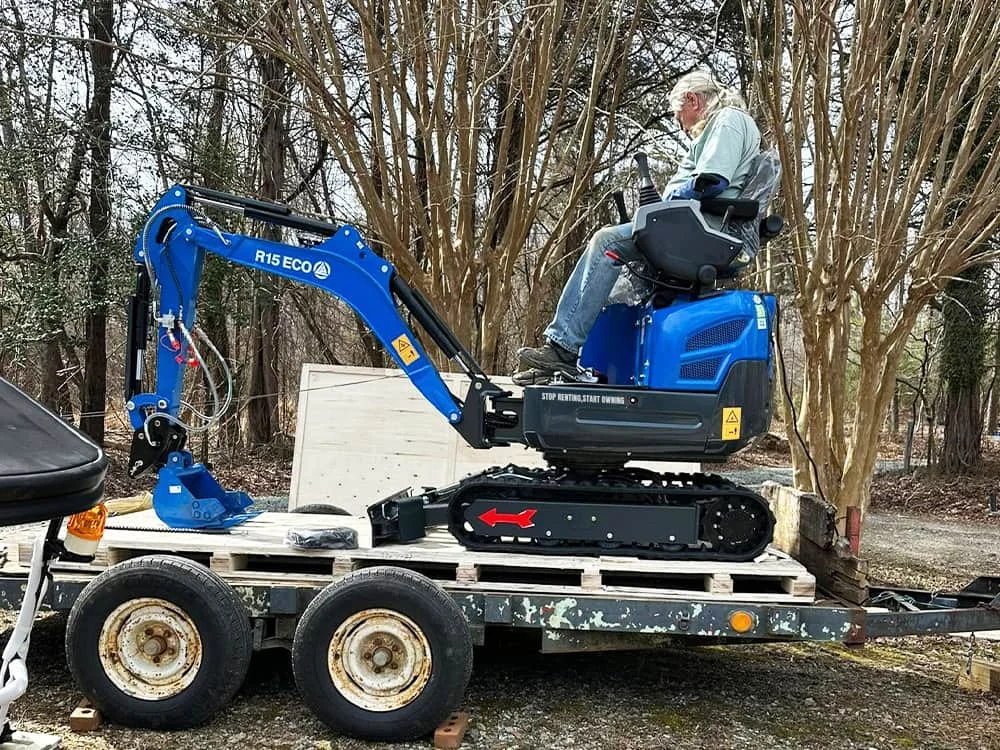
A compact excavator is a relatively small hydraulic excavator designed for construction, utility installation, landscaping, and earthmoving.
Buyers exploring compact excavators for sale often focus on digging depth, hydraulic performance, machine stability, and transportation requirements.
Compact excavators typically feature tracked undercarriages, rotating upper structures, hydraulic booms, and interchangeable attachments.
Some models provide greater operating weight and digging capacity than smaller mini excavators.
For equipment dealers, compact excavators can serve customers requiring versatile machinery for different construction applications.
A mini excavator is a small hydraulic machine commonly used for landscaping, residential construction, farming, and restricted-access excavation.
Customers searching for a mini excavator for sale often prioritize compact dimensions, maneuverability, transportation convenience, and versatile attachments.
Mini excavators typically include an engine, hydraulic system, boom, arm, bucket, and tracked undercarriage.
Depending on the model, attachments such as hydraulic breakers and augers may also be available.
RIPPA offers mini excavator models suitable for different applications. Buyers should compare actual specifications rather than assuming that compact and miniescavadeiras represent completely different machine categories.
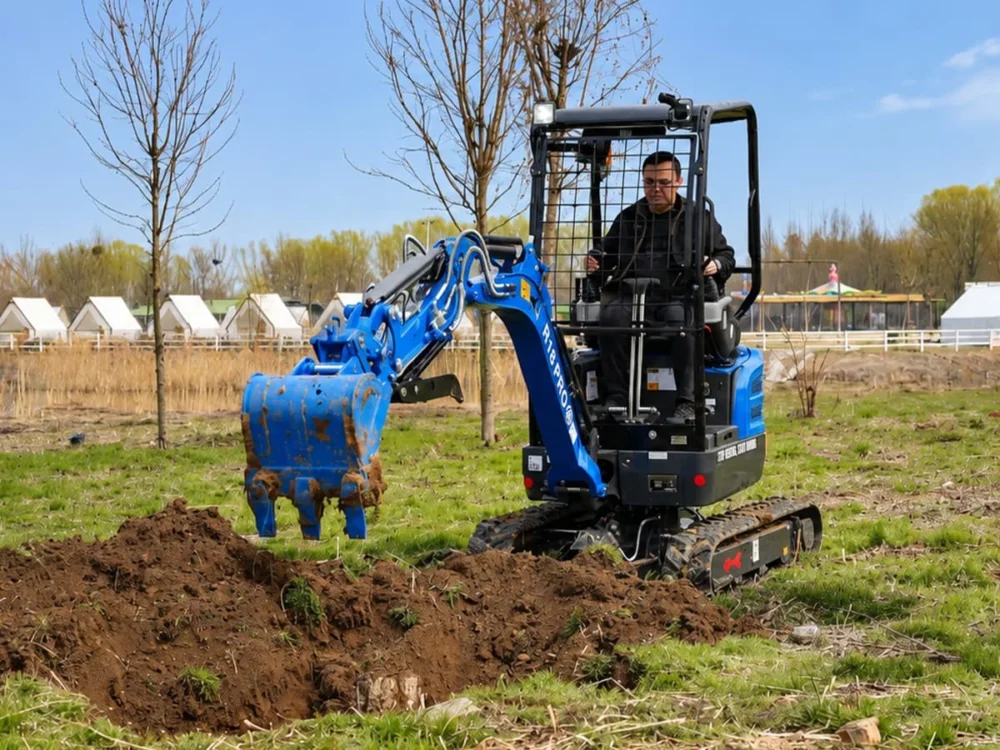
Understanding major components helps buyers evaluate machine performance.
When comparing a small excavator for sale, important systems include:
These components work together to perform excavation tasks efficiently.
For dealers, understanding component functions helps explain equipment capabilities, attachment compatibility, and maintenance requirements to customers.
Compact and mini excavators share similar functions, but different machine sizes offer distinct advantages.
| Feature | Smaller Mini Excavators | Larger Compact Excavators |
| Working space | Narrow areas | More open jobsites |
| Transportation | Generally easier | May require larger transport equipment |
| Digging capacity | Light excavation | Potentially heavier excavation |
| Maneuverability | Better in restricted spaces | Depends on dimensions |
| Aplicativos | Landscaping, property maintenance | Construction, utility work |
Buyers comparing compact excavators for sale e mini excavators for sale should focus on working requirements.
Smaller machines may offer easier access and transportation, while larger models may provide greater stability, digging depth, and lifting performance.
Neither option is automatically superior. Equipment specifications and jobsite conditions should determine the choice.
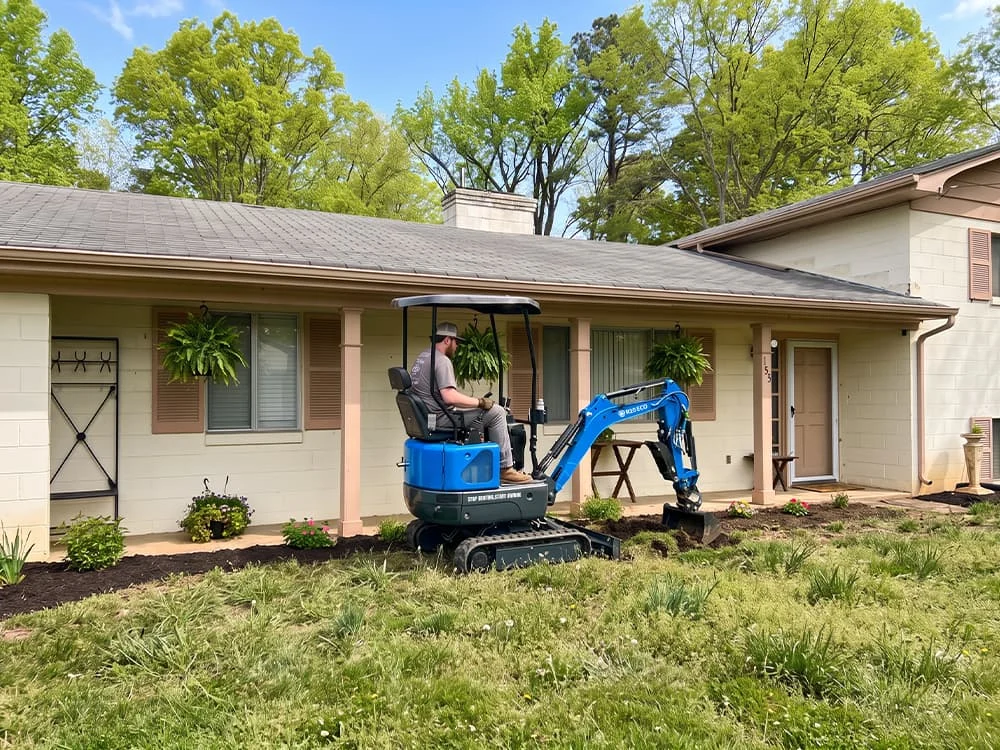
Mini excavators are widely used across construction and maintenance industries.
Common applications include:
Customers searching for “excavator small for sale” may need equipment capable of operating in narrow or difficult-to-access environments.
For dealers, understanding local industry requirements helps determine which excavator sizes and configurations are most suitable.
RIPPA mini excavators can be evaluated for these applications according to their model specifications and available attachments.
Consider two typical equipment selection scenarios.
Residential landscaping: A contractor needs to dig drainage trenches between buildings and fences. A smaller mini excavator may offer better maneuverability and easier access.
Utility construction: A contractor needs to excavate deeper trenches on an open jobsite. A larger compact excavator may provide more suitable digging and lifting capabilities.
These are illustrative scenarios rather than documented customer projects.
When evaluating a mini excavator for sale, buyers should check operating weight, digging depth, hydraulic capacity, machine dimensions, and attachment compatibility.
O mini excavator price should also be considered alongside equipment configuration, warranty coverage, and manufacturer support.
For customers comparing a small excavator for sale, choosing equipment that matches actual working requirements is more important than selecting the largest available machine.
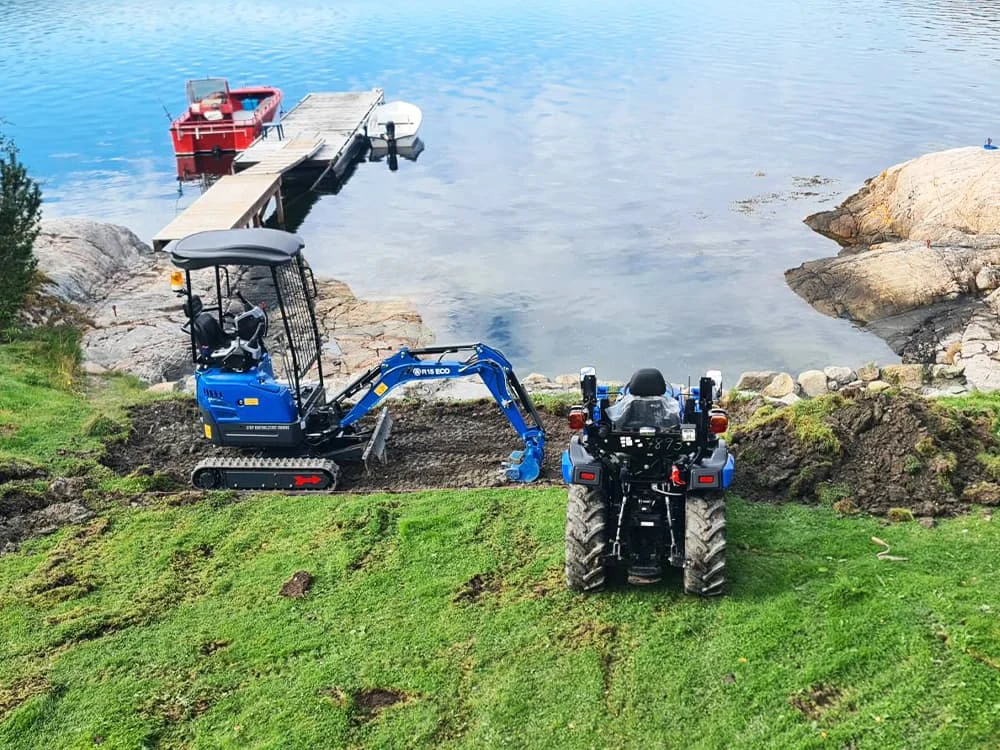
Selecting the right RIPPA mini excavator begins with identifying customer applications and working conditions.
Smaller models may suit landscaping, agriculture, and residential projects requiring maneuverability. Models with greater operating weight and digging capability may be more suitable for construction and utility applications.
RIPPA provides mini excavator options for different customer requirements. Businesses exploring mini excavators for sale can review available models through the RIPPA product page.
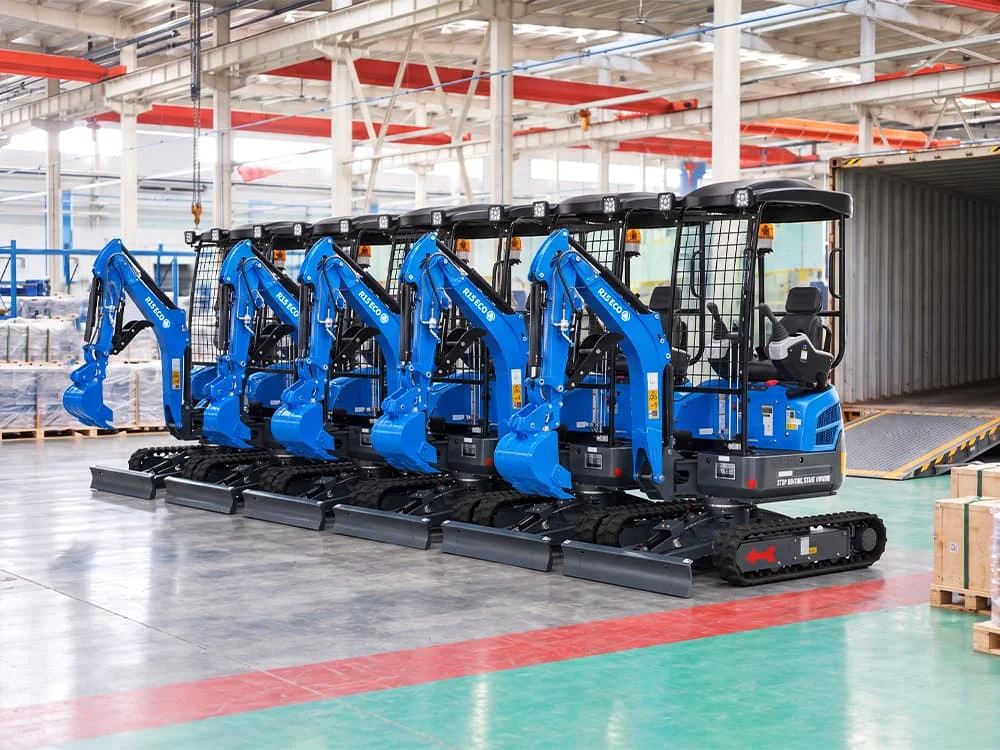
The terms are often interchangeable. Actual differences depend on machine size, weight, specifications, and manufacturer terminology.
Smaller miniescavadeiras are often better suited to restricted spaces, depending on access width and digging requirements.
Machine size, engine configuration, hydraulic performance, attachments, equipment specifications, and supplier support can influence pricing.
Tel: +8615628788742
E-mail: contact02@rippa.com
WhatsApp: Escavadeira Rippa
Endereço: O sexto parque industrial, cidade de Jining, província de Shandong, China

 PT_BR
PT_BR  EN
EN  ES
ES  IT
IT  FR
FR  RU
RU  DE
DE  PT
PT  TR
TR  BG
BG  HR
HR  RO
RO  CS
CS  NN
NN  SL
SL  SV
SV  HU
HU  SK
SK  DA
DA  FI
FI  PL
PL 
