For dealers offering mini excavators for sale, accurate service records are essential for managing equipment maintenance, tracking repairs, and supporting customers after delivery. Every machine has its own operating history, and incomplete records can make technical support, warranty reviews, and service planning more difficult.
Effective service record management involves more than saving repair invoices. Dealers need to classify records, update equipment histories, verify information, protect documents, and use service data to improve operations.
The following five methods explain how dealers can manage mini excavator service records consistently across their equipment and customer networks.
Organized records help dealers locate important equipment information without searching through disconnected files or service reports.
Classify Records by Equipment Identification
Use each machine’s serial number as the primary reference for its service history.
Link the equipment identification to customer details, delivery dates, dealer information, and relevant purchase records.
This allows employees to retrieve the correct file even when customers own multiple machines.
Separate Different Service Record Categories
Classify records into clear groups:
Keeping these categories separate makes information easier to review while maintaining a complete equipment history.
Standardize Maintenance Record Fields
For every mini excavator maintenance entry, record the service date, equipment identification, operating hours, work performed, technician, and next recommended action.
Use consistent field names and document formats across the dealership.
Link Related Records
Connect maintenance reports, photographs, replacement parts details, and service tickets to the same equipment file.
A consistent classification system reduces duplicate records and helps employees identify missing documents.
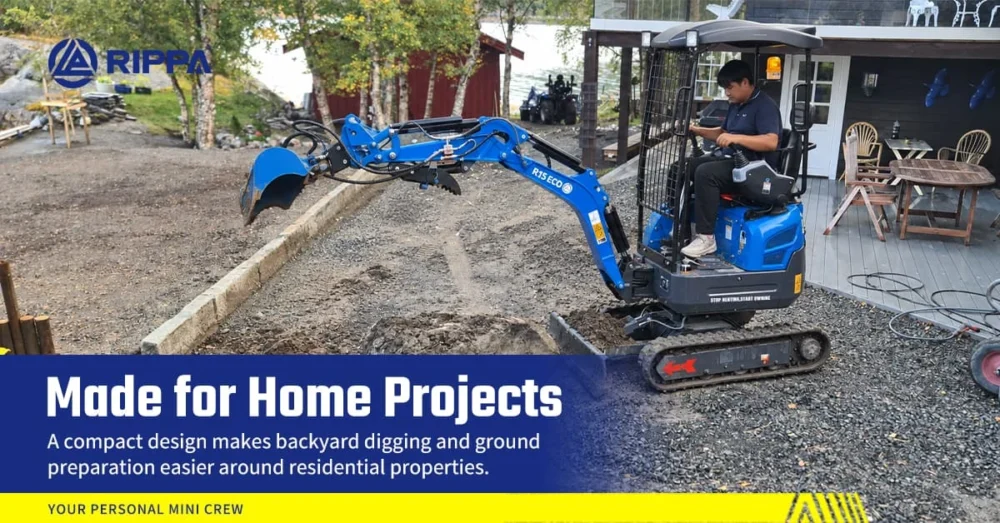
Service histories must be updated whenever maintenance, inspections, or repairs are completed.
Record Each Completed Service
After mini excavator servicing, technicians should document the work performed, inspection findings, replacement components, and final equipment condition.
Include the actual service date rather than relying only on the date a work order was created.
Track Equipment Operating Hours
Record mini excavator operating hours at each inspection or service visit.
Operating-hour information helps dealers understand equipment usage and determine when future maintenance may be required.
When possible, compare new readings with previous records to identify unusual discrepancies.
Update Maintenance Schedules
Maintain a mini excavator maintenance schedule linked to each equipment file.
After completing a scheduled service, record the next maintenance date or operating-hour threshold according to the manufacturer’s recommendations.
Do not apply identical service intervals to every machine without checking its relevant documentation and working conditions.
Track Repair History
Every repair entry should include the reported fault, diagnosis, repair action, replacement parts, technician, and completion status.
When a problem occurs again, reviewing the previous repair history can help technicians identify possible recurring issues.
Maintain a Continuous Service Timeline
Arrange records chronologically so employees can follow the equipment’s maintenance and repair history from delivery to its latest service.
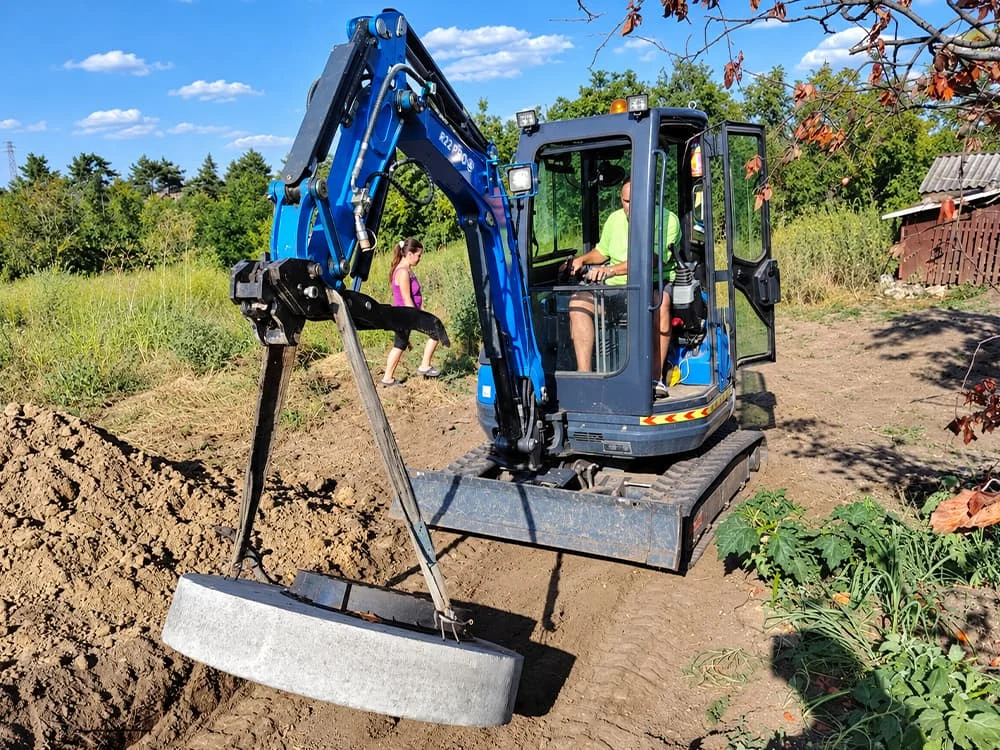
Accurate records require clear employee responsibilities and a consistent verification process.
Assign Recording Responsibilities
Technicians should enter service findings and completed work, while designated service coordinators verify that each record is associated with the correct machine.
Dealership managers can oversee record completion standards and resolve missing information.
Use Standard Inspection Forms
A mini excavator inspection checklist helps technicians record equipment condition consistently.
The checklist should identify inspected components, findings, abnormal conditions, and any required follow-up actions.
Attach completed inspection forms to the corresponding service record.
Verify Critical Information
Before approving a record, review:
Compare the recorded details with available inspection reports and supporting evidence.
Correct Errors Without Losing History
If an entry contains incorrect information, document the correction and preserve the original record or its revision history.
Avoid silently replacing important maintenance or repair information.
Review Record Completeness
Conduct periodic checks to identify missing signatures, incomplete service reports, or records awaiting approval.
This helps prevent small documentation errors from accumulating over time.
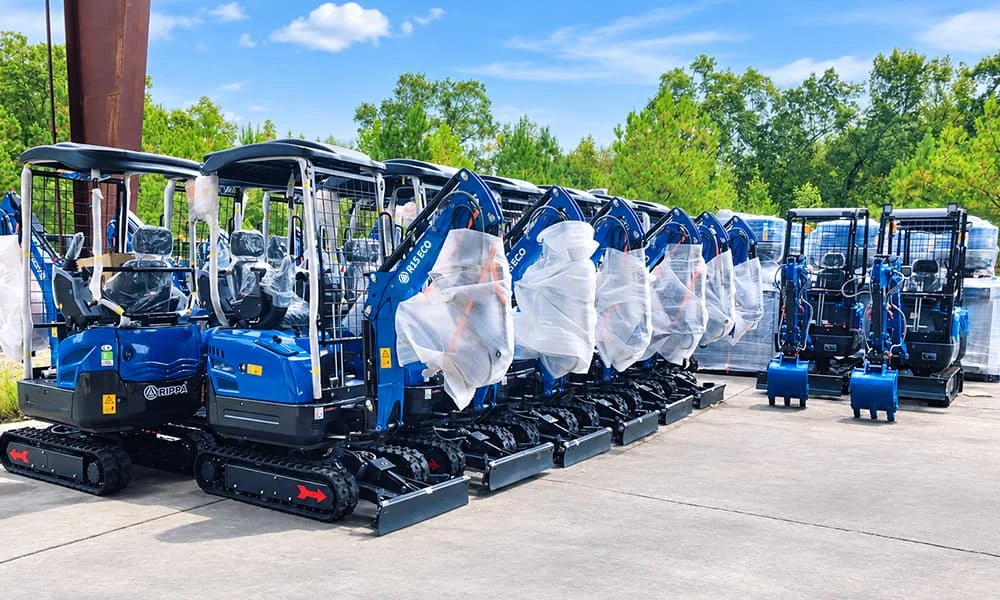
A centralized record system allows dealers to manage service information across employees, locations, and equipment fleets.
Use a Centralized Digital System
Store service records in a structured spreadsheet, service management platform, or CRM system.
Organize files by equipment identification rather than relying only on customer names or dates.
Connect Supporting Documents
Attach inspection photographs, invoices, technician reports, and mini excavator parts replacement details to the appropriate service file.
This helps employees confirm what work was completed without searching through separate communication channels.
Create Searchable Record Fields
Make equipment serial numbers, customer names, service dates, work order numbers, and fault categories searchable.
Authorized employees should be able to retrieve previous records quickly when responding to customer inquiries.
Control Access and Changes
Define who can view, enter, approve, or edit service information.
Use appropriate access permissions and maintain a revision history for important changes.
Protect and Back Up Service Data
Follow applicable data protection requirements, establish appropriate record retention rules, and back up digital files regularly.
Check that backups can be restored when needed.
Reliable storage protects service history from accidental deletion, unauthorized changes, and equipment or system failures.

Service records become more valuable when dealers use them to identify patterns and improve operating decisions.
Identify Recurring Equipment Problems
Review maintenance and repair histories to find repeated faults affecting individual machines or similar equipment categories.
Compare fault descriptions, operating hours, and previous repair actions to determine which cases require further investigation.
Monitor Maintenance Completion
Compare completed maintenance records against planned service activities.
Identify overdue inspections and customers who may need reminders about recommended servicing.
Analyze Parts Replacement Trends
Review replacement frequencies and historical demand to support spare parts planning.
This can help dealerships identify commonly required components and reduce delays caused by missing inventory.
Measure Record Management Performance
Track useful indicators such as:
Use these findings to improve staff training, documentation procedures, and service coordination.
Share Relevant Findings with Manufacturers
A mini excavator importer can summarize recurring equipment faults, service trends, and parts replacement information when communicating with a Chinese mini excavator supplier.
Accurate records provide useful evidence for technical discussions and future service planning.
Explore RIPPA Distribution Opportunities
Well-managed service records help equipment dealers maintain customer relationships and coordinate technical information with manufacturing partners.
RIPPA is a construction machinery manufacturer serving international equipment buyers and potential distribution partners.
Dealers interested in expanding their equipment business can explore RIPPA distributor opportunities to discuss machinery sourcing, after-sales coordination, and potential long-term cooperation.
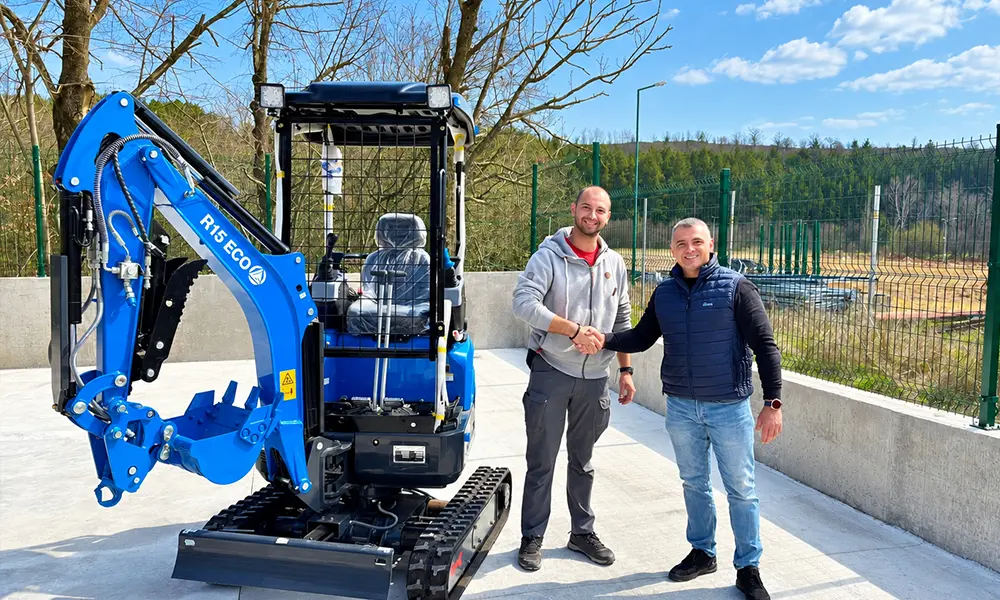
Record the equipment serial number, service date, operating hours, completed work, replacement parts, technician, and final service result.
Update records after each inspection, maintenance activity, or repair, and verify their completeness before closing the service case.
Use standardized forms, assign recording and approval responsibilities, check mandatory fields, and maintain digital backups.
Tel: +8615628788742
E-mail: contact02@rippa.com
WhatsApp: Escavadeira Rippa
Endereço: O sexto parque industrial, cidade de Jining, província de Shandong, China

 PT_BR
 EN
 ES
 IT
 FR
 RU
 DE
 PT
 TR
 BG
 HR
 RO
 CS
 NN
 SL
 SV
 HU
 SK
 DA
 FI
 PL

