A pre-delivery inspection ensures that a mini excavator is properly checked before it reaches a customer. It helps identify transportation damage, mechanical problems, missing components, and documentation issues that could affect equipment operation.
For dealers and importers evaluating mini excavators for sale, a structured inspection process is essential for verifying machine condition and preparing equipment for customer handover.
An effective inspection covers exterior components, engine systems, hydraulics, undercarriage, attachments, operating functions, and delivery documents. Every identified problem should be resolved and verified before the machine is approved for delivery.
Exterior inspection is the first step in evaluating equipment condition before customer delivery.
Examine body panels, covers, protective structures, and accessible structural components for visible damage.
Look for dents, cracks, corrosion, loose fasteners, and signs of transportation damage. Check that access panels open and close correctly.
Any damage that may affect safe operation should be reported before delivery.
Inspect visible mini excavator parts, including pins, bushings, brackets, and protective covers.
Confirm that components are correctly installed and that no required fasteners or protective items are missing.
Pay particular attention to boom, arm, and bucket connections, where loose or damaged components may affect equipment performance.
Check the equipment identification number and relevant identification plates against the purchase order and delivery records.
For international dealers, accurate identification helps prevent shipping mistakes and supports future equipment registration, maintenance, and parts ordering.
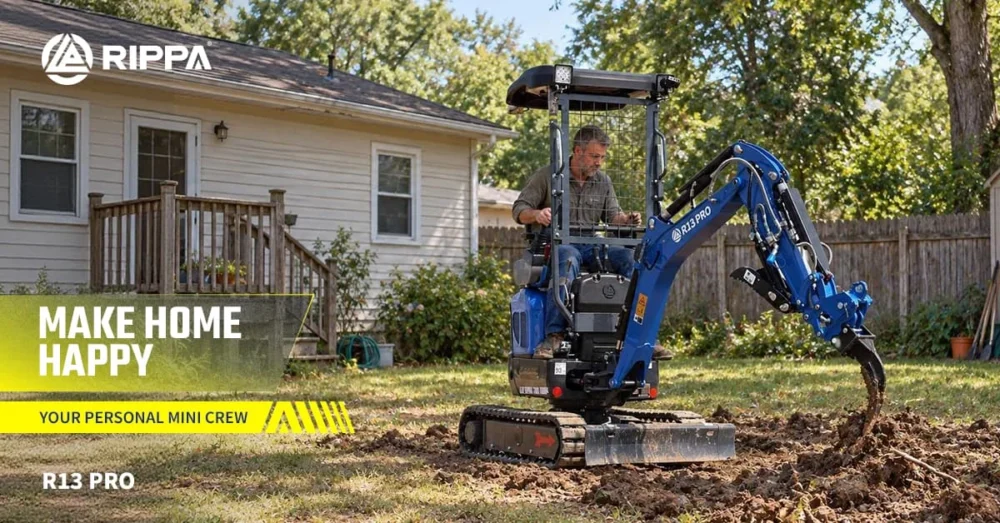
Engine, hydraulic, and electrical inspections help identify mechanical problems before the equipment reaches the customer.
Inspect engine oil, coolant, and other required fluid levels according to manufacturer instructions.
Check accessible engine components for loose connections, visible leaks, damaged hoses, and contamination.
Confirm that the specified fluids are suitable for the machine and its intended operating conditions.
Examine hydraulic cylinders, hoses, fittings, and accessible connections for visible damage or leakage.
Check hydraulic fluid levels using the manufacturer’s required procedure.
A complete mini excavator inspection checklist should include signs of hydraulic leakage, hose wear, damaged seals, and abnormal cylinder conditions.
Never inspect suspected high-pressure leaks by hand.
Check battery connections, visible wiring, switches, work lights, and instrument indicators.
Confirm that electrical connections are secure and that required warning indicators function according to manufacturer specifications.
Unresolved electrical faults should be corrected before customer delivery.

The undercarriage and attachments must be inspected carefully because they directly affect movement, digging performance, and equipment safety.
Examine tracks, rollers, idlers, sprockets, and visible undercarriage components for damage or unusual wear.
Check track tension according to manufacturer specifications and remove accumulated debris.
For dealers supplying a small excavator for sale, undercarriage condition is an important part of equipment preparation and customer acceptance.
Inspect bucket teeth, cutting edges, mounting brackets, pins, and bushings.
Confirm that the bucket is securely connected and that locking mechanisms are correctly engaged.
Damaged or loose components must be corrected before functional testing.
Review included mini excavator accessories and compare them with the customer’s order.
Confirm attachment quantities, mounting compatibility, and any applicable hydraulic connection requirements.
Accurate attachment verification helps dealers avoid missing-component disputes and delivery delays.
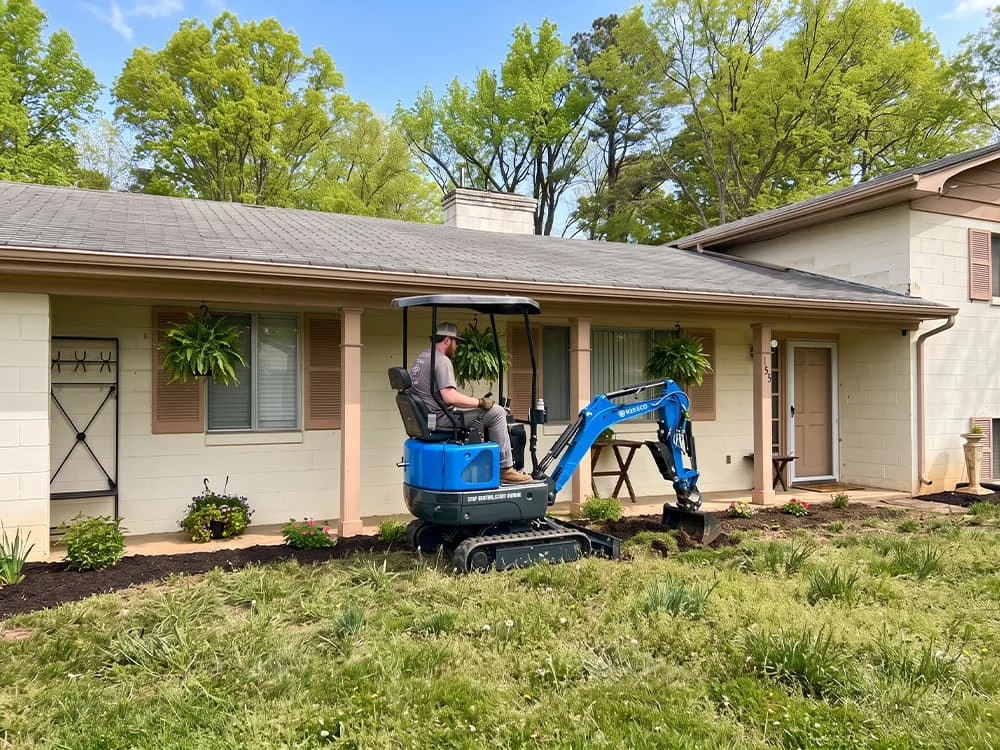
Visual inspection alone cannot confirm that a machine is ready for operation. Controlled functional testing is necessary before customer handover.
Start the machine using the manufacturer’s recommended procedure.
Observe warning indicators, engine response, unusual noises, and visible leakage.
Allow the equipment to reach the operating condition specified by the manufacturer before testing working functions.
In a designated safe testing area, check forward travel, reverse travel, and steering response.
Observe track movement and listen for unusual undercarriage noises.
When preparing a mini excavator for sale, confirm that travel functions operate normally without unexpected movement or fault indications.
Operate boom, arm, and bucket functions under safe testing conditions.
Confirm that hydraulic movements are responsive, controlled, and consistent with the manufacturer’s requirements.
Check accessible connections for leakage after testing.
Test applicable attachment functions and check the proper operation of required safety devices.
Dealers preparing compact excavators for sale should document functional test results before approving machines for delivery.
Any abnormal response requires investigation and correction before final acceptance.
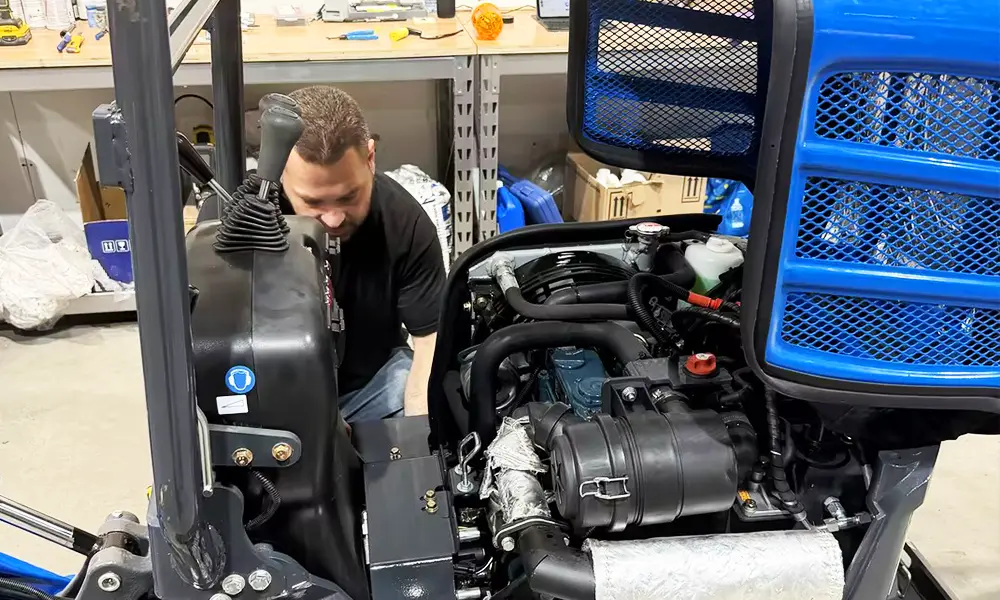
A machine should not be approved for delivery until identified defects have been addressed and required documentation has been verified.
Document all inspection findings, including damaged components, fluid leaks, missing accessories, and abnormal operating behavior.
Arrange appropriate mini excavator servicing to correct identified problems.
After repairs, repeat the relevant inspections or functional tests to confirm that corrective actions were successful.
Check whether any required pre-delivery mini excavator maintenance tasks remain incomplete.
Confirm fluid conditions, lubrication requirements, and applicable servicing records.
Maintenance information should be consistent with manufacturer guidance rather than assumptions about service intervals.
Before releasing the equipment, verify the required documentation, including:
Documentation requirements may vary by destination and transaction.
The inspection report should identify completed checks, discovered defects, corrective actions, and final acceptance status.
Equipment with unresolved safety-related defects or failed mandatory tests should not be released for delivery.
Keeping accurate records helps dealers manage customer handovers and future service requests.
For international machinery dealers, a consistent pre-delivery inspection process helps verify equipment condition and improve customer confidence.
RIPPA is a construction machinery manufacturer serving international equipment buyers and potential distribution partners.
Dealers interested in supplying mini excavators can discuss equipment configurations, inspection documentation, and potential cooperation with RIPPA.
Explore RIPPA distributor opportunities to learn more about equipment sourcing and long-term dealership partnerships.
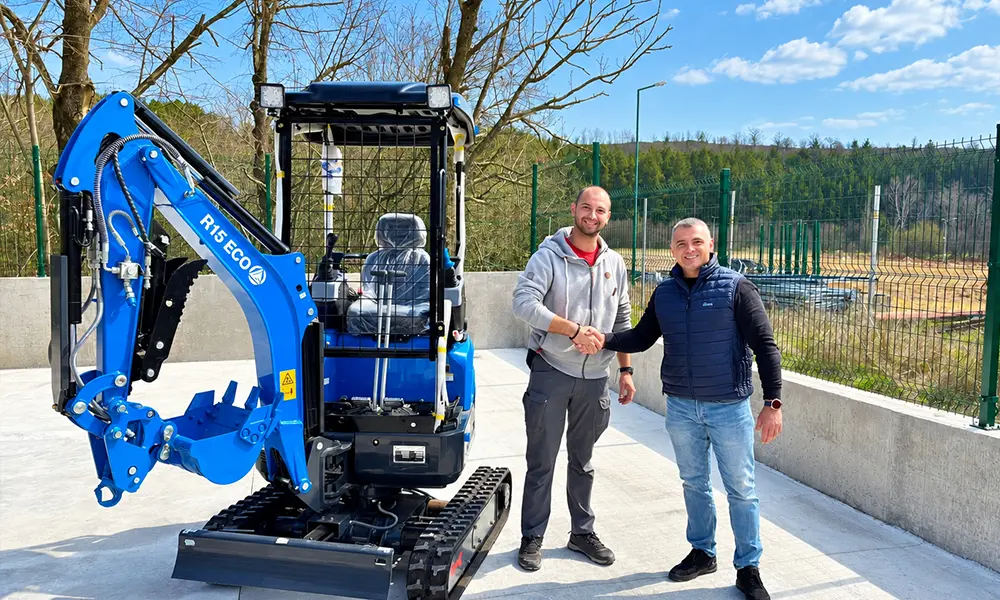
Inspect exterior components, engine, hydraulic systems, electrical equipment, tracks, attachments, operating functions, and delivery documents.
Yes. Functional testing helps identify operating problems that may not be visible during a routine inspection.
Record the defects, complete necessary repairs, and repeat the affected tests before approving the machine for delivery.
Tel: +8615628788742
Correio eletrónico: contact02@rippa.com
WhatsApp: Escavadora Rippa
Endereço: O sexto parque industrial, cidade de Jining, província de Shandong, China

 PT
 EN
 ES
 IT
 FR
 RU
 DE
 TR
 BG
 HR
 RO
 CS
 NN
 SL
 SV
 HU
 SK
 DA
 FI
 PL
 PT_BR

