For businesses offering mini excavators for sale, finding potential customers is only the first step in building a successful dealership. Not every inquiry represents a genuine purchasing opportunity. Some visitors are researching equipment, while others have specific purchasing plans or long-term distribution interests.
Dealers need a structured qualification process to understand who their buyers are, what equipment they need, whether they have sufficient purchasing capacity, and when they intend to buy.
A reliable qualification process helps sales teams prioritize valuable opportunities, reduce time spent on unqualified inquiries, and identify businesses with long-term cooperation potential.
This guide explains five practical steps to identify, evaluate, and prioritize potential mini excavator buyers.
The first step is understanding who is contacting your dealership and what type of purchasing relationship they may represent.
Identify Different Buyer Types
Potential mini excavator buyers generally fall into several categories:
Classify Buyers by Business Potential
An individual purchasing one machine and a company planning regular equipment distribution should not receive the same qualification process.
Dealers should identify whether a customer is looking for a single purchase, multiple machines, wholesale supply, or an ongoing distribution relationship.
Record Customer Information
Collect basic information such as customer name, company, country, industry, contact details, and intended purchasing role.
This information provides the foundation for further qualification.
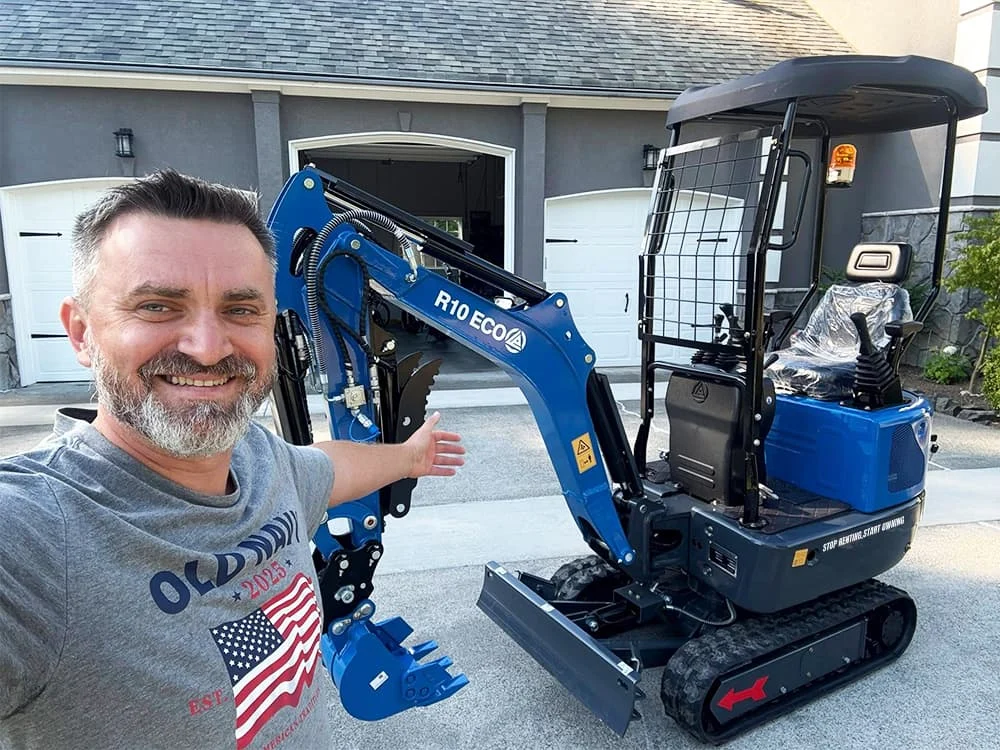
After identifying the customer type, sales representatives should understand the actual equipment requirements before recommending products.
Ask About Equipment Applications
Useful questions include:
Understand Product Preferences
Customers searching for a mini excavator for sale or small excavator for sale may have different expectations regarding machine size, operating environment, and intended applications.
Ask about preferred equipment categories and any specific requirements.
Identify Purchasing Priorities
Find out whether the customer prioritizes equipment suitability, delivery arrangements, available support, purchasing costs, or long-term supply relationships.
Match Products to Actual Needs
Use the information collected to recommend appropriate equipment categories.
Avoid recommending machines simply because they are available. Accurate product matching improves customer confidence and helps prevent unsuitable quotations.
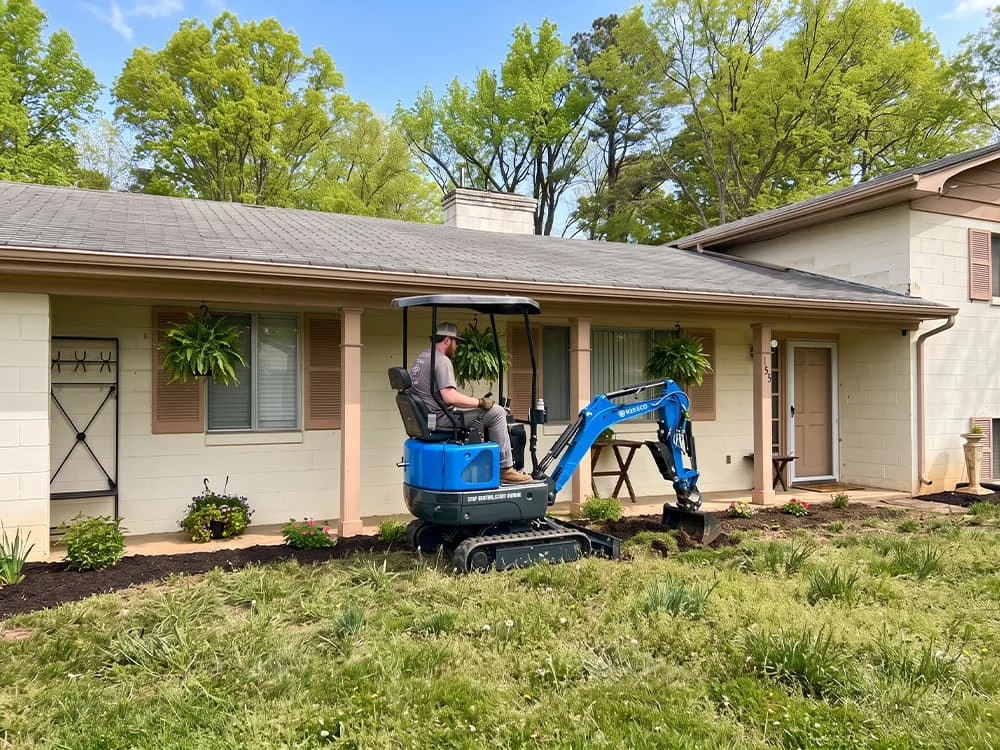
A genuine purchasing requirement does not automatically mean a customer is ready to place an order. Dealers must also understand purchasing capacity and timing.
Understand the Customer’s Budget
When customers ask about mini excavator price, clarify their expected purchasing budget and whether it covers transportation and other relevant costs.
Avoid assuming that customers with smaller budgets have no purchasing potential. Their requirements may differ from those of larger commercial buyers.
Confirm Purchase Quantities
Ask how many machines the customer currently plans to purchase.
Distinguish between an immediate order, a potential future order, and an estimated annual purchasing requirement.
Determine the Buying Timeline
Ask when the customer expects to make a purchasing decision.
For example:
Understand the Decision Process
Identify who makes the purchasing decision, whether additional approval is required, and what information the customer needs before proceeding.
These details help sales representatives determine the appropriate follow-up priority.
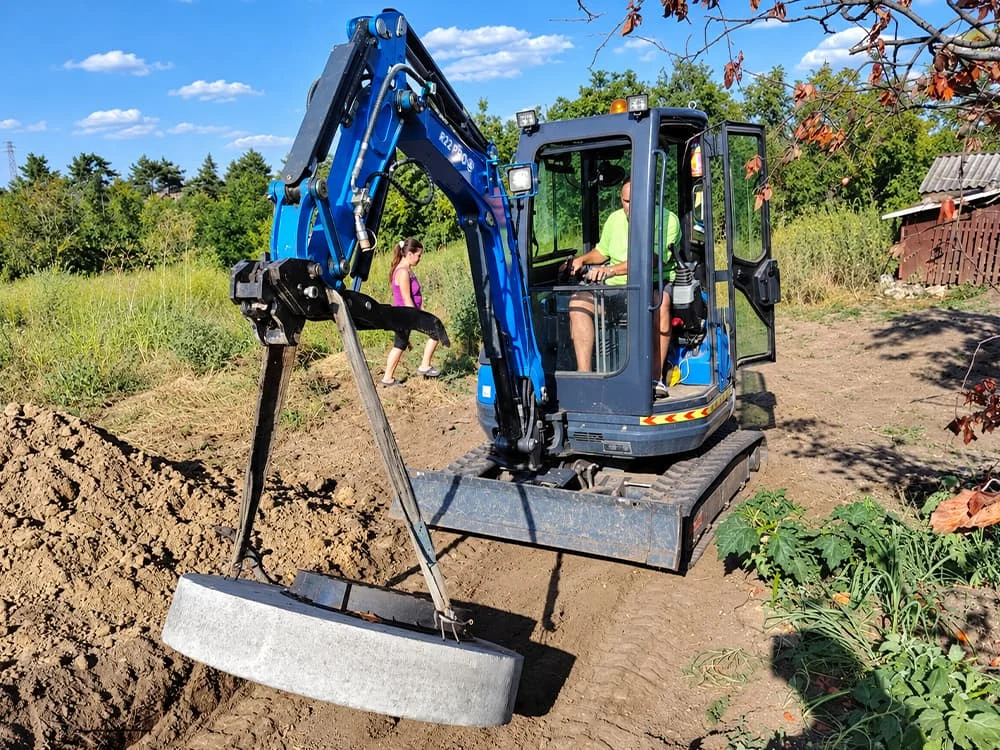
For dealers seeking long-term commercial customers, verifying business information is particularly important.
Check Business Information
For potential B2B buyers, review available company information, business websites, registration details where accessible, and relevant industry activities.
Confirm that the business has a genuine commercial presence.
Evaluate Distribution Capabilities
Companies interested in becoming equipment distributors should be assessed differently from individual equipment buyers.
Consider whether they have:
Understand Market Coverage
A business may have valuable commercial potential if it already serves construction, landscaping, agricultural, or machinery customers.
Dealers should understand the company’s target market and ability to develop local sales opportunities.
Assess Supplier Cooperation Potential
A business evaluating a Chinese mini excavator supplier may also consider product availability, communication, documentation, supply arrangements, and long-term cooperation.
Qualification should focus on verifiable business capabilities rather than relying only on customer statements.

After collecting customer information, dealers need a consistent method to determine which opportunities deserve immediate attention.
Create a Buyer Qualification Scorecard
A practical 100-point scoring model can include:
| Evaluation Criteria | Suggested Points |
| Customer identity and business credibility | 20 |
| Clarity of equipment requirements | 20 |
| Purchasing budget and capacity | 20 |
| Purchase quantity and timeline | 20 |
| Long-term business potential | 20 |
| Total | 100 |
Classify Leads by Priority
This is an illustrative internal scoring framework, not an official RIPPA customer classification standard.
Manage Leads Through a CRM System
Record qualification scores, customer requirements, communication history, quotations, and next follow-up dates.
For customers searching for mini excavators for sale near me, also record their location and preferred delivery arrangements to help evaluate local purchasing opportunities.
Prioritize Follow-Up Actions
Sales representatives should focus first on customers with verified requirements, realistic budgets, and clear purchasing timelines.
Potential distributors should receive additional evaluation based on their business capabilities and long-term market development plans.
Explore Distribution Opportunities with RIPPA
Effective buyer qualification helps businesses distinguish individual equipment purchasers from potential long-term distribution partners.
Companies interested in working with a Chinese mini excavator supplier can explore RIPPA distributor opportunities to discuss target markets, business capabilities, and potential dealership cooperation.
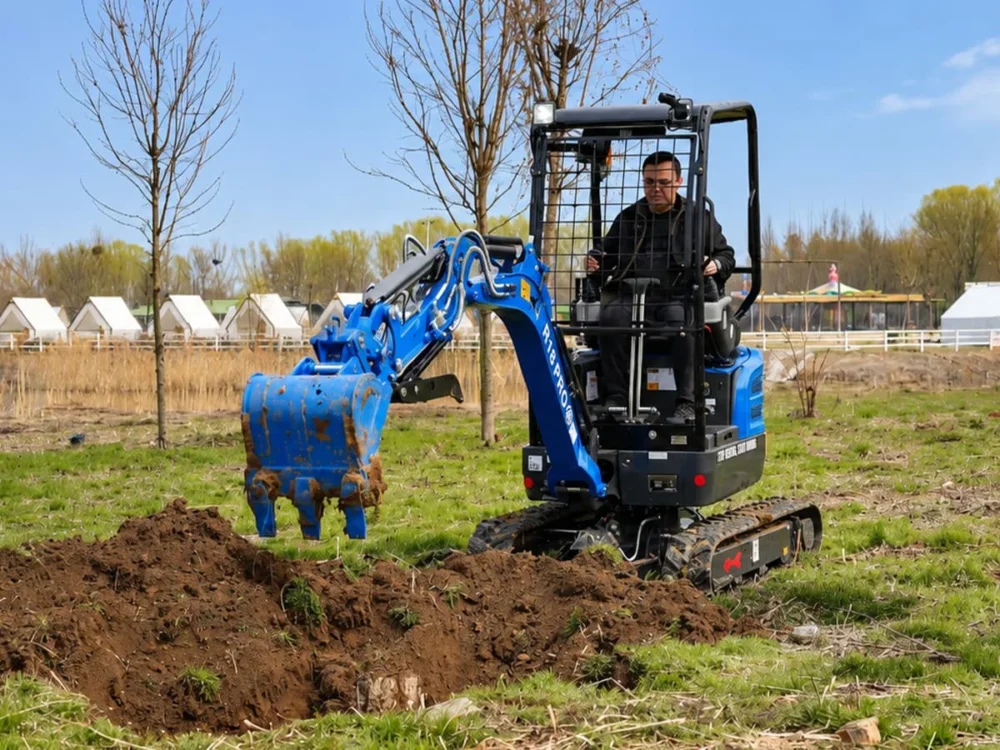
Look for clear equipment requirements, realistic budgets, defined purchasing timelines, and willingness to provide relevant purchasing information.
Collect customer identity, company details, equipment requirements, budget, purchase quantity, location, and expected buying timeline.
Evaluate business credibility, existing customer networks, sales capabilities, market coverage, and after-sales resources.
Tel: +8615628788742
E-mail: contact02@rippa.com
WhatsApp: Koparka Rippa
Adres: Szósty park przemysłowy, miasto Jining, prowincja Shandong, Chiny

 PL
 EN
 ES
 IT
 FR
 RU
 DE
 PT
 TR
 BG
 HR
 RO
 CS
 NN
 SL
 SV
 HU
 SK
 DA
 FI
 PT_BR

