Growing a successful mini excavator business requires more than purchasing equipment and finding a few customers. Business owners need to build reliable customer relationships, expand service opportunities, control operating costs, and make smart equipment investments.
With increasing demand for small-scale construction, landscaping, and property improvement services, owning suitable equipment can create opportunities for long-term business growth. Exploring mini excavators for sale is an important step, but choosing the right equipment and developing an effective business strategy are equally important.
A stable customer base is essential for growing a mini excavator business. Instead of relying entirely on individual projects, business owners should develop long-term relationships with customers who regularly need excavation services.
Focus on residential construction contractors, landscaping companies, property developers, farmers, and utility installation businesses. These customers often require excavation support for different projects throughout the year.
Contact construction companies, plumbers, electricians, and landscaping professionals. Establishing reliable working relationships can help you receive project referrals and repeat orders.
Develop a website that introduces your services, equipment capabilities, completed projects, and service areas. Use real project photographs to demonstrate your experience and help potential customers understand your work.
Provide accurate quotations, arrive on schedule, communicate clearly, and complete projects professionally. Follow up after each project and encourage satisfied customers to recommend your services.
Customer referrals and repeat orders can reduce the time and expense required to find new customers, creating a more stable foundation for business growth.
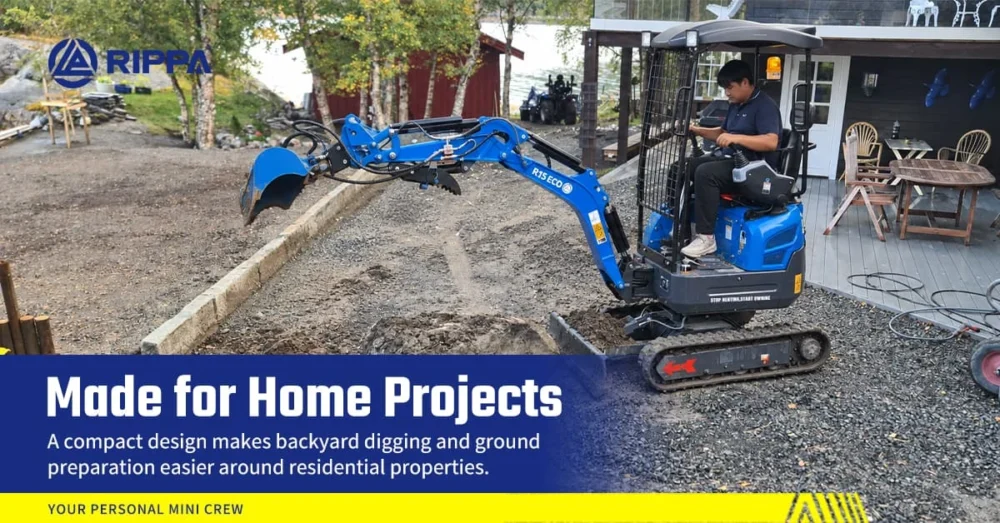
Expanding your service range allows your business to reach different customer groups and generate additional revenue. A mini excavator can support various projects when equipped with suitable attachments and operated according to job requirements.
Consider expanding into these service areas:
Before adding a new service, evaluate local demand, required equipment, labor costs, and potential project revenue.
You can also develop service packages for specific customer groups. For example, landscaping packages may combine garden excavation, soil preparation, and tree planting work. Offering related services makes it easier to increase project value and build stronger customer relationships.
Expanding gradually based on actual demand helps avoid unnecessary investment while creating more opportunities for business growth.
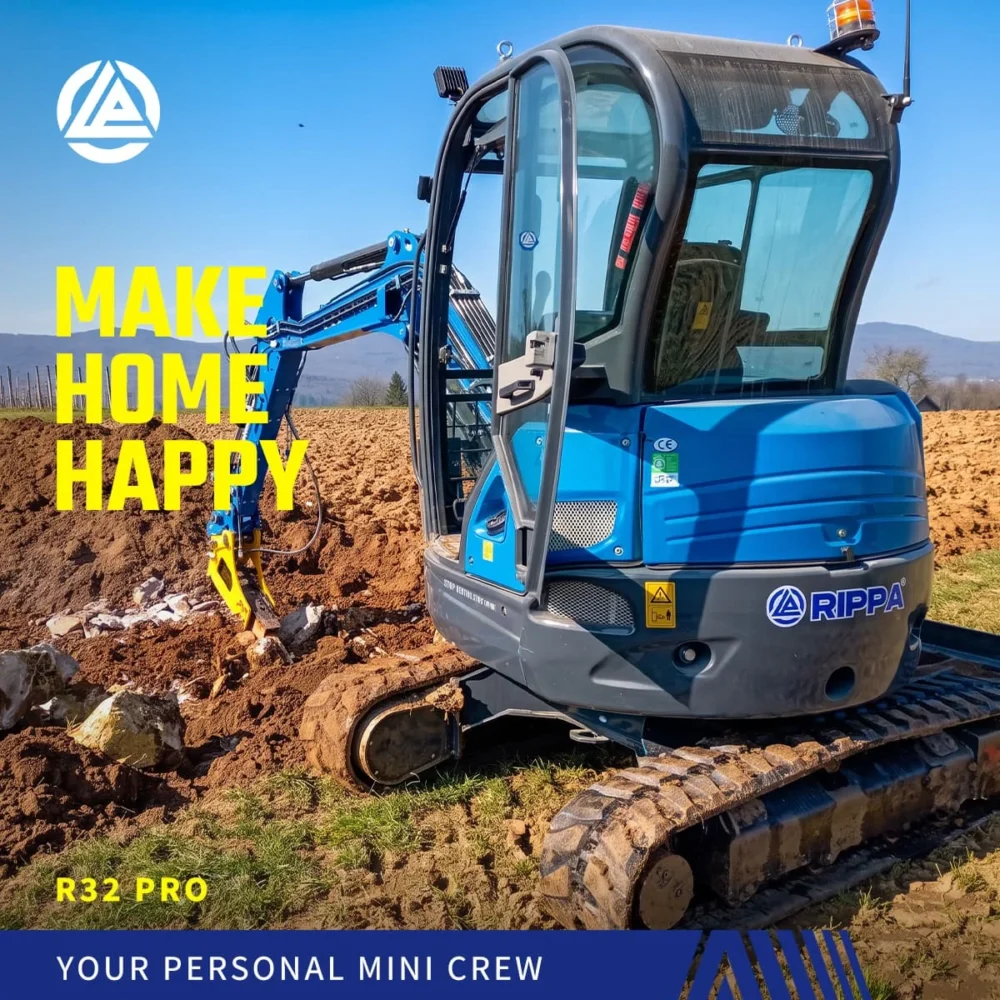
Choosing the right equipment is an important investment decision. A suitable mini excavator should match your main services, working environments, customer requirements, and expected workload.
Consider operating weight, machine width, digging depth, and working reach. Compact equipment may be more suitable for residential projects and restricted access areas, while larger machines may be necessary for more demanding excavation work.
Check engine performance, hydraulic responsiveness, operating stability, and attachment compatibility. These factors influence productivity and the types of services your business can offer.
When evaluating a mini excavator for sale, consider the purchase price, transportation, warranty coverage, and expected maintenance expenses. Do not choose equipment based only on its initial price.
If you plan to expand your services, choose equipment that can support different applications and compatible attachments. This can help you increase service capacity without immediately purchasing additional machines.
A well-planned equipment investment allows your business to serve more customers while keeping purchasing costs aligned with expected revenue.
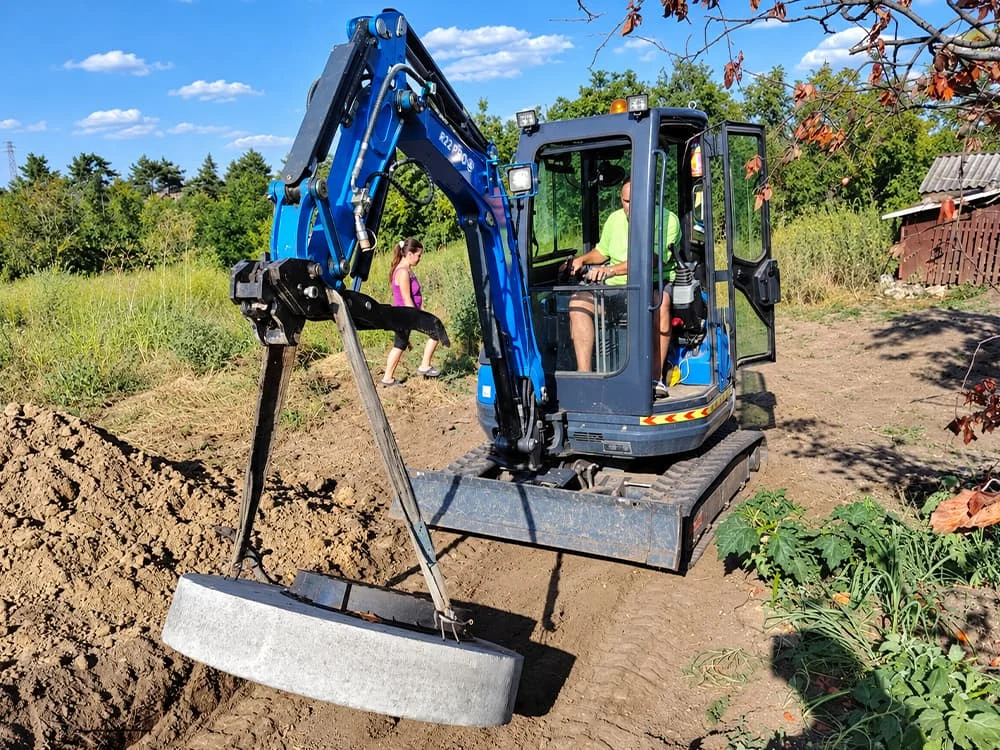
Equipment downtime can directly affect project schedules, customer satisfaction, and business profitability. Effective parts management and regular maintenance help keep machines productive and reduce unexpected expenses.
Monitor commonly required mini excavator parts, including filters, hydraulic hoses, and other replacement components. Working with reliable suppliers can help reduce delays when repairs are necessary.
Establish a mini excavator maintenance schedule covering engine oil, hydraulic oil, filters, tracks, and important connections. Routine inspections can identify potential problems before they become more expensive repairs.
Record servicing dates, replaced components, operating hours, and repair expenses. These records help identify recurring problems and plan future maintenance budgets.
Proper operating procedures can reduce unnecessary component wear and prevent avoidable equipment damage. Encourage operators to follow manufacturer instructions and complete daily inspections.
Controlling maintenance expenses is not simply about spending less. It is about reducing unnecessary downtime, extending equipment service life, and completing more customer projects with the same machine.
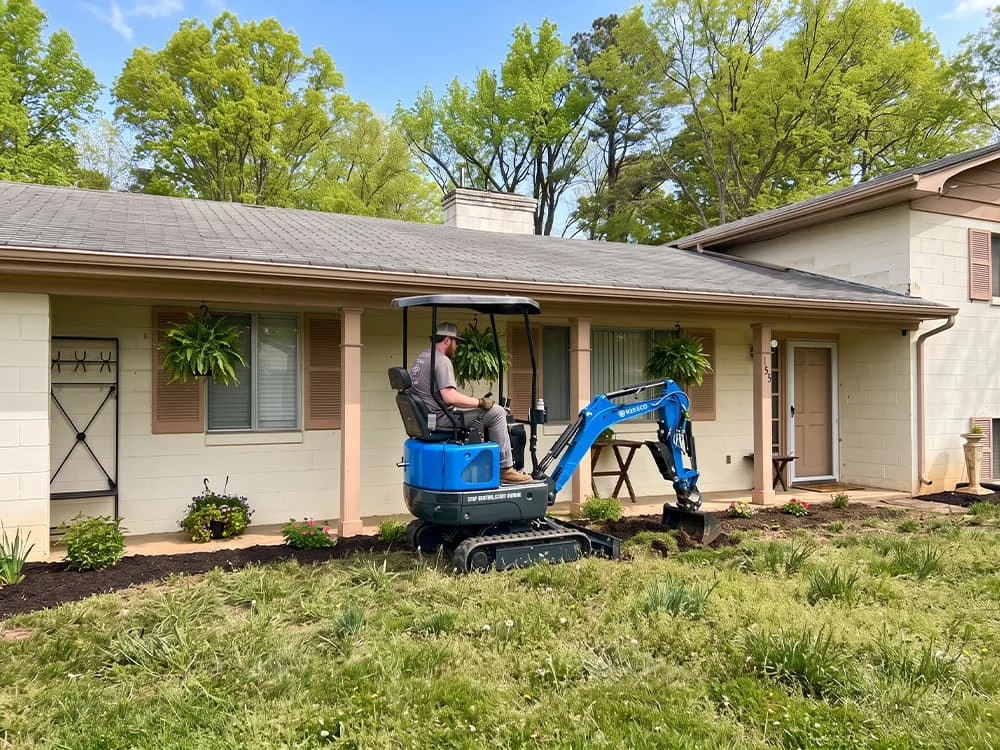
Choosing a reliable equipment manufacturer can influence product quality, purchasing efficiency, and long-term operating costs. For businesses comparing the best Chinese mini excavator options, supplier evaluation should go beyond the initial purchase price.
Consider these important factors:
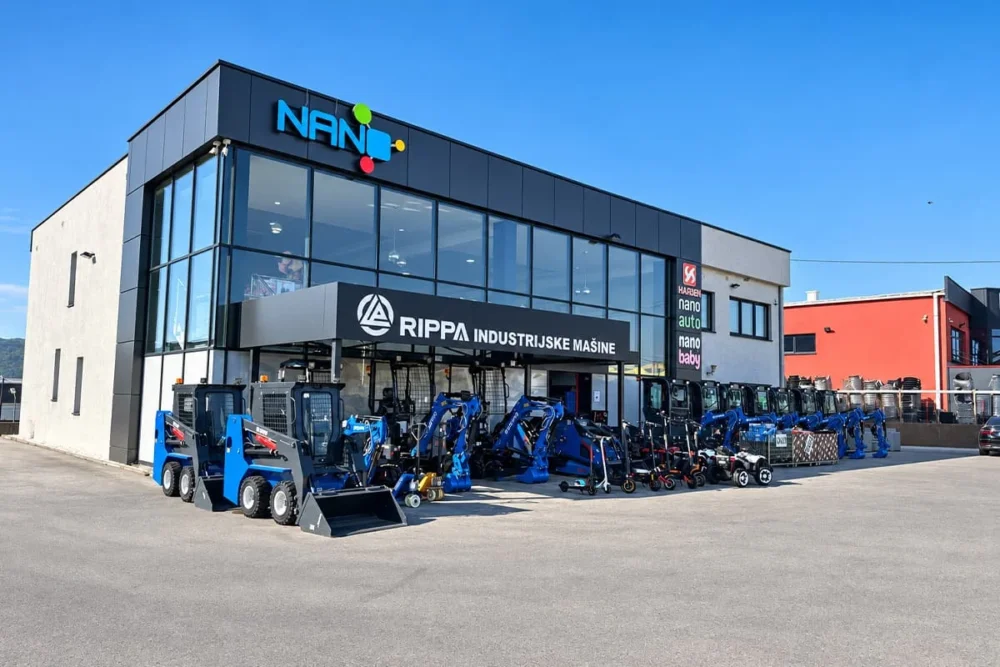
RIPPA is a construction machinery manufacturer offering mini excavators and dealer cooperation opportunities. When evaluating RIPPA as a potential supplier, business owners should consider equipment quality, product selection, parts support, and after-sales communication.
A reliable supplier relationship can help dealers plan purchases more effectively, maintain equipment availability, and support customers throughout the ownership process.
As your business grows, regularly review supplier performance, equipment utilization, purchasing costs, and customer feedback. These factors help guide future investment decisions and support sustainable business development.
Build relationships with local contractors, landscaping companies, farmers, and property developers. Use online marketing and customer referrals to generate inquiries.
Choose equipment based on your main services, working conditions, required capacity, and available budget.
Regular maintenance reduces unexpected repairs, prevents unnecessary downtime, and helps extend equipment service life.
Expand service offerings, use compatible attachments, improve scheduling, and develop repeat business with existing customers.
Tel: +8615628788742
E-mail: contact02@rippa.com
WhatsApp: Koparka Rippa
Adres: Szósty park przemysłowy, miasto Jining, prowincja Shandong, Chiny

 PL
 EN
 ES
 IT
 FR
 RU
 DE
 PT
 TR
 BG
 HR
 RO
 CS
 NN
 SL
 SV
 HU
 SK
 DA
 FI
 PT_BR

