Shipping mini excavators internationally requires careful planning. Equipment buyers and dealers must consider container size, machine dimensions, loading safety, shipping documents, and customs procedures.
For businesses exploring mini excavators for sale, understanding container shipping helps reduce equipment damage, transportation delays, and unexpected costs.
This guide explains how to select a suitable container, prepare the excavator, secure the equipment, arrange shipping documents, and complete international delivery.
Choosing a shipping container depends on the excavator’s transport dimensions, weight, and loading requirements.
Check Equipment Dimensions
Measure the machine’s length, width, and height with the boom and bucket positioned for transportation. Compare these measurements with the container’s internal dimensions and door opening.
Compare Container Types
Common options include:
Verify Weight Limits
Check the container’s maximum payload and gross weight. Include attachments, packaging, and securing materials in the total cargo weight.
Consider Loading Access
Confirm that suitable ramps, lifting equipment, and loading facilities are available.
When evaluating mini excavators for sale, buyers should request accurate shipping dimensions before selecting a container.

Proper preparation reduces transportation risks and helps avoid loading delays.
Inspect the Equipment
Check the excavator’s tracks, hydraulic hoses, attachments, and visible components. Photograph the machine before shipping to document its condition.
Clean the Machine
Remove excessive dirt, soil, and plant materials. Some destination countries have strict cleanliness and biosecurity requirements for imported machinery.
Secure Moving Components
Position the boom, arm, and bucket according to the manufacturer’s transport instructions. Remove or secure attachments when necessary.
Check Fuel and Batteries
Confirm the carrier’s requirements for fuel, batteries, and other regulated materials. Applicable transportation rules depend on the machine’s configuration.
Confirm Shipping Measurements
Record the final equipment dimensions and shipping weight after preparation.
When purchasing a mini excavator for sale or small excavator for sale, buyers should confirm who is responsible for preparing the machine for shipment.
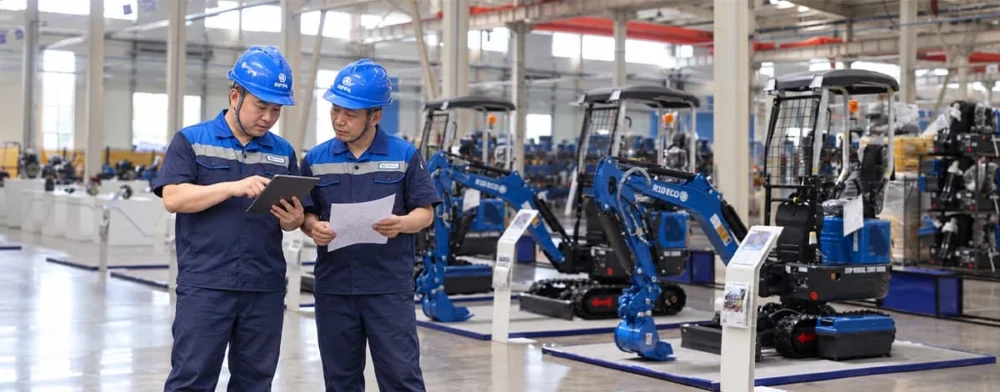
Safe loading helps protect equipment and prevent cargo movement during transportation.
Check the floor, doors, walls, and securing points for damage. Confirm that the container can safely support the planned cargo.
Qualified personnel should use appropriate ramps or lifting equipment based on the excavator’s weight and the loading conditions.
Place the machine according to the planned weight distribution. Consider its center of gravity, available space, and container floor capacity.
Use properly rated restraints, blocking, or other approved securing methods to prevent movement during sea and land transportation.
Hydraulic controls alone should never be relied upon to secure the machine.
Inspect the securing arrangement, equipment position, and door clearance before closing the container.
For dealers importing compact excavators for sale, proper loading and securing help reduce equipment damage. The CTU Code provides useful international guidance for cargo securing.
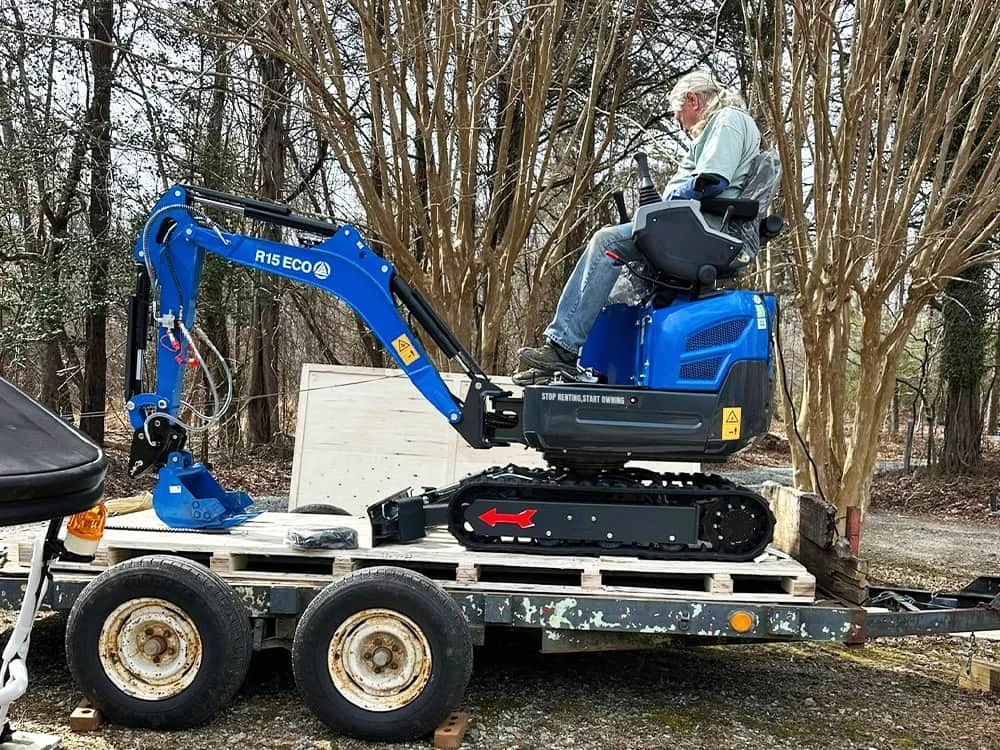
International container shipping requires accurate transportation and customs documentation.
The necessary mini excavator import documents depend on the destination country and shipment conditions.
Commercial Invoice
Provides information about the buyer, seller, equipment description, quantity, and declared transaction value.
Packing List
Identifies the shipped equipment, attachments, packaging details, quantities, and other cargo information.
Bill of Lading
Contains shipping information and supports the agreed cargo release process.
Certificate of Origin
May be required to identify the equipment’s origin or support applicable customs procedures.
Compliance Documents
Depending on the destination, additional documents may include product conformity records, emissions documentation, or other regulatory evidence.
Buyers should also review applicable mini excavator import requirements, including customs classification, import duties, product standards, and inspections.
Working with an experienced freight forwarder or customs broker helps identify the documentation required for each shipment.
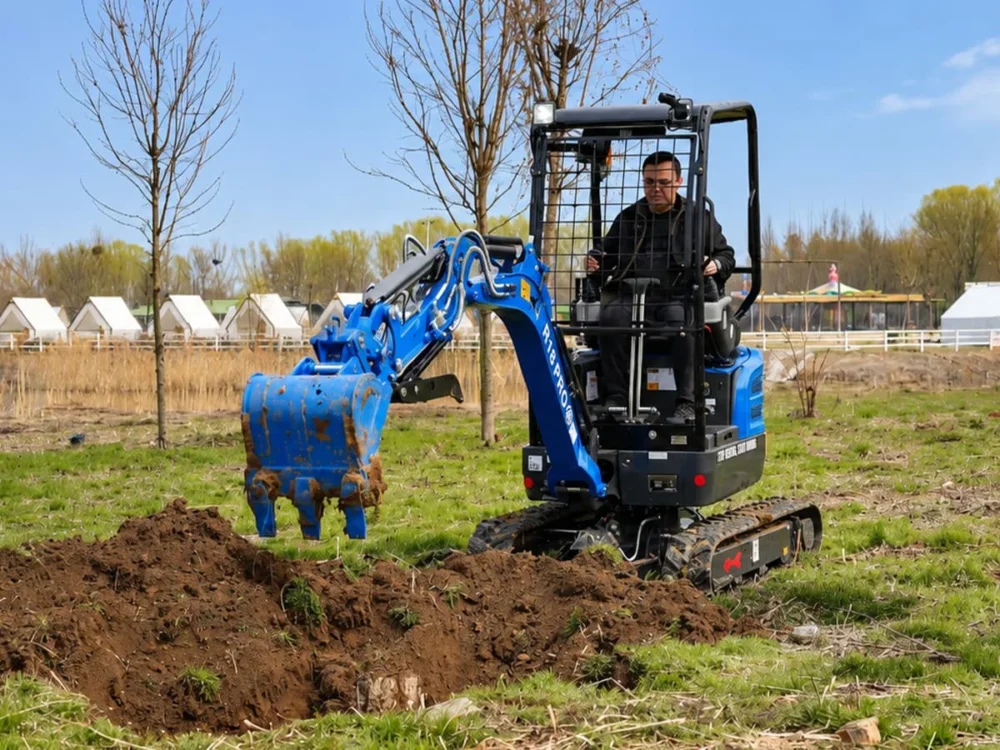
Once the equipment is prepared and documentation is ready, buyers and dealers can arrange transportation.
Confirm the departure port, destination port, shipping schedule, container type, and freight arrangements.
Agree on the applicable Incoterms rule to clarify transportation responsibilities, costs, and risk allocation.
Arrange professional loading, cargo securing, container sealing, and required shipping information.
Confirm the container’s verified gross mass before shipment as required.
Monitor vessel departure, estimated arrival, and schedule changes. Keep the receiving dealer informed about delivery progress.
For mini excavator customs clearance, the importer or appointed broker submits the necessary declarations and supporting documents.
Applicable duties, taxes, inspections, and cargo release procedures depend on local regulations.
After customs release, organize container collection, inland transportation, unloading, and equipment inspection.
Compare the machine’s condition with pre-shipment photographs and report any visible damage promptly.
Reliable shipping coordination helps dealers maintain clear communication with customers.
RIPPA is a construction machinery manufacturer serving international equipment buyers and distribution partners. Businesses interested in importing mini excavators for sale can explore RIPPA distributor opportunities to discuss equipment supply, shipping arrangements, and potential dealer cooperation.
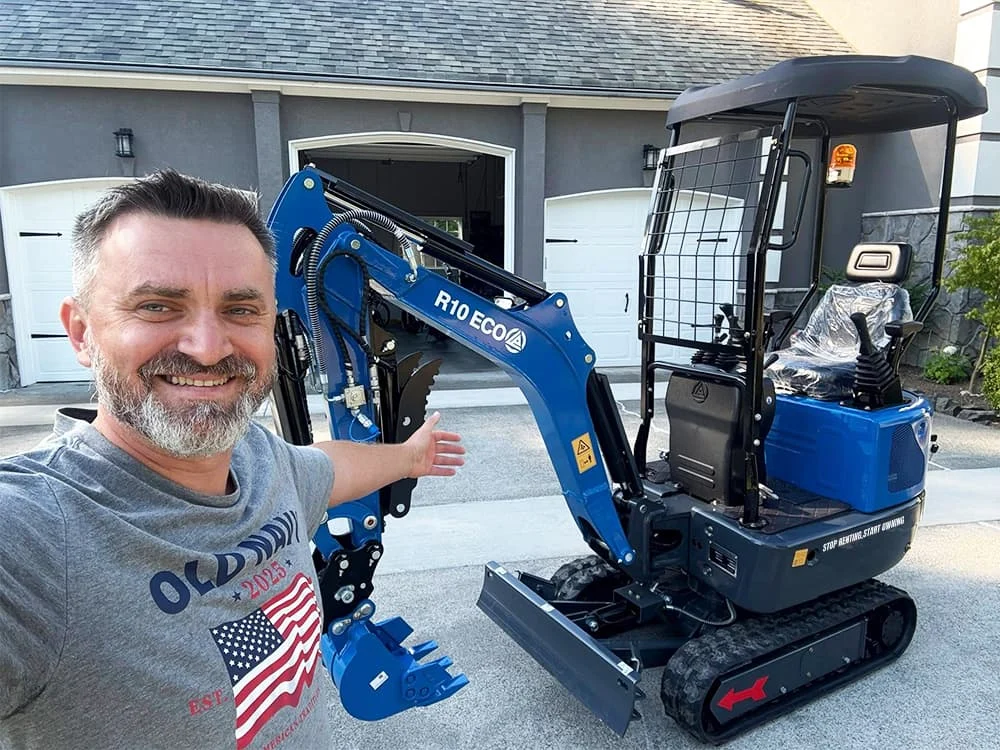
Many mini excavators can fit, depending on machine dimensions, weight, door clearance, and securing requirements.
Qualified personnel use suitable restraints and approved securing methods based on equipment weight and loading conditions.
Common documents include a commercial invoice, packing list, and bill of lading. Additional requirements vary by destination.
Tel: +8615628788742
Email: contact02@rippa.com
WhatsApp: Rippa Excavator
Address: The sixth industrial park,Jining city,Shandong Province,China

 NN
 EN
 ES
 IT
 FR
 RU
 DE
 PT
 TR
 BG
 HR
 RO
 CS
 SL
 SV
 HU
 SK
 DA
 FI
 PL
 PT_BR

