When comparing mini excavators for sale, buyers often need to decide between zero tail swing and conventional tail swing designs. Both configurations can handle excavation, landscaping, and construction tasks, but their rear-end geometry affects how they operate in different jobsites.
A zero tail swing excavator is designed to keep the rear of the machine within or close to the width of its tracks during rotation. A conventional excavator has a rear counterweight that extends beyond the track width when the upper structure turns.
For contractors and equipment dealers, understanding these differences helps match machines to customer applications, working conditions, and space limitations.
The main difference is how much space the excavator’s rear requires when the upper structure rotates.
A zero tail swing mini excavator is designed to reduce rear overhang, making it useful when working close to walls, fences, buildings, and other obstacles.
A conventional mini excavator typically has a counterweight that extends beyond the tracks during rotation. Depending on its design, this additional rear projection may require more clearance around the machine.
Both configurations use similar core systems, including an engine, hydraulic components, boom, arm, and bucket. Their digging performance depends on the specific machine’s design and specifications rather than tail swing type alone.
When evaluating mini excavators for sale, buyers should compare rear swing radius, machine width, operating weight, digging reach, and stability. These measurements provide a clearer picture of how each configuration will perform on a particular jobsite.
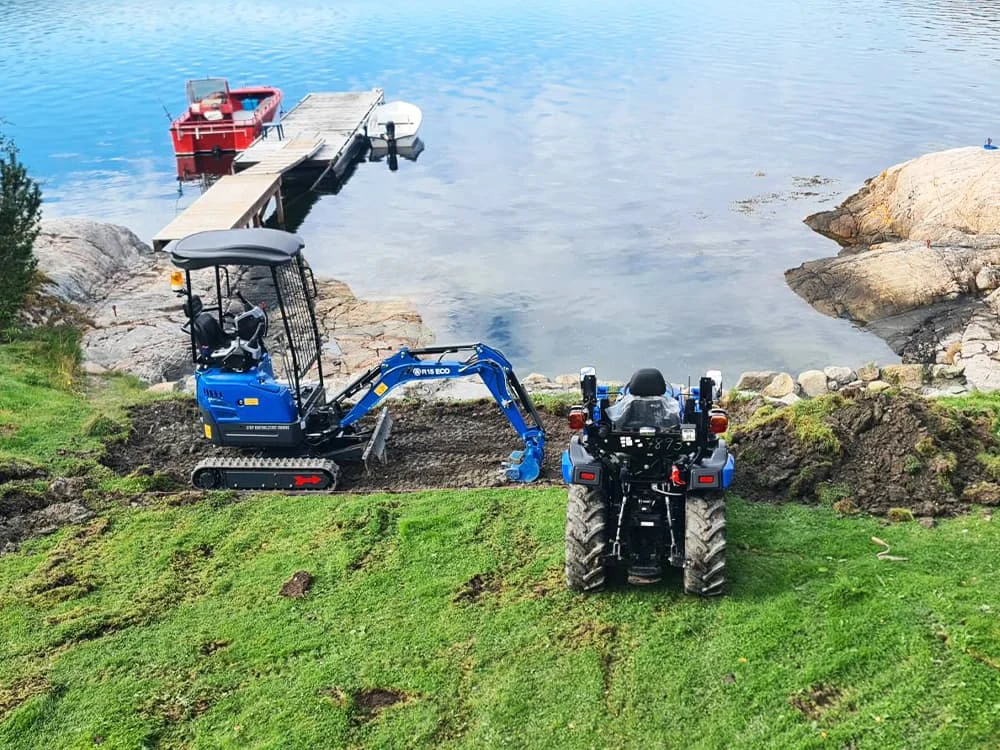
A zero tail swing excavator is particularly useful when working space is limited and the machine must rotate near obstacles.
Typical applications include:
Contractors searching for a small excavator for sale may prioritize compact dimensions and reduced rear overhang when their projects involve tight access.
Zero tail swing designs can help reduce the risk of the rear counterweight contacting nearby obstacles. However, operators must still consider the boom, bucket, tracks, attachments, and surrounding workers during operation.
The machine’s overall width and front working range remain important, even when its rear stays within the track width.
For contractors regularly working in restricted spaces, this configuration may improve maneuverability and simplify positioning.
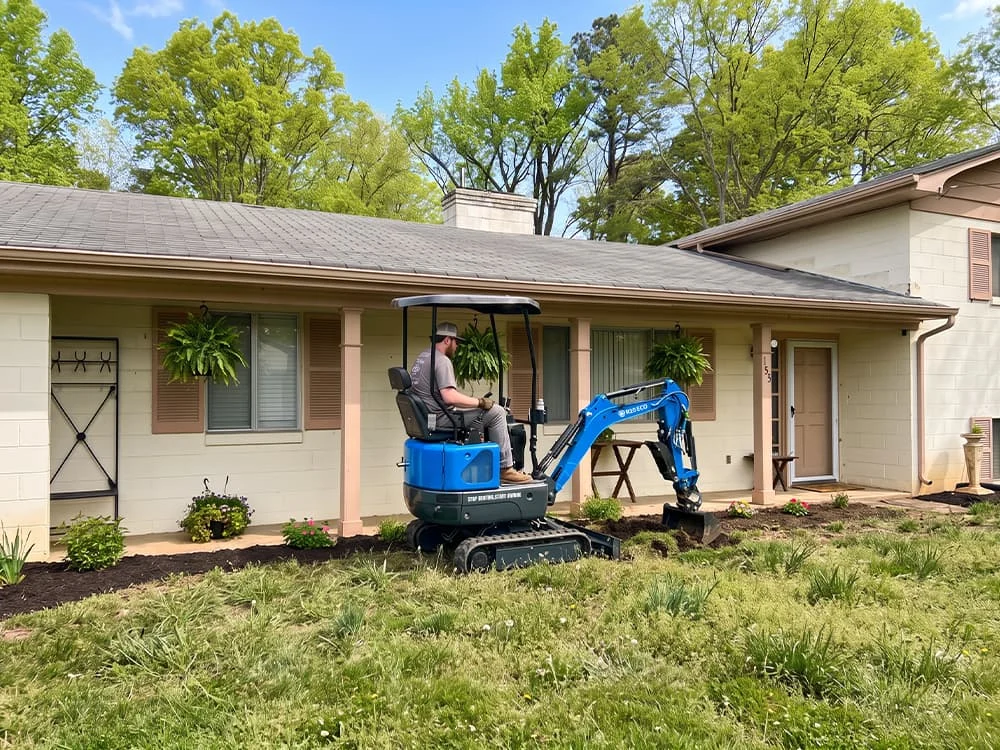
Conventional tail swing excavators can be suitable when the jobsite provides sufficient room for the upper structure to rotate.
Their counterweight extends beyond the tracks, depending on the machine’s design, and contributes to the overall balance of the upper structure.
Potential applications include:
Customers comparing compact excavators for sale should assess the complete machine configuration rather than assuming that conventional designs are always more powerful or stable.
Some conventional machines may offer favorable digging or lifting characteristics, but actual performance depends on operating weight, counterweight design, hydraulic capability, and the manufacturer’s specifications.
For dealers, understanding local jobsite conditions helps determine whether customers are more likely to benefit from reduced rear overhang or a conventional configuration.
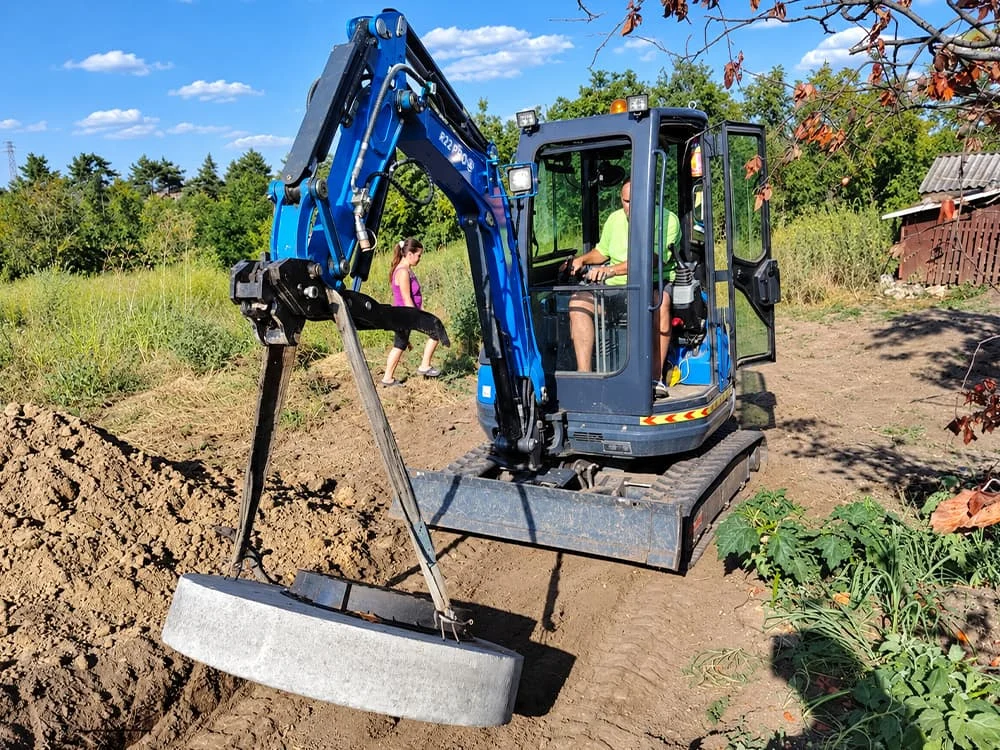
Both configurations can perform similar excavation tasks, but their practical advantages differ.
| Feature | Zero Tail Swing | Conventional Tail Swing |
| Rear clearance | Designed to minimize rear overhang | Rear counterweight extends beyond tracks |
| Restricted jobsites | Often more suitable | Requires sufficient rotation space |
| Maneuverability | Useful near obstacles | Depends on available clearance |
| Stability | Depends on machine design and operating conditions | Depends on machine design and operating conditions |
| Digging performance | Varies by model and configuration | Varies by model and configuration |
Zero tail swing does not automatically mean greater stability, and conventional tail swing does not guarantee better digging performance. Buyers should evaluate the actual specifications of each machine.
Maintenance requirements also depend on the machine’s design and components. Regular inspections, lubrication, hydraulic system checks, and appropriate servicing help maintain reliable operation.
A suitable mini excavator maintenance routine should follow the manufacturer’s instructions. Operators should also check for damage and ensure that the machine is appropriate for the intended working conditions.
For equipment dealers, explaining these practical differences helps customers make informed decisions based on jobsite requirements instead of relying on configuration names alone.
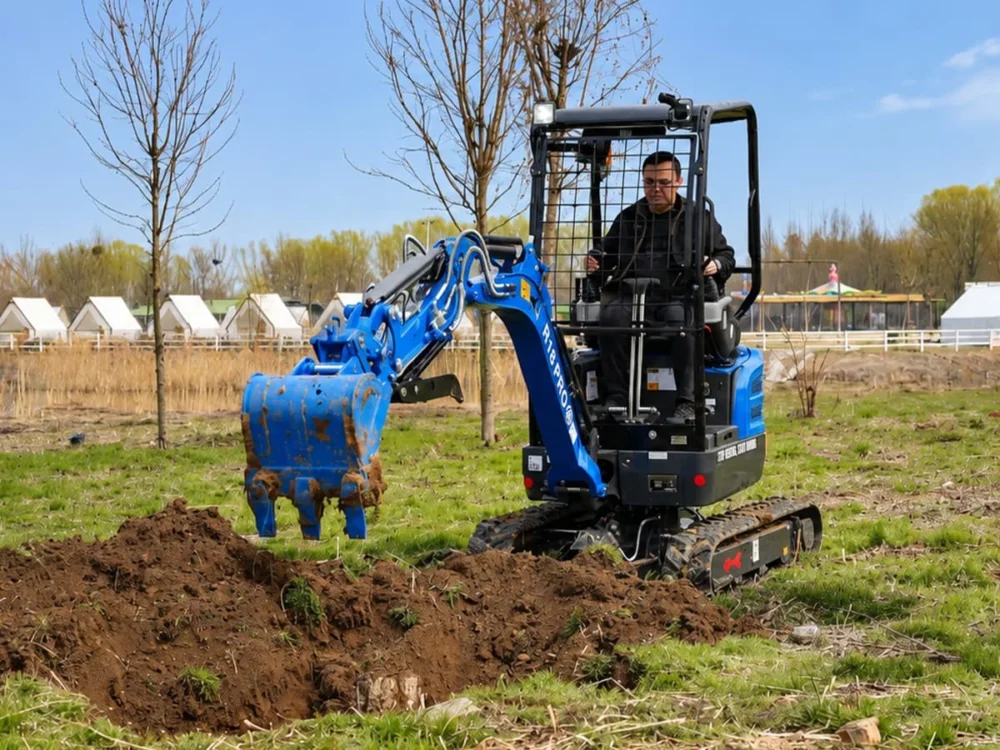
The right configuration depends on working space, excavation requirements, machine dimensions, and operating conditions.
Choose zero tail swing when:
Consider conventional tail swing when:
When evaluating a mini excavator for sale, buyers should compare machine width, rear swing radius, operating weight, digging depth, hydraulic performance, and attachment compatibility.
The mini excavator price should be assessed alongside the machine’s capabilities, intended applications, and long-term support requirements. A suitable configuration can help avoid paying for capabilities that a project does not need.
For dealers, understanding the difference between zero tail swing and conventional designs creates opportunities to recommend equipment based on customer needs. This approach also helps build trust with landscaping contractors, construction companies, and businesses working in confined spaces.
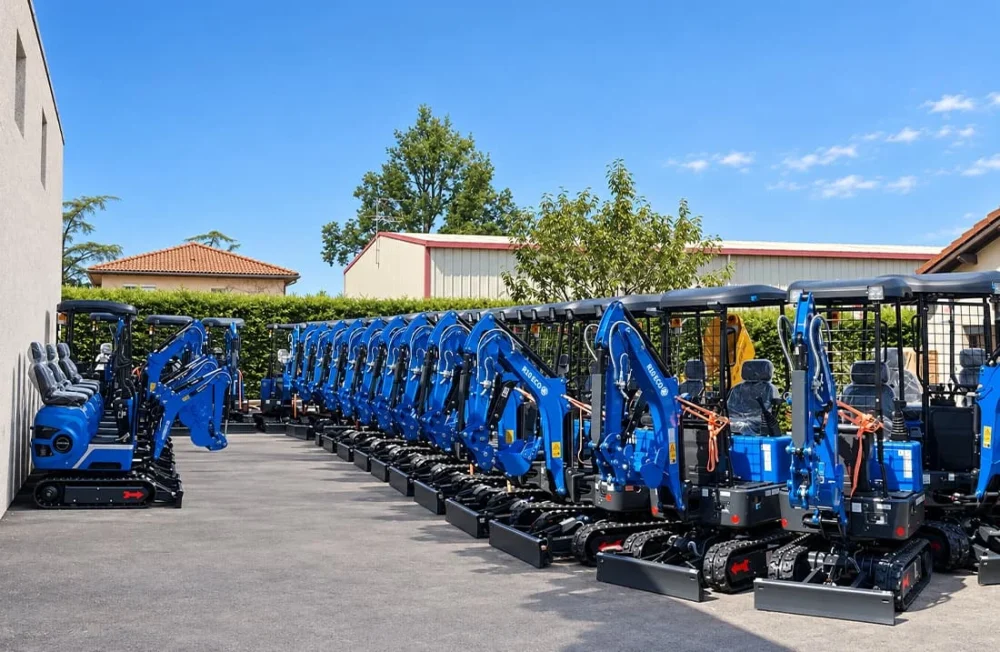
RIPPA is a construction machinery manufacturer offering mini excavators for different working environments and applications.
When choosing equipment, buyers should evaluate machine dimensions, rear swing clearance, operating weight, digging performance, and the technical specifications relevant to their jobsites.
Businesses exploring mini excavators for sale can review the available options through the RIPPA mini excavator product page.
For potential distributors, understanding the needs of local customers can help determine which machine configurations are suitable for the market. Contractors working in residential areas may prioritize reduced rear overhang, while customers with more open jobsites may focus on other machine specifications.
Often, yes. Its reduced rear overhang can make it easier to work near walls and other obstacles, although the entire machine’s dimensions must still be considered.
Not necessarily. Stability depends on operating weight, counterweight design, ground conditions, and the machine’s configuration.
It can. Configuration, machine size, equipment specifications, and included features may affect price. Compare complete specifications rather than configuration type alone.
Tel: +8615628788742
Email: contact02@rippa.com
WhatsApp: Rippa Excavator
Address: The sixth industrial park,Jining city,Shandong Province,China

 NN
NN  EN
EN  ES
ES  IT
IT  FR
FR  RU
RU  DE
DE  PT
PT  TR
TR  BG
BG  HR
HR  RO
RO  CS
CS  SL
SL  SV
SV  HU
HU  SK
SK  DA
DA  FI
FI  PL
PL  PT_BR
PT_BR 
