When purchasing mini excavators for sale, completing a proper equipment handover is essential for importers, wholesalers, and construction equipment dealers. A structured inspection helps buyers confirm that the delivered machine matches the purchase agreement and is ready for its intended use.
Equipment handover involves more than receiving a machine. Buyers should check its physical condition, verify documents, review maintenance information, and record any outstanding issues before final acceptance.
For businesses planning to become mini excavator distributors, a clear handover process also supports inventory management and future customer deliveries. This guide provides five practical steps for preparing, inspecting, documenting, and completing mini excavator acceptance.
Preparing before equipment arrival helps buyers organize inspections and reduce misunderstandings during handover.
Review the Purchase Agreement
Start by reviewing the purchase order, sales contract, equipment configuration, and delivery arrangements.
When purchasing a mini excavator for sale, identify the equipment description, agreed attachments, order quantity, and delivery destination.
Confirm which documents and accessories should accompany the machine.
Prepare an Inspection Checklist
Create a written checklist covering equipment identification, exterior condition, major components, operational checks, documents, and acceptance records.
For businesses purchasing multiple mini excavators for sale, prepare separate records for each machine.
Assign Inspection Responsibilities
Identify who will inspect the equipment, review documents, and approve acceptance.
Arrange for qualified personnel when technical or operational checks are required.
Prepare Inspection Tools
Depending on the inspection requirements, prepare a camera, flashlight, checklist, and relevant product documents.
Confirm that the inspection area is suitable and that necessary safety arrangements are in place.
Confirm the Delivery Schedule
Verify the expected arrival date, unloading arrangements, and inspection location.
Allow sufficient time to complete the handover before signing the final acceptance document.
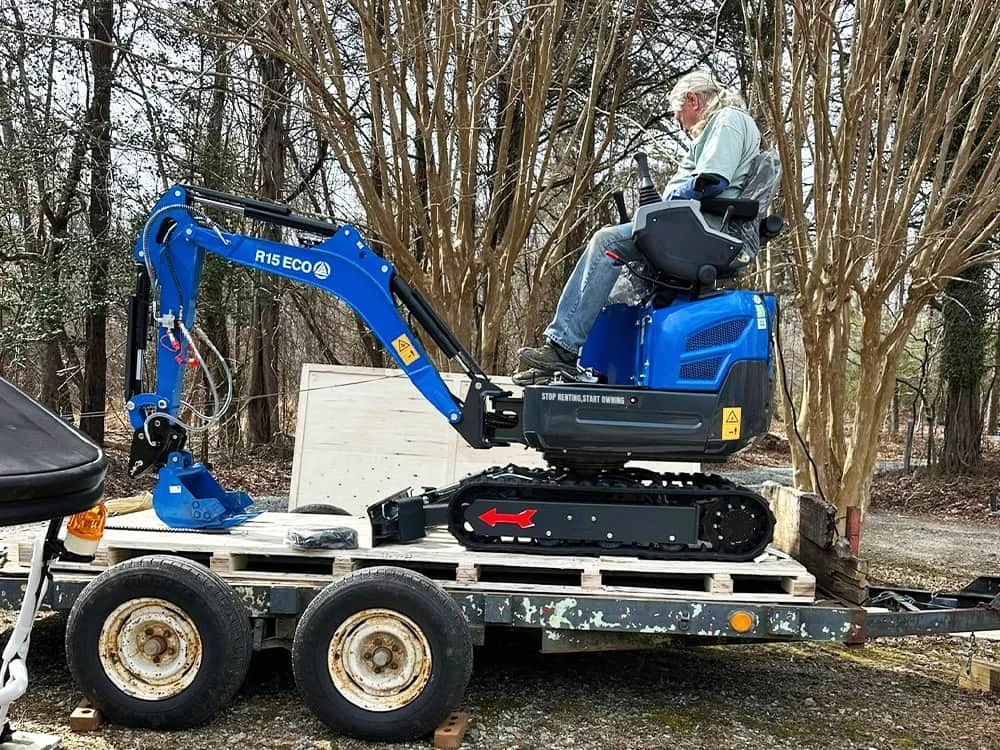
Physical inspection helps buyers identify visible damage, missing components, and possible operational problems before accepting equipment.
A practical mini excavator inspection checklist should cover the following areas.
Inspect the Equipment Exterior
When receiving a small excavator for sale, examine the machine for visible damage, cracks, loose components, or missing parts.
Take photographs of any problems and compare the machine with the agreed equipment description.
Check Equipment Identification
Locate the equipment identification plate and verify its serial number against the purchase and delivery records.
Record the identification information for future maintenance and service communication.
Inspect the Hydraulic System
Check visible hydraulic hoses, fittings, and connections for damage or leakage.
Any suspected hydraulic problem should be assessed by qualified personnel before operation.
Examine Tracks and Working Equipment
Inspect the visible condition of the tracks, undercarriage, bucket, boom, and attachment connections.
Confirm that the agreed attachments are present and appear properly secured.
Perform Authorized Operational Checks
Where permitted and safe, qualified personnel should follow the manufacturer’s instructions to check starting, controls, travel functions, and working movements.
Stop the inspection if abnormal noises, warning indicators, or unsafe conditions appear.
Record each result as passed, failed, or requiring further inspection.
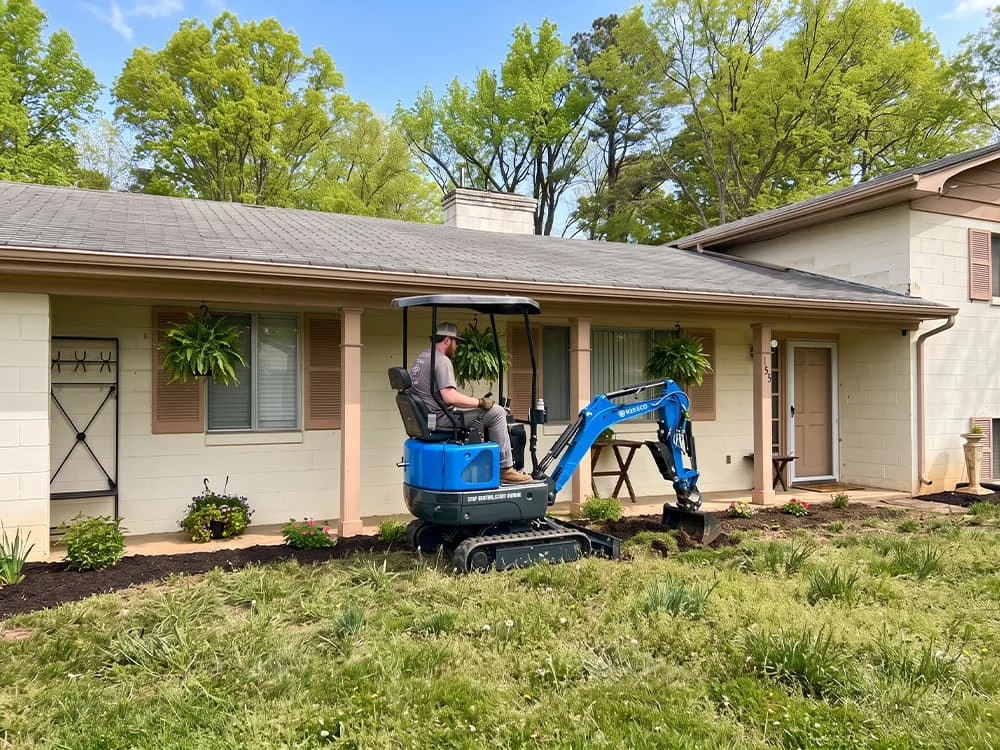
Accurate documentation helps buyers confirm that the delivered equipment matches the original purchasing agreement.
Match Equipment with the Order
For businesses purchasing compact excavators for sale, compare equipment descriptions, quantities, configurations, and serial numbers with the agreed order.
Check that the delivered attachments and accessories match the packing information.
Review Commercial Documents
Verify the sales contract, commercial invoice, packing list, and applicable shipping documents.
Ensure that company details, equipment descriptions, and quantities are consistent.
Confirm Pricing and Payments
Review the agreed mini excavator price, invoice total, payment records, and any additional charges.
Identify differences between the original quotation and final invoice before accepting the commercial documentation.
Check Applicable Certificates
Request relevant certification and compliance documents where required for the destination market.
Confirm that the documents apply to the delivered equipment rather than assuming all machines share the same certification.
Keep Organized Records
Store electronic and physical copies of purchasing documents, equipment identification details, photographs, and inspection results.
These records can help importers manage inventory and prepare for subsequent customer deliveries.
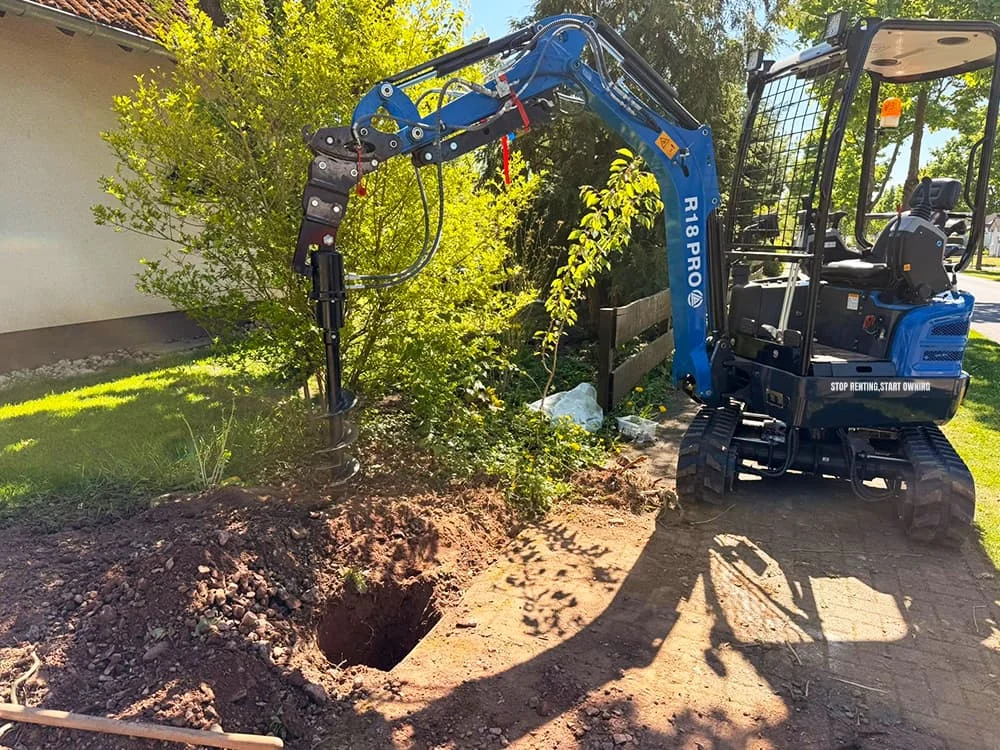
Maintenance documentation and operating guidance are important parts of equipment acceptance, particularly for distributors preparing to support local customers.
Check the Operator Manual
Confirm that the appropriate operating instructions are available for the delivered equipment.
The manual should provide relevant information about safe operation, controls, inspections, and equipment limitations.
Review Maintenance Instructions
Request applicable mini excavator maintenance guidance, including inspection procedures, lubrication requirements, and recommended servicing intervals.
Avoid applying a generic maintenance schedule without checking the manufacturer’s instructions.
Confirm Daily Inspection Requirements
Review the recommended checks for fluid levels, visible leaks, tracks, attachments, and other relevant components.
Ensure that the responsible operator or service personnel understands the inspection process.
Verify Operator Guidance
Confirm whether operational instruction or training materials are included in the agreed handover arrangements.
If additional training is needed, discuss available options with the supplier.
Check Service Information
Verify the applicable warranty documents, spare parts information, and service contact details.
For equipment dealers, clear maintenance and service documentation helps prepare for future customer support.
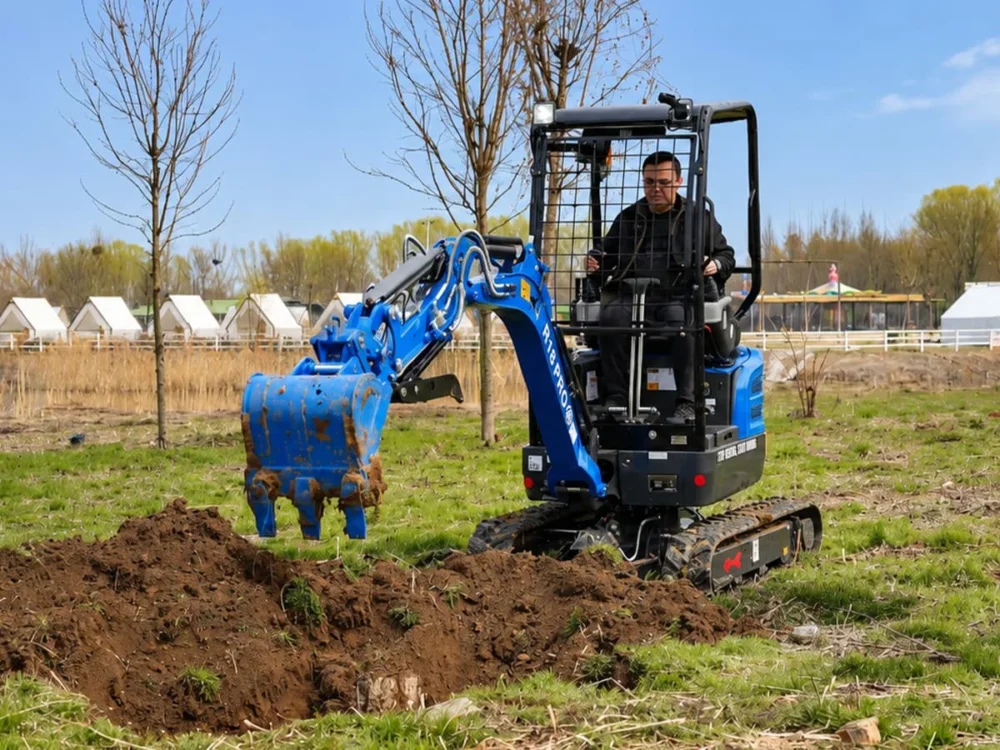
Final acceptance should only proceed after the buyer has reviewed the inspection results and addressed the relevant handover requirements.
Complete the Inspection Record
Use the mini excavator inspection checklist to document the condition of each inspected item.
Mark results clearly and include the inspection date, equipment identification, and responsible personnel.
Record Problems with Evidence
Photograph visible damage, missing accessories, incorrect documents, or other discrepancies.
Describe each issue clearly and reference the relevant purchase agreement where appropriate.
Agree on Corrective Actions
If problems are identified, contact the supplier and document the proposed solution, responsible party, and expected follow-up.
Do not sign an unconditional acceptance statement when unresolved issues could affect contractual rights.
Verify Final Handover Requirements
Confirm that necessary equipment documents, maintenance information, and agreed accessories have been received.
Complete acceptance according to the contract and applicable inspection arrangements.
Prepare for Future Customer Deliveries
Importers and dealers can retain their handover records to support inventory control, equipment identification, and subsequent customer deliveries.
A consistent acceptance process helps businesses purchasing mini excavators for sale maintain clearer equipment records.
Explore RIPPA Dealer Opportunities
RIPPA is a construction machinery manufacturer working with international equipment buyers and potential distribution partners.
Businesses interested in expanding their equipment dealership can explore RIPPA distributor opportunities to discuss equipment sourcing and potential distribution cooperation.
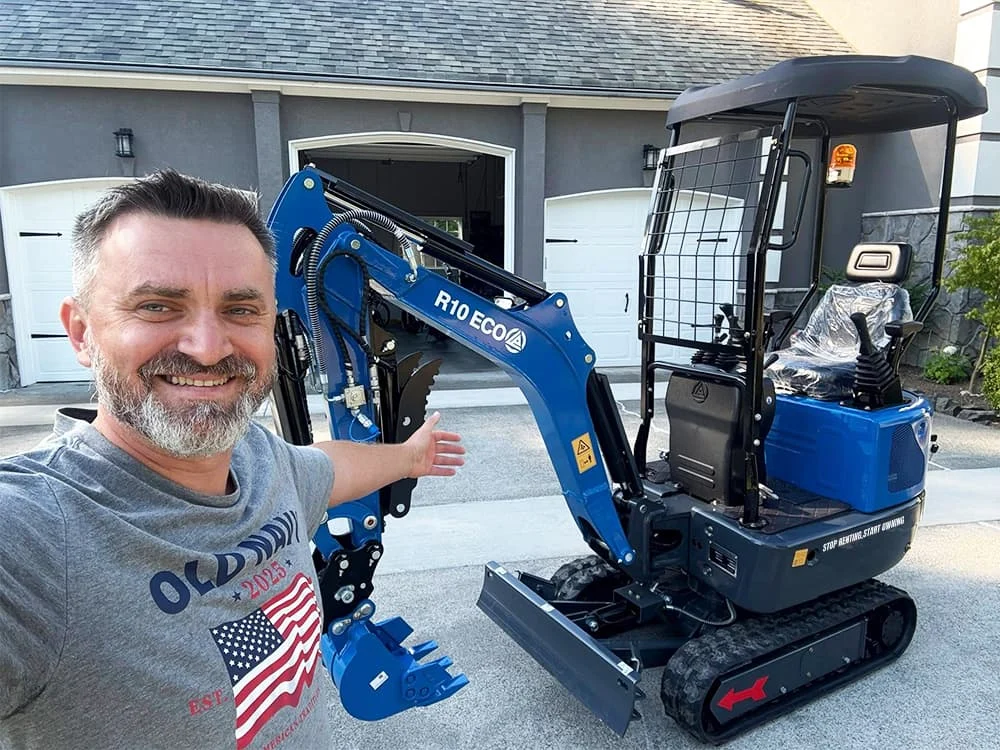
Check equipment identification, exterior condition, major components, included attachments, and authorized operational functions.
Review the invoice, packing list, applicable shipping and certification documents, operator manual, and agreed warranty information.
Document the problems, notify the supplier, agree on corrective actions, and complete acceptance according to the purchase contract.
Tel: +8615628788742
Email: contact02@rippa.com
WhatsApp: Rippa Excavator
Address: The sixth industrial park,Jining city,Shandong Province,China

 EN
 ES
 IT
 FR
 RU
 DE
 PT
 TR
 BG
 HR
 RO
 CS
 NN
 SL
 SV
 HU
 SK
 DA
 FI
 PL
 PT_BR

