Starting a mini excavator dealership can create opportunities in the construction, landscaping, agriculture, and earthmoving markets. However, building a profitable dealership requires more than purchasing machines and reselling them. Dealers must understand acquisition costs, selling prices, operating expenses, and after-sales revenue.
For entrepreneurs researching mini excavators for sale, understanding dealer profit margins is essential before entering the market. A successful business needs competitive purchasing conditions, effective pricing strategies, reliable suppliers, and consistent customer support.
This guide explains how dealers calculate profits, control expenses, and build sustainable revenue from mini excavator sales.
The profit a dealer earns from mini excavators for sale depends on the purchase price, selling price, sales volume, operating expenses, and local market conditions. There is no universal profit margin that applies to every dealership.
The first step is calculating the difference between the selling price and the total cost of acquiring a machine.
For example, consider a hypothetical dealership transaction:
The gross profit before other operating expenses would be $2,500.
This example is illustrative rather than an industry benchmark. Actual results depend on supplier quotations, import regulations, transportation, and local selling prices.
Dealers can generate revenue through individual machine sales, bulk orders, and repeat customers.
A dealership selling several machines may spread certain fixed operating expenses across more transactions. However, higher sales volume does not automatically guarantee higher net profit.
Residential contractors, landscaping businesses, agricultural operators, and construction companies may have different equipment requirements.
Offering suitable small excavator for sale and compact excavators for sale options can help dealers serve different customer groups and expand their potential market.

Accurate financial calculations help dealers understand whether a machine sale is genuinely profitable.
Gross profit is the difference between sales revenue and the cost of goods sold.
Gross Profit = Selling Price − Cost of Goods Sold
The gross profit margin is calculated as:
Gross Profit Margin = Gross Profit ÷ Selling Price × 100%
Using the previous example:
Gross profit does not include every business expense. Dealers must also account for advertising, salaries, warehouse costs, sales commissions, financing expenses, and other operating costs.
Net Profit = Total Revenue − Total Business Expenses
Net Profit Margin = Net Profit ÷ Total Revenue × 100%
For example, if additional operating expenses for the transaction and allocated business costs total $1,000, the remaining profit would be $1,500, assuming no other expenses or taxes.
This distinction helps dealers avoid confusing the difference between a machine’s purchase and selling prices with actual business earnings.
When evaluating a mini excavator for sale, dealers should record the purchase cost, transportation expenses, selling price, and associated sales costs for each transaction.
A consistent financial tracking system makes it easier to identify profitable products and adjust pricing decisions.
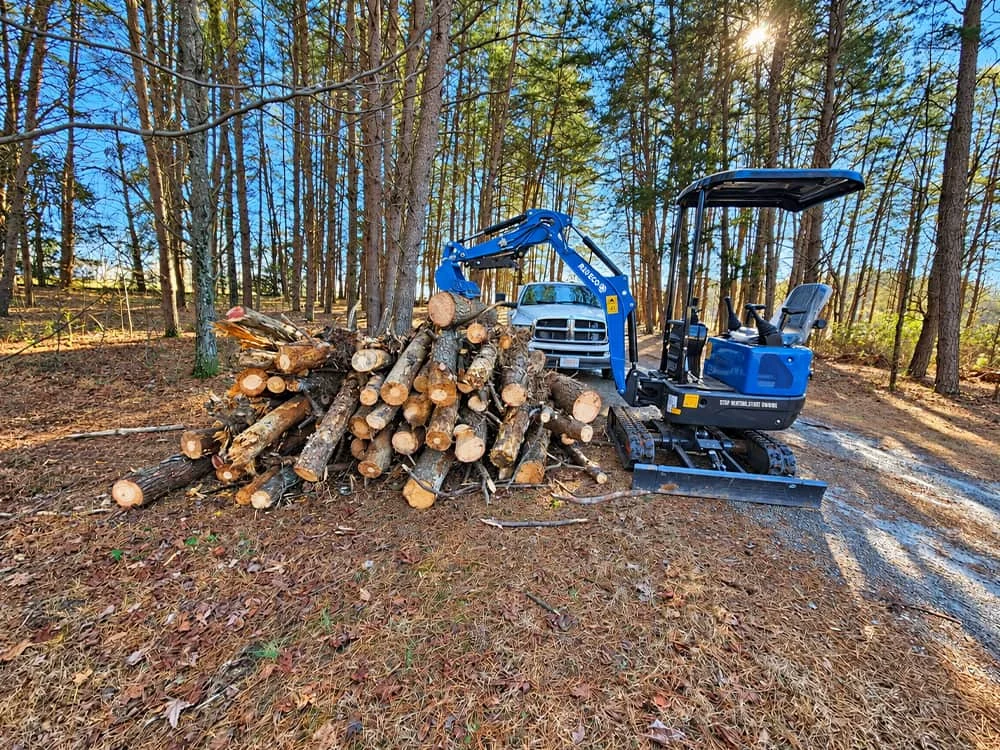
The purchase price is only one part of the total cost of operating a dealership. Several additional expenses can reduce the final profit margin.
The supplier’s quotation, machine configuration, order quantity, and payment terms all influence purchasing costs.
When comparing suppliers, dealers should evaluate the complete quotation rather than choosing a manufacturer based only on the lowest initial price.
For international dealers, additional costs may include:
These expenses should be included when calculating the landed cost of small excavator for sale and compact excavators for sale inventory.
Keeping machines in stock requires working capital and suitable storage facilities.
Long inventory periods can increase financing expenses and tie up funds that could otherwise support new orders or marketing activities.
Dealers should also consider advertising, sales commissions, employee salaries, and local distribution expenses.
International purchasing often involves different currencies. Exchange rate changes and payment conditions can affect the final acquisition cost.
Dealers should evaluate payment terms, currency exposure, and supplier reliability before confirming large orders.

Increasing dealership profitability does not depend entirely on selling more machines. Parts sales and after-sales services can create additional revenue and strengthen customer relationships.
Keeping commonly requested mini excavator parts available can help dealers respond to customer needs more efficiently.
Potential product categories include filters, hydraulic hoses, bucket teeth, tracks, pins, and other maintenance components, subject to machine compatibility.
Dealers should analyze customer demand before building inventory to avoid excessive stock and unnecessary capital investment.
Providing access to mini excavator maintenance services can help customers maintain equipment condition and reduce unexpected downtime.
Dealers can develop service packages, scheduled maintenance support, and replacement parts programs based on their technical capabilities.
After-sales communication, parts availability, and reliable service support can encourage repeat purchases and customer referrals.
For dealerships, long-term customer relationships can be valuable sources of additional machine sales and parts revenue.
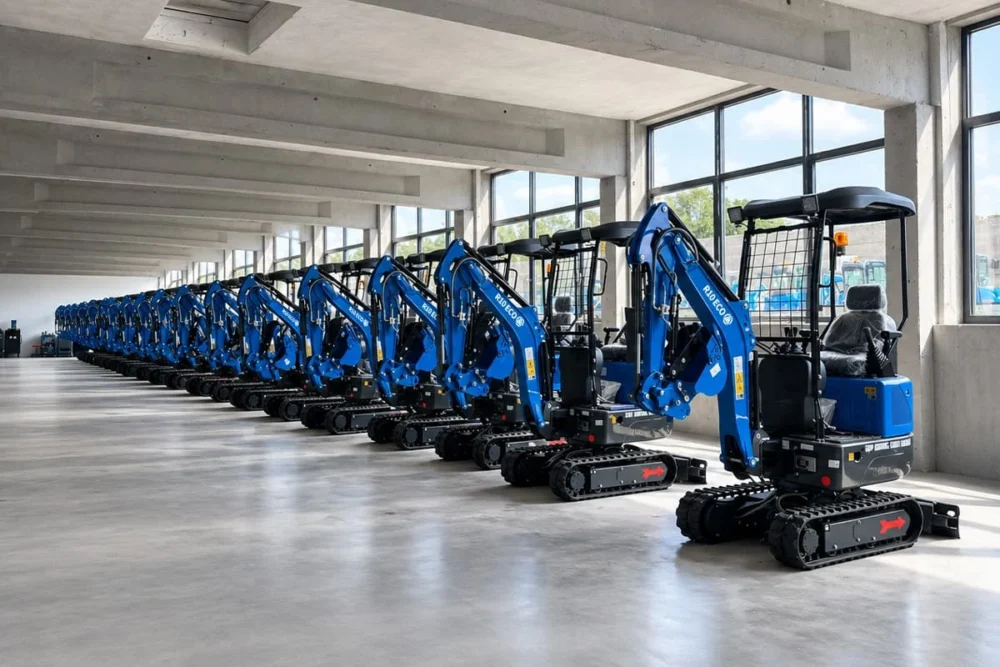
Choosing a reliable Chinese mini excavator supplier is an important decision because supplier performance directly affects purchasing costs, product consistency, and customer satisfaction.
When evaluating the best chinese mini excavator for the money, dealers should compare more than the initial quotation.
Consider machine configuration, product quality, manufacturing consistency, order conditions, and transportation arrangements.
A lower purchase price is not necessarily the best business decision if it creates higher maintenance expenses or customer service problems.
Reliable access to mini excavator parts is important for dealers serving customers over the long term.
Before selecting a supplier, ask about parts ordering procedures, technical documentation, warranty terms, and available after-sales assistance.
Clear communication about responsibilities can help reduce misunderstandings between manufacturers and overseas dealers.
A stable supplier relationship can support inventory planning, repeat purchasing, product training, and market development.
Dealers should evaluate production communication, order coordination, delivery arrangements, and the manufacturer’s willingness to establish a long-term business relationship.
For international entrepreneurs interested in entering the compact construction machinery market, choosing a manufacturer is an important step toward establishing a sustainable dealership.
RIPPA welcomes international partners interested in mini excavator distribution and long-term cooperation.
If you are evaluating suppliers and planning to develop a local machinery business, visit the RIPPA distributor cooperation page to discuss potential dealership opportunities and equipment supply cooperation.
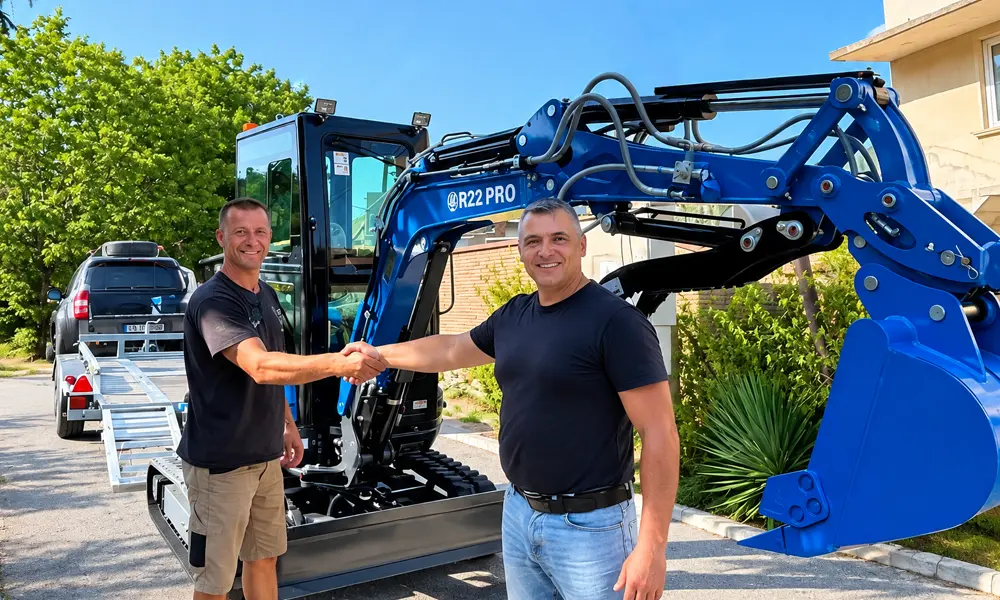
Profit depends on purchase costs, selling prices, transportation, import expenses, and operating costs. Dealers should calculate actual transaction margins rather than rely on a fixed industry average.
Gross profit is revenue minus the cost of goods sold. Net profit also deducts operating expenses and other applicable business costs.
The mini excavator price affects the dealer’s acquisition cost and potential selling margin. Comparing supplier quotations and total landed costs helps improve purchasing decisions.
Tel: +8615628788742
Email: contact02@rippa.com
WhatsApp: Rippa Excavator
Address: The sixth industrial park,Jining city,Shandong Province,China

 EN
 ES
 IT
 FR
 RU
 DE
 PT
 TR
 BG
 HR
 RO
 CS
 NN
 SL
 SV
 HU
 SK
 DA
 FI
 PL
 PT_BR

