The hydraulic system is one of the most important parts of a mini excavator. It controls essential movements, including boom lifting, arm extension, bucket operation, and track movement. Keeping this system in good condition is essential for reliable equipment performance and safe operation.
Regular mini excavator maintenance helps prevent hydraulic leaks, pressure problems, and unnecessary component wear. Whether you operate equipment for construction, landscaping, or agricultural projects, understanding hydraulic components and following a proper maintenance routine can reduce downtime and repair expenses.
Understanding the main hydraulic components is the first step toward effective maintenance. Each component plays a specific role in transferring hydraulic power and controlling machine movements.
Hydraulic Pump: The hydraulic pump converts mechanical power into hydraulic flow, supplying pressurized fluid to the operating system. Unusual noise, leakage, or reduced performance may indicate a problem.
Hydraulic Cylinders: Cylinders convert hydraulic pressure into mechanical movement. They control the boom, arm, and bucket. Check cylinder rods and seals for visible damage or oil leakage.
Control Valves: Control valves regulate hydraulic fluid direction and flow, allowing operators to control different machine movements. Abnormal operation may indicate contamination or component problems.
Hydraulic Hoses and Connections: Hoses transport hydraulic fluid between components. Inspect them for cracks, abrasion, loose fittings, and visible leaks.
Hydraulic Filters: Filters remove contaminants from hydraulic fluid, helping protect pumps, valves, and cylinders from premature wear.
Understanding these components makes it easier to identify potential problems during routine inspections and professional servicing.

Hydraulic systems operate under high pressure, so safety must come before any inspection or maintenance work.
Before starting mini excavator servicing, follow these precautions:
Never use your hands to search for hydraulic leaks. High-pressure fluid can penetrate skin and cause serious injuries. If a leak is suspected, use an appropriate inspection method and seek qualified technical assistance.
Never loosen hydraulic hoses or fittings until the system has been safely depressurized according to the manufacturer’s instructions.
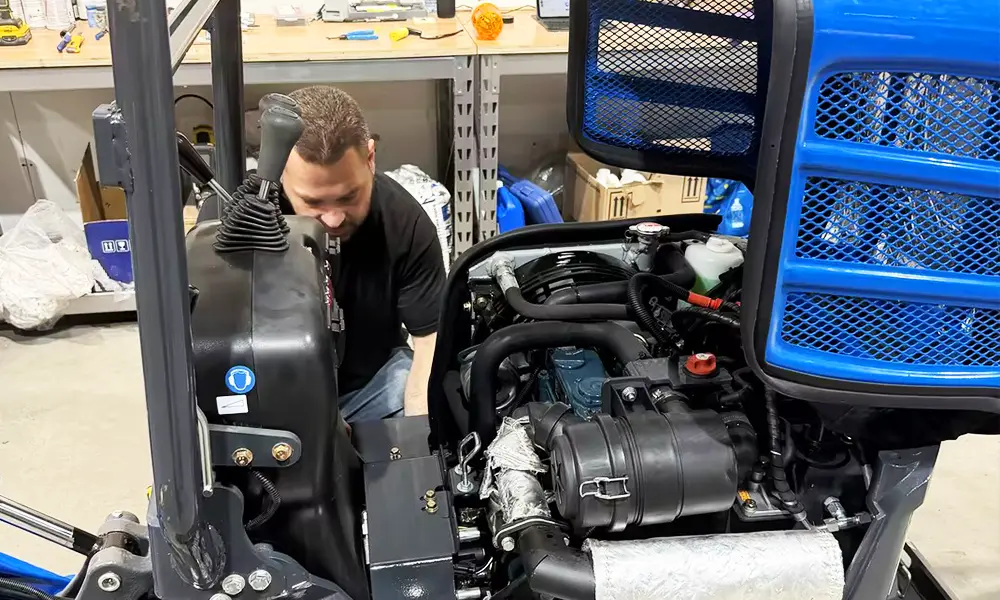
A mini excavator inspection checklist helps operators identify hydraulic problems before they affect machine performance.
Check the following areas regularly:
| Inspection Area | What to Check |
| Hydraulic oil | Fluid level, appearance, and possible contamination |
| Hydraulic hoses | Cracks, abrasion, swelling, and leakage |
| Cylinders | Oil leakage, damaged rods, and seal condition |
| Connections | Loose fittings and damaged connections |
| Hydraulic pump | Unusual noise and visible leakage |
| Control valves | Irregular movements and operating response |
| Hydraulic filters | Service condition and replacement intervals |
During operation, pay attention to slow boom movement, weak digging performance, unusual noise, or inconsistent attachment responses. These symptoms may indicate hydraulic problems, although other mechanical or control-system issues can produce similar signs.
Record inspection findings and operating hours to identify recurring problems. If the machine shows abnormal hydraulic behavior, stop operation when necessary and arrange a professional diagnosis.
Consistent mini excavator routine maintenance helps protect hydraulic components and maintain stable equipment performance.
Check the hydraulic oil level using the method and conditions specified in the equipment manual. Low oil levels can affect system performance and may indicate leakage.
Remove accumulated dirt around accessible hydraulic connections, reservoirs, and service areas. Keeping these areas clean helps reduce the risk of contamination during maintenance.
Look for damaged hoses, worn seals, and loose connections. Replace defective components according to manufacturer recommendations.
Pay attention to changes in hydraulic response, operating noise, and machine movement. Early detection can prevent minor problems from developing into expensive repairs.
Choose filters, hoses, seals, and other mini excavator parts that meet the equipment manufacturer’s specifications. Incorrect components can affect hydraulic performance and reliability.
For compact excavator maintenance, operators should also consider working conditions. Dusty environments, heavy workloads, and frequent operation may require more frequent inspections than normal conditions.
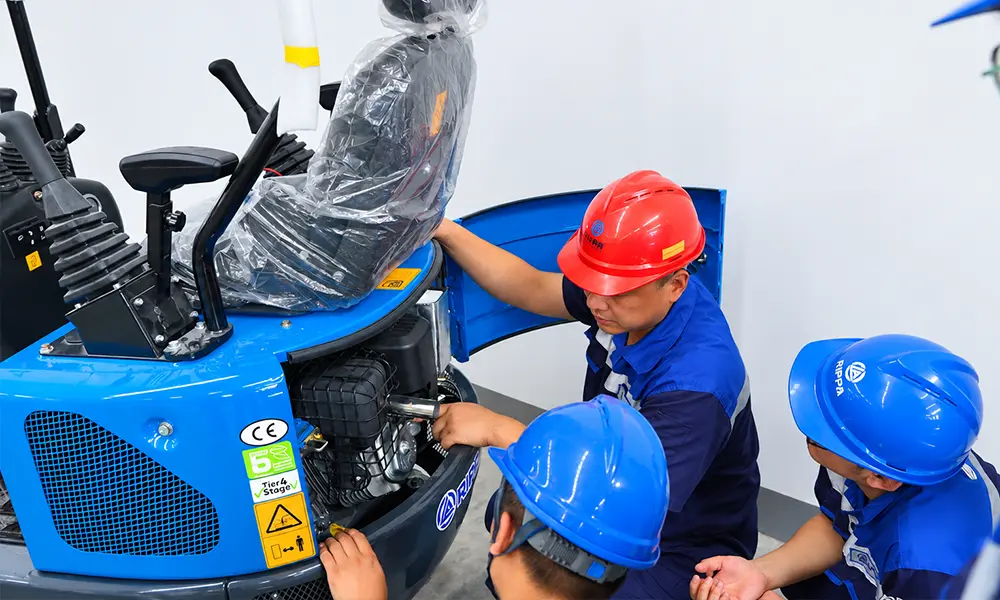
Hydraulic fluid and filters require regular attention because contamination and fluid deterioration can affect the entire hydraulic system.
Follow the manufacturer’s recommended replacement interval, considering operating hours and working conditions. Hydraulic oil may require earlier attention if contamination, abnormal appearance, or other problems are identified.
Park the machine safely, lower the working equipment, shut down the engine, and follow the specified pressure-release procedure. Prepare suitable replacement fluid, approved containers, and the required tools.
Identify the correct filter specifications before replacement. Follow the equipment manual for removal, installation, sealing, and tightening procedures. Keep the surrounding area clean to prevent contaminants from entering the hydraulic system.
After completing maintenance, follow the manufacturer’s procedure for checking fluid levels and restarting the machine. Inspect for leaks and confirm normal operation before returning to work.
Hydraulic fluid and filters should never be selected based only on appearance or price. Always confirm compatibility with the equipment manufacturer’s requirements.
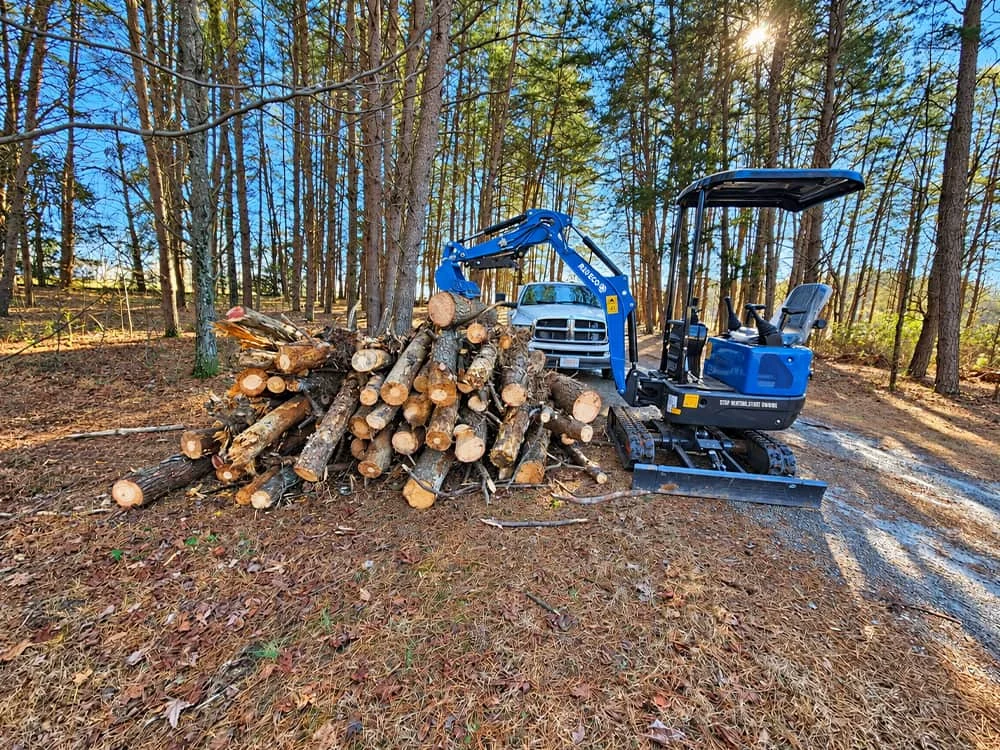
A structured mini excavator maintenance schedule helps operators organize inspections and avoid missing important servicing tasks.
| Maintenance Frequency | Hydraulic Maintenance Tasks |
| Daily | Check hydraulic oil level and inspect visible leaks |
| Weekly | Inspect hoses, fittings, cylinders, and connections |
| Monthly | Review hydraulic performance and component condition |
| As Required | Replace contaminated fluid or damaged components |
| Manufacturer-Specified Intervals | Replace hydraulic fluid and filters |
Actual intervals should follow the equipment manual and operating-hour requirements.
RIPPA is a construction machinery manufacturer offering mini excavators for different working applications. When exploring the RIPPA mini excavator product range, equipment owners can consider maintenance accessibility, hydraulic system requirements, spare parts availability, and manufacturer support.
Following manufacturer recommendations and keeping accurate servicing records can help protect hydraulic components and support long-term equipment reliability.
Check the hydraulic oil level during daily inspections and follow the manufacturer’s instructions.
Common signs include oil leaks, slow movements, unusual noise, and reduced operating performance.
Replace filters according to the manufacturer’s recommended operating-hour intervals or when inspection indicates a problem.
Yes. Proper fluid management, inspections, and timely component replacement help reduce wear and prevent unnecessary repairs.
Tel: +8615628788742
E-pošta: contact02@rippa.com
WhatsApp: Rippa Excavator
Adresa: Šesti industrijski park, grad Jining, pokrajina Shandong, Kina

 HR
 EN
 ES
 IT
 FR
 RU
 DE
 PT
 TR
 BG
 RO
 CS
 NN
 SL
 SV
 HU
 SK
 DA
 FI
 PL
 PT_BR

