Becoming a mini excavator dealer can be an opportunity for machinery retailers, construction equipment suppliers, agricultural equipment businesses, and entrepreneurs serving local contractors.
However, establishing a successful dealership involves more than finding a manufacturer and placing an initial order. Dealers need to understand local demand, choose appropriate products, plan inventory, develop customer relationships, and establish a reliable process for parts and after-sales support.
For businesses considering Chinese equipment, selecting the right manufacturing partner is an important first step.
A mini excavator dealer connects an equipment manufacturer with customers in a defined market. Depending on the business model, a dealer may sell machines, answer product questions, arrange delivery, supply parts, and coordinate technical assistance.
Some dealers maintain their own inventory. Others operate through a factory-direct or order-based model.
Before starting, decide whether your business will focus on retail customers, contractors, agricultural users, other equipment dealers, or wholesale distribution. Your target audience will influence product selection, inventory planning, and sales strategy.
Before contacting manufacturers, identify the customers you intend to serve.
Potential customer groups include:
Research the types of jobs these customers perform and the equipment they commonly purchase.
Talk to potential customers about their preferred machine categories, attachment requirements, delivery expectations, parts needs, and purchasing concerns.
This information helps you select products based on actual demand instead of relying on assumptions.
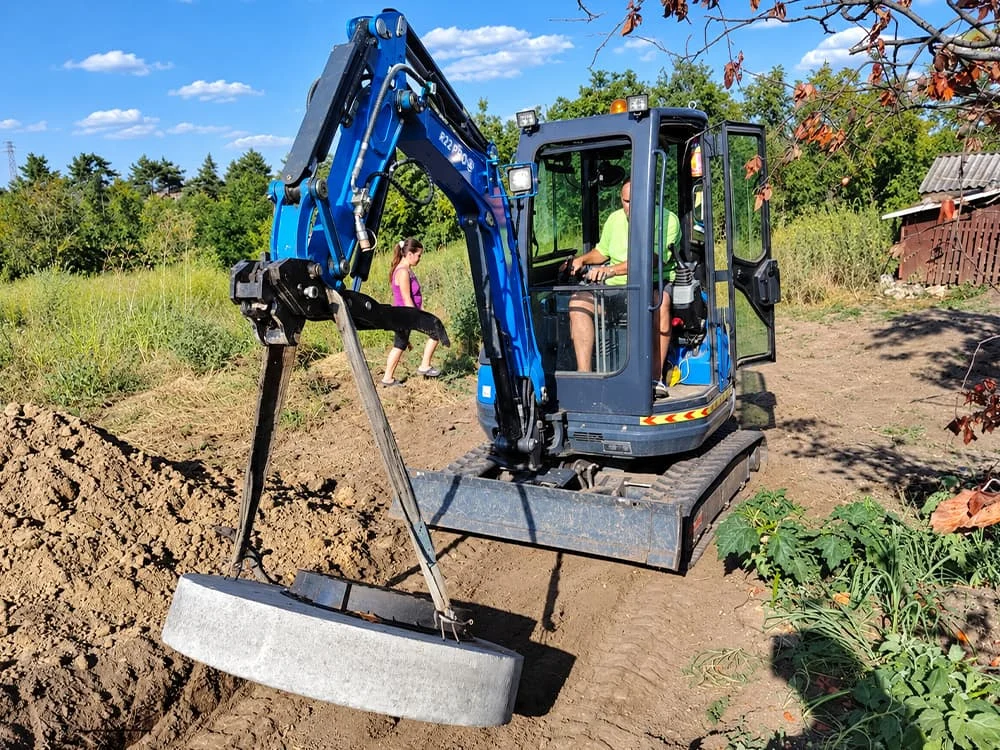
A Chinese mini excavator dealer may act as a distributor, exporter, or direct sales channel for a manufacturer. If your goal is to establish a long-term dealership, it is important to understand who produces the equipment.
Evaluate potential partners based on:
Review the company’s history, factory information, product range, and quality management processes.
Ask whether the supplier has experience serving your country or region and whether it can explain the relevant shipping and documentation requirements.
Determine how replacement parts are ordered and how technical questions are handled.
Ask whether the manufacturer offers dealer agreements, marketing materials, product training, territory discussions, or other forms of business support. Confirm the actual terms rather than assuming they are included.
A new dealership does not necessarily need to stock every available model.
Start with a focused product range that fits your customers’ applications and your available capital.
Consider the following factors:
Discuss product suitability with the manufacturer and compare the full purchasing cost, including freight, import duties where applicable, local handling, and inventory expenses.
A dealership needs a clear way to reach customers.
Useful channels may include a company website, local search visibility, product landing pages, industry directories, trade shows, customer referrals, and targeted advertising.
Your product pages should explain the intended applications, available configurations, purchasing process, and support arrangements. Avoid making unsupported claims about machine performance or service availability.
For B2B buyers, transparent product information and responsive communication can help establish trust before a quotation is requested.
Inventory decisions should reflect realistic demand and cash flow.
Some dealers keep machines in stock to shorten delivery times. Others start with a smaller inventory and arrange orders through the manufacturer. Each approach has different implications for working capital, storage, and delivery.
You should also establish a parts-ordering procedure and decide who will handle customer questions after a sale.
A clear process can help prevent confusion between the dealer, manufacturer, and end customer.
The relationship with your supplier influences product availability, pricing discussions, parts support, and future business growth.
A dependable manufacturing partner should provide clear product information and communicate about orders, shipping, and support procedures.
For dealers planning to expand, a long-term supply relationship is generally more valuable than choosing a supplier based on a single low quotation.
RIPPA is a Chinese construction machinery manufacturer serving international markets. Businesses interested in compact construction equipment can contact RIPPA to ask about its current product range and dealer cooperation opportunities.
Potential partners should confirm market eligibility, commercial terms, product availability, marketing resources, and after-sales responsibilities directly with the company.
The amount depends on the country, business model, inventory strategy, premises, marketing budget, and working capital. Prepare a market-specific budget before committing to inventory.
Not every dealership requires a showroom, but the decision depends on customer expectations, local competition, and whether you plan to maintain stock or offer equipment demonstrations.
Some Chinese manufacturers work with international distributors. Contact the manufacturer to confirm whether it is recruiting dealers in your region and what requirements apply.
Becoming a successful mini excavator dealer requires market research, suitable products, careful financial planning, and a reliable supply partner.
Start by understanding local customer needs, then compare manufacturers based on product quality, parts support, export experience, and long-term cooperation.
Interested in Dealer Cooperation?
Contact RIPPA to discuss compact equipment supply and potential dealer opportunities for your market.
Tel: +8615628788742
Email: contact02@rippa.com
WhatsApp: Rippa Excavator
Address: The sixth industrial park,Jining city,Shandong Province,China

 EN
EN  ES
ES  IT
IT  FR
FR  RU
RU  DE
DE  PT
PT  TR
TR  BG
BG  HR
HR  RO
RO  CS
CS  NN
NN  SL
SL  SV
SV  HU
HU  SK
SK  DA
DA  FI
FI  PL
PL  PT_BR
PT_BR 
