Building a successful mini excavator dealer network requires more than finding businesses willing to sell equipment. Manufacturers and distributors need to identify promising markets, recruit qualified partners, provide effective sales support, and maintain consistent communication.
The market for mini excavators for sale serves construction contractors, landscaping businesses, agricultural operators, and equipment dealers. Their needs vary by location, application, purchasing capacity, and access to after-sales service.
A well-planned dealer network helps manufacturers reach more customers while giving local businesses a structured way to develop their equipment sales. The following steps explain how to build and expand a sustainable mini excavator distribution network.
Choosing the right markets is the first step in building a mini excavator dealer network. Instead of recruiting partners everywhere at once, manufacturers should prioritize regions with clear customer demand and realistic growth opportunities.
Research Local Equipment Demand
Examine construction activity, landscaping services, agricultural applications, infrastructure projects, and the number of businesses that use compact machinery. These factors can indicate potential demand for mini excavators.
Understand Customer Requirements
Some markets prioritize compact dimensions and maneuverability, while others place greater emphasis on digging performance, attachments, parts availability, and service support.
Understanding these preferences helps manufacturers and dealers identify suitable equipment categories and develop relevant sales messages.
Analyze Competition and Market Access
Review competing suppliers, local dealer coverage, delivery arrangements, import requirements, and applicable regulations. A market with strong demand may still be difficult to enter if distribution costs or regulatory barriers are high.
Prioritize Realistic Opportunities
Compare potential markets by demand, competitive conditions, operating costs, and the availability of suitable partners. Begin with markets where the business can provide reliable product information and after-sales support.
For companies offering mini excavators for sale, a clear market-entry plan helps focus recruitment efforts and avoid expanding faster than available resources allow.
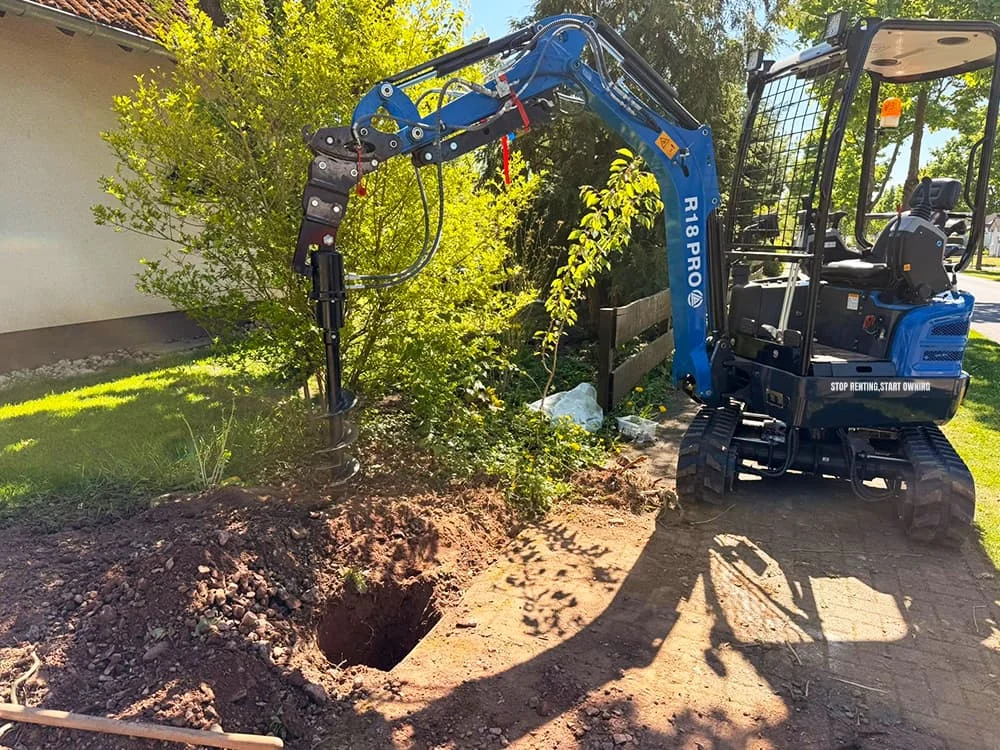
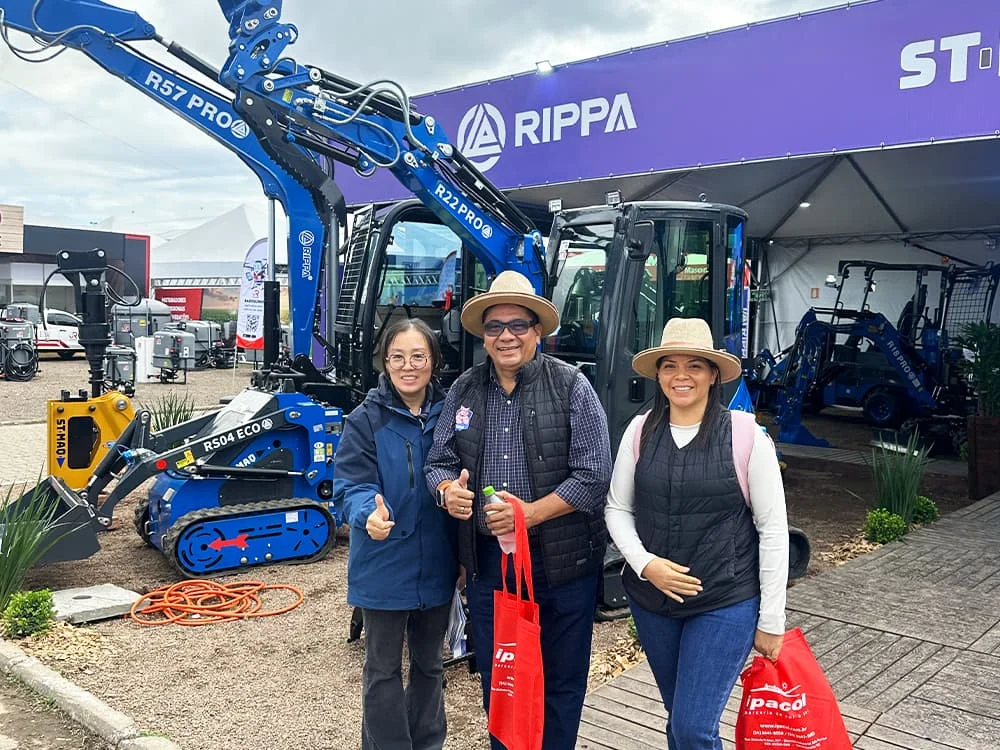
Finding potential mini excavator dealers requires a combination of industry research, direct outreach, and relationship building.
Attend Industry Exhibitions
Construction equipment exhibitions, agricultural events, and regional trade shows provide opportunities to meet machinery distributors, equipment retailers, and businesses seeking additional product lines.
Use Professional Networks
Industry associations, local business directories, and existing customer referrals can help identify companies with relevant market experience.
Develop Targeted Online Outreach
Use company websites, professional networking platforms, and industry directories to identify businesses already serving construction contractors or equipment buyers.
When contacting a potential partner, explain the product category, target customers, potential market opportunity, and expected cooperation process.
Create a Clear Recruitment Process
Invite interested companies to share their business background, geographic coverage, customer base, and current sales activities. Follow up with qualified candidates to discuss their goals and expectations.
Businesses searching for a mini excavator for sale are not necessarily suitable dealer partners. Manufacturers should distinguish between individual equipment buyers and companies capable of developing an ongoing distribution business.
A potential dealer should be evaluated on its ability to represent the equipment, reach customers, and provide dependable local support.
Industry Experience
Review the company’s experience selling construction machinery, compact equipment, agricultural machinery, or related products. Relevant experience can help shorten the learning process.
Sales and Marketing Capabilities
Assess its sales team, customer relationships, website, local visibility, and ability to generate qualified inquiries. Dealers should be able to explain equipment applications and communicate accurately with buyers.
Financial and Operational Readiness
Discuss purchasing capacity, inventory plans, delivery arrangements, and working capital requirements. Expectations should match the company’s size and target market.
After-Sales Support
Determine whether the candidate can coordinate maintenance, obtain compatible replacement parts, respond to customer concerns, and work with qualified service providers.
Compliance and Business Reputation
Verify business information, relevant licenses, market experience, and any applicable regulatory requirements.
Clear mini excavator dealer requirements help manufacturers compare candidates fairly and establish realistic expectations before entering into agreements.
A suitable partner does not necessarily need the largest operation. A smaller business with strong local relationships and reliable service capabilities may be a better fit for a specific market.
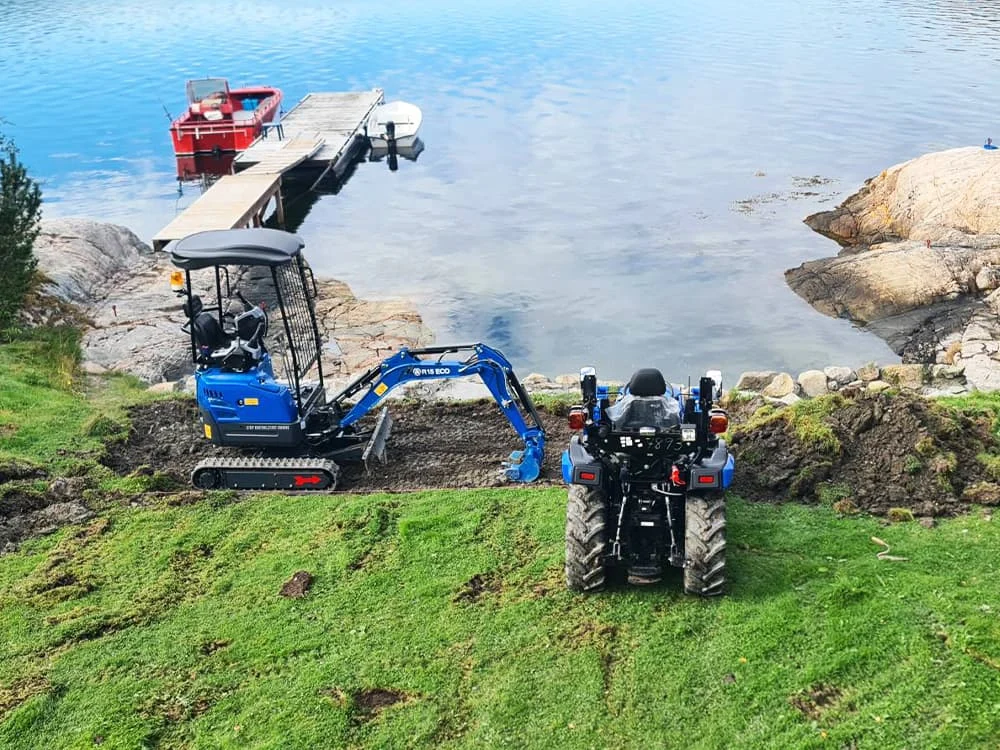
Recruiting dealers is only the beginning. Long-term results depend on giving partners the information and support they need to serve customers effectively.
Provide Product Training
Explain equipment specifications, intended applications, operating considerations, attachment compatibility, and common customer questions. Accurate product knowledge helps dealers recommend suitable equipment.
Supply Marketing Resources
Provide approved product photos, videos, technical documents, brochures, and sales materials. Consistent information helps dealers present equipment clearly across their websites, social media, and sales channels.
Coordinate Lead Management
Establish a clear process for handling inquiries, assigning leads where appropriate, and following up with potential customers. Timely communication reduces missed opportunities and improves the buyer experience.
Clarify Parts and Service Arrangements
Explain how dealers can request parts information, obtain technical assistance, and coordinate after-sales support. Specific service commitments should be documented rather than assumed.
Review Sales Performance Together
Discuss inquiries, quotations, orders, customer feedback, and local market challenges. Regular communication helps identify where additional training or marketing support may be useful.
For dealers selling mini excavators for sale, dependable manufacturer communication and accurate product information can strengthen customer confidence.
Businesses interested in joining the RIPPA dealer network can explore RIPPA distributor opportunities to discuss potential cooperation, target markets, and dealer requirements.
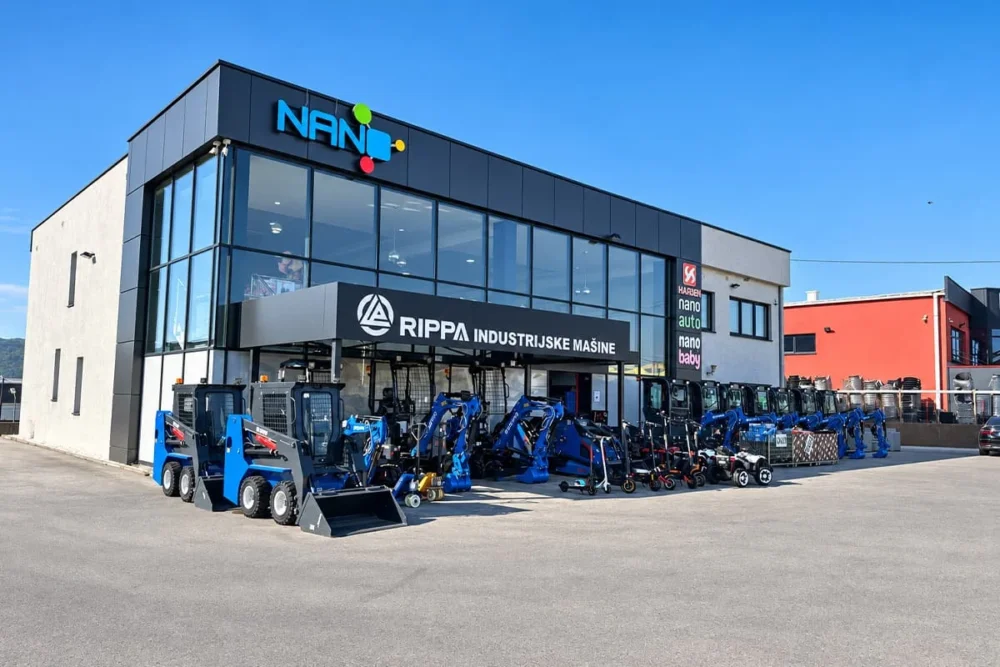
As the business grows, manufacturers need a consistent approach to managing partners across different regions.
Define Territory and Responsibilities
Clarify geographic coverage, customer ownership, lead referrals, sales responsibilities, and any applicable exclusivity terms in written agreements.
Set Measurable Performance Goals
Track qualified leads, quotation activity, sales, customer satisfaction, and after-sales responsiveness. Targets should reflect local market conditions and the dealer’s capabilities.
Prevent Channel Conflicts
When several dealers serve nearby areas, establish clear rules for lead allocation, customer communication, and regional responsibilities.
Review and Develop Each Partner
Schedule regular business reviews to discuss performance, product knowledge, marketing activity, and support needs. Offer additional training or joint marketing initiatives where appropriate.
Expand Based on Evidence
Recruit additional partners when customer demand, service capacity, and market coverage justify expansion. Avoid adding dealers simply to increase network size.
A well-managed mini excavator distribution network balances market reach with consistent service quality. For manufacturers offering compact excavators for sale, this approach helps develop stronger regional coverage while maintaining clear responsibilities and customer support standards.
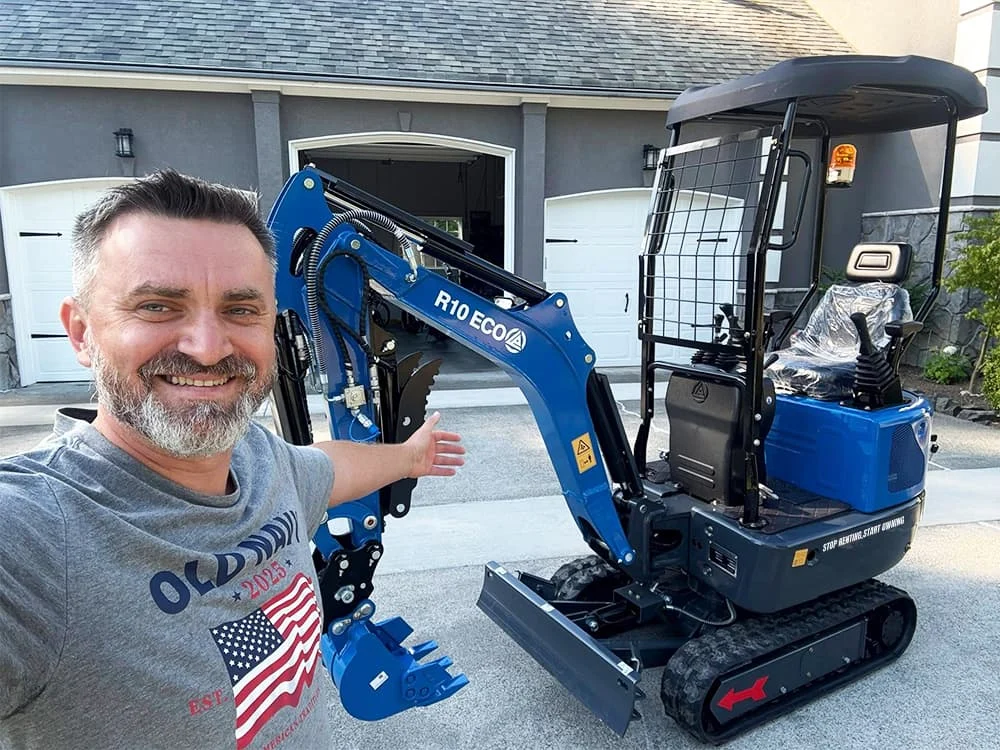
A suitable partner has relevant market knowledge, credible customer relationships, sales capability, and a practical plan for providing local support.
They can contact manufacturers, explain their business background and target market, and discuss dealer requirements, product availability, and cooperation terms.
Manufacturers can provide product training, accurate marketing materials, technical information, parts coordination, and regular business communication.
Tél : +8615628788742
Courriel : contact02@rippa.com
WhatsApp : Rippa Excavator
Adresse : Sixième parc industriel, ville de Jining, province de Shandong, Chine

 FR
 EN
 ES
 IT
 RU
 DE
 PT
 TR
 BG
 HR
 RO
 CS
 NN
 SL
 SV
 HU
 SK
 DA
 FI
 PL
 PT_BR

