Mini excavator parts are essential for equipment maintenance, machine performance, and customer satisfaction. For construction equipment dealers and distributors, understanding replacement components helps reduce ordering errors and provide better service to customers.
When sourcing mini excavator parts, buyers should consider the machine model, part number, dimensions, mounting connections, and operating requirements. For businesses planning to distribute compact construction equipment, knowledge of parts and attachments can also help build customer trust and support long-term business relationships.
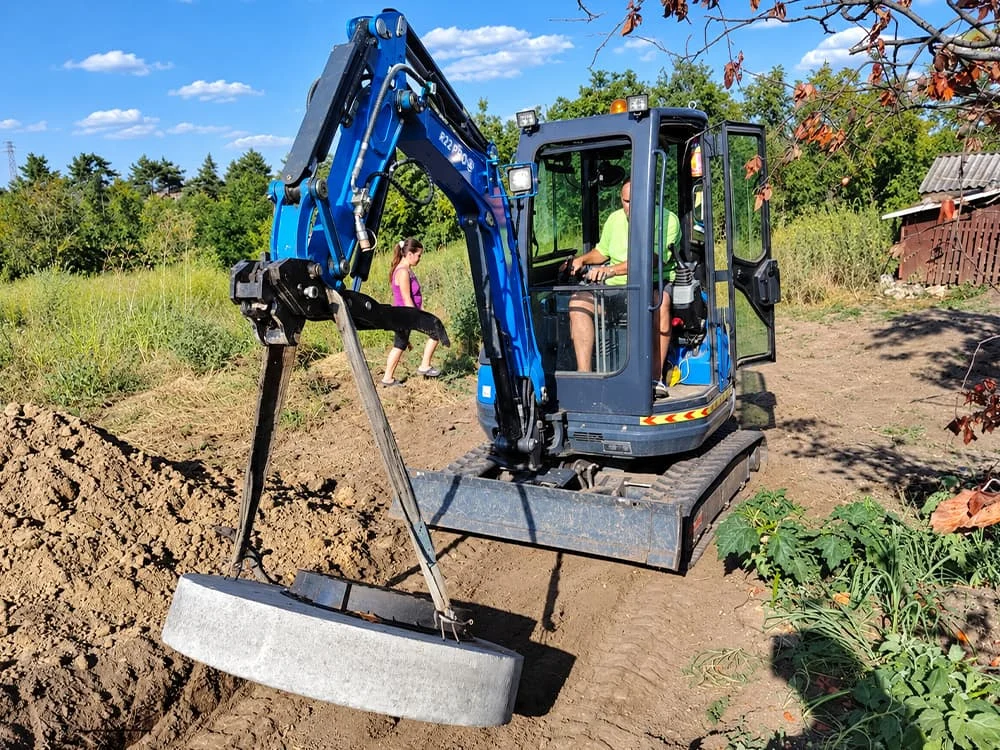
A mini excavator contains several systems that work together to support digging, movement, and material handling. Understanding these components helps dealers identify common replacement needs and communicate more effectively with customers.
The engine supplies power, while the hydraulic system controls functions such as boom movement, arm operation, and bucket movement. Common replacement components may include filters, hoses, seals, pumps, and other system-specific parts.
When sourcing Chinese mini excavator parts, confirm the machine model and component specifications before placing an order. Similar-looking parts may have different dimensions or connections. Choosing an incompatible component can cause performance problems, leaks, or unnecessary downtime.
Dealers should keep accurate product records and request technical confirmation when part numbers or specifications are unclear. This helps streamline future orders and improves communication with customers.
The undercarriage supports machine movement and stability. Depending on the design, replacement parts may include rubber tracks, rollers, sprockets, idlers, and related components. Structural parts may also need inspection after extended use or demanding working conditions.
When comparing excavator parts, check dimensions, mounting arrangements, and compatibility with the specific machine. A clear identification process helps dealers avoid ordering errors and recommend suitable components.
Electrical components support starting, lighting, monitoring, and machine control. Depending on the machine, replacement items may include switches, sensors, wiring components, and relays.
Before ordering electrical mini excavator parts, check the part number, connector type, and machine configuration. Accurate product information is particularly important for distributors serving customers who operate different equipment models.
Mini excavator attachments expand the range of work a compact machine can perform. Suitable mini excavator accessories can support landscaping, trenching, site preparation, and other construction applications.
Buckets are among the most common mini excavator attachments. Different designs support general digging, trenching, and material handling. The right option depends on the soil conditions, work requirements, and machine configuration.
Dealers should confirm the bucket’s mounting interface and dimensions before recommending it. A bucket that fits one machine may not connect correctly to another, even when the machines belong to a similar size category.
Hydraulic breakers are used for suitable breaking applications, while augers support hole drilling for landscaping and installation work. Other available work tools may include grapples and specialized buckets.
Customers researching AGT mini excavator attachments should verify compatibility with the intended machine. Brand names alone do not establish interchangeability. Mounting connections, hydraulic requirements, and equipment specifications should be checked before use.
For dealers, understanding the purpose of each attachment makes it easier to discuss customer needs and identify suitable equipment options.
The right attachment can help contractors complete different tasks with one machine. This flexibility can be valuable for landscaping businesses, utility contractors, and construction companies.
When recommending mini excavator accessories, consider the application, connection type, and machine operating requirements. Providing accurate information helps customers make informed purchasing decisions and reduces the risk of incompatible equipment.
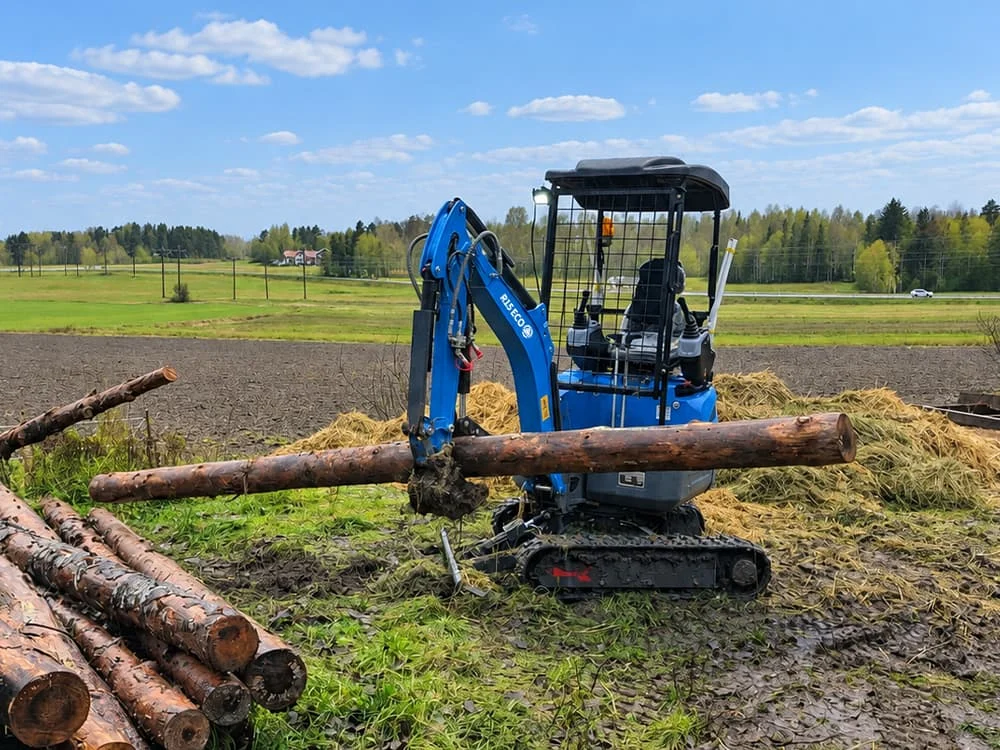
Selecting compatible parts requires accurate equipment identification and clear communication with the supplier. Dealers can improve their purchasing process by checking key details before requesting quotations or placing orders.
Start with the manufacturer, machine model, serial number, and existing part number when available. Photos and measurements may help identify a component, but technical verification is still important.
When purchasing Chinese mini excavator parts, ask the supplier to confirm uncertain specifications. Maintaining records of previously verified parts can make repeat orders easier and help distributors respond more efficiently to customer inquiries.
Before choosing an attachment, verify its mounting interface, dimensions, hydraulic connections, and operating requirements. The excavator must also be suitable for the intended application.
These checks apply to standard accessories as well as AGT mini excavator attachments. Never assume that products from different brands are interchangeable without checking the relevant specifications.
When comparing excavator parts for sale, review product descriptions, compatibility information, availability, documentation, and ordering terms. Ask the supplier what machine information is required to confirm the correct component.
For equipment distributors, supplier communication matters as much as the initial quotation. Accurate information and a clear ordering process can help reduce mistakes and improve the customer experience.
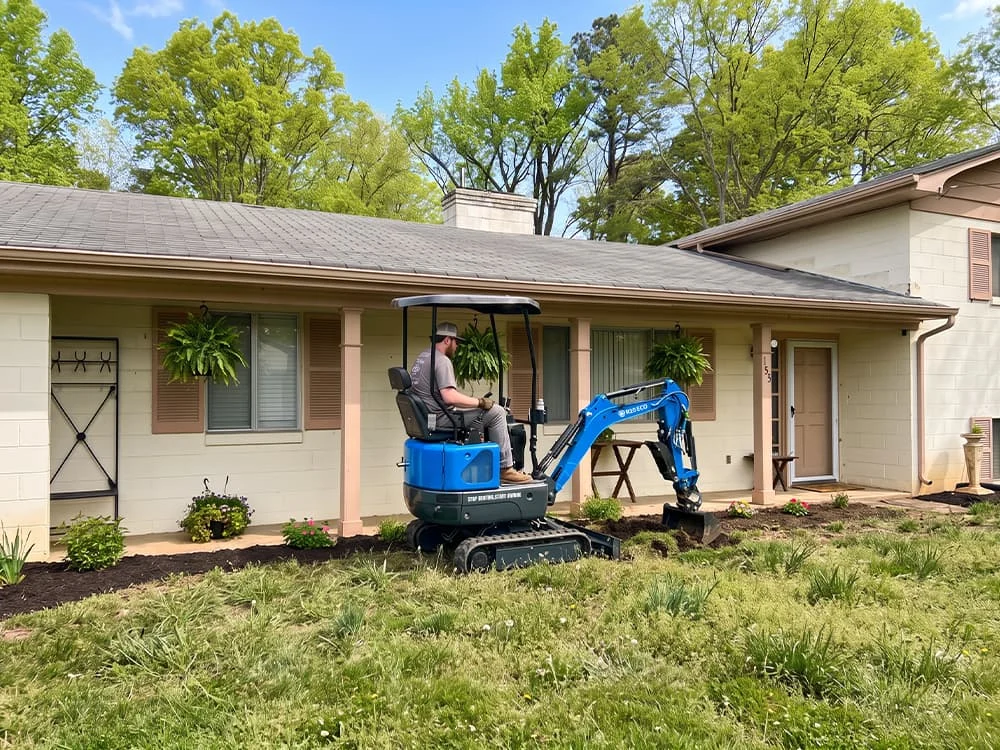
For businesses interested in becoming equipment dealers, selecting a manufacturer involves more than comparing individual products. Product range, technical information, supplier communication, and an understanding of local market needs are all important considerations.
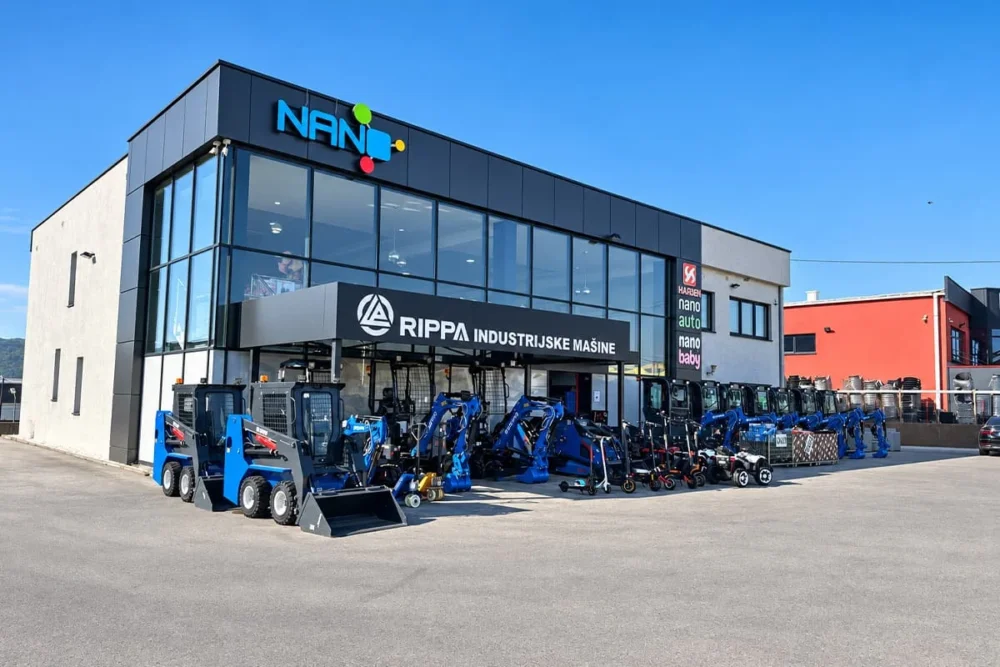
RIPPA Group manufactures compact construction equipment for a range of working environments. Dealers can explore RIPPA mini excavator models to review available equipment options and assess their relevance to local customer needs.
Understanding the product range can help prospective distributors determine which equipment categories align with their target markets.
Before ordering mini excavator parts or attachments, provide the relevant machine details and confirm compatibility with the supplier. Avoid relying on appearance or brand names alone when identifying replacement components.
A consistent verification process helps dealers manage customer expectations and reduce avoidable ordering problems.
Businesses interested in distributing RIPPA equipment can visit the RIPPA distributor recruitment page to explore potential cooperation.
Prepare information about your target market, customer base, and equipment interests before contacting the team. This can help start a focused discussion about whether a distribution partnership fits your business plans.
Common categories include hydraulic components, filters, tracks, undercarriage parts, electrical components, and structural parts.
Check the machine model, serial number, part number, dimensions, and specifications. Confirm compatibility with the supplier before ordering.
Parts are used to maintain or repair a machine. Attachments, such as buckets and breakers, help perform specific tasks.
Compatibility depends on the mounting system, hydraulic requirements, and machine specifications. Always verify before use.
Tél : +8615628788742
Courriel : contact02@rippa.com
WhatsApp : Rippa Excavator
Adresse : Sixième parc industriel, ville de Jining, province de Shandong, Chine

 FR
FR  EN
EN  ES
ES  IT
IT  RU
RU  DE
DE  PT
PT  TR
TR  BG
BG  HR
HR  RO
RO  CS
CS  NN
NN  SL
SL  SV
SV  HU
HU  SK
SK  DA
DA  FI
FI  PL
PL  PT_BR
PT_BR 
