The global excavator market is changing as infrastructure investment, construction demand, technological development, and international trade reshape the industry. For buyers researching mini excavators for sale, understanding these changes can help identify new business opportunities and make better purchasing decisions.
Excavators are essential in construction, agriculture, mining, landscaping, and infrastructure development. From large crawler machines to compact equipment, different excavator categories serve different customer requirements. Understanding current market trends is important for manufacturers, equipment dealers, importers, and contractors planning their next investment.
Excavators play an important role in infrastructure development, road construction, residential projects, mining, and land preparation. Their wide range of applications supports demand across different construction markets.
Road building, urban development, drainage projects, and public infrastructure require extensive excavation work. These applications create demand for different equipment categories, including crawler excavators, wheeled excavators, and compact machines.
According to Off-Highway Research, long-term global excavator demand has grown at a compound annual rate of 4.6%, compared with 3.5% for the construction equipment industry overall. Its research also reported more than 570,000 excavators sold worldwide in 2025, with a retail market value of approximately $65 billion.
Smaller contractors and landscaping businesses increasingly need machines that can operate in restricted spaces.
This creates opportunities for mini excavators for sale, particularly in residential construction, agricultural projects, utility installation, and landscaping.
When evaluating a mini excavator for sale, buyers should consider machine dimensions, digging capability, working range, and attachment compatibility.

Emerging markets offer important opportunities for equipment manufacturers and international dealers. Infrastructure development, urban expansion, agricultural modernization, and mining activities can all support excavator demand.
Southeast Asia, Latin America, Africa, and parts of South Asia offer opportunities for construction equipment suppliers.
Hitachi Construction Machinery’s October 2026 market outlook estimated global hydraulic excavator demand at 239,000 units for fiscal year 2026. Its regional estimates show the importance of Asia, Oceania, India, and other emerging markets in global demand.
However, emerging markets can experience significant fluctuations due to economic conditions, government investment, exchange rates, and import policies.
For dealers considering small excavator for sale ja compact excavators for sale opportunities, understanding local applications is essential.
Residential contractors may prioritize compact dimensions, while agricultural and infrastructure customers may require different digging capabilities and configurations.
Dealers should evaluate local demand, preferred machine sizes, service requirements, and purchasing budgets before planning inventory.

Sales volume is important, but it does not fully reflect the commercial value of an excavator market. Two regions may purchase similar numbers of machines while generating different total market revenues.
Market value is influenced by equipment size, specifications, selling prices, and customer purchasing preferences.
A market with strong demand for larger or higher-specification machines may generate more revenue than another market with similar sales volume but lower average selling prices.
Dealers should therefore examine both the number of machines sold and the total value of those transactions.
Some customers prioritize lower acquisition costs, while others focus on productivity, equipment configuration, and long-term operating expenses.
When evaluating mini excavator price, buyers should consider transportation, maintenance, replacement parts, and after-sales support alongside the initial purchase cost.
Understanding these factors helps dealers develop suitable product portfolios and pricing strategies.
For businesses targeting different customer groups, offering mini excavators for sale alongside other excavator categories can create more opportunities to serve local construction and landscaping markets.
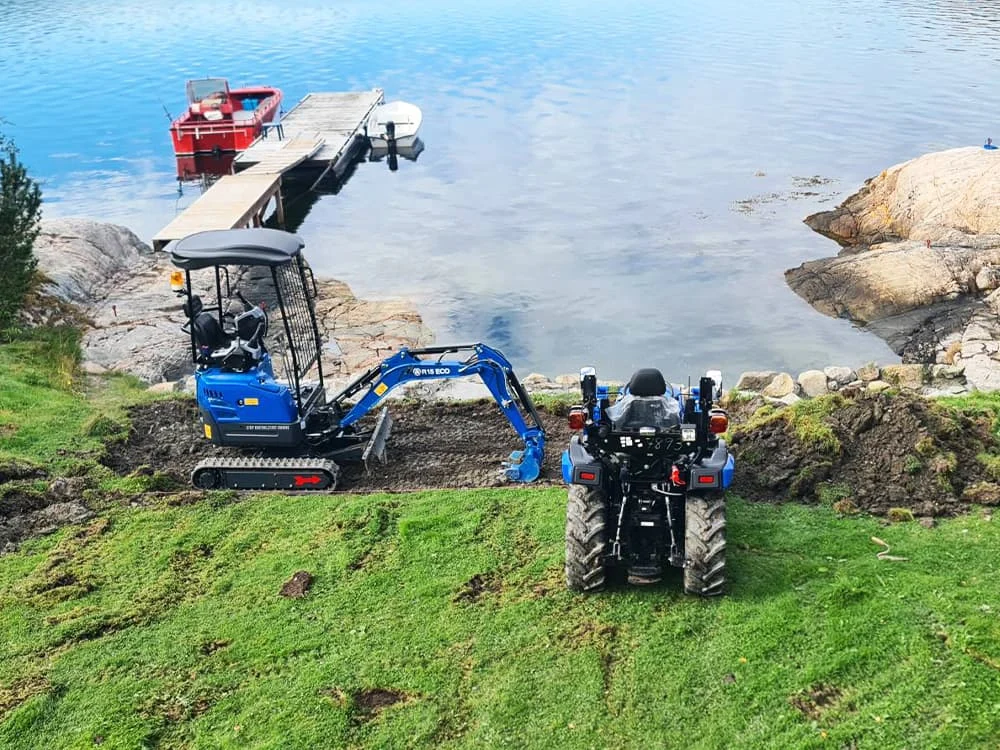
Electrification is becoming an important development in construction equipment, although adoption varies across machine categories and regions.
Electric excavators can be attractive for urban construction, indoor applications, and projects where noise and local emissions restrictions are important.
Environmental policies and growing interest in cleaner construction equipment are encouraging manufacturers to develop electric solutions.
Battery capacity, charging time, electricity access, and operating schedules all influence the practical use of electric excavators.
For contractors working in remote locations, conventional diesel equipment may remain more suitable when charging facilities are unavailable.
Electrification is therefore more likely to create additional equipment choices than immediately replace every conventional excavator.
For buyers comparing mini excavators for sale, power options should be evaluated according to local regulations, operating conditions, and the availability of charging infrastructure.
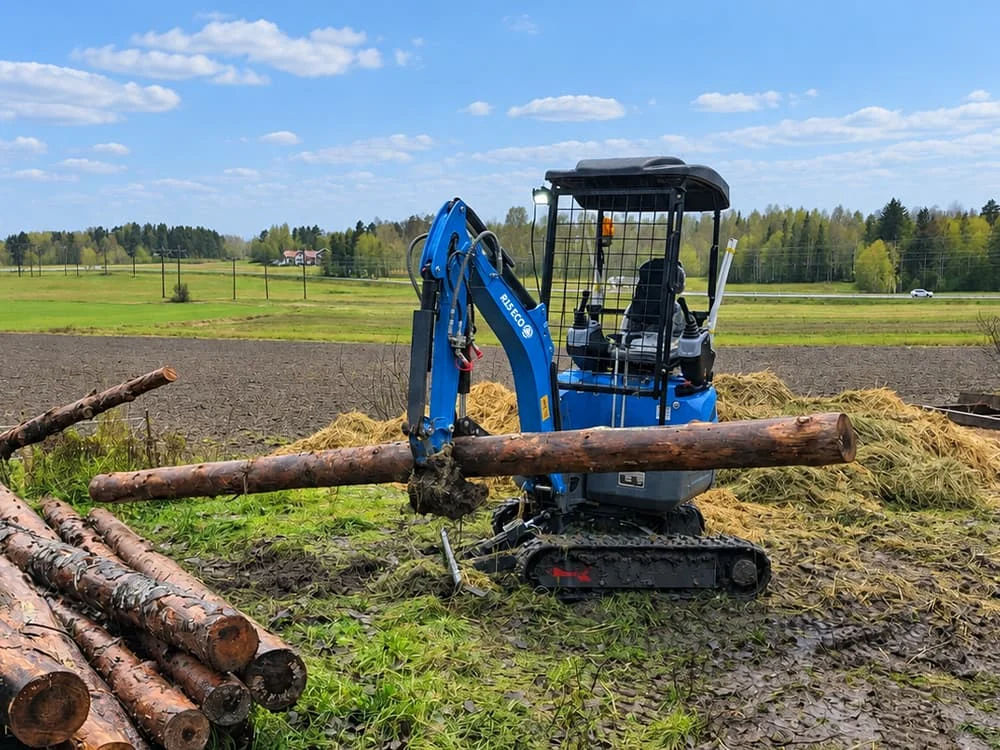
China has become an increasingly influential participant in the global excavator industry through manufacturing capacity, export development, product competition, and overseas distribution.
Chinese construction machinery manufacturers have increased their international presence through competitive products, expanding production capabilities, and broader distribution networks.
According to China Construction Machinery Association data reported in October 2026, China exported 109,744 excavators during the first nine months of the year, representing year-on-year growth of 30.4%. Exports accounted for 51.2% of reported excavator sales during that period.
Growing international sales create opportunities for overseas importers and equipment distributors.
When comparing the best chinese mini excavator for the money, buyers should evaluate product quality, machine configuration, purchasing conditions, and long-term operating costs rather than focusing exclusively on the initial quotation.
A reliable Chinese mini excavator supplier should provide consistent product quality, clear communication, and dependable parts support.
Availability of mini excavator parts and appropriate mini excavator maintenance support can influence customer satisfaction, equipment uptime, and dealership performance.
As Chinese manufacturers expand into international markets, overseas distributors have opportunities to develop local sales networks and serve growing construction and landscaping demand.
RIPPA is a Chinese construction machinery manufacturer focused on mini excavators and related equipment applications.
For international dealers, product supply, parts support, communication, and long-term cooperation are important considerations when selecting a manufacturing partner.
RIPPA welcomes international distribution partners interested in developing long-term business relationships. Explore RIPPA distributor opportunities to discuss equipment supply and potential dealership partnerships.
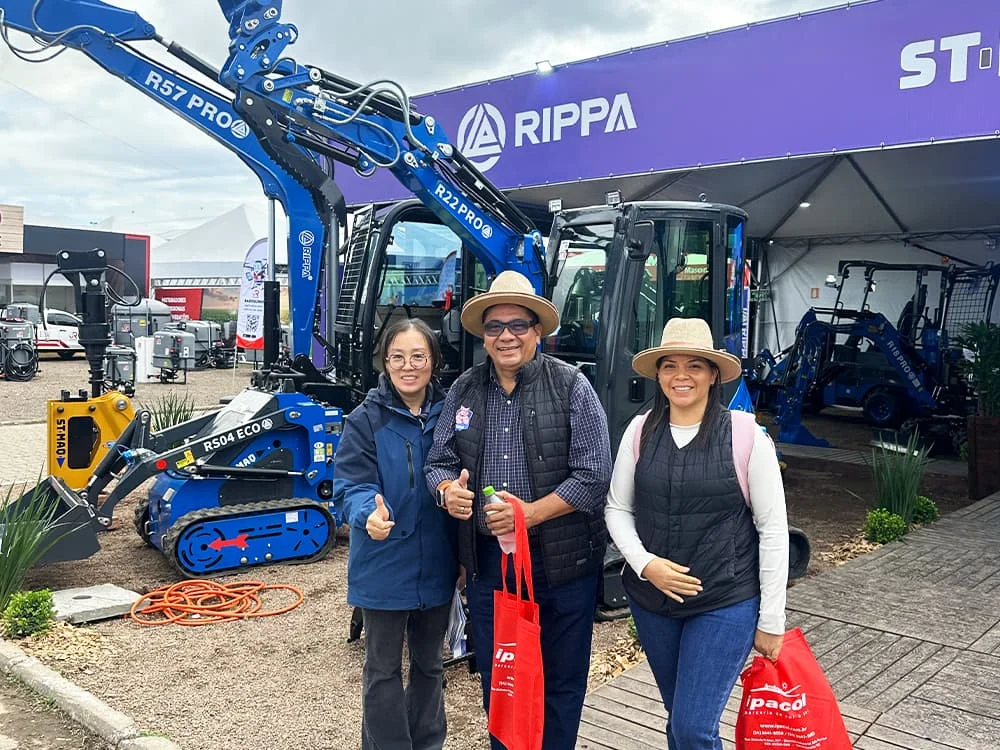
Yes. Industry research indicates that long-term global excavator demand has grown faster than the overall construction equipment market.
Southeast Asia, Latin America, Africa, and South Asia offer opportunities, although local demand and economic conditions vary.
Not entirely. Electric excavators are gaining attention, but diesel machines remain important where charging infrastructure is limited.
Manufacturing capacity, export development, product improvements, and expanding overseas distribution networks have strengthened their global position.
Puh: +8615628788742
Sähköposti: contact02@rippa.com
WhatsApp: Rippa kaivinkone
Osoite: Kuudes teollisuuspuisto, Jiningin kaupunki, Shandongin maakunta, Kiina.

 FI
 EN
 ES
 IT
 FR
 RU
 DE
 PT
 TR
 BG
 HR
 RO
 CS
 NN
 SL
 SV
 HU
 SK
 DA
 PL
 PT_BR

