Daily inspections help operators identify equipment problems before they affect construction work. Checking fluid levels, lubrication points, tracks, undercarriage components, and attachments can reduce unexpected breakdowns and improve operating safety.
For contractors evaluating mini excavators for sale, understanding daily inspection requirements is essential for maintaining reliable equipment performance. Even minor issues, such as loose attachment pins or damaged hydraulic hoses, may develop into costly failures when ignored.
A structured inspection process also helps machinery dealers guide customers on proper equipment care and long-term operation.
Fluid inspections are among the most important daily checks because insufficient or contaminated fluids can affect engine and hydraulic performance.
Before starting the machine, inspect engine oil and coolant levels according to the manufacturer’s instructions.
Use the recommended measuring procedures and check whether fluid levels fall within the specified range. Inspect for unusual discoloration, contamination, or visible leakage.
Never open a hot, pressurized cooling system.
Hydraulic oil supports boom, arm, bucket, and attachment movements. Low fluid levels may affect hydraulic performance and indicate possible leakage.
Check the hydraulic reservoir using the manufacturer’s specified procedure and machine position.
Operators should avoid adding unapproved fluids or mixing incompatible hydraulic oils.
A mini excavator inspection checklist should include checking beneath the machine and around hydraulic hoses, fittings, cylinders, and engine components.
Look for fresh oil stains, damaged hoses, and wet connections. If a significant leak is detected, stop operation and arrange appropriate repairs.
Never touch suspected high-pressure hydraulic leaks.
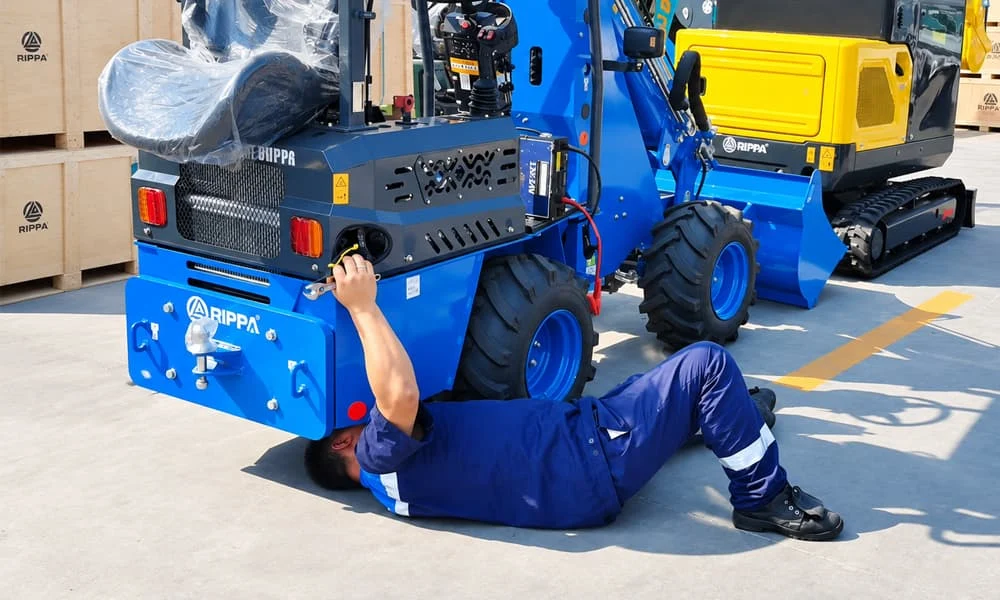
Lubrication helps reduce friction and wear between moving components. Daily inspection ensures that required lubrication points receive attention before work begins.
Check boom and arm connections for visible wear, damaged grease fittings, and insufficient lubrication.
These components experience repeated movement during excavation and require lubrication according to manufacturer recommendations.
Bucket pins and bushings are exposed to frequent movement, pressure, and contamination.
Inspect these areas for unusual looseness, damaged fittings, and excessive wear.
During mini excavator routine maintenance, apply the specified lubricant at the intervals recommended by the manufacturer.
Unusual squeaking, stiffness, or visible wear may indicate insufficient lubrication or component damage.
Clean grease fittings before applying lubricant to avoid introducing dirt into moving joints.
Do not assume that adding more grease will correct a damaged pin or bushing.
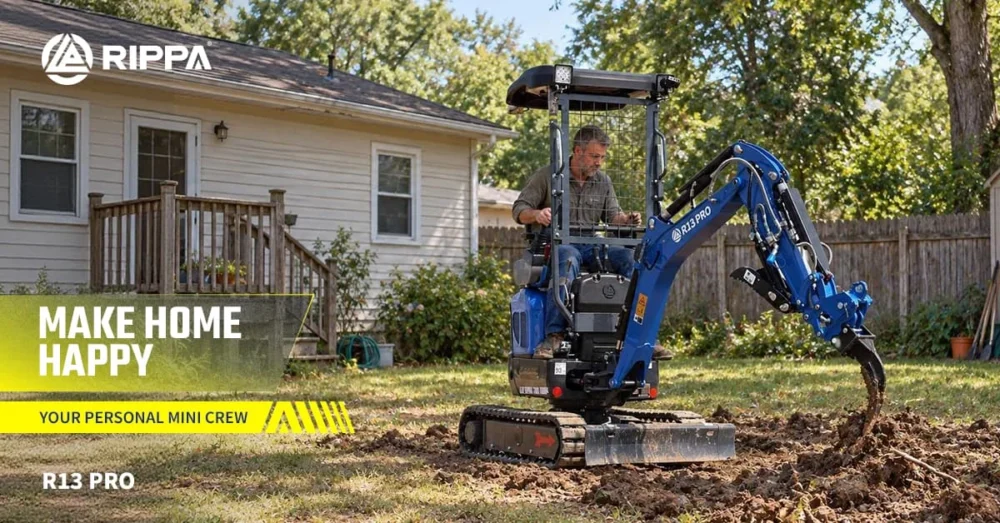
Track condition directly affects machine stability, movement, and undercarriage performance.
Check whether the tracks appear excessively loose or tight.
Track tension should be measured using the manufacturer’s specified procedure rather than visual judgment alone.
Loose tracks may increase derailment risk, while excessive tension can increase component wear.
Inspect track surfaces for cuts, cracks, damaged sections, and trapped materials.
Remove visible mud, stones, and debris when the machine is safely secured.
Pay attention to unusual track movement or noises reported during previous operation.
Daily inspection does not mean tracks must be adjusted every day.
Track adjustment should only be performed when measurements fall outside manufacturer specifications.
Proper mini excavator maintenance includes monitoring track condition and arranging adjustments before excessive wear develops.
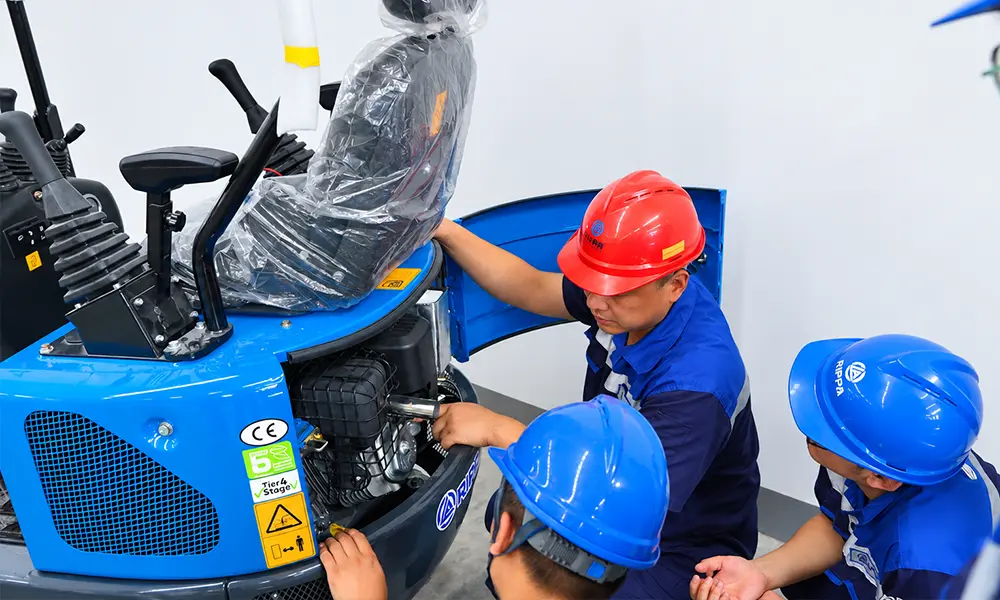
The undercarriage supports machine movement and frequently contacts mud, gravel, stones, and other abrasive materials.
Check track rollers and idlers for visible damage, abnormal wear, and unusual movement.
Damaged components may affect track alignment and increase operating resistance.
Look for oil leakage where applicable and report unusual conditions before operating.
Inspect sprocket teeth for excessive wear, cracks, or missing sections.
Check track links, rubber surfaces, and accessible fasteners for damage or looseness.
Worn mini excavator parts should be evaluated using manufacturer specifications before replacement decisions are made.
Mud, compacted soil, and stones can accumulate around the undercarriage.
Remove debris using approved cleaning methods and inspect exposed components for hidden damage.
Keeping the undercarriage clean also makes future inspections easier and helps identify developing wear.

Attachments should be inspected before every working shift because damaged or incorrectly installed equipment can create serious operational hazards.
Inspect bucket teeth, cutting edges, and attachment surfaces for cracks, missing components, and excessive wear.
Damaged cutting edges can reduce digging efficiency and increase stress on other components.
Confirm that all visible retaining components are properly secured.
Check attachment pins, locking mechanisms, and mounting connections.
For hydraulic attachments, inspect accessible hoses and fittings for visible damage or leakage.
Attachments must match the machine’s operating specifications and hydraulic requirements.
Never operate equipment with an improperly secured attachment.
Record completed inspections, identified defects, corrective actions, and mini excavator operating hours.
These records help equipment owners recognize recurring problems and schedule inspections or servicing.
Unsafe defects should be addressed before the equipment returns to operation.
For machinery dealers evaluating a mini excavator for sale, reliable inspection guidance can improve customer understanding of equipment care.
Customers comparing a small excavator for sale tai compact excavators for sale should also understand the inspection requirements associated with different configurations and attachments.
Clear documentation and access to relevant technical information are valuable considerations when selecting a machinery manufacturer.
RIPPA is a construction machinery manufacturer serving international equipment buyers and potential distribution partners.
Interested in expanding your construction machinery business? Explore RIPPA distributor opportunities to discuss equipment sourcing, technical information, and potential long-term dealership cooperation.
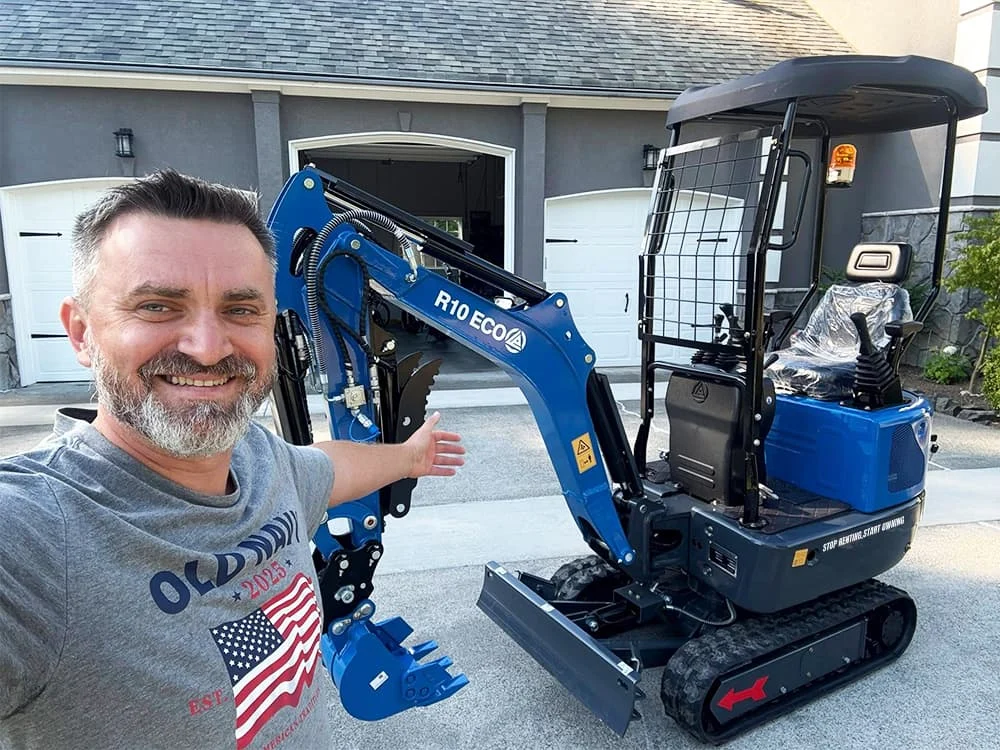
Check fluid levels, visible leaks, lubrication points, tracks, undercarriage components, and attachments before operation.
No. Check track tension regularly and adjust it only when required by manufacturer specifications.
Record inspection findings, operating hours, identified defects, and corrective actions in a daily equipment log.
Puh: +8615628788742
Sähköposti: contact02@rippa.com
WhatsApp: Rippa kaivinkone
Osoite: Kuudes teollisuuspuisto, Jiningin kaupunki, Shandongin maakunta, Kiina.

 FI
 EN
 ES
 IT
 FR
 RU
 DE
 PT
 TR
 BG
 HR
 RO
 CS
 NN
 SL
 SV
 HU
 SK
 DA
 PL
 PT_BR

