Different soil conditions affect penetration, bucket filling, machine traction, and excavation time. Contractors comparing mini excavators for sale should consider the material they will handle because clay, sand, gravel, and rocky ground place different demands on equipment. Understanding these differences helps contractors select suitable machines and plan work more accurately. Before work begins, examine a representative area rather than judging the entire site from its surface. Soil can change across one project, especially where fill, buried materials, or drainage conditions vary. A short site assessment helps operators anticipate resistance, select attachments, and plan safe access. Dealers can use this information to match customer applications with suitable machine configurations.
Mini excavators can work in many soil types when the machine and bucket match the ground conditions.
Soft soil is common in gardens and agricultural land. It may be easy to penetrate, but weak or wet ground can allow tracks to sink. Check ground support, avoid abrupt movements, and plan spoil placement.
Sand is often easy to penetrate, but loose or wet material can shift and trench walls may collapse. Use controlled bucket movements and follow the project design and local trench-safety requirements.
Clay can become hard when dry and sticky when wet. Compacted clay requires more digging effort, while wet clay can cling to the bucket. Bucket profile, teeth, and regular cleaning affect productivity.
Gravel increases digging resistance and attachment wear. Rocky ground may require specialized attachments or alternative methods. Check machine and attachment ratings before attempting hard-rock work.
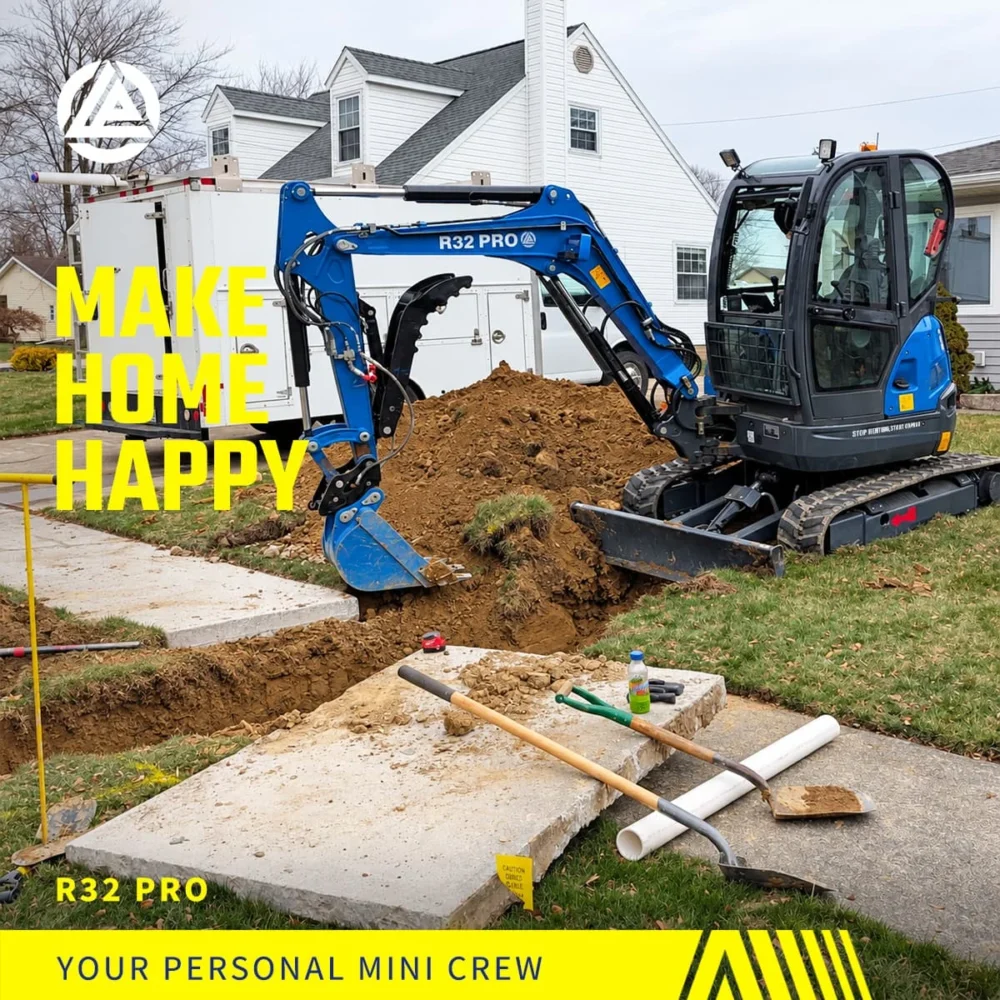
Soil affects penetration, bucket filling, cycle time, traction, stability, and component wear. The same machine may perform differently on two sites with identical trench dimensions.
Dense, compacted material requires more force than loose topsoil. Operators may need smaller cuts, extra passes, or another attachment. Higher resistance increases hydraulic demand and loads on working components, so estimates should account for compaction.
Wet clay sticks to the bucket, saturated sand may lose stability, and dry compacted soil can be difficult to penetrate. Check weather, drainage, and groundwater before excavation.
Stones, roots, and debris create uneven resistance. Gravel wears cutting edges, while sticky soil needs frequent cleaning. Record mini excavator operating hours with soil type and attachment to compare productivity and plan servicing.
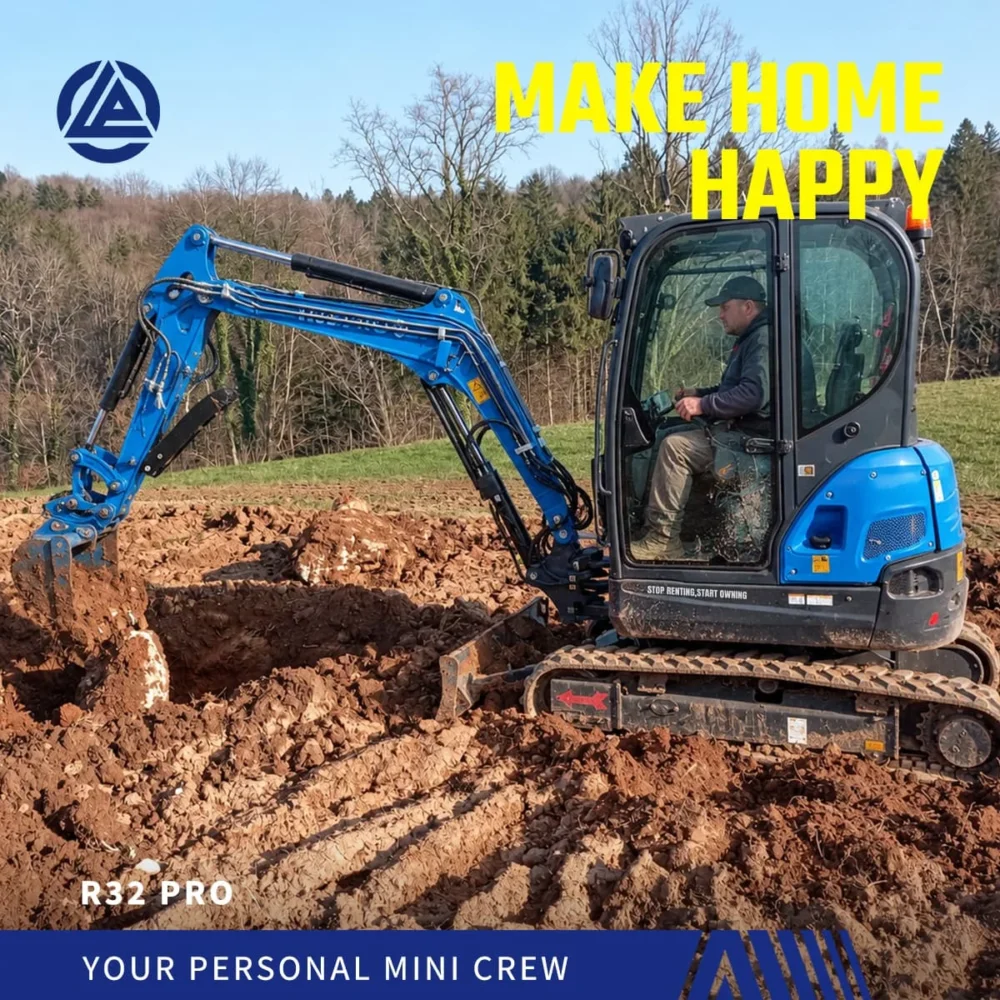
Match verified machine specifications to the task rather than relying on a size label or sales description.
Digging force affects bucket penetration, while operating weight and track design influence stability. When assessing a mini excavator for sale, compare digging force, depth, reach, weight, and manufacturer limits with project requirements.
Hydraulic pressure and flow affect boom, arm, bucket, and attachment performance. Check tool requirements and compatibility; machines in the same weight class may have different hydraulic capabilities.
Bucket width, profile, capacity, and teeth affect penetration and material retention. Narrow buckets suit utility trenches; wider buckets may move more soil in open areas. Match the bucket to the soil and machine capacity.
When comparing a small excavator for sale with compact excavators for sale, review dimensions, working range, performance, and transport needs. Compare mini excavator price with attachment, shipping, servicing, and parts costs.
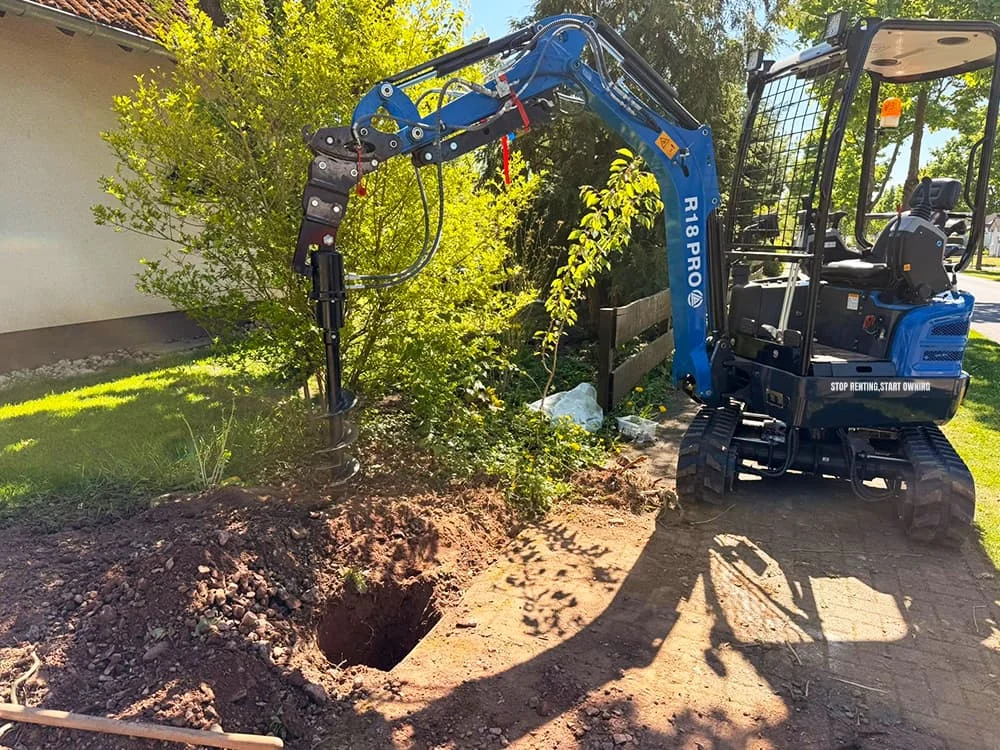
Adjust digging methods to the material and site conditions.
On soft ground, use a stable travel path and avoid unnecessary turns. Keep spoil away from trench edges. In sand, use controlled cuts and monitor trench stability and water conditions.
In clay, use suitable bucket teeth and manageable cuts. Remove sticky buildup because trapped material reduces bucket capacity and adds weight.
In gravel, inspect teeth and cutting edges frequently. Do not use the bucket as an improvised breaker. For rock, confirm the machine and attachment are rated for the task.
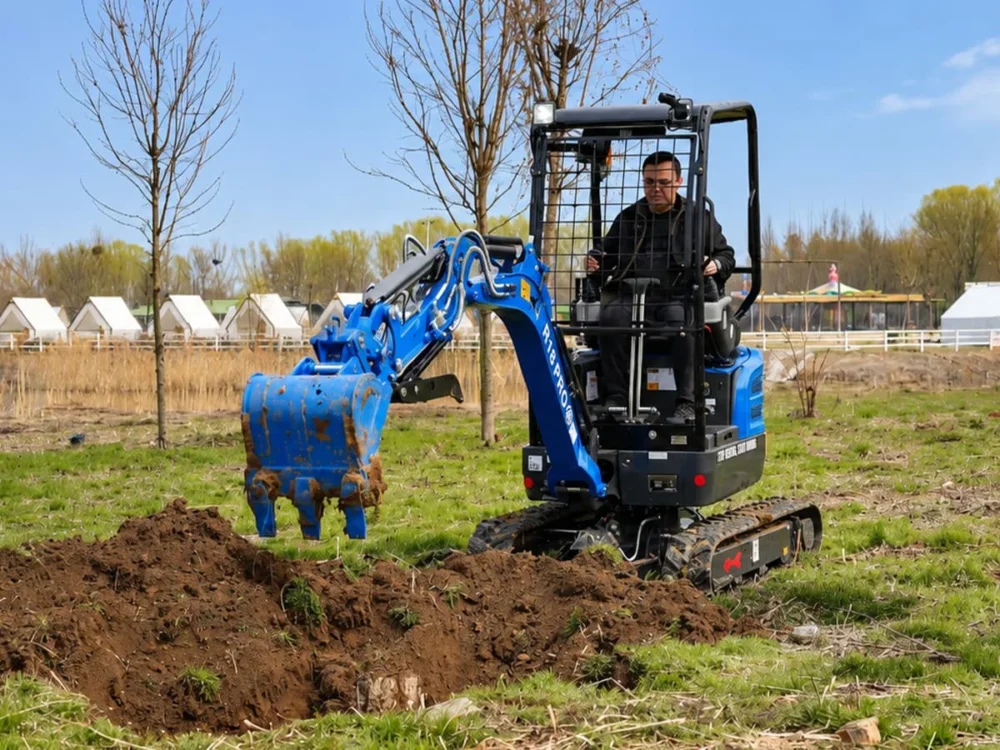
Abrasive particles, mud, and clay can damage the undercarriage, attachments, and hydraulic components if not cleaned and inspected.
A mini excavator inspection checklist should cover bucket teeth, attachment pins, hydraulic hoses, cylinders, tracks, fluid levels, and visible damage. Check for leaks, loose connections, and abnormal noises before work. Follow manufacturer instructions and address defects that could affect safety.
Regular mini excavator maintenance includes servicing fluids and filters, checking hydraulic connections, and cleaning tracks, rollers, and attachment mounts. Remove clay and mud before they harden, and inspect wear points after gravel work.
Record operating hours, soil conditions, attachments, inspections, repairs, and replaced parts. When evaluating a Chinese mini excavator supplier, review equipment documentation, parts availability, warranty procedures, and technical support.
RIPPA serves international equipment buyers and potential distribution partners. Dealers can visit the RIPPA distributor opportunities page to discuss equipment sourcing and possible dealership cooperation.
Yes, if the machine and attachment are rated for the material. Solid rock may require a suitable breaker or another excavation method.
Choose bucket width, profile, and teeth according to the soil and trench dimensions. Sticky clay may need a bucket that is easier to clean.
Moisture can make clay stickier and reduce the stability of sand or soft ground. Very dry, compacted soil may require more digging effort.
Puh: +8615628788742
Sähköposti: contact02@rippa.com
WhatsApp: Rippa kaivinkone
Osoite: Kuudes teollisuuspuisto, Jiningin kaupunki, Shandongin maakunta, Kiina.

 FI
 EN
 ES
 IT
 FR
 RU
 DE
 PT
 TR
 BG
 HR
 RO
 CS
 NN
 SL
 SV
 HU
 SK
 DA
 PL
 PT_BR

