Choosing the right excavator starts with understanding where and how the machine will operate. Ground conditions, jobsite access, transportation requirements, and daily excavation tasks all influence equipment selection.
Two common excavator configurations are crawler excavators and wheeled excavators. Although both are designed for digging and earthmoving, their undercarriage systems create important differences in mobility, ground contact, and working applications.
Crawler excavators use tracks to move across the ground, while wheeled excavators rely on tires for mobility. These different designs make each type suitable for particular working environments.
For construction contractors, equipment dealers, and international buyers, understanding these differences can help prevent purchasing decisions that do not match actual jobsite requirements.
A crawler excavator is an excavator equipped with a tracked undercarriage instead of conventional road wheels.
Its tracks distribute the machine’s weight across a larger contact area compared with many wheeled configurations. This design can provide useful traction and support when operating on soft soil, muddy surfaces, and uneven construction sites.
Crawler excavators are commonly used for:
Different crawler excavators are designed for different applications. Buyers should evaluate machine size, track configuration, working requirements, and ground conditions before selecting a model.
A wheeled excavator uses tires rather than tracks as its primary mobility system.
Its main advantage is mobility across suitable firm surfaces. Depending on the machine design and local regulations, wheeled excavators may be able to move between nearby work areas without requiring the same transportation arrangements as crawler machines.
They are often considered for:
However, wheeled excavators are not automatically suitable for every paved or outdoor surface. Tire configuration, machine weight, road conditions, and operating requirements must all be considered.
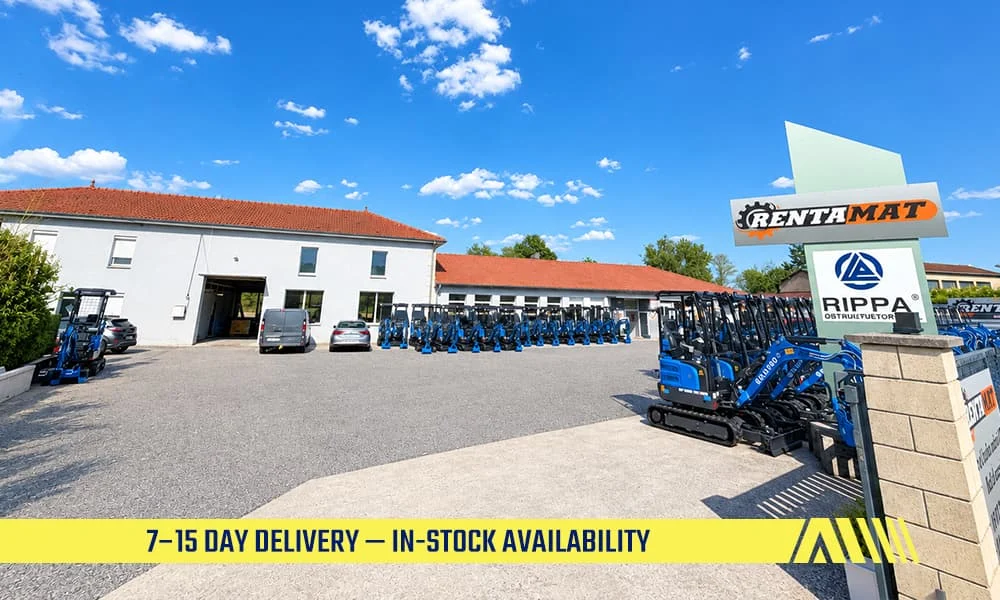
The main difference between these two machines is how they move and interact with the ground.
| Comparison | Crawler Excavator | Wheeled Excavator |
|---|---|---|
| Undercarriage | Tracks | Tires |
| Ground contact | Larger distributed contact area | Tire contact areas |
| Soft ground | Often more suitable | Depends on ground conditions |
| Firm paved surfaces | Usually requires transportation between sites | Better suited to suitable road surfaces |
| Jobsite mobility | Primarily designed for working on site | Can move between suitable nearby areas |
| Common applications | Earthmoving and excavation | Urban and municipal operations |
Neither configuration is universally better.
The right machine depends on the work environment, frequency of movement, and the type of excavation required.
Ground conditions are among the most important factors when choosing between crawler and wheeled excavators.
Soft soil and muddy ground can make equipment movement difficult.
Crawler excavators are often preferred in these conditions because their tracked undercarriage distributes machine weight across a larger ground contact area.
This can help reduce ground pressure compared with many wheeled configurations.
However, extremely soft or unstable ground still requires careful site assessment. Track design alone does not guarantee safe operation under every condition.
Gravel surfaces and uneven construction areas may require equipment with suitable traction and ground contact characteristics.
Crawler excavators are commonly used in these environments because their tracks are designed for off-road movement.
Buyers should consider the size of loose materials, surface stability, slopes, and the machine’s intended operating conditions.
Urban construction projects may involve frequent movement between nearby working locations.
Wheeled excavators can be practical when suitable road surfaces and local transportation regulations allow them to travel between jobsites.
Crawler excavators, by comparison, generally require appropriate transportation arrangements when moving between separate locations.
Different projects create different equipment requirements.
Crawler excavators are commonly used for foundation preparation and earthmoving, especially when the site includes loose soil, uneven surfaces, or extensive digging operations.
Their tracked configuration supports off-road movement across many typical construction environments.
Wheeled excavators may be suitable for urban utility work and road maintenance where machines need to move between accessible work areas.
Their mobility can help contractors organize jobs that involve multiple nearby locations.
Both crawler and wheeled excavators can perform trenching tasks.
The selection depends on the ground conditions, trench dimensions, site access, and frequency of equipment movement.
For example, a drainage project on soft ground may favor a crawler configuration, while a utility project along accessible urban roads may benefit from a wheeled machine.
Landscaping projects can involve different combinations of excavation, soil preparation, and material handling.
The right excavator depends on available space, ground conditions, and the distance between working areas.
Compact crawler excavators may be worth considering for projects where access is restricted and excavation is the primary task.
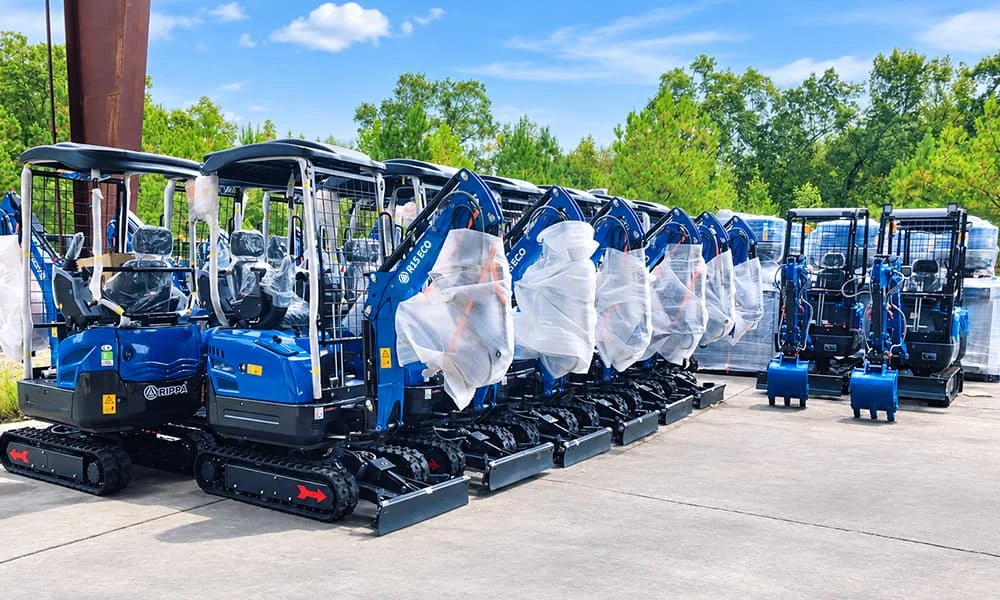
Before requesting quotations, buyers should identify the most important operating requirements.
1. What type of ground will the machine work on?
Identify whether the typical surface is paved, compacted soil, gravel, muddy ground, or uneven terrain.
2. How frequently does the machine need to move between jobsites?
Consider whether the excavator will remain at one construction site or regularly travel between nearby work areas.
3. What excavation tasks will it perform?
Clarify whether the machine will mainly handle trenching, foundation work, landscaping, drainage, or general earthmoving.
4. What transportation arrangements are available?
For crawler excavators, evaluate trailer availability, loading arrangements, and transportation costs when moving between projects.
5. What maintenance and parts support does the supplier provide?
Ask about undercarriage or tire maintenance, recommended inspections, replacement parts, and technical documentation.
These questions help buyers compare excavators based on actual working requirements rather than selecting equipment solely by appearance or purchase price.
For overseas contractors and equipment distributors, selecting the right machine is only one part of the purchasing process.
The manufacturer should also provide accurate product information and clear export arrangements.
Important points include:
Distributors should also consider whether the manufacturer’s product range matches the needs of their local construction market.
RIPPA Group focuses on construction machinery manufacturing and international supply. Buyers interested in crawler excavators and other excavation equipment can contact RIPPA Group to discuss available product categories and wholesale purchasing requirements.
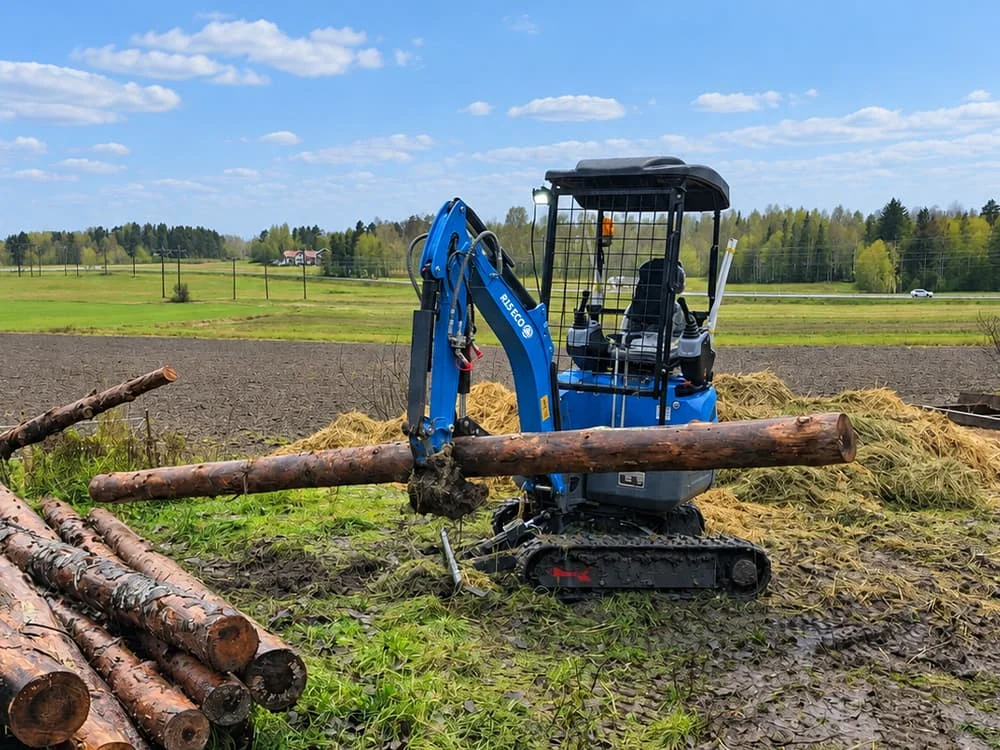
The main difference is the undercarriage. Crawler excavators use tracks, while wheeled excavators use tires. This affects ground contact, mobility, and the types of jobsites where each configuration is suitable.
Crawler excavators are often more suitable for muddy and soft ground because their tracks distribute machine weight across a larger contact area. Actual suitability still depends on soil conditions and machine configuration.
Some wheeled excavators are designed for road travel, but whether they can legally operate on public roads depends on their configuration, registration, local regulations, and transportation requirements.
Wheeled excavators can be practical for urban projects involving frequent movement between accessible locations. However, crawler excavators may be more suitable when the work involves soft ground or demanding excavation conditions.
Yes. Compact crawler excavators are used in landscaping, residential construction, drainage, and other projects where excavation is required in limited working areas.
Crawler and wheeled excavators serve different operating requirements. Crawler machines are commonly selected for off-road excavation and challenging ground conditions, while wheeled machines can offer practical mobility for suitable urban and road-accessible projects.
Before purchasing, evaluate ground conditions, jobsite access, excavation tasks, transportation arrangements, and maintenance requirements.
For international equipment buyers and distributors, working with a manufacturer that provides clear product documentation and purchasing information is equally important.
Explore RIPPA excavator options and contact the team to discuss equipment requirements for your construction business.
Puh: +8615628788742
Sähköposti: contact02@rippa.com
WhatsApp: Rippa kaivinkone
Osoite: Kuudes teollisuuspuisto, Jiningin kaupunki, Shandongin maakunta, Kiina.

 FI
 EN
 ES
 IT
 FR
 RU
 DE
 PT
 TR
 BG
 HR
 RO
 CS
 NN
 SL
 SV
 HU
 SK
 DA
 PL
 PT_BR

