When comparing mini excavators for sale, digging depth is one of the most important technical specifications. It determines how deep a machine can excavate below ground level and helps buyers choose suitable equipment for construction, landscaping, drainage, and agricultural projects.
Different excavator sizes offer different digging capabilities. Smaller models are often suitable for shallow excavation and restricted spaces, while larger machines may provide greater digging depth and working reach.
For contractors and equipment dealers, understanding mini excavator digging depth helps match machine specifications with customer requirements. RIPPA offers mini excavators in different operating weight categories, allowing buyers to compare models according to their actual excavation needs.
Digging depth generally increases with excavator size, but operating weight alone does not determine how deep a machine can dig. Boom design, arm length, hydraulic configuration, and machine geometry also affect performance.
Different sizes of mini excavators offer different digging capabilities. Smaller machines are typically designed for shallow excavation and restricted spaces, while larger models can handle deeper trenches and more demanding construction tasks.
The following table shows approximate mini excavator digging depth ranges by operating weight:
| Excavator Size | Operating Weight | Typical Digging Depth |
| Micro Excavator | 0.8–1 Ton | 1.5–1.8 m |
| Small Mini Excavator | 1–2 Tons | 1.8–2.5 m |
| Medium Mini Excavator | 2–3 Tons | 2.3–3.0 m |
| Large Mini Excavator | 3–5 Tons | 2.8–3.8 m |
| Heavy Compact Excavator | 5–6 Tons | 3.5–4.2 m |
Note: These are illustrative industry ranges, not verified specifications for particular machines. Actual digging depths vary by model, configuration, and manufacturer.
These ranges show that larger excavators generally offer greater digging depth, although some smaller models may outperform heavier machines depending on their boom and arm configurations.
Buyers comparing compact excavators for sale should review maximum digging depth, operating weight, and working reach rather than relying on machine size alone.
Smaller excavators are often suitable for residential landscaping, garden trenches, and property maintenance. Larger machines can support deeper excavation requirements, utility installation, and more demanding construction projects.
When evaluating mini excavators for sale, always confirm the manufacturer’s published digging depth specifications to ensure the equipment meets your project requirements.
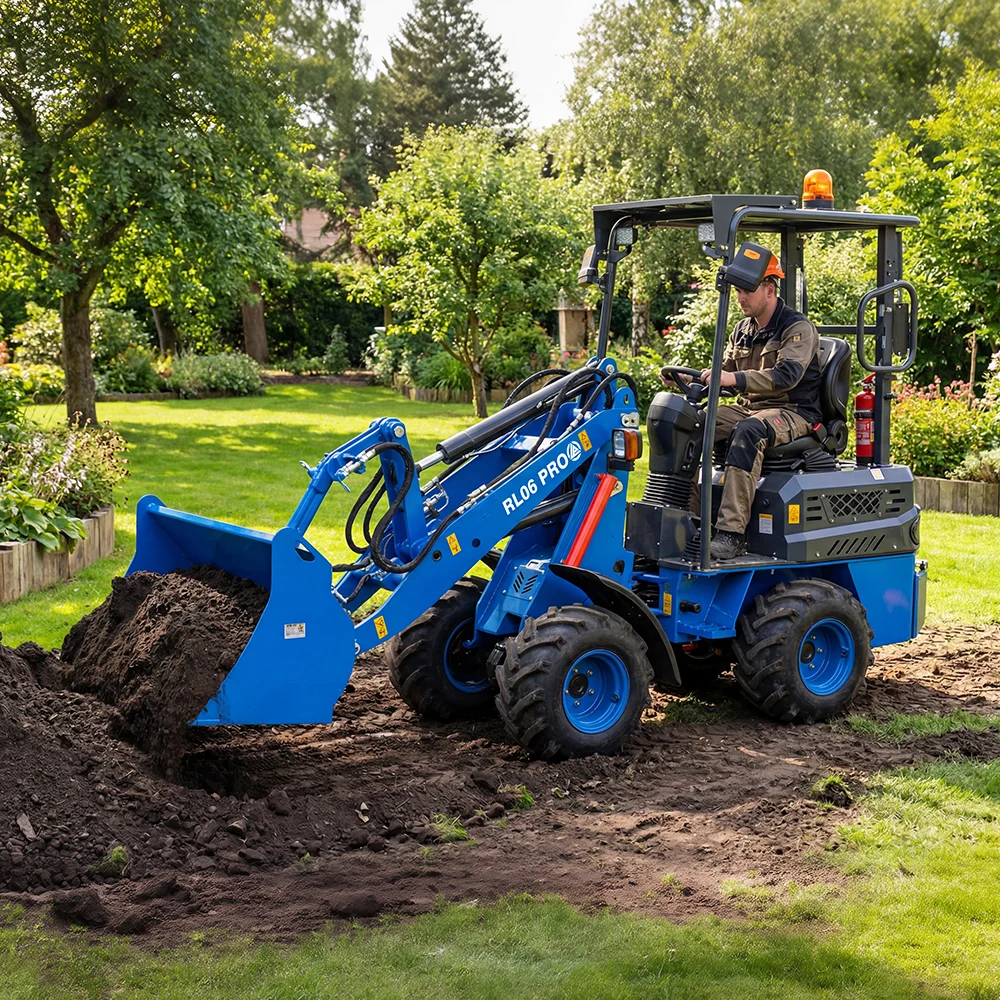
Several engineering and operational factors influence mini excavator digging depth.
The boom and arm determine the excavator’s working geometry. A longer arm may increase digging depth and reach, although it can affect lifting performance and stability.
Operating weight, upper structure design, and undercarriage configuration influence the equipment’s working capability. Larger machines often support more demanding excavation requirements.
The hydraulic system provides the force required for excavation. Hydraulic capability affects digging performance, particularly in compact soil or demanding ground conditions.
However, greater hydraulic power does not automatically increase a machine’s designed maximum digging depth.
Bucket dimensions and compatible attachments can influence working reach and excavation efficiency. Actual performance depends on the equipment configuration.
Soil type, obstacles, ground stability, and access restrictions affect how effectively an excavator can achieve the required excavation depth.
Regular mini excavator maintenance helps preserve hydraulic performance and reliable operation. Checking hydraulic fluid, hoses, cylinders, and moving components can reduce avoidable equipment problems.
However, maintenance does not increase the machine’s designed maximum digging depth.
For buyers and dealers, understanding these factors helps explain why excavators with similar operating weights may offer different digging capabilities.
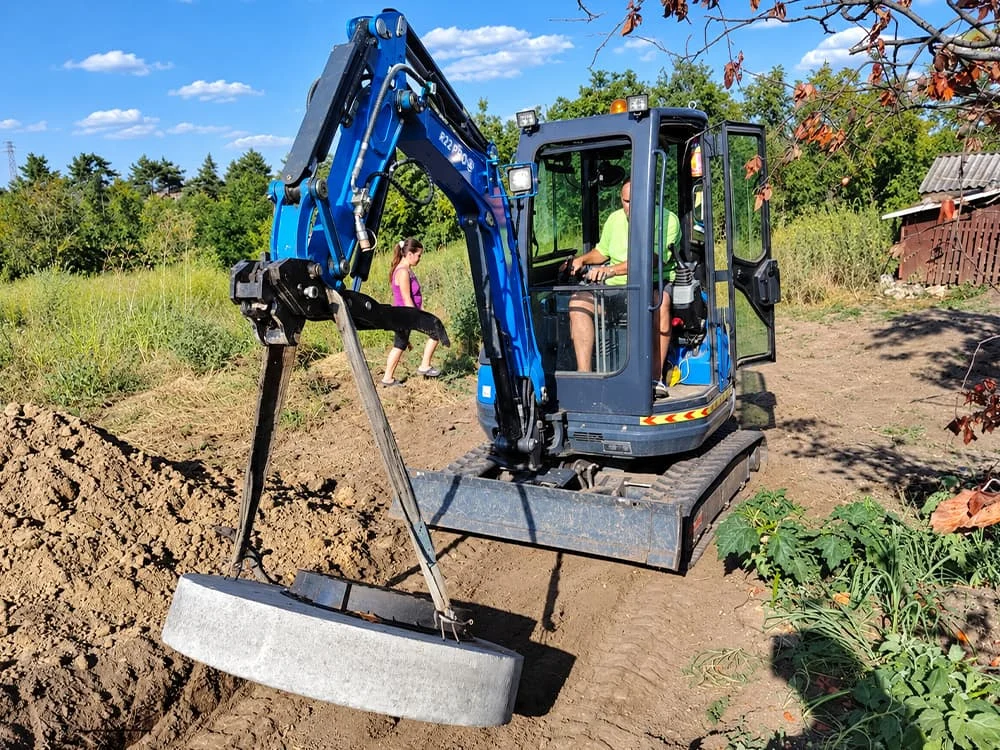
Selecting the right digging depth begins with understanding the project’s excavation requirements.
Different applications require different working depths, machine dimensions, and operating capabilities.
Landscaping and Garden Projects
Shallow trenches, planting holes, and garden construction may be completed using smaller mini excavators. Compact dimensions are especially useful around residential buildings and landscaped areas.
Drainage and Utility Installation
Drainage channels, irrigation systems, and utility trenches may require additional digging depth. Buyers should confirm trench specifications before selecting equipment.
Agricultural Applications
Farm drainage, irrigation work, and property improvements often require machines that combine digging capability with maneuverability across different working environments.
Construction and Foundation Preparation
Deeper excavation projects may require larger excavators with suitable digging depth, stability, and hydraulic capability.
When comparing a mini excavator for sale, buyers should evaluate:
A customer searching for a small excavator for sale may prioritize narrow access and practical trenching capability.
The mini excavator price should also be considered alongside digging performance, machine configuration, and expected applications.
Importantly, maximum digging depth is a technical limit measured under specified conditions. The practical working depth for a project may be lower because of equipment positioning, ground conditions, and safety requirements.
For dealers, matching digging depth with customer applications helps avoid unsuitable recommendations and improves purchasing decisions.
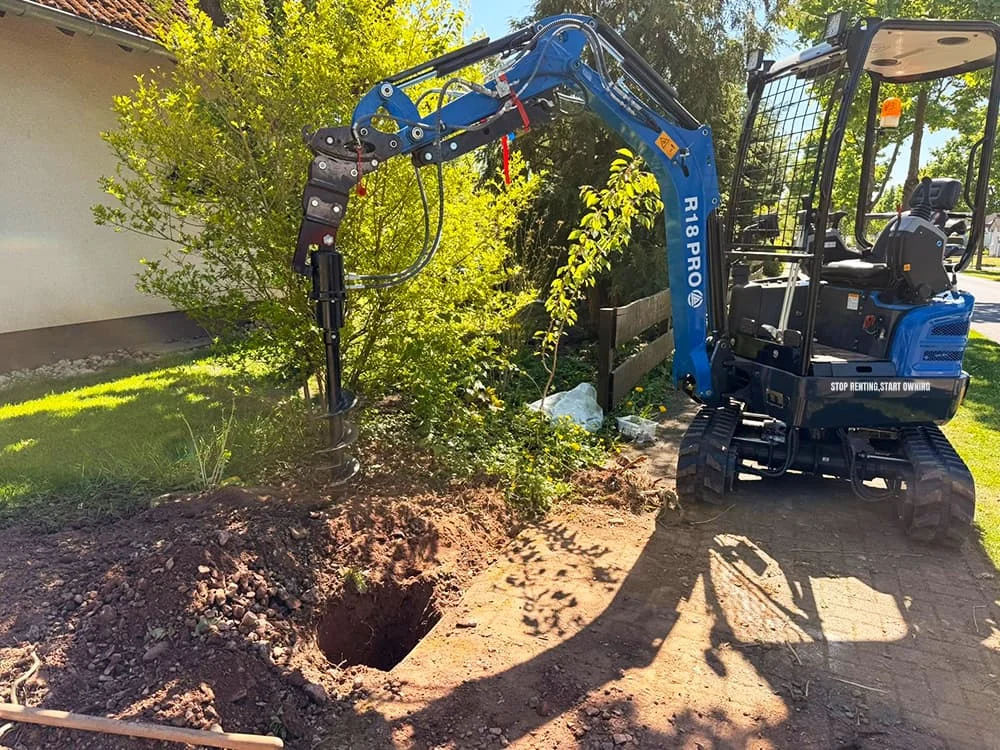
RIPPA offers mini excavators designed for various applications, including construction, landscaping, agriculture, and property maintenance. Different machine sizes provide different digging capabilities, allowing buyers to select equipment based on their project requirements.
For shallow excavation and restricted jobsites, smaller mini excavators offer compact dimensions and flexible operation. For deeper trenches, foundation work, and larger construction projects, machines with greater digging depth and working reach may be more suitable.
When comparing mini excavators for sale, buyers should consider maximum digging depth, operating weight, hydraulic performance, machine dimensions, and attachment compatibility. Choosing equipment that matches actual working conditions helps improve productivity and avoid unnecessary operating costs.
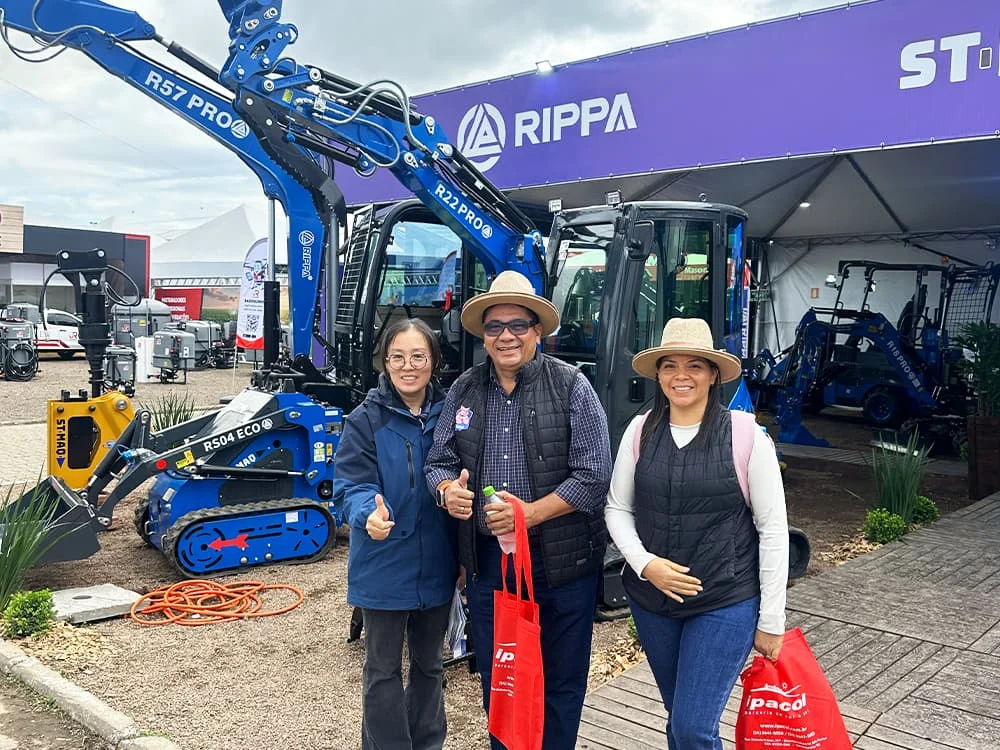
As a construction machinery manufacturer, RIPPA provides equipment options for businesses serving different customer needs. Potential distributors can evaluate product specifications and local market demand to develop a suitable equipment portfolio.
Businesses interested in wholesale purchasing or dealership opportunities can visit the RIPPA distributor recruitment page to explore potential cooperation and learn more about available equipment options.
Digging depth depends on the model. For example, the RIPPA R10, weighing 1,142 kg, has a published maximum digging depth of 1,833 mm.
Not always. Boom design, arm length, and machine geometry affect digging depth, so buyers should compare model specifications.
No. Maximum digging depth is a specified machine capability, while practical working depth depends on jobsite conditions, positioning, and safety requirements.
Puh: +8615628788742
Sähköposti: contact02@rippa.com
WhatsApp: Rippa kaivinkone
Osoite: Kuudes teollisuuspuisto, Jiningin kaupunki, Shandongin maakunta, Kiina.

 FI
FI  EN
EN  ES
ES  IT
IT  FR
FR  RU
RU  DE
DE  PT
PT  TR
TR  BG
BG  HR
HR  RO
RO  CS
CS  NN
NN  SL
SL  SV
SV  HU
HU  SK
SK  DA
DA  PL
PL  PT_BR
PT_BR 
