If you’re scouting for compact power without breaking the bank, the market for mini excavators from China deserves a hard look. These machines have reshaped small construction, landscaping, and agricultural jobs by offering competitive features at lower price points than many Western brands.
In this guide I’ll walk you through what to expect, what to inspect, and how to make a smart purchase — whether you’re buying your first small digger or adding another to a fleet. You’ll find practical tips, real-world examples from job sites I’ve worked on, and a clear checklist to take to inspections and negotiations.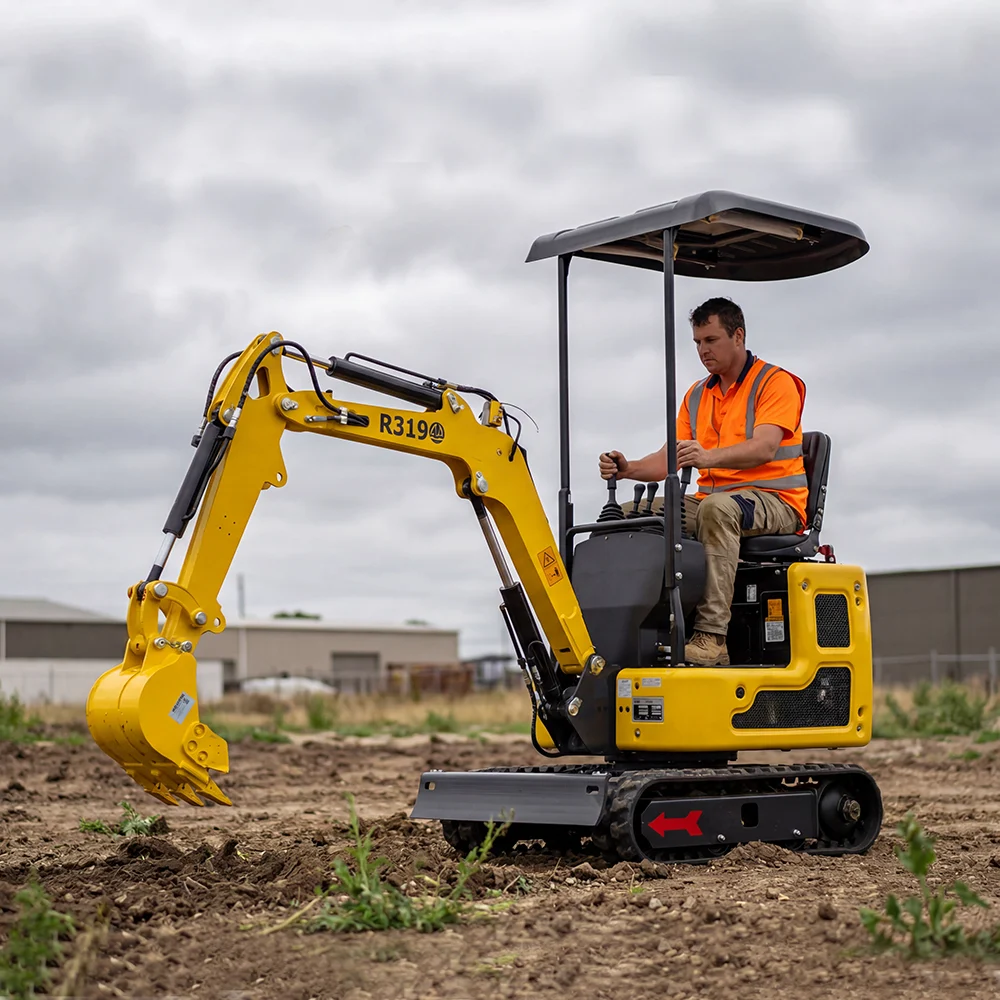
Over the past decade, Chinese manufacturers have invested heavily in design, manufacturing quality, and export logistics. That combination has produced machines that often match Western competitors on basic capability while undercutting them on price.
For many contractors and small business owners the math is simple: you can get two or three Chinese mini excavators for the price of a single brand-name equivalent, and that multiplier effect influences scheduling, redundancy, and risk tolerance on site. That affordability expands what small firms can bid on and complete with in-house equipment.
Lower purchase price is the obvious draw, but value depends on durability, parts availability, and after-sales service. Some Chinese models deliver excellent short-term performance but can cost more over time if parts are scarce or maintenance is neglected.
When evaluating a Chinese mini excavator for sale, factor in recurring costs like filters, hydraulic hoses, track components, and engine parts. A slightly higher initial spend on a better-supported model often pays back in reduced downtime and resale value.
Walkaround checks are more than a ritual; they reveal the machine’s real condition. Examine the undercarriage, swing mechanism, hydraulic cylinders, and hoses for signs of wear, weld repairs, or oil leakage.
Also confirm the engine model and serial number, the condition of the tracks or tires, and that the operator’s station functions correctly — gauges, safety switches, lights, and controls. Electrical issues can be subtle but expensive if left unaddressed.
Start with the engine because it’s the heart of the machine. Run the engine cold and hot, listen for diesel knock, uneven idling, or excessive smoke. These are early warning signs of injector wear, poor combustion, or turbocharger issues.
Check oil condition and level, look for coolant contamination, and inspect the air intake and filter housing. Confirm horsepower and torque figures in the specs match what the seller claims to avoid mismatch of expectations on digging power.
Hydraulics determine digging speed and precision, so inspect cylinders for pitting, scoring, or external corrosion. Look for weeping seals at rod ends and check for consistent lift and swing during operation.
Cycle the boom, arm, and bucket under load to verify smooth motion and steady pressure. Jerky or delayed responses may indicate pump wear, air in the system, or incorrect oil viscosity.
The undercarriage takes a beating and represents a major maintenance expense. Examine sprockets, idlers, rollers, and track shoes for wear patterns and replaceable components. Excessive sag or unusual wear often points to misalignment or inadequate tensioning.
If you can, lift one side and spin the track to inspect tensioning mechanisms and bearings. Tracks may look fine at a glance but hide hidden wear that accelerates during heavy use.
China’s market includes large, established manufacturers and smaller, niche builders. Brands like XCMG, Lonking, Sany, and Zoomlion have strong international distribution and longer records of after-sales support.
At the same time, a sizeable cottage industry of smaller factories produces competitive machines and components for specialist dealers or private-label brands. These can be bargains, but they require more diligence on parts and warranty terms.
Mini excavators range from sub-1-tonne pedestrian models up to 8-ton compact excavators. For most landscaping and utility work, machines between 1.5 and 3.5 tonnes hit the sweet spot for mobility and performance.
Key specs to compare include operating weight, bucket breakout force, dig depth, and tail swing. High breakout force matters for rocky soil; a short tail swing helps when working near walls or tight yards.
Operating weight affects stability and trailer selection. A heavier machine digs stronger and is more stable, but you’ll need a matching trailer and towing vehicle. Factor in local transport limits if you move equipment between job sites frequently.
Some Chinese models offer adjustable counterweights or detachable blades, which help balance transport convenience with on-site stability. Match those options to the jobs you do most often for maximum efficiency.
Dig depth and reach determine whether a mini excavator can handle trenching, foundation work, or tree root removal. Compare manufacturer specs but confirm actual performance under load during a test dig if possible.
Reach is also critical when loading trucks or working on slopes. A longer arm can reduce repositioning time, but may add weight and complexity to the machine’s structure.
Attachments dramatically expand a mini excavator’s utility. Common choices include buckets of varying sizes, hydraulic breakers, augers, grapples, and tilt-rotators. Selecting the right set maximizes utility while keeping costs down.
When evaluating attachments, check coupler compatibility, hydraulic flow requirements, and quick-change systems. Some Chinese machines offer multi-brand compatibility, which can be a huge advantage when sourcing tools locally.
Buying new provides factory warranty and predictability, which is attractive if you rely on the machine for steady work. New machines often come with options and customizations that improve resale value and operator comfort.
Used machines offer savings but demand careful inspection and fee accounting for imminent replacement parts. If you choose used, prioritize units with documented maintenance history and a transparent service record.
Request comprehensive service records and verify serial numbers with the manufacturer if possible. A clean maintenance trail — timely oil changes, hose replacements, and documented repairs — strongly suggests the machine was cared for.
Also check for aftermarket modifications or nonstandard attachments; these can complicate repairs and may void certain warranties. Presentation matters: a well-kept machine tends to indicate a conscientious owner rather than a problem-free machine, but it’s a helpful indicator.
Price depends on base model, engine brand, hydraulic system sophistication, and included attachments. Shipping, import duties, and dealer markups also factor in if you’re importing directly or buying through a distributor.
Beyond purchase price, budget for operator training, spare parts, and expected first-year maintenance. A low initial price can be appealing, but underbudgeting for those ongoing items is a common mistake.
Many reputable Chinese manufacturers and dealers offer financing packages, extended warranties, and service contracts. Compare terms carefully: an extended warranty may be the most valuable add-on if you plan heavy usage.
Ask about parts availability and the lead time for critical components. Good dealers stock common parts locally, which reduces downtime significantly compared with importing single parts from overseas.
Importing directly can shave cost but increases complexity: you’ll handle customs, shipping, currency risk, and compliance with local regulations. Working with a domestic distributor simplifies these steps and often includes training and support.
Distributors typically offer inspection before sale, hold inventory for parts, and can provide certified refurbishments. Those services add cost but can be worthwhile if uptime is essential to your business.
Frequent issues include hydraulic leaks, electrical gremlins, and premature track wear. Many are avoidable with proper pre-delivery inspections and routine maintenance protocols.
Establish a daily checklist for operators that covers visual checks, fluid levels, and unusual noises. Catching small problems early prevents larger, more expensive failures down the road.
Hydraulic leaks are often caused by loose fittings, poor-quality hoses, or abrasive conditions. Use manufacturer-recommended hose routes and protective sleeves when working in rocky or brushy terrains.
Train operators to monitor cylinder seals and respond quickly to pressure drops or sluggish movement. Replacing a hose early is far cheaper than replacing a pump or cylinder after catastrophic failure.
Moisture and vibration are enemies of electrical connectors. Secure wiring harnesses, use dielectric grease on exposed connectors, and check grounds periodically. These small steps reduce the risk of intermittent faults that are time-consuming to diagnose.
Replace worn switches and broken gauge covers to prevent dirt ingress. Many later-model Chinese machines use common global components that are readily replaced when needed.
Even the best mini excavator becomes dangerous with an inexperienced operator. Invest in proper training for controls, load charts, and safe work practices specific to compact machines. Safety procedures reduce risk and legal exposure.
Simple habits — wearing seat belts, sticking to manufacturer load limits, and using spotters in confined spaces — pay off. For rental or fleet environments, standardized operator competency checks keep everyone safer and equipment lasting longer.
Check local emissions standards for diesel engines; some regions restrict older engines or require retrofits. Many Chinese manufacturers now offer Tier 4 or Stage V compliant engines for export markets, so verify the spec sheet before purchase.
Noise regulations and jobsite ordinances may also affect which machine you choose. Low-noise cabins, mufflers, and hydraulic dampeners are features worth paying for in urban or early-morning work zones.
Resale value for Chinese mini excavators has improved but still lags behind premium Western brands. A well-documented maintenance history and original parts increase resale potential, however.
To preserve value, use genuine or OEM-equivalent parts, keep records, and avoid heavy cosmetic modifications. Buyers look for predictable serviceability more than shiny paint when considering used compact excavators.
Parts availability varies by brand and dealer network. Large manufacturers usually maintain regional warehouses, while smaller brands may rely on third-party suppliers or brokered shipping. Confirm lead times for critical wear parts before committing to a purchase.
Join local owner groups and online forums where users share part numbers and local suppliers. Those communities often reveal practical tips for sourcing compatible filters, seals, and electronic modules at lower cost.
Here’s a compact checklist you can bring to an inspection. Use it to record findings and compare machines side by side during a shopping trip or auction visit.
On a suburban utility project we needed three compact machines for trenching and clean-up. Buying two Chinese mini excavators and a compact loader cut equipment leasing time and allowed us to complete the job ahead of schedule.
One machine later developed an electrical issue — a loose harness at a vibration point — which we fixed in a day with locally sourced parts. That experience taught me to prioritize wiring routing and to carry a small parts kit specifically for connectors and fuses.
The following table summarizes typical categories of mini excavators, with representative specs and price ranges. Use it as a rough guide, not a definitive market snapshot — actual prices vary with options, location, and import costs.
| Category | Operating weight (tons) | Typical dig depth (ft) | Common attachments | Price range (USD) |
|---|---|---|---|---|
| Subcompact | 0.8–1.5 | 6.5–8.5 | Small buckets, augers | $8,000–$18,000 |
| Compact light | 1.5–3.5 | 9–13 | Multiple buckets, breaker, grapple | $18,000–$45,000 |
| Compact heavy | 3.5–8 | 12–17 | Heavy-duty buckets, tilt rotator | $40,000–$90,000 |
Negotiating the purchase
Come prepared with comparative quotes, your inspection notes, and a clear walk-away price. Dealers expect negotiation and often have some flexibility on attachments, transport, or first-year service packages.
If you’re buying used, point out visible maintenance items and request a prorated parts credit or a short-term warranty. For new purchases, ask for extended training or a parts kit to be included in lieu of a small discount.
Establish a maintenance plan that fits your usage pattern. Even light-use machines benefit from a structured schedule of inspections, fluid changes, and track tension checks.
Standard warranties often cover engine and hydraulic systems for 12 months or a specified hours limit. Extended warranties can cover additional components and longer durations, but read exclusions carefully.
Some warranties require scheduled maintenance at authorized centers to remain valid. If local authorized centers are sparse, negotiate service flexibility or a dealer-maintenance agreement in the purchase contract.
If you’re uncertain about hydraulics, structural repairs, or engine rebuild needs, hire a qualified inspector. Their fee often pays for itself by identifying hidden costs or bargaining leverage during negotiation.
An inspector can perform compression tests, hydraulic pressure checks, and structural weld examinations that are tough to assess during a quick walkaround. Use their report as a bargaining tool or to confirm a good buy.
Encourage operators to warm the machine properly on cold days and to run it through all control cycles before heavy digging. Avoid high-rpm operation when the hydraulic oil is cold to reduce wear on pumps and hoses.
Keep the cab clean and document issues immediately. Small complaints filed early prevent them becoming mission-stopping failures in the middle of a contract.
Create a binder or digital folder with the operator manual, service logs, parts invoices, and warranty documents. Good record keeping pays dividends when selling or troubleshooting later.
Schedule a post-purchase orientation with operators that covers the machine’s quirks, attachment changes, and emergency procedures. Familiarity with one machine’s personality reduces mistakes and improves uptime.
One myth is that all Chinese-built machines are poorly made. Reality: manufacturing quality ranges widely, and many large Chinese firms produce machines that match international tolerances and use global suppliers. Vet the manufacturer, not the country.
Another myth says parts are impossible to find. While some obscure models have sparse parts networks, mainstream Chinese brands often have distributors and aftermarket suppliers that ensure reasonable availability. Do your homework on the specific model rather than assuming worst-case scenarios.
Double-check that serial numbers match paperwork, verify inclusion of promised attachments, and confirm transport logistics and delivery dates. Get all promises about servicing or parts in writing to avoid misunderstandings later.
Remember that the best purchase balances price, support, and the machine’s match to your typical work. A bargain only remains a bargain if the machine keeps working when you need it most.
Over the years I’ve watched operators fall in love with the affordability of smaller Chinese machines, and I’ve also seen tough lessons when after-sales support was thin. With careful selection, pre-purchase inspection, and a modest spare-parts kit, a Chinese mini excavator can be a dependable, budget-friendly addition to your fleet.
Tel: +8615628788742
Correo electrónico: contact02@rippa.com
WhatsApp: Excavadora Rippa
Dirección: Sexto parque industrial, ciudad de Jining, provincia de Shandong, China

 ES
ES  EN
EN  IT
IT  FR
FR  RU
RU  DE
DE  PT
PT  TR
TR  BG
BG  HR
HR  RO
RO  CS
CS  NN
NN  SL
SL  SV
SV  HU
HU  SK
SK  DA
DA  FI
FI  PL
PL  PT_BR
PT_BR 
