Starting a business with a mini excavator can be an opportunity for entrepreneurs interested in construction, landscaping, and property improvement. With different mini excavators for sale on the market, one machine can support several types of services without requiring a large equipment fleet.
From digging trenches and preparing land to landscaping and residential construction, mini excavators offer practical solutions for small businesses. Understanding potential business opportunities, customer needs, equipment requirements, and operating costs can help you turn one machine into a sustainable business.
There are several mini excavator business ideas that entrepreneurs can start with a single machine. The best option depends on local demand, available customers, and the types of projects you can handle.
Offer garden excavation, tree planting preparation, soil removal, and backyard renovation services. Homeowners and landscaping contractors often need compact equipment for projects with limited working space.
Provide trench digging for water pipes, drainage systems, irrigation lines, and electrical installations. These projects create opportunities to work with plumbers, electricians, and construction contractors.
Help farmers with land preparation, drainage ditches, fence post installation, and general property improvements. Agricultural properties often require flexible equipment for different outdoor tasks.
Provide excavation services for small foundations, extensions, pathways, and other residential projects. Working with local builders can create opportunities for repeat business.
Offer small-scale excavation, soil removal, and ground preparation for landscaping and construction projects.
These businesses allow owners to focus on specific services or combine several types of work depending on local demand.
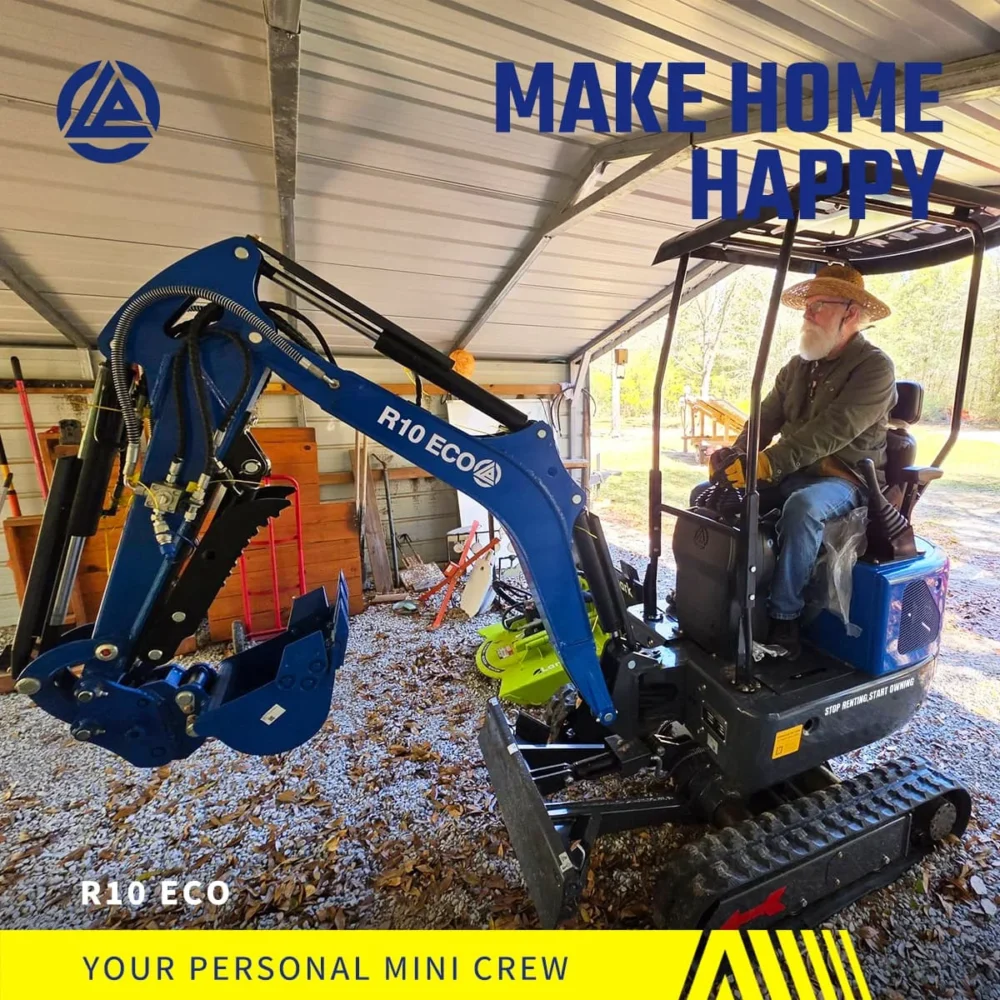
Understanding mini excavator applications helps business owners identify services that customers actually need. A versatile machine can support different projects throughout the year.
Common applications include:
The advantage of mini excavators is their ability to work in restricted spaces where larger equipment may be difficult to operate. This creates opportunities to serve homeowners, small contractors, farmers, and landscaping companies.
By understanding local construction and property improvement needs, entrepreneurs can identify which mini excavator applications have the strongest business potential.
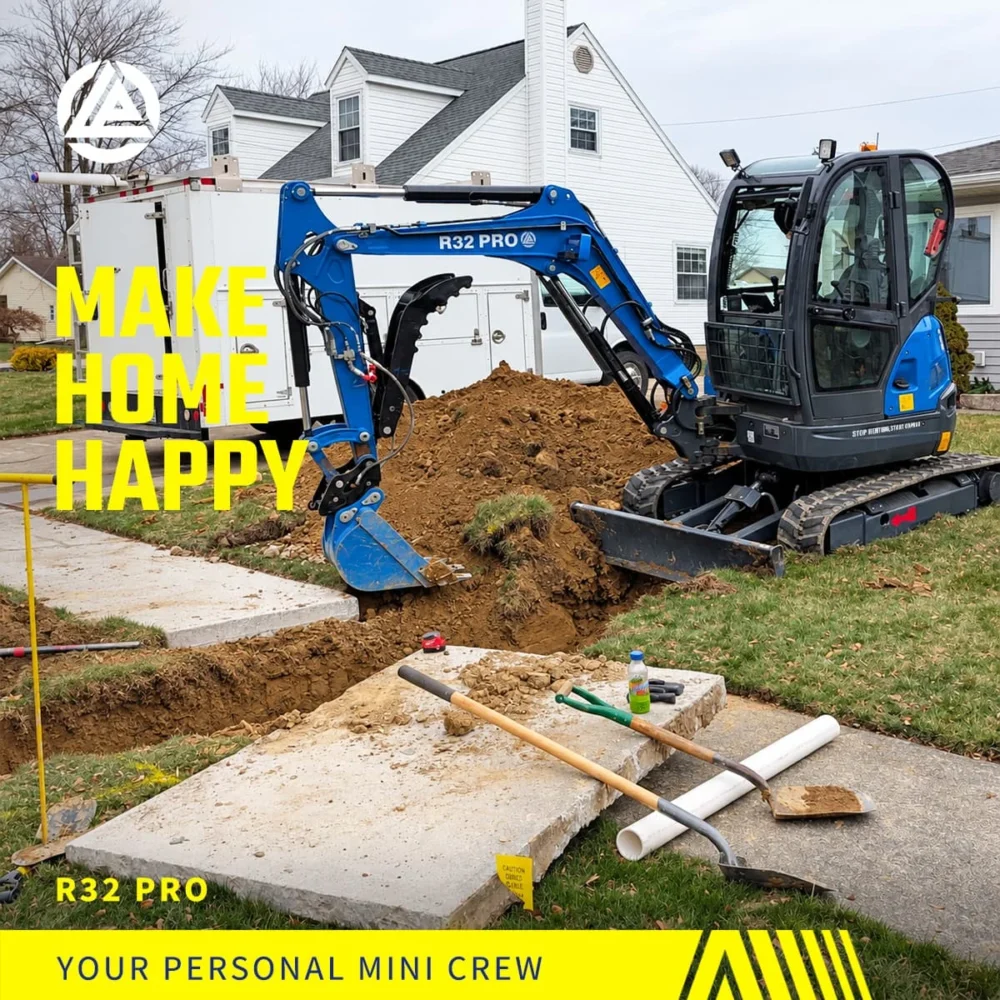
Purchasing a mini excavator for sale allows business owners to provide specialized services instead of relying on general construction work.
For example, landscaping businesses can offer garden excavation, tree planting preparation, soil removal, and outdoor renovation. Construction service providers can focus on trenching, drainage installation, and small foundation preparation.
When evaluating a small excavator for sale, consider whether its working dimensions and digging capabilities match the projects you intend to accept. Businesses working in narrow residential areas may prioritize compact dimensions and maneuverability.
Different attachments can also expand service opportunities. Buckets, augers, and other compatible tools allow operators to handle different tasks with the same machine.
When comparing compact excavators for sale, consider attachment compatibility, transportation requirements, operating convenience, and maintenance accessibility. Buyers searching for an excavator small for sale should focus on practical working requirements rather than choosing equipment based only on appearance or purchase price.
The goal is to select equipment that can support multiple services and meet the needs of your target customers.
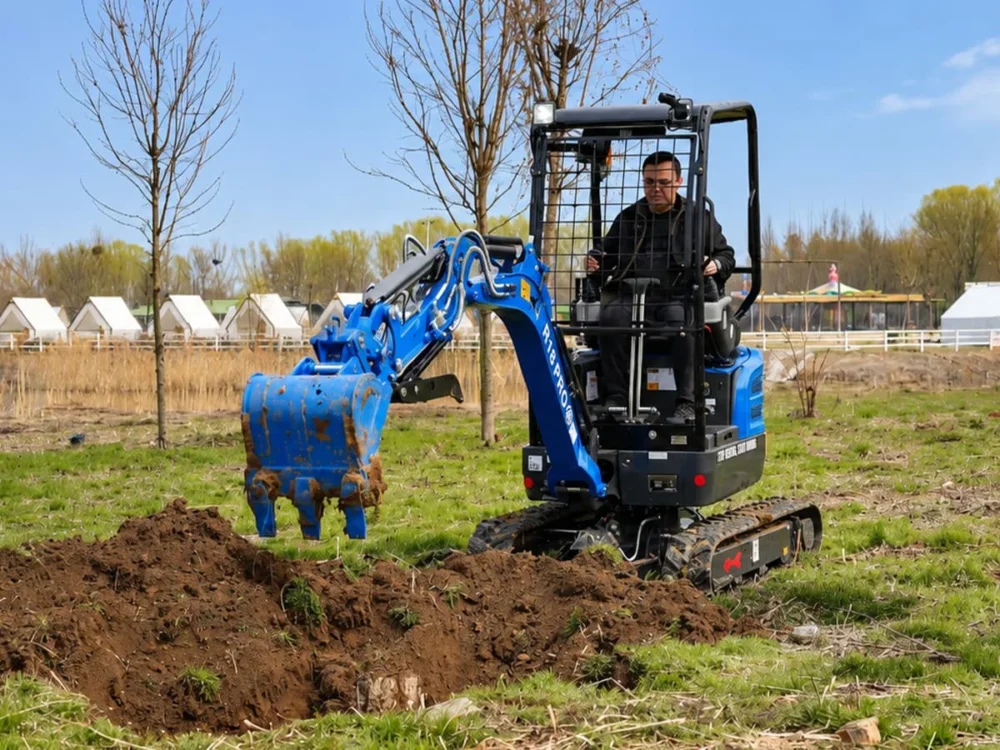
Owning equipment does not automatically create a profitable business. Entrepreneurs need to turn machine capabilities into clearly defined services that customers are willing to pay for.
Define your services and pricing.
Create service packages based on project requirements. For example, trenching can be priced according to project size, digging length, soil conditions, and labor requirements. Landscaping excavation can be quoted according to the working area and amount of material removed.
Identify your target customers.
Build relationships with residential builders, landscaping companies, plumbers, electricians, farmers, and property improvement contractors. These customers may need excavation support for ongoing projects.
Calculate operating expenses.
Consider fuel, transportation, maintenance, replacement parts, insurance, labor, and equipment depreciation. Understanding these expenses helps you set appropriate service prices.
Build a reliable reputation.
Complete projects on schedule, communicate clearly, and maintain equipment regularly. Customer referrals and repeat orders can become important sources of business growth.
A successful mini excavator business combines suitable equipment with consistent service quality, effective pricing, and reliable customer relationships.
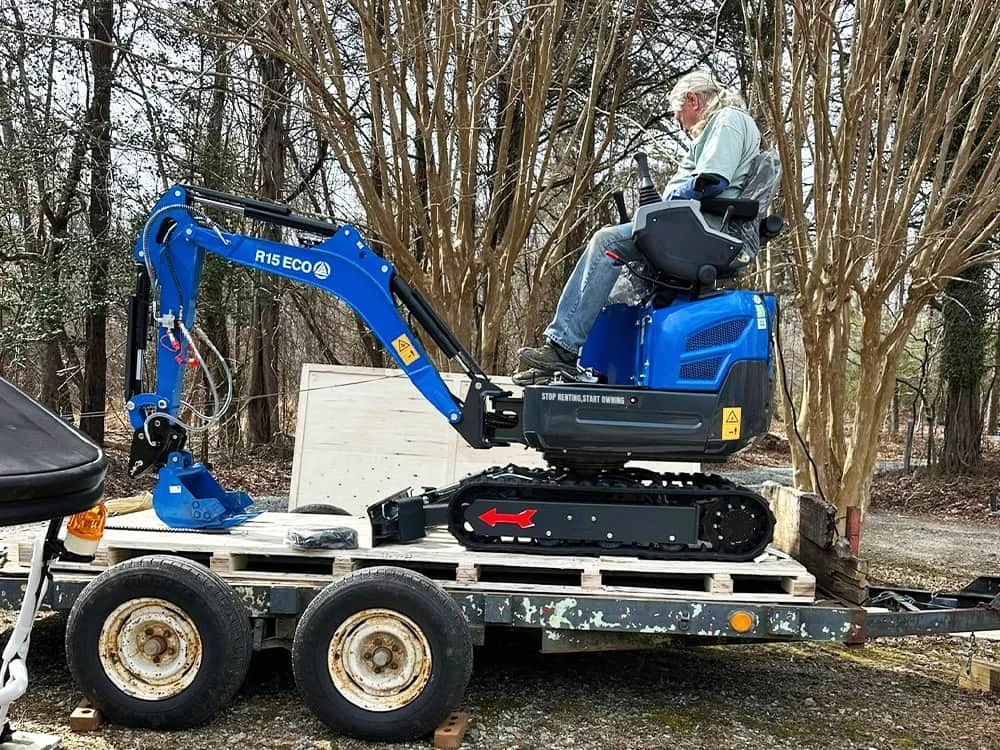
The growth potential of different mini excavator business ideas depends on local demand, competition, project frequency, and operating costs.
Landscaping and property improvement can provide opportunities in residential communities where homeowners regularly upgrade outdoor spaces. Trenching and drainage services may appeal to contractors working on utility and infrastructure projects. Agricultural services can also create opportunities in areas with active farming businesses.
Before choosing a direction, evaluate three important factors:
The mini excavator price is an important part of the initial investment, but it should not be the only purchasing consideration. Equipment reliability, attachment compatibility, and spare parts availability also influence long-term business expenses.
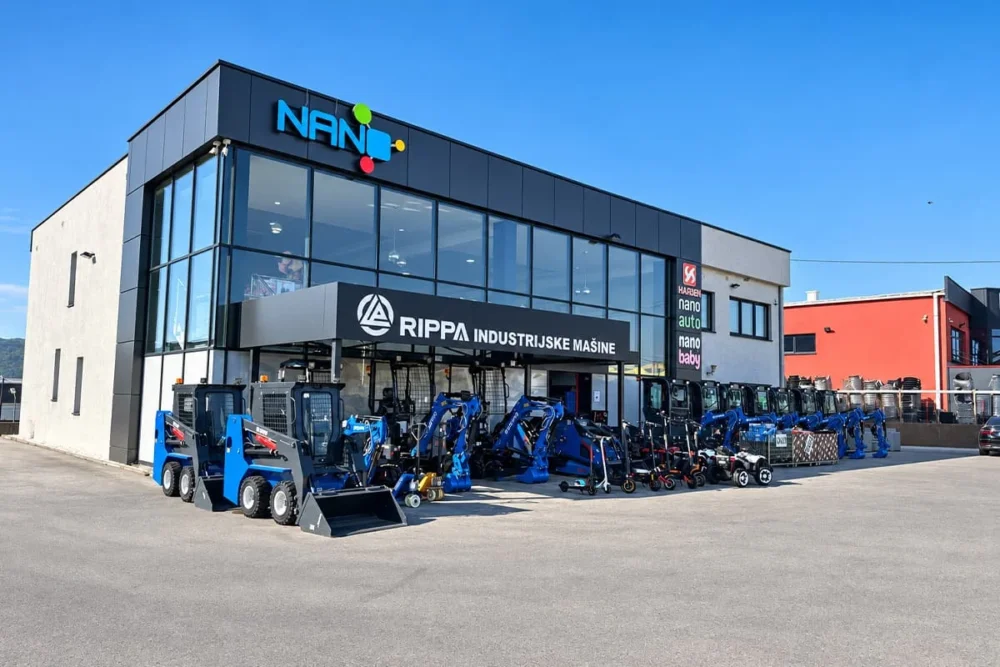
Choosing a reliable manufacturer is equally important. RIPPA is a construction machinery manufacturer that offers mini excavators and dealer cooperation opportunities. When evaluating RIPPA or other suppliers, business owners should review manufacturing quality, product selection, warranty conditions, parts support, and after-sales communication.
Selecting equipment that matches your business plan can help you develop more services, serve different customer groups, and build a sustainable operation.
It can be profitable when local demand, service pricing, equipment utilization, and operating expenses are managed effectively.
Startup costs depend on equipment price, transportation, insurance, attachments, and initial operating expenses.
Choose a machine based on your main services, working conditions, required digging capacity, and attachment needs.
Yes. With suitable attachments and proper equipment selection, one machine can support landscaping, trenching, agricultural work, and residential construction.
Tel: +8615628788742
Correo electrónico: contact02@rippa.com
WhatsApp: Excavadora Rippa
Dirección: Sexto parque industrial, ciudad de Jining, provincia de Shandong, China

 ES
 EN
 IT
 FR
 RU
 DE
 PT
 TR
 BG
 HR
 RO
 CS
 NN
 SL
 SV
 HU
 SK
 DA
 FI
 PL
 PT_BR

