Agricultural drainage is essential for maintaining healthy farmland, preventing waterlogging, and improving soil conditions for crop production. Poor drainage can lead to standing water, soil erosion, and difficulties during planting and harvesting.
For farmers, contractors, and machinery dealers evaluating mini excavators for sale, these machines offer practical solutions for digging drainage ditches, cleaning existing channels, and preparing agricultural land.
Their compact dimensions and versatile attachments make them useful for many farm projects, particularly where larger equipment has limited access. Understanding different drainage applications helps buyers select suitable machines and helps dealers identify opportunities in the agricultural equipment market.
Mini excavators can support several agricultural drainage activities, from creating new drainage channels to maintaining existing water pathways.
Drainage ditches help collect and redirect excess water away from agricultural fields. Mini excavators can dig narrow channels along planned routes, helping farmers manage surface water and reduce waterlogging.
Agricultural land often requires channels to distribute water between different areas. Mini excavators can assist with excavating and shaping irrigation channels according to site requirements.
Standing water and accumulated soil can affect farmland accessibility. Excavators can help remove obstructive soil and reshape drainage pathways to improve water movement.
Existing drainage ditches may gradually become blocked by sediment, vegetation, and soil buildup. Regular cleaning helps maintain their drainage capacity and reduces the risk of water accumulation.
These applications make mini excavators for sale relevant to agricultural contractors, landscaping businesses, and farm equipment dealers.

Effective drainage ditch excavation starts with proper planning. The ditch must follow the site’s terrain and provide a suitable route for water to flow toward an approved drainage outlet.
Before excavation, evaluate the farmland’s elevation, soil conditions, existing water pathways, and nearby structures.
Identify the starting point and drainage outlet. Check underground utilities and existing irrigation pipes before digging.
Ditch dimensions depend on expected water flow, soil conditions, and agricultural requirements.
A narrow channel may be sufficient for localized drainage, while larger drainage systems may require wider or deeper excavation.
Avoid choosing dimensions based only on machine capacity. The drainage design should determine the required excavation dimensions.
A suitable gradient allows water to flow naturally through the ditch.
Operators should follow the planned elevation and slope rather than digging at an inconsistent depth. Laser levels or other surveying equipment can help maintain the required grade.
When comparing a mini excavator for sale, buyers should consider digging depth, working range, machine stability, and the ability to operate efficiently in agricultural environments.
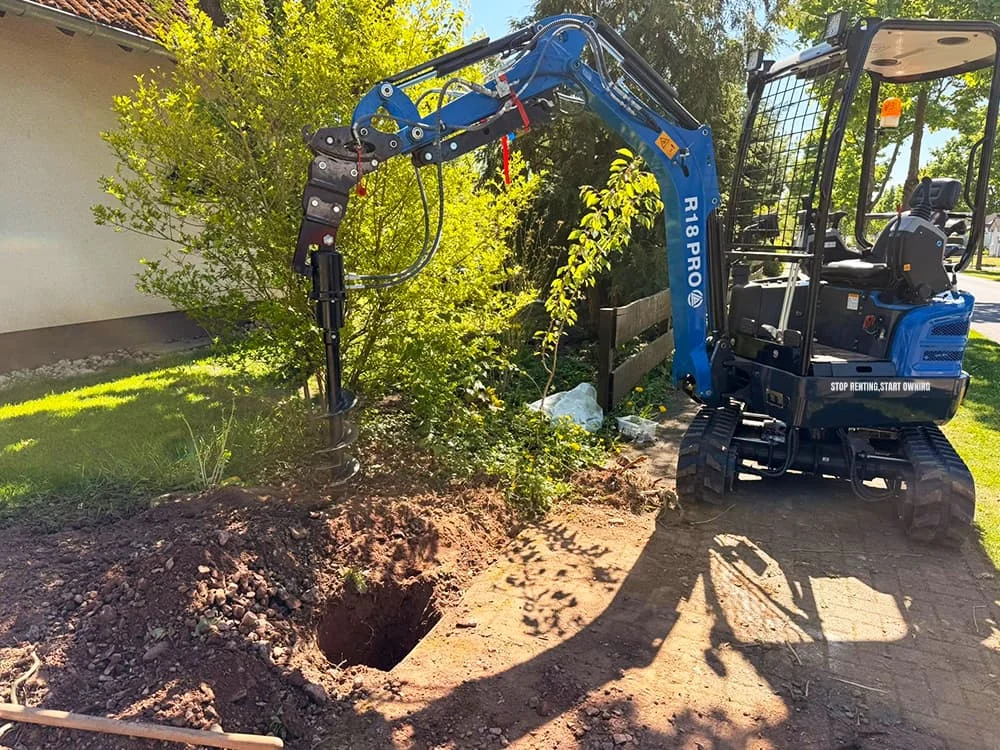
Existing drainage channels can lose their effectiveness when mud, sediment, vegetation, and debris accumulate over time.
Use an appropriate bucket to remove deposited soil from the ditch bottom and sides.
Work gradually to avoid removing too much material or damaging the original channel profile.
A small excavator for sale may be particularly useful when cleaning narrow drainage channels or working between agricultural plots.
Grass, roots, branches, and other debris can obstruct water movement.
Remove unwanted vegetation and loose obstructions carefully. Where root systems are difficult to remove, suitable attachments may be required.
After cleaning, inspect the ditch bottom and side slopes.
Remove remaining soil piles that could restrict water flow. Check that the channel maintains a consistent drainage route toward its outlet.
Proper channel maintenance helps reduce recurring blockages and supports more reliable farmland drainage.

Different drainage projects require different excavation tools. Choosing appropriate attachments helps improve working efficiency and achieve more accurate results.
Narrow buckets are suitable for smaller drainage trenches and restricted working areas.
General-purpose buckets can handle ordinary soil excavation and channel cleaning, while grading buckets may help shape ditch sides and improve surface finishing.
The correct choice depends on ditch dimensions, soil resistance, and the machine’s capabilities.
Some agricultural projects may require additional mini excavator accessories, such as suitable grading or cleaning attachments.
Before purchasing attachments, verify mounting dimensions, pin connections, hydraulic requirements, and compatibility with the excavator.
When comparing compact excavators for sale, consider working weight, digging depth, hydraulic performance, ground conditions, and transportation requirements.
A suitable machine should provide enough working capability without creating unnecessary ground pressure or restricting access between fields.
Buyers should also compare the overall mini excavator price alongside attachment requirements and expected operating costs.
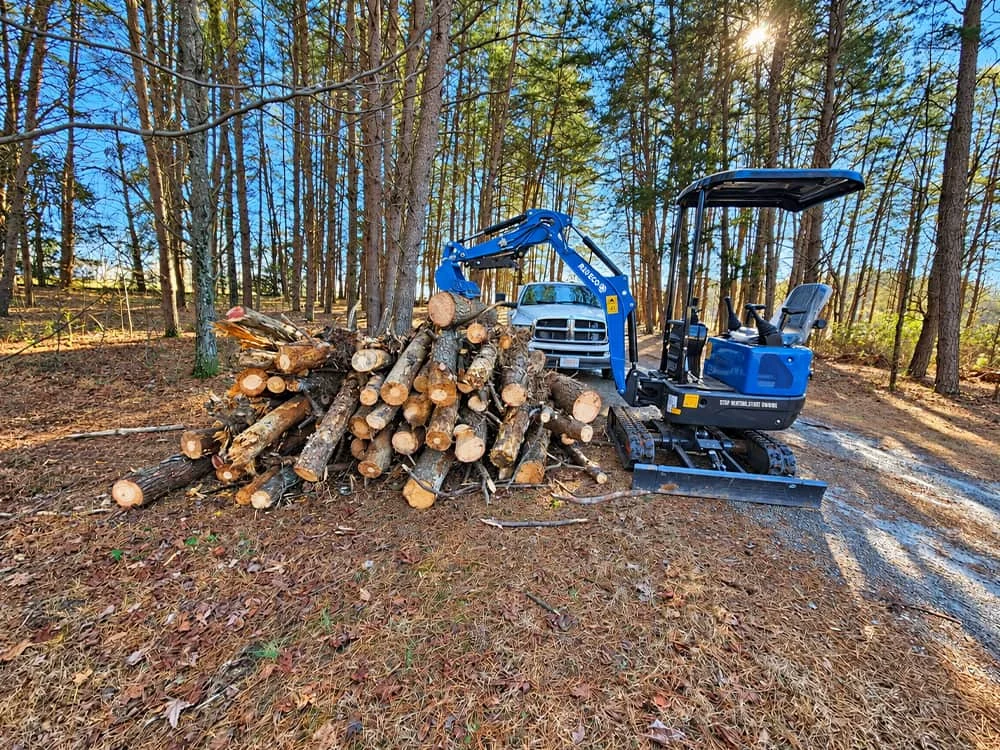
Agricultural drainage conditions vary considerably. Soil density, moisture levels, terrain, and access restrictions all influence excavation methods.
Soft ground can reduce machine stability and increase the risk of track sinking.
Operators should assess ground-bearing conditions before entering wet areas. Suitable access routes and ground protection may be necessary.
Avoid operating near unstable ditch edges or on saturated slopes where the machine could slide or overturn.
Clay and compacted soil may create greater digging resistance than loose soil.
Operators should use controlled digging movements and suitable bucket configurations rather than forcing the machine through resistant material.
Breaking excavation into manageable sections can help maintain consistent working performance.
Wet soil and mud can accumulate around tracks, rollers, and undercarriage components.
A regular mini excavator maintenance routine should include cleaning the undercarriage, checking hydraulic connections, inspecting tracks, and examining bucket teeth.
A practical mini excavator inspection checklist helps operators identify visible damage and abnormal wear before the next working session.
Damaged mini excavator parts should be inspected and replaced according to manufacturer recommendations.
Agricultural drainage is one of the practical applications of compact excavation equipment. For international dealers, understanding these applications helps identify local customer needs and recommend suitable machinery.
RIPPA welcomes international distribution partners interested in mini excavator sourcing and long-term cooperation.
Explore RIPPA distributor opportunities to discuss equipment supply and potential dealership partnerships.
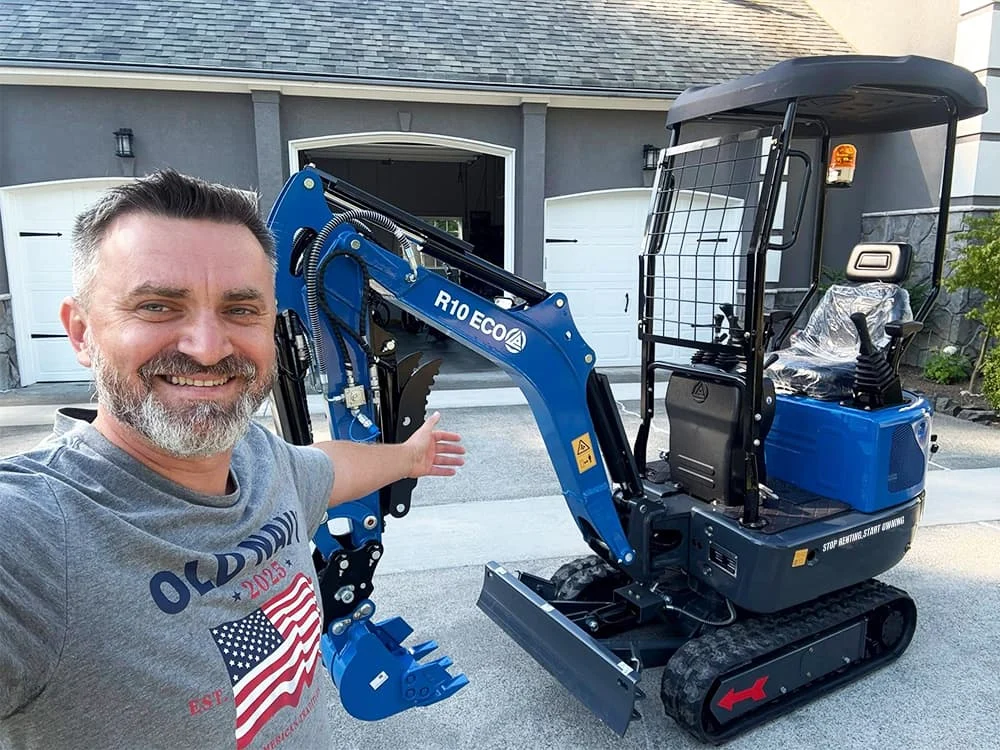
Yes. They can excavate drainage channels of suitable dimensions, provided the machine’s digging capabilities match the project requirements.
Narrow buckets are useful for drainage trenches, while general-purpose and grading buckets can support excavation and channel shaping.
Yes, under suitable ground conditions. Operators must assess soil stability, machine traction, and the risk of sinking or overturning before working.
Tel: +8615628788742
Correo electrónico: contact02@rippa.com
WhatsApp: Excavadora Rippa
Dirección: Sexto parque industrial, ciudad de Jining, provincia de Shandong, China

 ES
 EN
 IT
 FR
 RU
 DE
 PT
 TR
 BG
 HR
 RO
 CS
 NN
 SL
 SV
 HU
 SK
 DA
 FI
 PL
 PT_BR

